
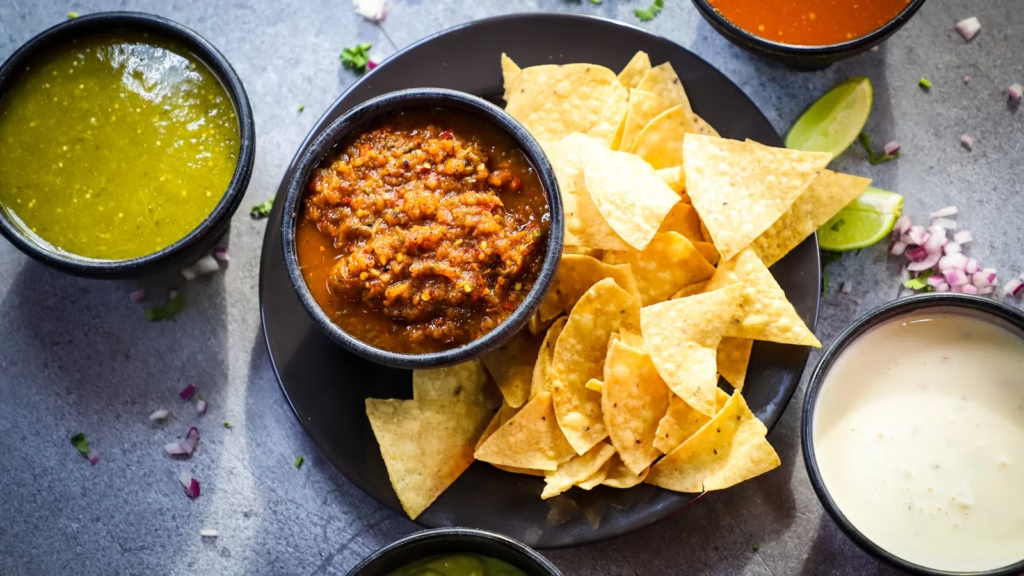
Good guacamole is not a green paste with a crowded ingredient list. It should taste clearly of ripe avocado, with enough onion, chile, cilantro, lime, and salt to make that richness feel lively. This version stays intentionally chunky, comes together with a fork, and gives each seasoning a job instead of letting the lime take over the bowl.
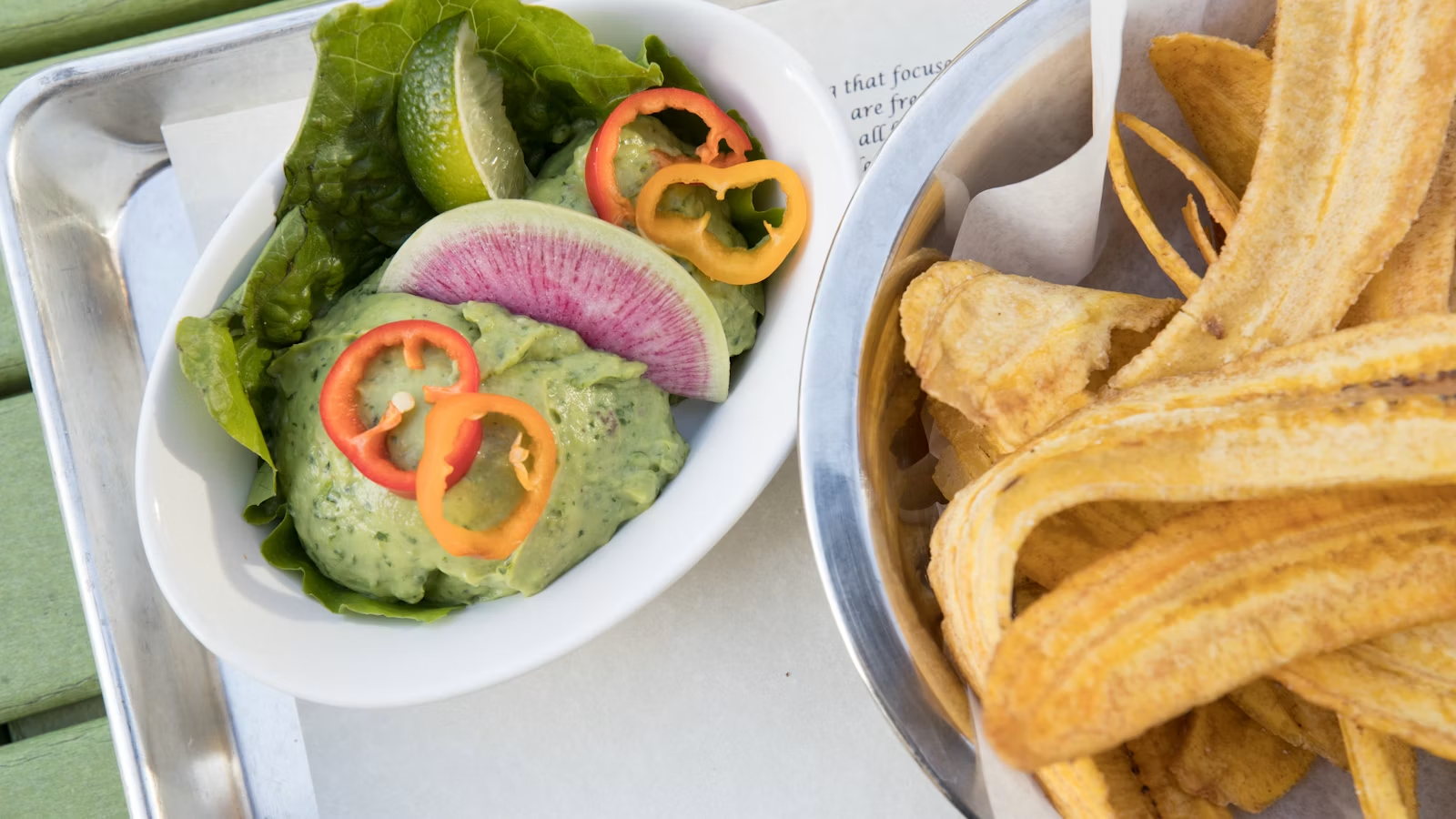
The best guacamole tastes like avocado first—brightened and seasoned, but never bullied.
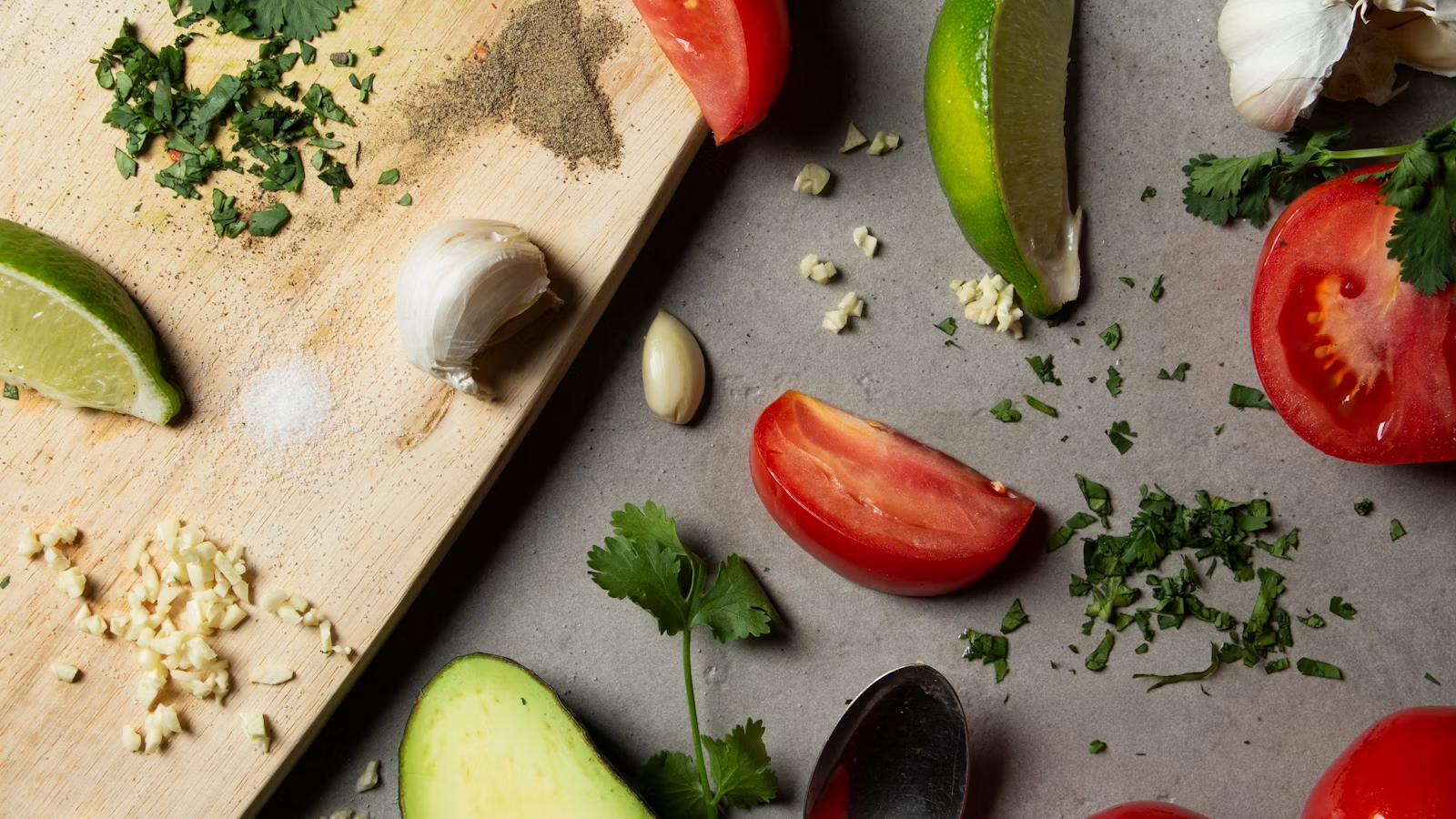
Choose ripe avocados for guacamole
A ripe Hass avocado should yield gently when you press near the stem, but it should not feel hollow, watery, or collapsed. If every avocado at the store is hard, let them soften at room temperature and move them to the refrigerator once they are ready. That short cold pause buys you a little flexibility without pretending an underripe avocado can be mashed into greatness.
Cut one open before preparing the rest. The flesh should be creamy and green to yellow, with no sour smell or widespread gray streaking. Avocado is botanically a fruit—Tastiva’s avocado explainer gets into the surprisingly interesting details—but in this bowl, texture matters more than taxonomy. Three medium avocados make enough guacamole for about six appetizer portions.
Build a flavor base before you mash
Finely mince the white onion and jalapeño, then press them with salt and half the cilantro using the back of a fork. A molcajete is lovely if you own one, but a plain bowl works. This quick paste softens the onion’s sharpest edge and spreads chile and herbs through the guacamole, so one bite is not bland while the next stages a tiny jalapeño ambush.
Start with one tablespoon of lime juice. Lime brings needed acidity and makes the flavors feel awake, but too much can make avocado watery and strangely thin. Salt is equally important; avocado can absorb more seasoning than its gentle flavor suggests. Add the measured amount, mix, taste with the chip or vegetable you plan to serve, and adjust only then. Salted tortilla chips change the final balance more than people expect.
Keep the texture chunky, not lumpy
Score the avocado flesh into cubes while it is still in the peel, scoop it into the bowl, and mash about half into the flavor base. Fold the remaining pieces through rather than beating everything smooth. You get a creamy matrix that holds the onion and cilantro, plus tender avocado chunks that make homemade guacamole feel generous instead of processed.
I skip tomato in this everyday version because its juice can loosen the dip as it sits. If you love tomato, seed a firm Roma tomato, dice it small, and fold it in immediately before serving. Cilantro is easier to manage: omit it if you dislike it, or replace only part with flat-leaf parsley. There is no prize for adding an herb everyone at the table will quietly push aside.
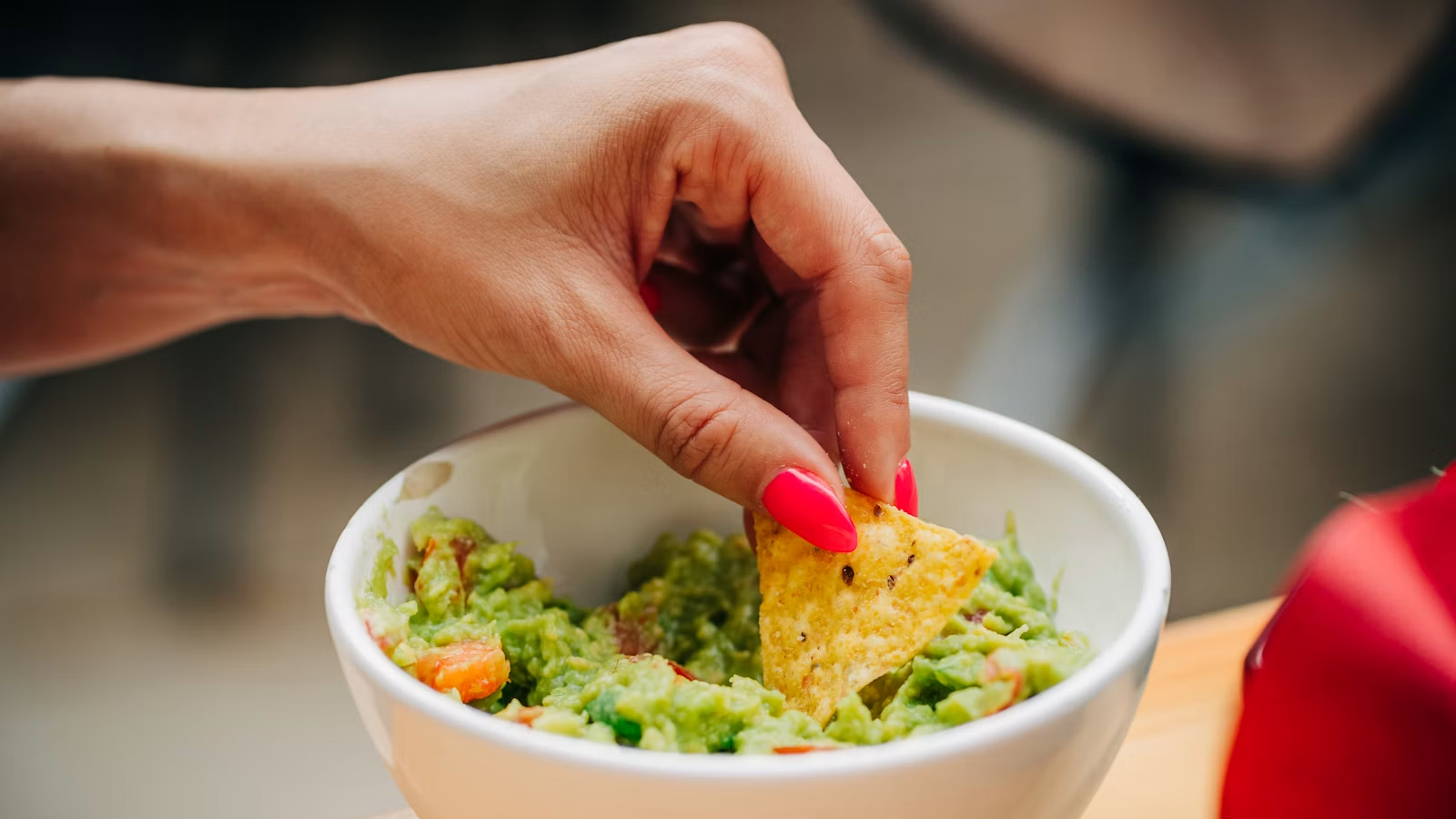
How to keep guacamole green and safe
Browning begins where mashed avocado meets oxygen. Lime helps the flavor, but the most reliable practical step is contact: smooth the surface, press reusable wrap or parchment directly against it, cover the container, and refrigerate. Tastiva’s guide to keeping cut avocados from browning explains why limiting exposed surface area matters. A thin brown layer is harmless and can be stirred in or skimmed off, but the color will never be as pretty as freshly made.
Serve guacamole promptly and return leftovers to a refrigerator at 40°F (4°C) or colder. FoodSafety.gov advises refrigerating perishable foods within two hours, or within one hour when the temperature is above 90°F (32°C). For the nicest flavor and color, I make it the day it will be eaten and finish leftovers the next day. Pair it with vegetables, tacos, or verified gluten-free chips when cross-contact is a concern.
For serving, use a modest bowl and refill it from the refrigerator instead of leaving the whole batch on a warm table. That keeps the texture fresher and gives you a tidy excuse to rescue a little for tomorrow’s eggs or toast.
Guacamole Recipe
The editable recipe card below keeps the ingredient list short and the method deliberate: make the onion-chile paste, add ripe avocado, mash only partway, then season to taste. Read through once before cutting the fruit, because guacamole rewards an organized ten minutes and punishes a long phone call halfway through.
Guacamole Recipe

Ingredients
- 3 ripe Hass avocados
- 2 tablespoons finely minced white onion
- 1 small jalapeño seeded for less heat and finely minced
- 1/4 cup chopped fresh cilantro divided
- 1 tablespoon fresh lime juice plus more to taste
- 1/2 teaspoon kosher salt plus more to taste
Equipment
- 1 Medium mixing bowl
- 1 Dinner fork or molcajete
- 1 Cutting board
- 1 Chef’s knife
Instructions
- Combine the onion, jalapeño, half of the cilantro, and salt in the bowl. Press and smear the mixture with the back of a fork until the onion softens slightly and the herbs release their aroma.
- Halve and pit the avocados. Score the flesh in a crosshatch pattern without cutting through the skin, then scoop it into the bowl.
- Mash about half of the avocado into the flavor base, leaving the remaining pieces chunky. Fold rather than beat so the guacamole stays textured.
- Fold in the lime juice and remaining cilantro. Taste and add more salt, lime, or minced jalapeño only as needed.
- Serve immediately. For storage, press reusable wrap or parchment directly against the surface, cover, and refrigerate promptly.
Nutrition
Video
Notes
- Choose avocados that yield gently near the stem without feeling hollow or mushy.
- For less heat, remove the jalapeño seeds and white ribs; for more heat, leave some in.
- Guacamole is naturally gluten-free, but verify packaged chips and any add-ons if cross-contact matters.
- The nutrition estimate is based on six servings and does not include tortilla chips.
Tried this recipe?
Let us know how it turned out!Sources
- FoodSafety.gov: Salmonella and Food
- USDA FoodData Central
- Associated Press: Guacamole Technique Tips
Hi, I’m Laura, the voice behind Tastiva. I’ve always believed that eating well should feel enjoyable, comforting, and realistic—not like another complicated rule to follow. I love creating recipes that fit into everyday life, sharing simple nutrition ideas, and finding small ways to make meals feel a little better without losing the pleasure of good food.