
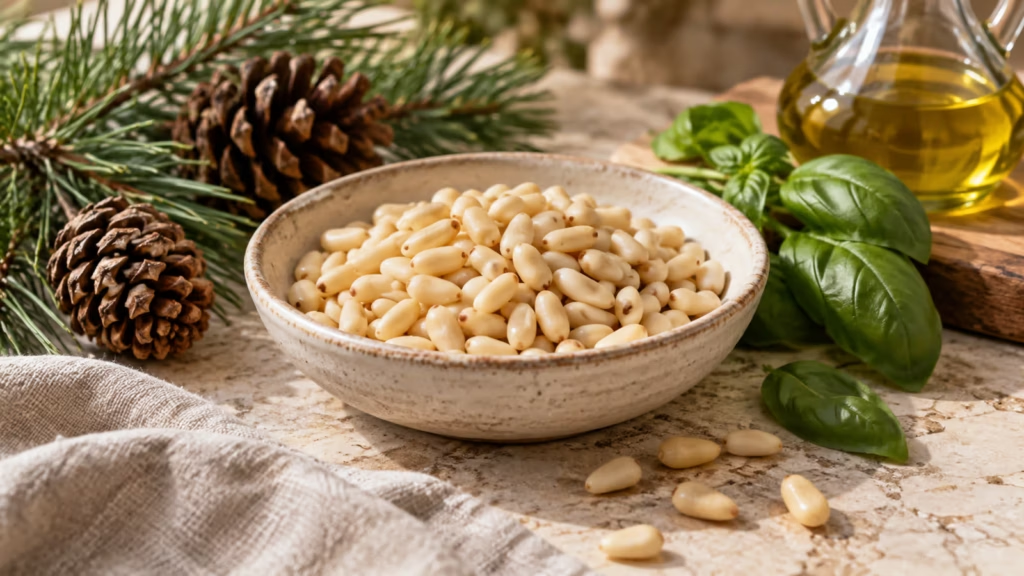
The small cream-colored curve in pesto has an identity problem, but not a biological one. Pine kernels and pine nuts are the same food: edible seeds harvested from the cones of certain pine species. “Kernel” emphasizes the shelled inner seed, while “pine nut” is the common grocery name. They taste buttery and gently resinous, turn golden in minutes, and cost enough that finding a forgotten rancid bag in the cupboard feels personal.
A pine kernel is simply the edible heart we call a pine nut—small in size, rich in flavor, and best treated as a fresh ingredient.
Pine kernel, pine nut, pignoli, and piñon explained
Botanically, these are seeds, not true nuts. In kitchens and allergen conversations, however, they live in the nut-and-seed world. Pignoli is the Italian name you may see in pesto or cookies. Piñon often refers to seeds from pinyon pines of the Americas. Species vary in size, shape, flavor, price, and origin, but “pine kernel” does not identify a separate superfood.
| Name on the package | What it usually means | What to check |
|---|---|---|
| Pine nuts | The everyday U.S. name for edible pine seeds | Fresh smell, origin, price per ounce, and allergen statement. |
| Pine kernels | The shelled inner seed—the same food | Whether they are raw, toasted, salted, or blended. |
| Pignoli | Italian name commonly used in pastries and pesto | It describes the ingredient, not a different nutrition category. |
| Piñon | A term for seeds from certain pinyon pines | Species and regional use can differ. |
Only some pine species produce seeds large enough to harvest commercially, and collecting and shelling them is labor-intensive. That helps explain the price. Long ivory Mediterranean-style kernels, shorter rounder kernels, and other shapes can all be genuine. Country of origin and species may affect flavor, but freshness matters more than an elegant label.
Buy from a shop with good turnover. The kernels should look plump and dry, without mold, dark oily patches, or a dusty appearance. Their aroma should be mild, sweet, and nutty. A paint-like, bitter, sharply stale, or crayon-like smell suggests oxidized fat, and no amount of basil can hide it.
Nutrition: rich food, small portion
USDA data put an ounce (28 grams) of dried pine nuts at roughly 190 calories, 19 grams of fat, nearly 4 grams of protein, and about 4 grams of carbohydrate. Most of the fat is unsaturated. Pine nuts also contribute magnesium, phosphorus, manganese, vitamin E, and other micronutrients, although exact values vary by species and product.
That combination makes them nutrient-dense and energy-dense at the same time. A small handful can enrich a grain bowl or salad; a distracted handful beside the stove can quietly become several servings. There is nothing wrong with their calories, but “healthy fat” still counts as substantial energy. Portion them according to hunger and the rest of the meal, not fear or a halo.
- One-ounce reference: about 190 calories, 19 g fat, and 4 g protein.
- Main culinary strength: richness and aroma in a small volume.
- Balanced pairing: vegetables, whole grains, beans, fish, yogurt, or fruit.
- Budget strategy: use a tablespoon as a finishing ingredient instead of hiding a cup in a heavy dish.
How to toast and use them without losing their character
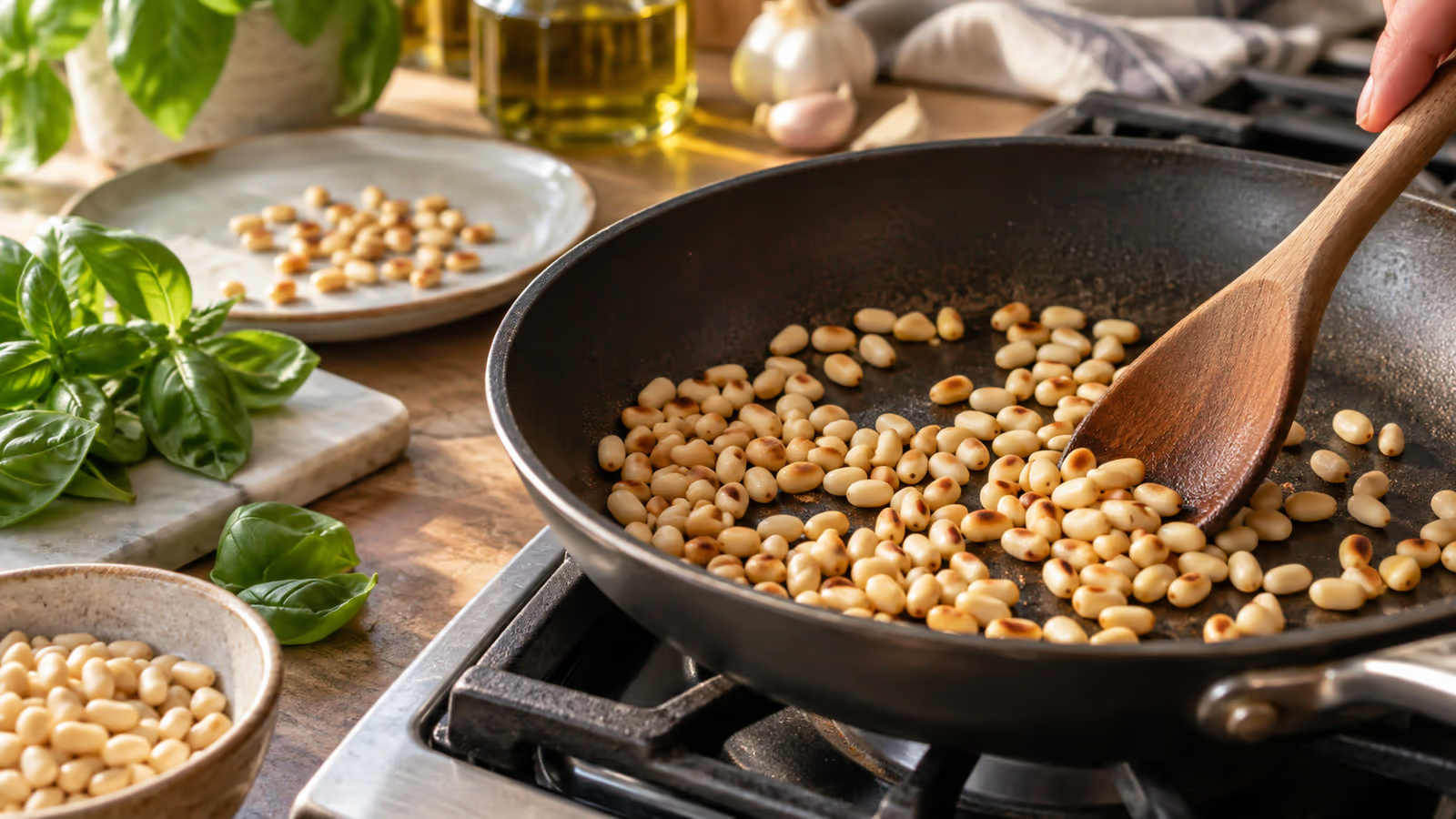
Toast pine nuts in a dry skillet over low to medium-low heat, stirring or shaking almost constantly. Pull them when they are fragrant and pale gold; they continue browning from residual heat. The distance between toasted and burned is approximately one incoming text message. Spread them on a cool plate instead of leaving them in the hot pan.
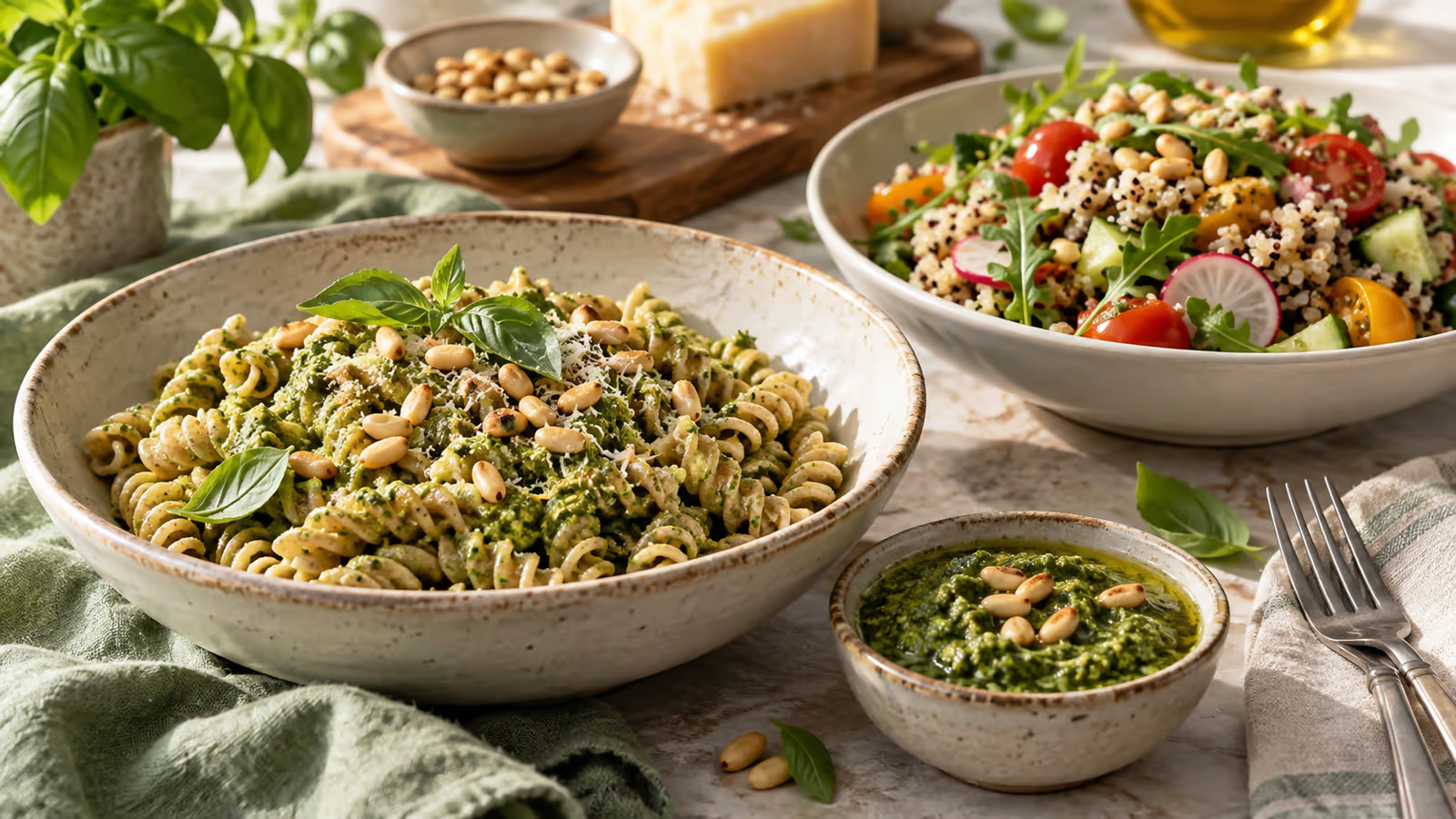
Pesto is the classic: basil, pine nuts, garlic, hard cheese, and olive oil. Their creamy fat also works in lemony grain salads, sautéed greens, stuffed vegetables, pilaf, pasta, yogurt, and baked goods. Sprinkle them late so their texture stays distinct. If a recipe needs a substitute, walnuts, almonds, pistachios, sunflower seeds, or pumpkin seeds can work, but the flavor will change.
For pesto, choose an oil you enjoy because it carries nearly every aroma. Our guide to olive oil covers the label basics. When serving someone with an allergy, do not assume a seed-shaped ingredient is safe; use a verified alternative and prevent cross-contact.
Allergy, bitter aftertaste, and smart storage
Pine nut allergy is uncommon but can be severe, including anaphylaxis. Published reviews describe reactions in people who tolerate other nuts as well as those with broader nut allergy. Anyone with a diagnosed allergy needs individualized advice, careful labels, and an emergency plan. Trouble breathing, throat tightness, faintness, or rapidly spreading symptoms requires emergency help.
A delayed metallic or bitter taste lasting days after eating certain pine nuts is often called “pine mouth.” It has been reported with particular products and species, but the mechanism is not fully settled. It is different from immediate allergy symptoms. Stop eating the product, keep the package information, and seek medical advice if symptoms are severe, persistent, or accompanied by swelling, breathing trouble, vomiting, or weakness.
Because pine nuts are high in delicate oils, storage is where good bags go wrong. Keep a small amount tightly sealed in the refrigerator and freeze extras for longer storage; label the date and protect them from moisture and strong odors. Taste one before adding the entire bag to dinner. Pine kernels deserve that tiny pause: they are the same lovely seed as pine nuts, and freshness is what makes them taste worth the name.
Sources
- USDA FoodData Central
- PubMed: Allergic Reactions to Pine Nut—A Review
- National Library of Medicine: Current Perspectives on Tree Nut Allergy
- U.S. Food and Drug Administration: Food Allergies

Hi, I’m Laura, the voice behind Tastiva. I’ve always believed that eating well should feel enjoyable, comforting, and realistic—not like another complicated rule to follow. I love creating recipes that fit into everyday life, sharing simple nutrition ideas, and finding small ways to make meals feel a little better without losing the pleasure of good food.