
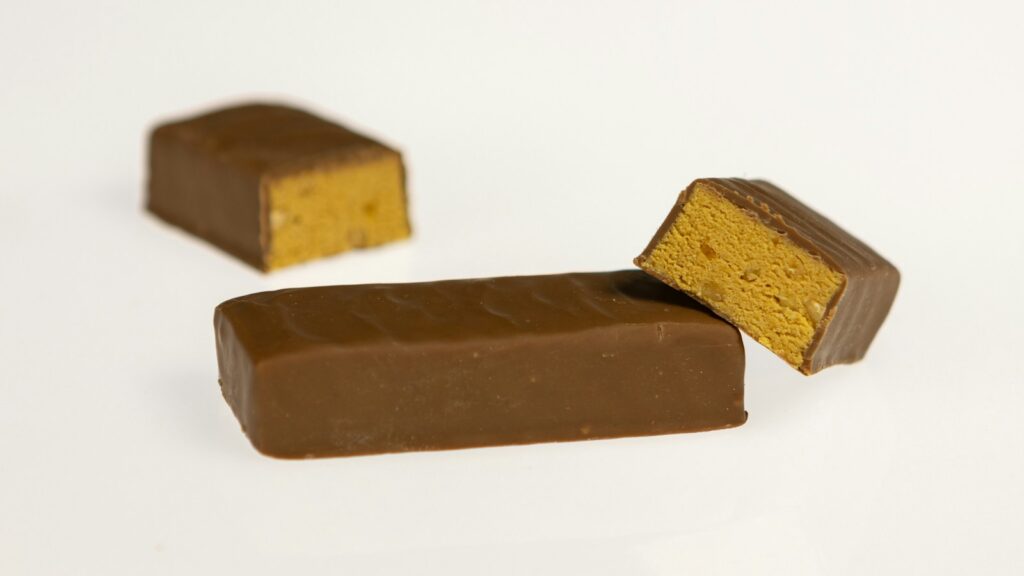
A protein bar can be useful when lunch is delayed or you need something easy to pack. Plant-based protein bars get their protein from ingredients such as nuts, seeds, soy, peas, or rice, but the label still needs a closer look. Protein amount, portion size, allergens, flavor, and digestive comfort vary enough that the biggest number isn't the whole decision.
Choose the bar for the job it needs to do, then check whether its ingredients and portion fit that job.
What plant-based protein bars can contribute
Some bars use mostly nuts and seeds; others include concentrated plant proteins to provide more protein in a small package. Those approaches can produce different textures and nutrient profiles. A dense, chewy bar and a crisp, coated one may both be useful, but the word plant-based doesn't tell you which you'll enjoy.
Start by deciding whether you're buying a snack, a convenient addition to breakfast, or food for a particular activity. A single bar shouldn't be assumed to replace a balanced meal just because it has protein. For a broader view of your needs, see how much protein you need each day.
| Your priority | Check first | A practical question |
|---|---|---|
| A portable snack | Portion, taste, and keeping instructions | Will this work in the place I plan to carry it? |
| More protein with breakfast | Protein per bar and the rest of breakfast | What does the whole meal contribute? |
| Avoiding an allergen | Ingredients and allergen information | Is this particular flavor suitable? |
| Digestive comfort | Added fibers, sweeteners, and serving size | Have these ingredients suited me before? |
| Value | Price per bar and package count | Will I actually finish the box? |
I would buy one or a small assortment before ordering a large box. Texture matters more than marketing when you're several bites into a dense bar, and an unwanted multipack isn't a bargain. You don't need to discover your preference at subscription-box scale.
Compare labels using the same basis
When comparing plant-based protein bars, look at the entire bar's serving information, then check its weight. A smaller bar may have fewer calories and less protein simply because it's a smaller portion. If you compare protein per 100 grams, label that calculation clearly; for a real snack decision, the amount in the bar you'll actually eat remains useful.
One current example is ALOHA's Peanut Butter Chocolate Chip protein bar, whose product page lists 14 grams of protein, 10 grams of fiber, 5 grams of sugar, and 240 calories per bar. Its protein blend includes brown rice and pumpkin seed proteins. This is a label example, not a taste test or a ranking of the category.
- Protein: Read grams per serving rather than treating the word protein as a fixed amount.
- Fiber: Check the amount and ingredients, particularly when several high-fiber products appear in the same day.
- Sugars and sweeteners: Read both the nutrition panel and ingredient list; low sugar doesn't describe the whole formula.
- Fat and sodium: These still belong in the comparison, especially when bars become a frequent purchase.
- Package directions: Follow storage guidance, including any advice about heat or refrigeration.
For plant-based protein bars, current packaging takes priority over an article or retailer listing when formulas change. For that reason, compare the exact flavor and size you intend to buy. A brand can sell several bars with different ingredients, so suitability doesn't automatically transfer from one wrapper to another.
Plant-based doesn't answer every allergy question
Plant ingredients include major allergens such as peanuts, tree nuts, soy, wheat, and sesame. Some products may also have relevant shared-facility or shared-equipment information. If you avoid an allergen, read the ingredient and allergen statements on the exact bar and contact the manufacturer when the information leaves uncertainty.
The ALOHA example lists peanuts and states that its facility also processes several other allergens, including milk and wheat. That illustrates why a plant-based description and allergy information serve different purposes. Vegan preferences, milk allergy, lactose intolerance, and celiac disease each require the appropriate check rather than one blanket assumption.
- Don't assume chocolate coatings or other flavor additions have the same ingredients across an entire range.
- For gluten avoidance, look for suitable gluten-free labeling instead of relying on a plant-based claim.
- For a strict vegan preference, check all ingredients and the manufacturer's vegan information.
- Keep the wrapper when packing food for someone else, so they can read the information themselves.
Our legumes guide offers context for foods such as soybeans and peas. Familiarity can make an ingredient list less mysterious, but it doesn't replace reading that list when an allergy or other restriction is involved.
Fit the bar into a routine you can sustain
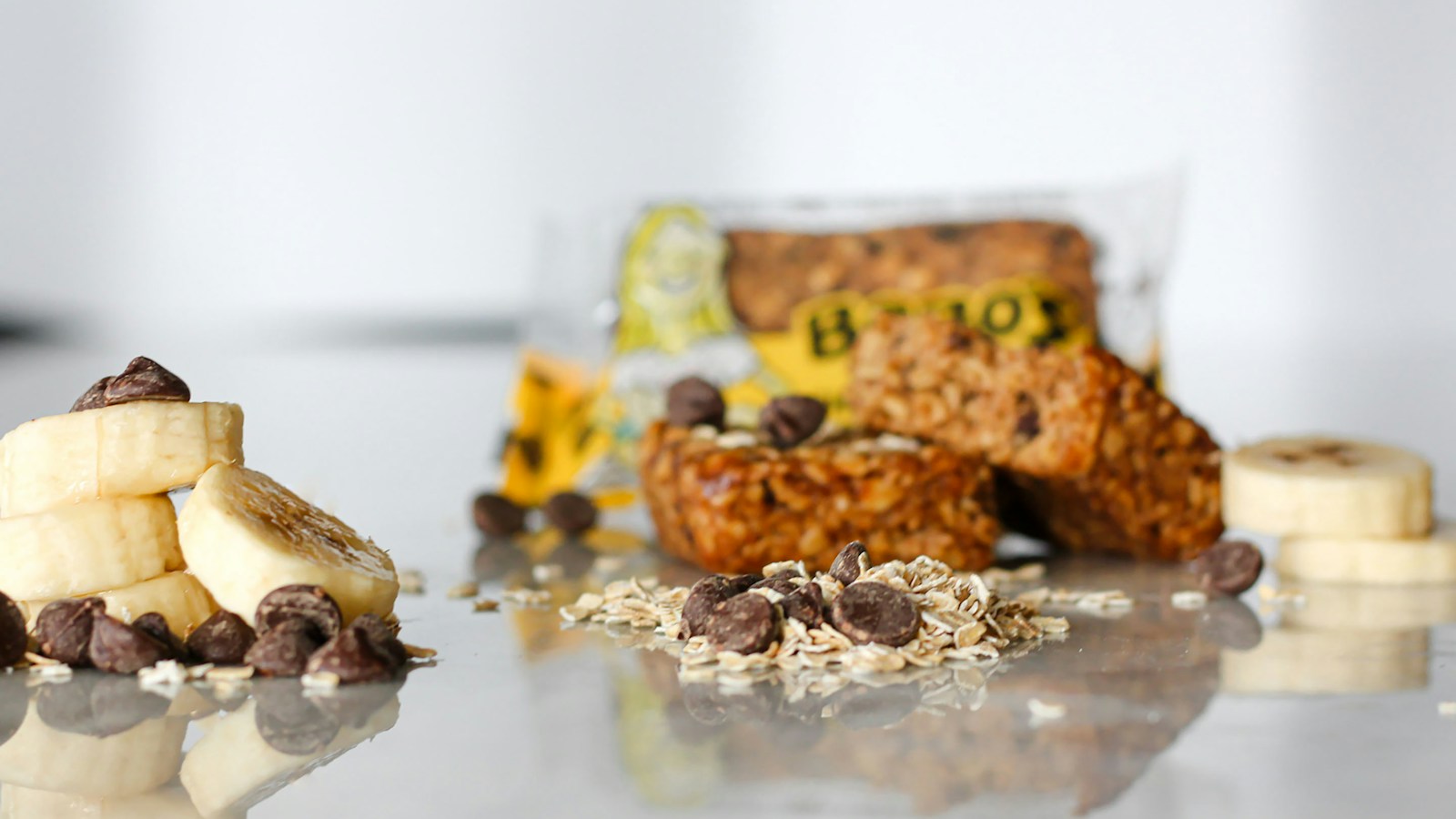
Convenience is a legitimate reason to buy a bar. It can be easy to keep at work or pack for a trip when the product's storage instructions allow. On days when you have other options, foods such as beans, nuts, seeds, tofu, or a suitable yogurt can also contribute protein without needing a wrapper that advertises it.
If a bar causes discomfort, consider its portion and specific ingredients rather than deciding all plant-based protein bars are the problem. Some sweeteners can cause gas or diarrhea, and tolerance varies. Try a different formulation only if you want to; there's no nutritional obligation to find a bar you can force yourself to like.
For a delayed meal, pair the bar with other available food according to your appetite and needs instead of treating it as automatically complete. Fruit, a suitable drink, or part of a packed lunch may make the stopgap more useful. My preference is to give the bar a clear role: convenient food for a particular moment, with no extra health promises required.
Sources
- ALOHA: Peanut Butter Chocolate Chip Protein Bar Label
- FDA: Understanding the Nutrition Facts Label
- Harvard Nutrition Source: Protein
- Mayo Clinic: Sugar Substitutes and Digestive Effects

Hi, I’m Laura, the voice behind Tastiva. I’ve always believed that eating well should feel enjoyable, comforting, and realistic—not like another complicated rule to follow. I love creating recipes that fit into everyday life, sharing simple nutrition ideas, and finding small ways to make meals feel a little better without losing the pleasure of good food.