
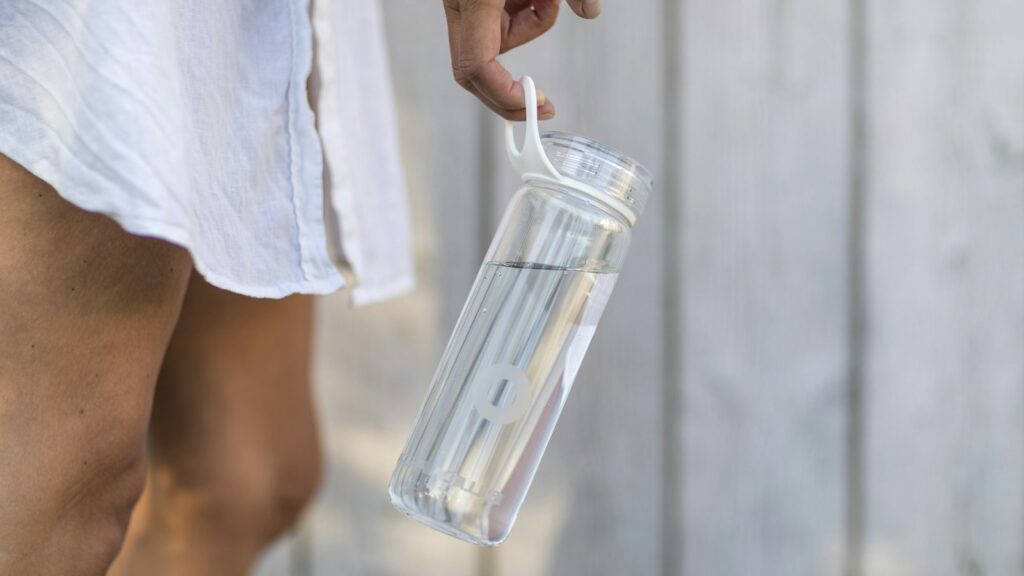
A clear, fruit-flavored protein drink can be appealing when a thick shake doesn't sound good. Protein water is water with added protein, usually along with flavorings and other ingredients. It can be a convenient way to add protein, but the amount, protein source, sweeteners, and extras vary enough that the bottle deserves the same attention as any other packaged food.
Decide whether you need a drink, more protein, or both before paying for a bottle designed to combine them.
What protein water can contain
Some products use whey protein, which comes from milk, while others use collagen or different protein sources and blends. Protein2o, for example, describes its drinks as combining whey protein and hydration. That illustrates one type of product; it doesn't establish the ingredients or nutrient amounts in every bottle sold under the broader protein-water label.
Clear appearance doesn't mean dairy-free. A whey-based drink still contains milk protein even if it looks more like flavored water than a shake. If you avoid milk because of an allergy, the protein source is essential information. A lactose-free claim addresses a different issue and doesn't establish the absence of milk protein.
| Label detail | What it helps you decide | What not to assume |
|---|---|---|
| Protein source | Whether the formulation fits your needs | Every clear drink is plant-based |
| Protein per serving | How much the bottle contributes | All products provide the same amount |
| Sweeteners and sugars | Whether the flavoring suits you | Clear means unsweetened |
| Caffeine or other additions | Whether you want those extras | Every protein drink is stimulant-free |
| Storage instructions | How to keep and use it safely | All bottles can be stored the same way after opening |
I would read those details before judging the design of the bottle. A simple-looking drink can have a fairly specific formula, and that formula matters more than whether the liquid is clear, colorful, fizzy, or still.
Protein type matters alongside the grams
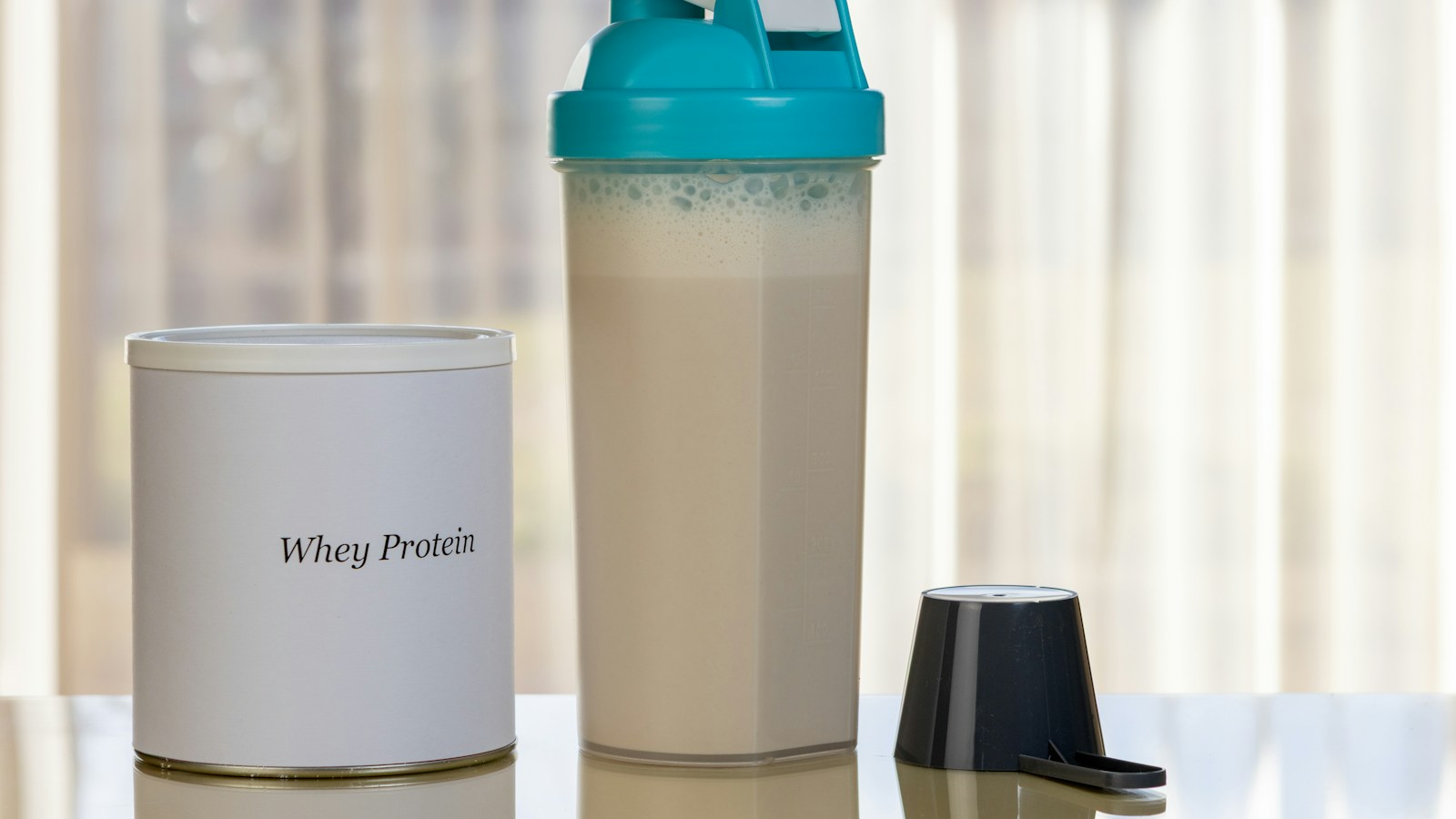
Protein supplies amino acids, including essential amino acids that must come from the diet. The NIH notes that whey is a complete protein, meaning it supplies all nine essential amino acids. Collagen has a different amino-acid profile, so a collagen drink and a whey drink shouldn't be treated as nutritionally identical merely because their labels show the same number of protein grams.
For overall intake, consider the protein already supplied by meals and snacks. A drink may help fill a practical gap, but adding it automatically doesn't answer whether you needed it. Our daily protein guide gives the broader context, while whey isolate versus whey protein explains a common ingredient distinction.
- Read the amount per actual serving and check how many servings the bottle contains.
- For a powder, use the specified scoop or weight; adding more water changes concentration, not the amount of protein in that measured powder.
- Don't assume a lower-calorie protein drink supplies the carbohydrate, fat, fiber, or variety of a complete meal.
- If you have a prescribed protein or fluid limit, count the drink within that plan and discuss additions with your care team.
For an illustrative comparison, a bottle providing 15 grams of protein contributes the same labeled gram amount as another food providing 15 grams, but that doesn't make the two foods identical. Their protein sources, other nutrients, portion sizes, and practical uses can still differ.
When the convenience may be worth it

A protein water may suit someone who wants a portable drink and prefers a light, fruit-style flavor to a creamy shake. It may also be handy when a suitable snack isn't available. Those are useful convenience reasons, but they don't demonstrate better hydration, faster muscle gain, or improved recovery from the product category alone.
For exercise, the wider picture includes total food intake, training, fluids, and any specific fueling needs. The NIH emphasizes both protein quality and quantity in athletic nutrition. A protein drink with little carbohydrate isn't automatically a replacement for the carbohydrate needed during some longer or more demanding activity.
- Try a single bottle before buying a case if the flavor, sweetness, or texture is new to you.
- Compare its cost and convenience with a suitable food and ordinary drinking water.
- Check whether the bottle contains added caffeine if you're choosing it late in the day.
- Look at sodium and other electrolyte amounts only in relation to your actual needs, rather than treating added electrolytes as a universal bonus.
- Keep a drink in its original packaging when carrying it for someone else, so ingredient and allergen information stays available.
When deciding whether protein water is worth buying, I would identify the problem first. If the problem is thirst, water may solve it. If the problem is a missed meal, a protein-only drink may leave other needs unmet. If the problem is carrying an enjoyable protein option, the convenience may earn its place.
Keep expectations and handling straightforward
Read current ingredients each time you switch flavors or brands, especially when allergies, sweeteners, or caffeine matter. Some sweeteners can cause digestive discomfort in some people, and a new drink may suit you differently from your usual food. You don't need to continue using it because the protein number looks impressive.
Follow the bottle's directions before and after opening. Refrigerate when instructed, use a clean container if mixing a powder, and don't assume an opened protein drink can sit warm as casually as plain water. Its ingredients and processing determine the appropriate handling, not the word water in the name.
Protein water is an optional packaged food, not a required step in eating well. Choose it when its specific ingredients, flavor, and convenience help you, and keep ordinary protein-containing foods in the picture. That makes the purchase easier to assess without asking one bottle to stand in for an entire nutrition plan.
Sources
- Protein2o: Product Overview
- NIH Office of Dietary Supplements: Exercise and Athletic Performance
- Harvard Nutrition Source: Collagen
- Mayo Clinic: Sugar Substitutes and Digestive Effects

Hi, I’m Laura, the voice behind Tastiva. I’ve always believed that eating well should feel enjoyable, comforting, and realistic—not like another complicated rule to follow. I love creating recipes that fit into everyday life, sharing simple nutrition ideas, and finding small ways to make meals feel a little better without losing the pleasure of good food.