

Protein powder can turn waffle batter from promising to bouncy in the time it takes the iron to heat. These protein waffles take a gentler route: oats for structure, cottage cheese for moisture and protein, eggs for lift and setting, and no scoop of powder required.

A balanced batter makes a better protein waffle than replacing most of the flour with protein powder.
What makes these protein waffles work
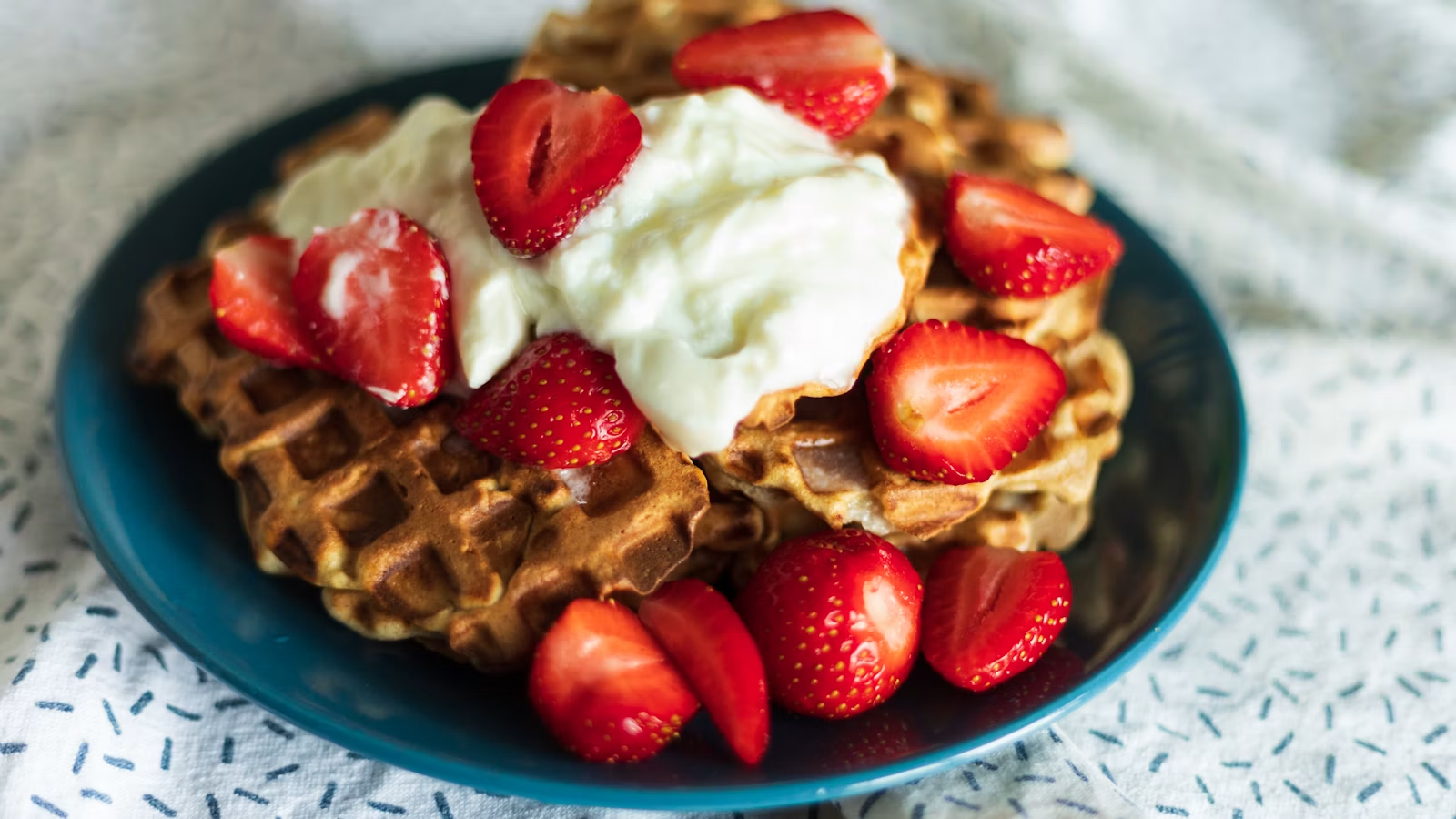
Rolled oats blend into a coarse flour that gives the waffles body and enough starch to crisp. Cottage cheese contributes protein and moisture; once blended, the curds disappear into the batter. Eggs bind and lift, while baking powder adds the air that a heavy oat batter needs.
The recipe makes four large waffles at roughly 18 grams of protein each, based on standard ingredient data. Waffle irons vary so much that yield is more honest than promising an exact number of squares. A smaller iron may produce six or eight waffles, but the total batch nutrition remains the same.
This is a higher-protein breakfast, not a prescription. If you are deciding how it fits your day, Tastiva’s guide to daily protein needs offers context beyond a single meal.
Ingredient choices and substitutions
Old-fashioned rolled oats give the most predictable batter. Quick oats also work but absorb faster, so the batter may need a splash of milk. Use small-curd cottage cheese in any fat level you enjoy; nonfat versions can cook slightly drier, while full-fat versions brown more readily.
Dairy-free cottage-cheese alternatives vary too widely to promise a direct swap. Greek yogurt can replace the cottage cheese by volume, but the batter will be tangier and may need less milk. For gluten-free waffles, choose oats specifically labeled gluten-free because ordinary oats can pick up gluten during growing or processing.
- No protein powder: keeps the texture tender and the flavor neutral.
- Optional cinnamon: adds warmth without extra sweetness.
- Optional vanilla: useful for sweet toppings; omit it for savory waffles.
- Milk adjustment: add one tablespoon at a time only if the blender stalls.
Cottage cheese brands vary in moisture and sodium, so the batter may not look identical every time. Let the five-minute rest happen before judging consistency; the oats continue absorbing liquid, and an early correction can leave the final batter unnecessarily thin.
How to keep protein waffles crisp
Preheat the waffle iron fully. A lukewarm iron sets the outside slowly, allowing steam to soften the surface before browning begins. Lightly grease the plates even if they are nonstick, then add only enough batter to fill the grid without forcing it out the sides.
Let the iron do its work. Opening early tears the waffle and releases steam before the crust sets. When the steam slows substantially and the waffle releases easily, move it to a wire rack. Stacking hot waffles on a plate traps moisture and softens every crisp edge.
- Blend the batter until smooth, then rest it for 5 minutes.
- Thin only if it becomes too thick to pour.
- Cook until the steam slows and the waffle is deep golden.
- Hold finished waffles on a rack in a 200°F (95°C) oven.
If your first waffle is dense, add a tablespoon of milk. If it is soft and floppy, cook the next one longer before changing the batter. One adjustment at a time keeps breakfast from becoming an edible science fair.
Toppings, freezing, and reheating
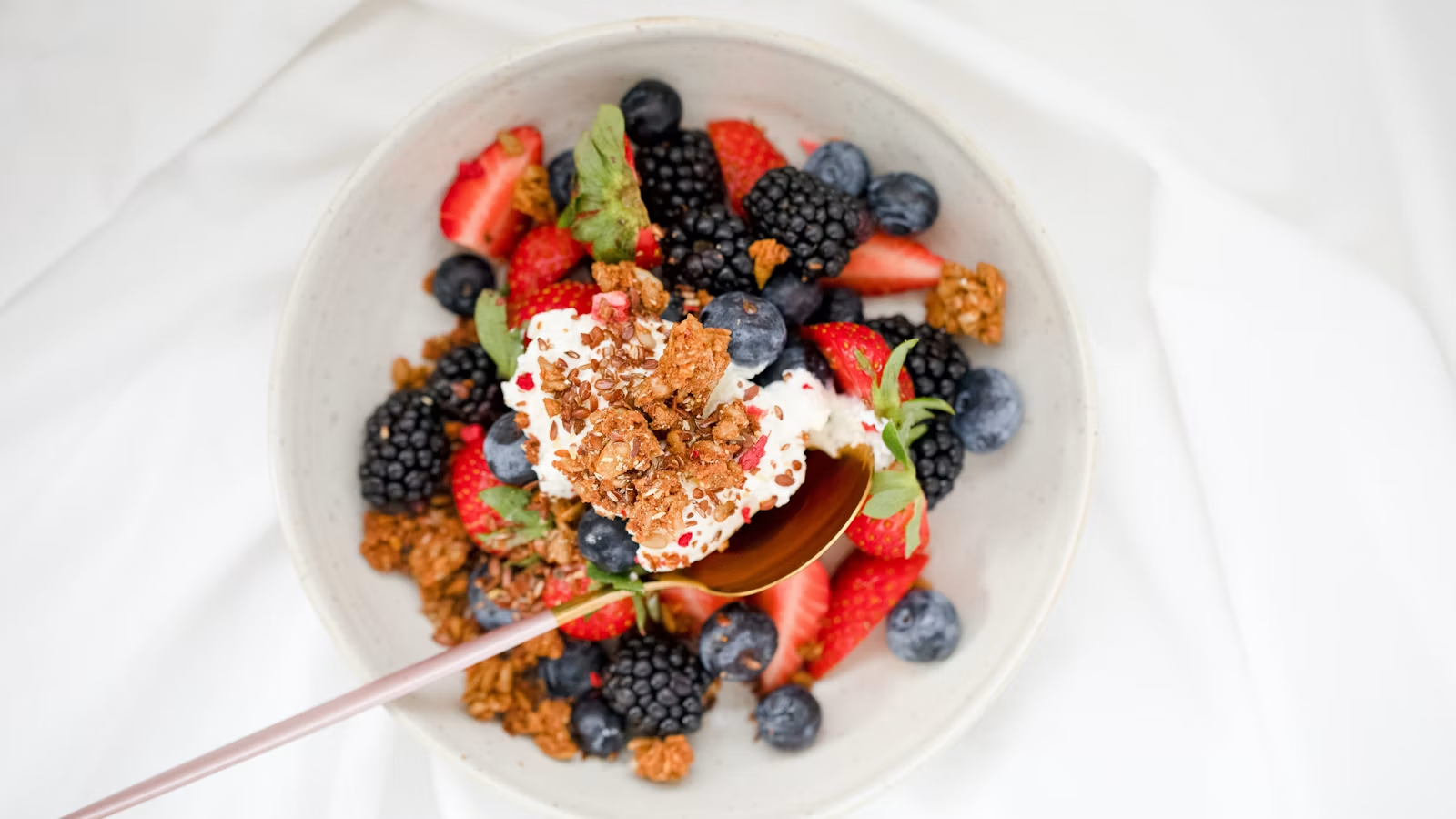
Fresh berries and plain yogurt reinforce the tangy, creamy direction. Peanut butter or chopped nuts add richness, while sliced banana adds sweetness without syrup. For a savory plate, skip vanilla and cinnamon, then top with an egg and tomatoes.
Cool extra waffles completely on a rack, freeze them in a single layer, then transfer to a sealed bag. Reheat directly from frozen in a toaster or toaster oven until hot and crisp. Microwaving is fast, but it leaves the surface soft.
Because the batter contains eggs and dairy, refrigerate unused batter promptly and cook it within a short, safe window. For best texture, I would cook the whole batch and freeze the waffles rather than storing raw batter.
Oat and cottage cheese protein waffles recipe
The editable card contains the complete blender method. Estimated nutrition is for one-quarter of the batch, before toppings, using standard USDA ingredient data.
Protein Waffles Recipe

Ingredients
- 2 cups old-fashioned rolled oats use certified gluten-free if needed
- 1 cup small-curd cottage cheese 2% or full-fat
- 3 large eggs
- 1/2 cup 2% milk plus more only if needed
- 2 teaspoons baking powder
- 1 teaspoon vanilla extract optional
- 1/2 teaspoon ground cinnamon optional
- 1/4 teaspoon fine salt
- neutral oil or cooking spray for the waffle iron
Instructions
- Preheat the waffle iron thoroughly according to the manufacturer’s directions.
- Add the oats to a blender and blend until they resemble coarse flour. Add the cottage cheese, eggs, milk, baking powder, vanilla, cinnamon, and salt.
- Blend just until smooth, scraping down the sides if needed. Rest the batter for 5 minutes; add milk one tablespoon at a time only if it is too thick to pour.
- Lightly grease the hot waffle iron. Add the amount of batter recommended for your machine and cook until deep golden, the steam has slowed, and the waffle releases easily.
- Transfer each waffle to a wire rack. Serve immediately or keep warm on the rack in a 200°F (95°C) oven while finishing the batch.
Nutrition
Video
Notes
- Yield varies with waffle-iron size; nutrition is one-quarter of the full batch.
- Do not stack hot waffles, or trapped steam will soften them.
- Nutrition is an estimate from standard USDA ingredient data and excludes toppings.
Tried this recipe?
Let us know how it turned out!Sources
These references support the preparation, ingredient, nutrition, and food-safety details in this article.
Hi, I’m Laura, the voice behind Tastiva. I’ve always believed that eating well should feel enjoyable, comforting, and realistic—not like another complicated rule to follow. I love creating recipes that fit into everyday life, sharing simple nutrition ideas, and finding small ways to make meals feel a little better without losing the pleasure of good food.