
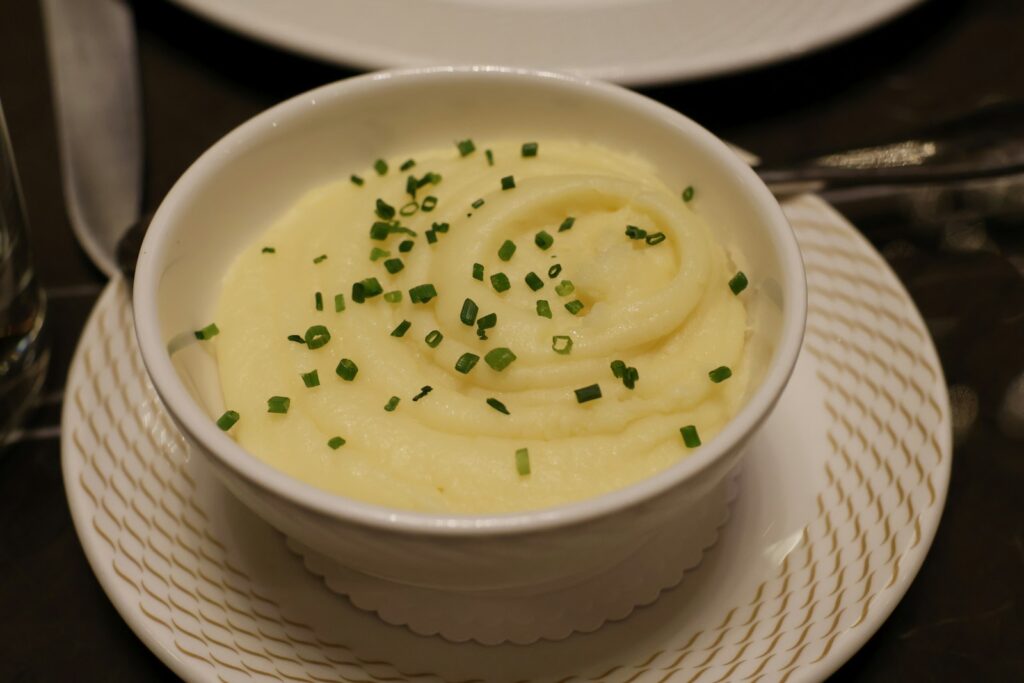
What to eat after wisdom teeth removal comes down to three things: choose food that is soft, mild, and cool or lukewarm; take small bites; and follow the instructions from your own dentist or oral surgeon. Smooth yogurt, applesauce, pudding, mashed potatoes, and blended soup are sensible early choices. As chewing becomes comfortable, move toward soft eggs, tender fish, well-cooked pasta, avocado, and mashed beans.
Your surgeon’s discharge sheet comes first; this guide is the calm, practical grocery list that sits beside it.
Recovery is individual. The number of teeth removed, the type of anesthesia, stitches, swelling, and your clinician’s plan all affect when you can eat and what feels comfortable. If you were told not to eat or drink for a period after sedation, wait for that clearance. While your mouth is numb, be especially careful not to bite your cheek or tongue or burn yourself with hot food.
What to eat during the first 24 hours
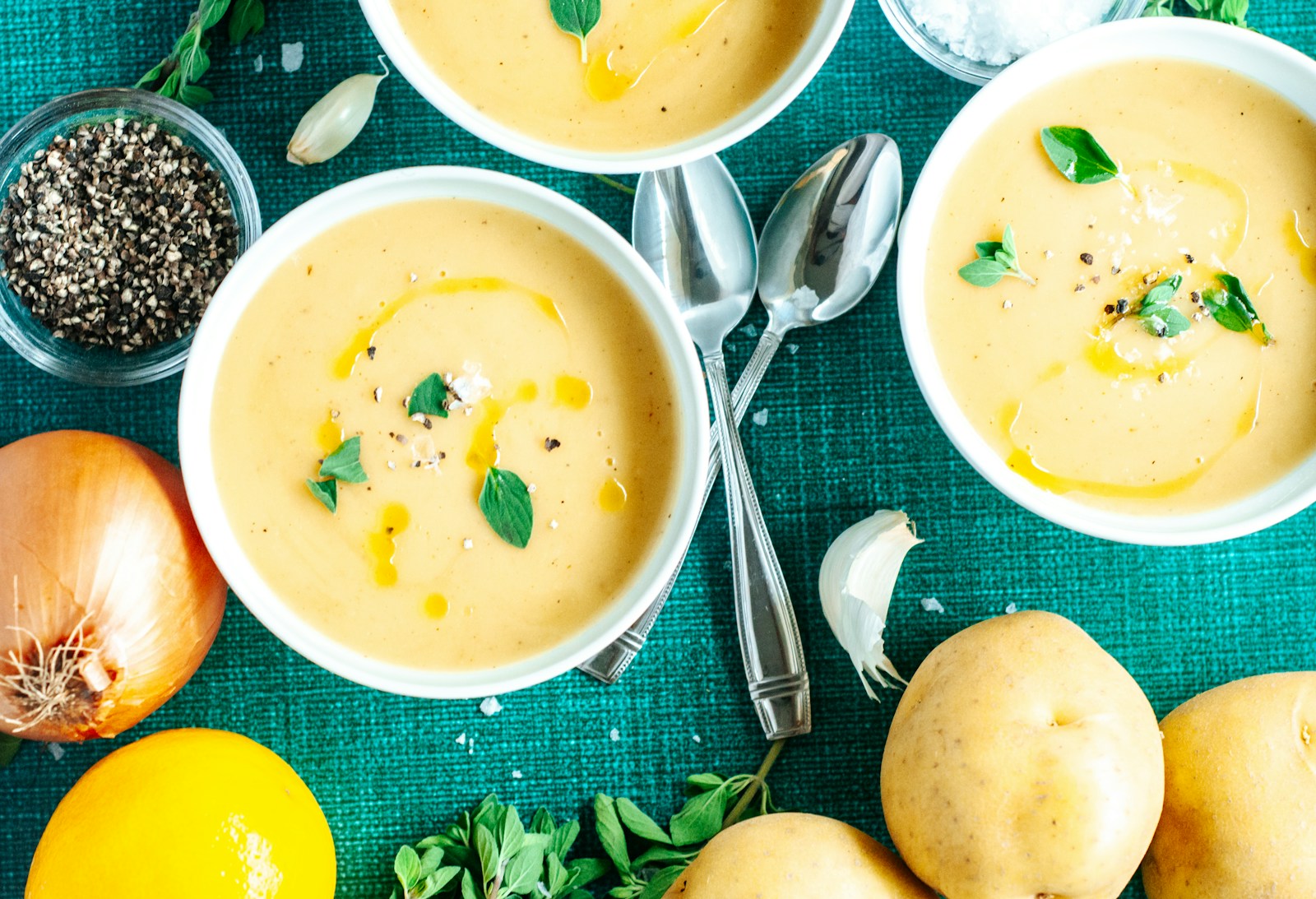
Once your clinician says eating and drinking are okay, begin with water from a cup and foods that need little or no chewing. Good options include plain yogurt without seeds or crunchy toppings, applesauce, smooth pudding or custard, mashed banana, very smooth mashed potatoes, and broth or puréed soup that has cooled to lukewarm. A smoothie can work if it is completely smooth and you drink it from a cup or eat it with a spoon—never through a straw unless your surgeon specifically says otherwise.
My easiest texture test is simple: could you flatten the food with the back of a fork, and is it free of hard bits? That keeps the first menu focused on comfort rather than novelty. Small portions are useful because you can eat slowly, notice how your mouth responds, and stop before fatigue turns dinner into a chore.
Try to make those soft choices count. Greek yogurt, smooth cottage cheese if tolerated, silken tofu, and milk-based pudding can add protein; mashed fruit or vegetables can add variety. Sip fluids regularly rather than gulping. Nutrition does not need to be perfect on day one, but a cupboard containing only ice cream gets tiring quickly.
How to add texture as your mouth allows
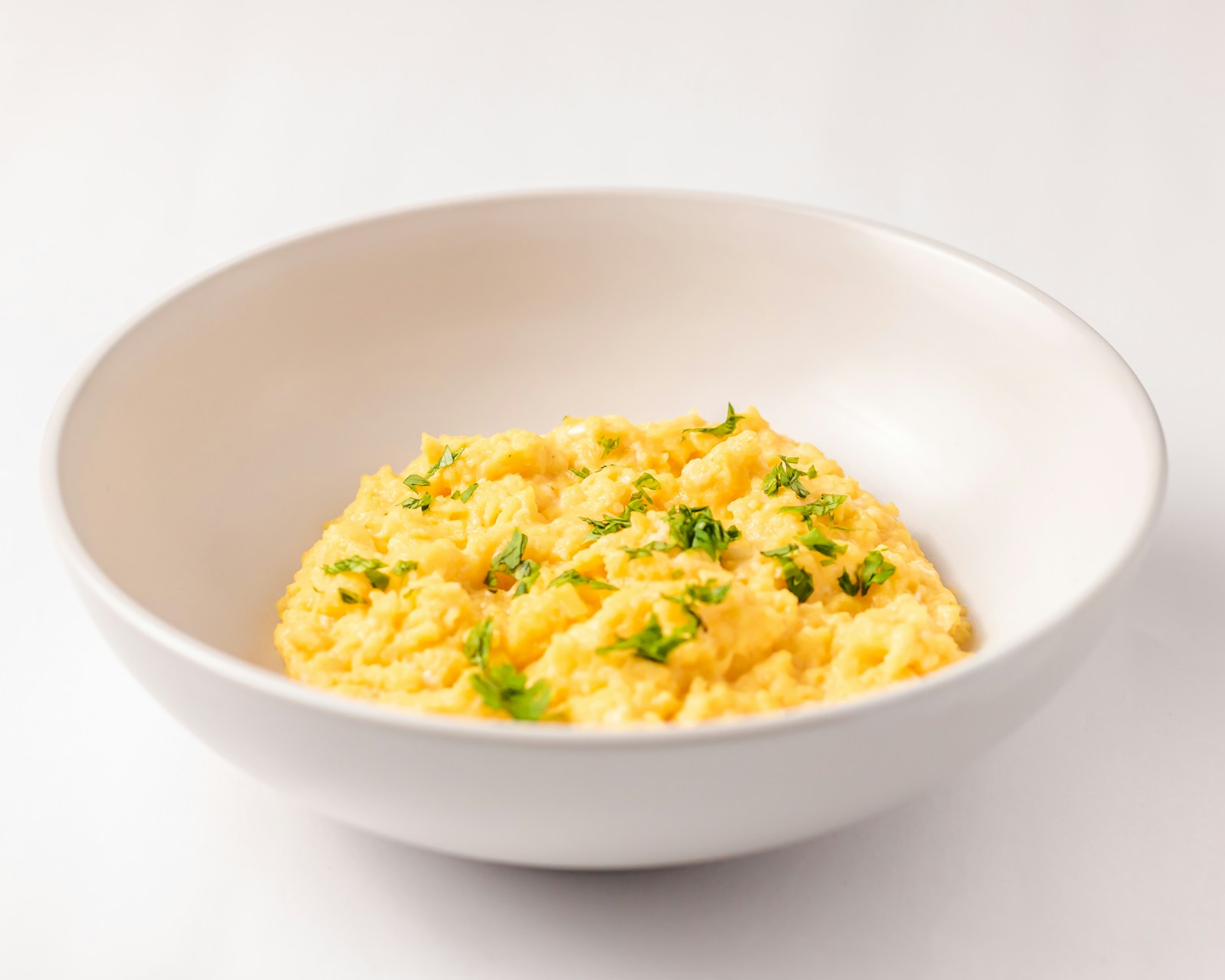
There is no universal day when everyone should return to a normal diet. The NHS advises soft or liquid food until chewing is more comfortable, so let comfort and your surgeon’s directions—not a social-media countdown—set the pace. When the earliest choices feel easy, try softly scrambled eggs, ricotta, mashed avocado, hummus without coarse garnish, flaky fish, soft tofu, well-cooked noodles, or tender vegetables mashed with a fork.
Protein-rich foods can make a small, soft meal more satisfying. If eggs are on your list, our guide to how much protein is in an egg adds useful context without turning recovery into a nutrition math exercise. A gentle plate might be soft scrambled egg with mashed avocado; another could be smooth lentil purée thinned with broth.
Add one texture at a time and chew away from the surgical area when your clinician permits it. Food should not require force, pull at the wound, or break into sharp crumbs. I think of this as a dimmer switch, not an on-off button: puréed becomes mashed, mashed becomes fork-tender, and ordinary food returns only when it feels uneventful.
Foods and habits to avoid while the socket heals
Protecting the blood clot over the extraction site matters because it helps the wound heal. Avoid straws and other forceful suction, and do not swish or spit aggressively. Cleveland Clinic notes that straw use can dislodge the clot and increase the risk of dry socket. Drink directly from a cup and follow the exact mouth-rinsing schedule on your discharge instructions.
Keep these off the early menu unless your dentist or surgeon clears them:
- Hard or crunchy foods, including chips, crusty bread, popcorn, and raw vegetables
- Nuts, seeds, granola, and other small pieces that can lodge in the wound
- Sticky or very chewy foods, such as caramels and tough meat
- Very hot food or drinks, which can burn a numb mouth and may increase bleeding risk
- Spicy or sharply acidic foods if they sting the surgical area
- Alcohol and smoking; both are commonly restricted after oral surgery
Rice, seeded berries, and grainy foods may look soft but can leave small particles behind, so they are not my first picks. The goal is not to build the most impressive “soft food” menu. It is to reduce chewing and irritation while still giving yourself enough fluid and food to get through the day.
When to call your dentist or oral surgeon
Some soreness, swelling, bruising, and jaw stiffness can occur after wisdom tooth removal, and the NHS says these should generally begin improving after the first day or two. Call the dental team that treated you if bleeding will not stop, pain or swelling is severe or getting worse, prescribed or recommended pain relief is not helping, or you have pain with a bad taste, fever, or feel unwell. Seek emergency help for trouble breathing or swallowing.
Sudden, intense, or worsening pain a few days after extraction can be a sign of dry socket or another complication, but a food guide cannot diagnose it. Do not try to pack the socket with kitchen remedies or simply wait it out. Your dentist or oral surgeon can examine the area and tell you what care is appropriate.
For ordinary recovery, keep the plan pleasantly boring: mild food, soft texture, small bites, cup sips, and gradual progress. That may not be an exciting answer to what to eat after wisdom teeth removal, but it is the answer most likely to feel manageable when your jaw is tired and the fridge door is open.
Sources
- NHS: Wisdom Tooth Removal
- American Dental Association MouthHealthy: Wisdom Teeth
- Cleveland Clinic: Impacted Wisdom Teeth—Removal and Recovery
- Mayo Clinic: Impacted Wisdom Teeth

Hi, I’m Laura, the voice behind Tastiva. I’ve always believed that eating well should feel enjoyable, comforting, and realistic—not like another complicated rule to follow. I love creating recipes that fit into everyday life, sharing simple nutrition ideas, and finding small ways to make meals feel a little better without losing the pleasure of good food.