
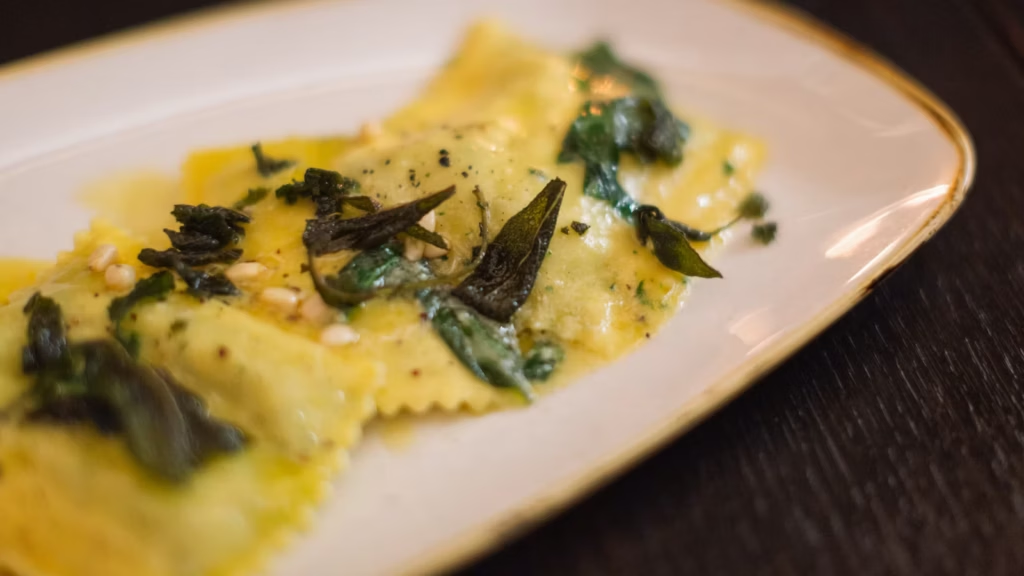
Ravioli are little pasta parcels with a generous secret: two thin sheets of dough, or one folded sheet, sealed around cheese, meat, seafood, vegetables, or herbs. The plural is ravioli; one piece is a raviolo, although announcing that at dinner may earn you either admiration or a very slow blink. What matters more is balance. Good ravioli have enough filling to taste abundant, dough thin enough to stay tender, and a sauce that supports the center instead of drowning it.
Let the filling choose the sauce: delicate ravioli want restraint, while robust meat fillings can carry deeper tomato or broth-based flavors.
What ravioli are and why the fillings vary
Treccani describes raviolo as an Italian specialty associated with Genoese origins: egg-pasta sheets cut into rectangles or rounds, then filled according to regional custom. That variation is the point. Italian food does not treat ravioli as one fixed recipe. In one place you may find ricotta and greens; elsewhere, braised meat, squash, fish, wild herbs, or leftovers sharpened with aged cheese.
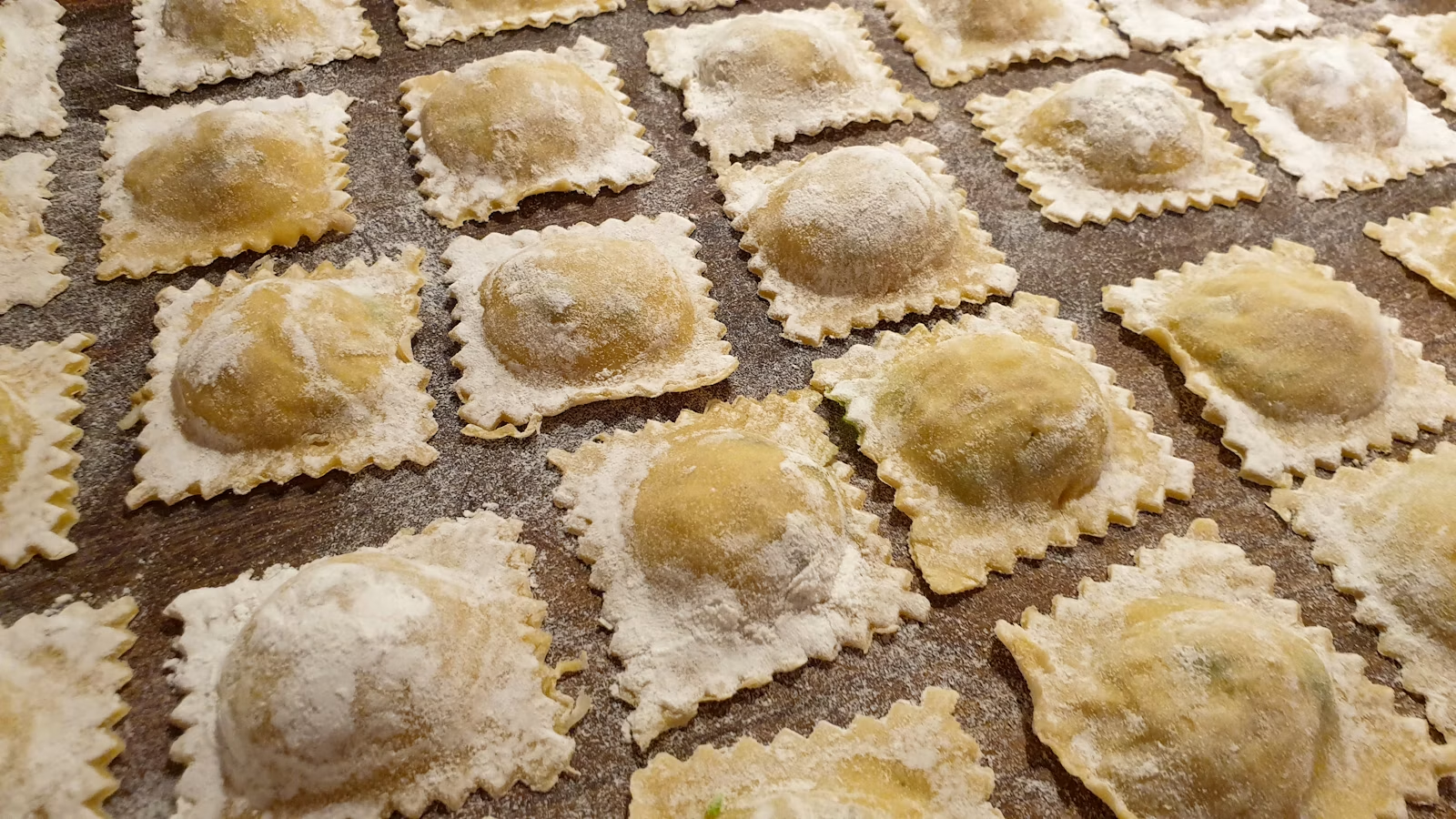
Shapes change too. Ravioli can be square, round, half-moon, tiny enough for broth, or large enough to serve one dramatic parcel per plate. Related filled pastas carry their own names—agnolotti, tortelli, cappelletti, and many more—often tied to a place, shape, or sealing method. The official Italian tourism site even highlights Ligurian gattafin, large fried ravioli filled with wild herbs, onion, egg, and Parmigiano. In other words, the tidy supermarket square is only one branch of a very busy family tree.
If you enjoy stuffed dough in its many forms, our guide to manti dumplings travels through a different tradition built on the same satisfying idea: thin dough, a savory center, and a sauce that completes the bite.
Classic fillings and the sauces that suit them
Ricotta and spinach is the familiar gentle filling, and it likes sauces that leave room for dairy and greens. Brown butter with sage is classic for a reason: nutty butter adds depth, crisp sage adds perfume, and neither erases the filling. A light tomato sauce also works, especially when the ricotta is mild. Finish with Parmigiano, but stop before the ravioli disappear under a cheese snowdrift.
- Ricotta and greens: Brown butter and sage, light tomato sauce, or lemony olive oil.
- Squash or pumpkin: Sage butter, toasted nuts, and a little acidity to balance the sweetness.
- Mushroom: Butter, thyme, a restrained cream sauce, or glossy mushroom broth.
- Meat: Reduced roasting juices, broth, ragù, or tomato sauce with enough acidity.
- Seafood: Lemon, herbs, shellfish broth, or a light wine sauce rather than heavy cheese.
The most useful rule is weight. A delicate filling needs a light coating; a concentrated meat or mushroom filling can meet a deeper sauce. Sauce should cling, not pool. Reserve a little pasta water and add it by the spoonful while tossing gently, because the starch helps butter or oil become silky without requiring a lake of cream.
How to cook ravioli without splitting them
Use a wide pot so the ravioli have room to move without crowding. Bring well-salted water to a steady simmer rather than a furious rolling boil; aggressive bubbles can batter delicate edges and force open weak seals. Lower fresh ravioli in with a spider or slotted spoon instead of dropping them from a height that suggests a personal grudge.
- Check the package or recipe: Fresh, frozen, and dried ravioli have very different cooking times.
- Cook in batches: Crowding cools the water and makes the parcels rub against one another.
- Watch the dough: Floating is a clue, not a perfect timer. Taste one; the edge should be tender without turning mushy.
- Lift, do not drain: Transfer ravioli with a spider directly into warm sauce to protect the seams.
- Toss carefully: Rock the pan or fold with a soft spoon rather than stirring hard.
Frozen ravioli usually go straight into the pot without thawing. Thawing can make the dough sticky and the seams fragile. Keep the water at a controlled simmer and extend the cooking time according to the package. Homemade ravioli deserve the same gentle treatment, plus a close look for trapped air before cooking; air pockets expand and encourage the parcels to burst.
Buying, storing, and serving ravioli
When buying fresh ravioli, look for intact edges, distinct shapes, and no moisture collecting inside the package. Read the ingredient list if the filling matters to you: “cheese” may mean a blend, and “mushroom” can be more breadcrumb than woodland. Frozen ravioli should feel separate in the bag rather than fused into one frosty brick, which can suggest partial thawing and refreezing.
Follow the package use-by date for unopened fresh pasta and keep perishable ravioli refrigerated. Once cooked, cool leftovers promptly in a shallow covered container. USDA food-safety guidance says refrigerated leftovers are generally best used within three to four days. Reheat gently with a splash of water or sauce; a roaring microwave can toughen the dough while leaving the middle cool.
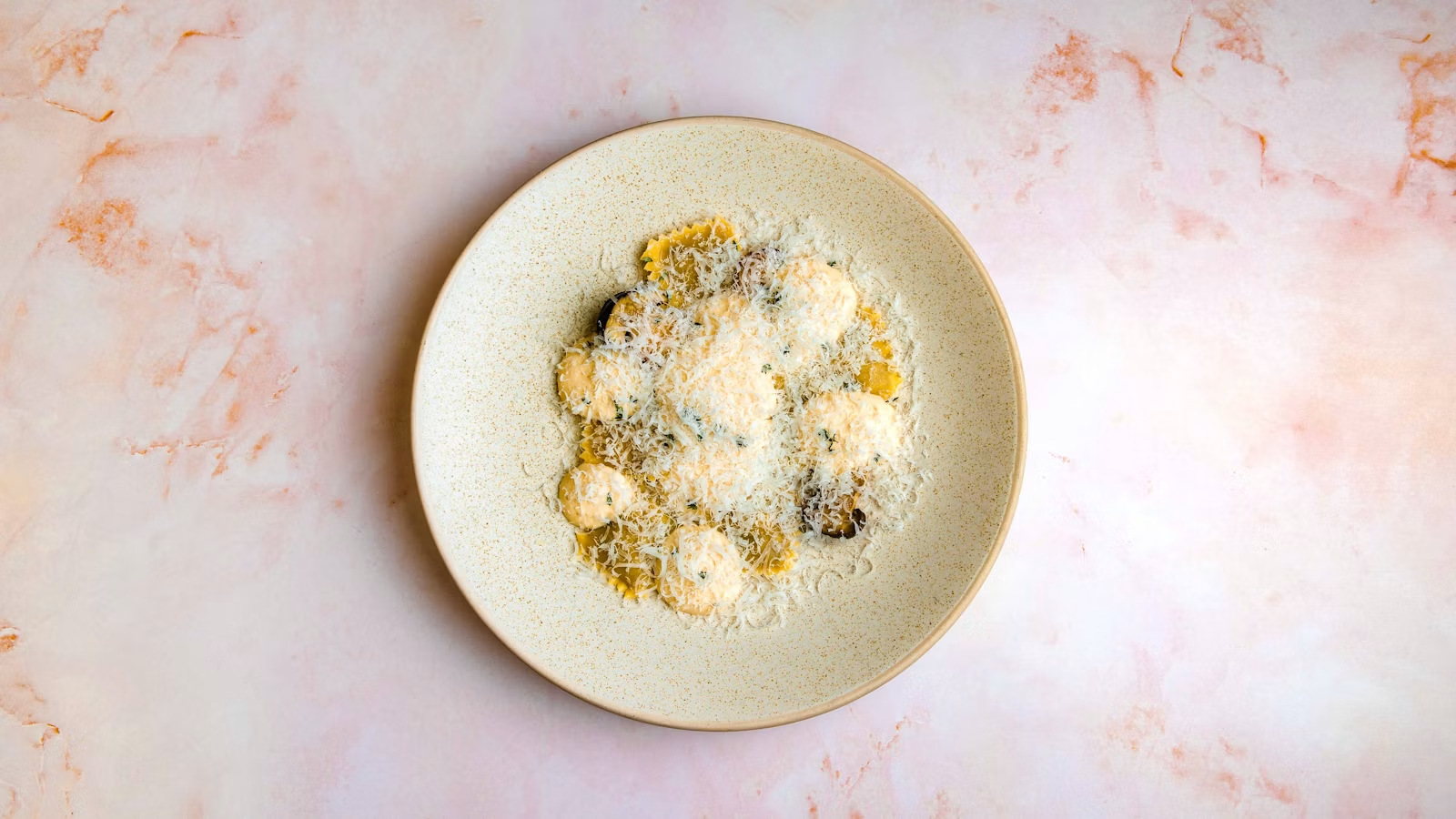
For serving, think in modest portions with contrast. A green salad, roasted broccoli, bitter leaves, or lemony beans keep a rich cheese ravioli dinner from feeling sleepy. Broth turns tiny ravioli into a lighter first course, while fried or baked ravioli can become a crisp appetizer. The parcel may be small, but it appreciates a plate with a plan.
For a closer look at shaping and cooking the parcels, Preppy Kitchen demonstrates homemade three-cheese ravioli below. Its ricotta, Parmesan, and mozzarella filling is one option among the combinations discussed here.
Sources
- Treccani: Raviolo
- La Cucina Italiana: Ravioli
- Italia.it: Traditional Food of Liguria
- USDA FSIS: Leftovers and Food Safety

Hi, I’m Laura, the voice behind Tastiva. I’ve always believed that eating well should feel enjoyable, comforting, and realistic—not like another complicated rule to follow. I love creating recipes that fit into everyday life, sharing simple nutrition ideas, and finding small ways to make meals feel a little better without losing the pleasure of good food.