
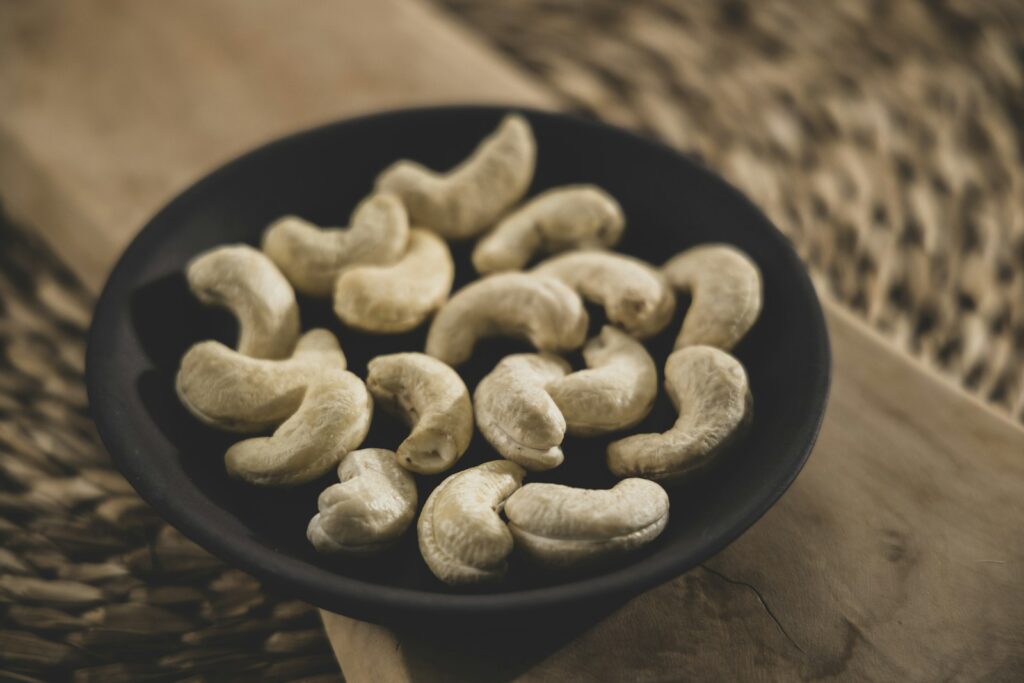
The pale, curved cashews in a bag marked “raw” look as if they simply fell from a tree and skipped the oven. The reality is more interesting. Commercial raw cashews are safe to eat, but they are not raw in the just-picked sense: processors use heat or steam to remove the kernel from a shell that contains irritating cashew nutshell liquid. “Raw” at retail usually means the edible kernel has not been roasted again for browning and flavor.
A raw cashew is a gentle-tasting kitchen ingredient, not an invitation to crack open a cashew shell at home.
Why raw cashews are processed before you buy them
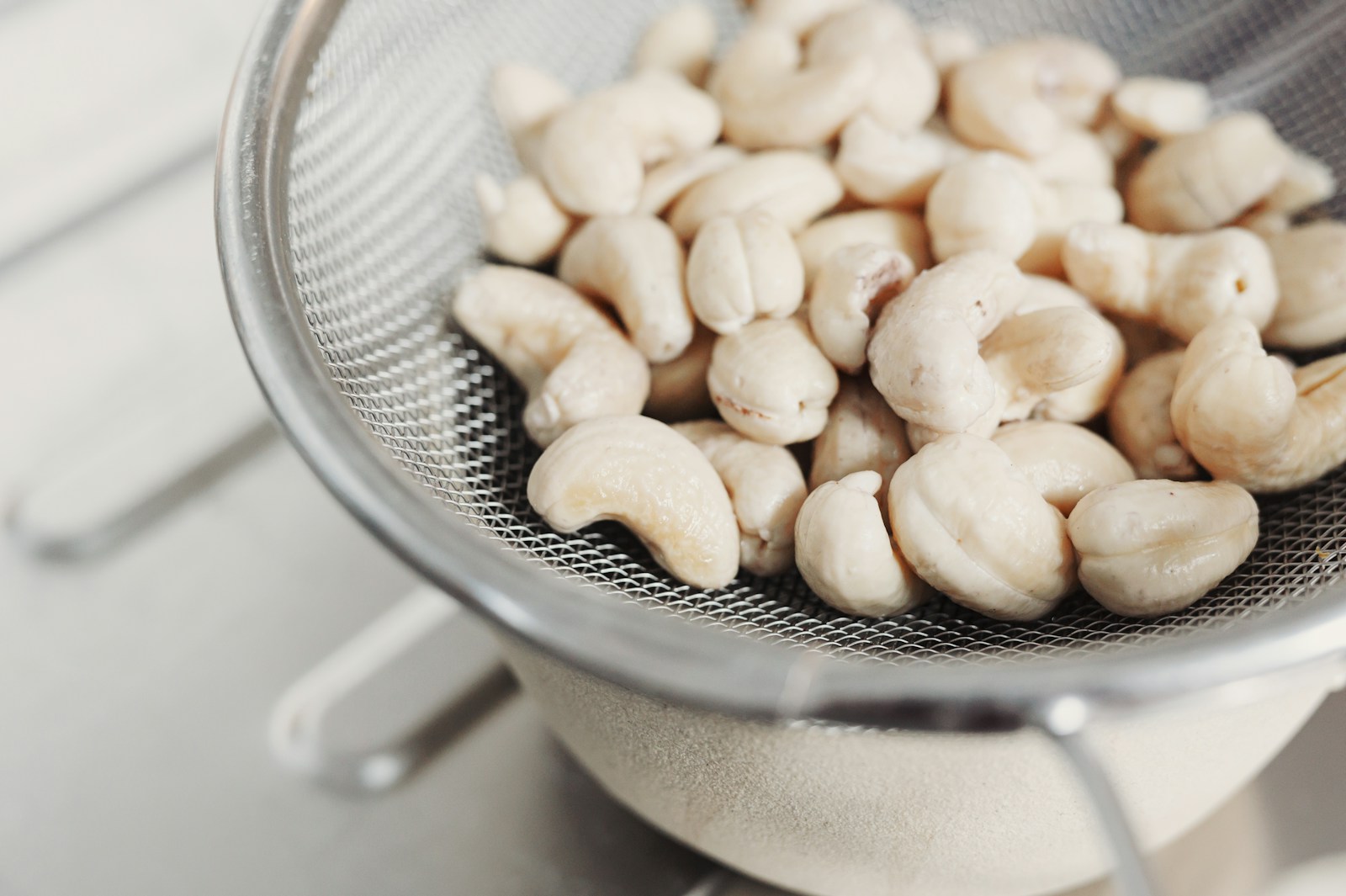
A cashew kernel grows in a hard shell attached to the bottom of a fleshy cashew apple. Between the shell layers is cashew nutshell liquid, a caustic material rich in phenolic compounds such as anacardic acids and cardol. It can irritate or burn skin, which is why shelling is a controlled processing job rather than a cheerful countertop project.
The FAO’s cashew-processing guide describes heat and steam methods used to make shells easier and safer to open, followed by shelling, drying, peeling, grading, and packing. The exact process differs by producer. By the time a shelled cashew reaches a U.S. grocery shelf, it has normally received heat even if the front of the bag says “raw.”
This is one label where everyday language and manufacturing language do not quite match. I’d read “raw” as unroasted, not untouched. Never eat or handle a cashew straight from its shell unless it has been professionally processed; roasting an in-shell cashew in a home oven can release irritating fumes and liquid.
Raw cashew nutrition in a realistic portion
According to USDA FoodData Central data for raw cashews, a one-ounce (28-gram) serving—roughly a small handful—provides about 157 calories, 5 grams of protein, 12 grams of fat, 9 grams of carbohydrate, and 1 gram of fiber. It also supplies minerals including magnesium and copper. Most of the fat is unsaturated, but cashews are energy-dense, so the handful is a more useful picture than a bottomless snack bowl.
Raw and dry-roasted unsalted cashews are nutritionally similar enough that I’d choose between them for taste and purpose. Roasting develops a deeper, toastier flavor and crisper bite; raw cashews are milder and soften more readily for blending. Added oil, sugar, and salt can change a flavored product more than the roasting step itself, so compare the Nutrition Facts and ingredient list.
| Label wording | What it usually means | Best use |
|---|---|---|
| Raw cashews | Shelled and processed, but not flavor-roasted | Sauces, creams, baking, gentle snacks |
| Dry-roasted, unsalted | Roasted without listed added oil or salt | Crunchy snacks, salads, grain bowls |
| Roasted in oil | Roasted with added oil | Snacking; check ingredients and calories |
| Salted or flavored | Seasonings may add sodium, sugar, or allergens | Check the full label, not just the front |
How to use, soak, and toast raw cashews
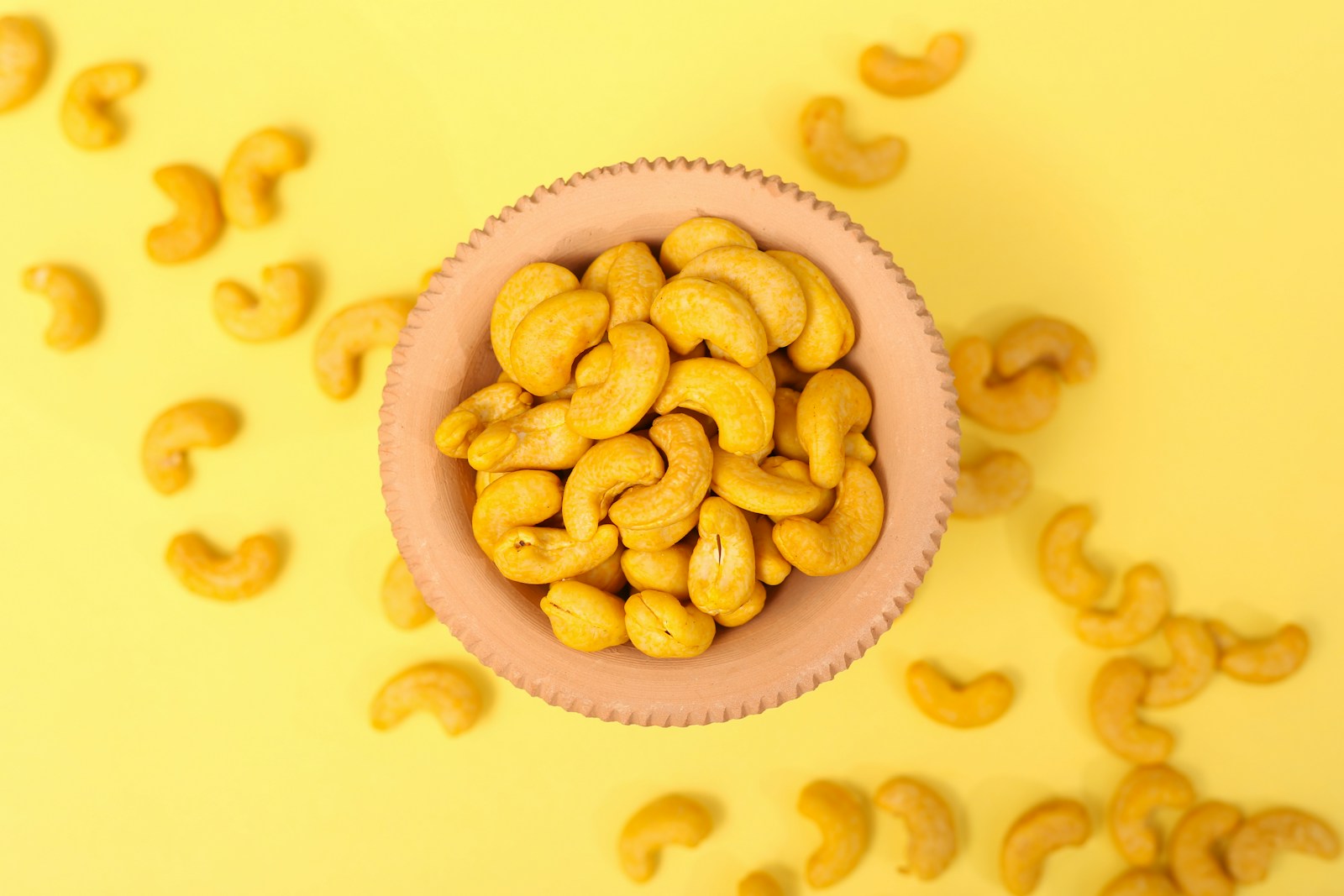
Raw cashews are useful precisely because their flavor stays in the background. Blend them into a creamy pasta sauce, soup, dip, dressing, or dessert filling; chop them into oatmeal or stir-fries; or toast them when you want more crunch. They also pair naturally with fruit for a snack that brings sweetness, fat, and protein together.
Soaking softens cashews for a smoother blender texture; it has not been shown to magically “activate” them or erase all antinutrients. Cover them with water in the refrigerator, then drain and rinse before blending. Keep soaked nuts chilled and use them promptly rather than leaving a bowl on the counter for hours. Hot water can shorten softening time when a recipe needs cashew cream sooner.
For extra flavor, spread raw kernels in one layer and toast at 325°F (165°C), stirring once or twice, until lightly golden and fragrant; watch closely near the end. My practical preference is to toast only what needs crunch and leave the rest raw for blending. One bag can then do two very different jobs without collecting a shelf of specialty products.
Allergy, shopping, and storage details that matter
Cashew is a tree nut and therefore one of the major food allergens covered by U.S. labeling rules. Reactions can be severe. Anyone with a diagnosed cashew allergy should avoid it and follow their clinician’s emergency plan; people managing other tree-nut allergies should ask an allergist what is safe for them rather than experimenting. Read the ingredient list and any cross-contact statement every time, especially on bulk-bin nuts and plant-based sauces where cashew may not be obvious.
Choose intact, cream-colored cashews that smell mild and nutty. A paint-like, bitter, or stale odor suggests the fats have oxidized. Store them airtight away from heat, moisture, and light; refrigeration or freezing helps protect a larger bag you will not finish soon. Follow package guidance, and let refrigerated nuts warm briefly before serving if you prefer a softer aroma and texture.
Cashews can be a satisfying ingredient, but they do not need a health halo. For more context, Tastiva’s guide to foods high in magnesium shows how nuts fit alongside seeds, beans, greens, and whole grains. I like that wider view: one useful food can contribute to a varied pattern without being asked to carry the whole diet.
Sources
- USDA FoodData Central: Food Composition Database
- FAO Knowledge Repository: Small-Scale Cashew Nut Processing
- FDA: Food Allergies and Major Food Allergen Labeling
- FDA: Have Food Allergies? Read the Label

Hi, I’m Laura, the voice behind Tastiva. I’ve always believed that eating well should feel enjoyable, comforting, and realistic—not like another complicated rule to follow. I love creating recipes that fit into everyday life, sharing simple nutrition ideas, and finding small ways to make meals feel a little better without losing the pleasure of good food.