
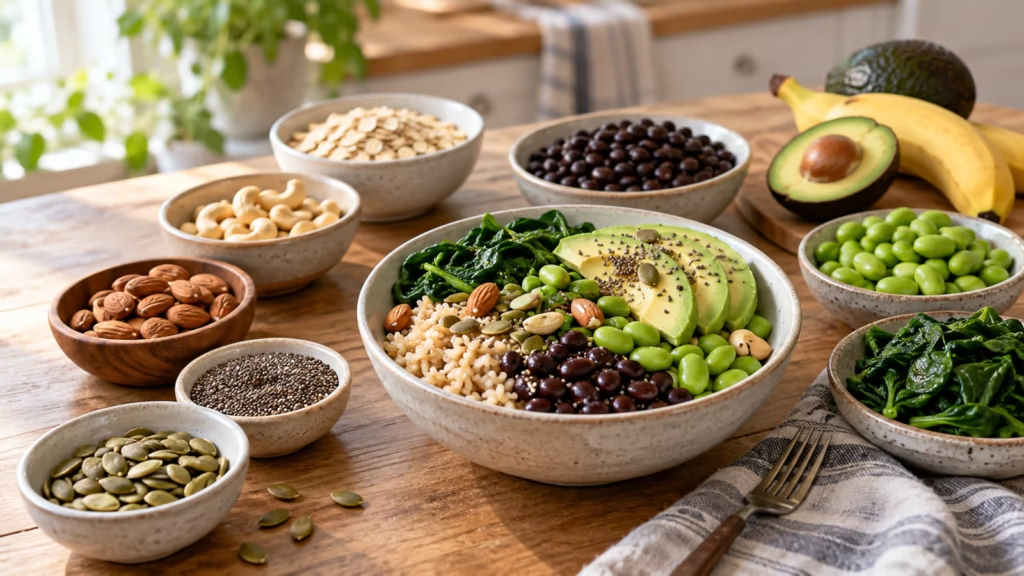
If magnesium makes you picture a supplement bottle, come back to the kitchen with me. The richest everyday sources are wonderfully ordinary: pumpkin and chia seeds, almonds and cashews, cooked spinach, black beans, edamame, whole grains, and some fortified foods. Adults generally need about 310 to 420 milligrams a day depending on age and sex. No single “perfect” food has to carry the target. A seed at breakfast, beans at lunch, and greens or whole grains at dinner can do the work quietly.
Magnesium is less about chasing one superfood and more about letting seeds, beans, greens, and whole grains show up often.
How much magnesium you need—and why it matters
Magnesium helps more than 300 enzyme systems do their jobs. It supports muscle and nerve function, blood glucose regulation, blood pressure, energy production, DNA and protein synthesis, and normal bone structure. That long résumé does not mean more is always better; it means magnesium is a basic nutrient your body uses across many ordinary processes.
The recommended dietary allowance is 400 to 420 mg daily for adult men and 310 to 320 mg for adult women. Pregnancy raises the target to 350 to 360 mg for most adults, while needs vary for children and teens. These recommendations cover healthy people as groups. Kidney disease, digestive disorders, medications, pregnancy, and a diagnosed deficiency can change the advice, so individual treatment belongs with a clinician.
Nutrition labels use a Daily Value of 420 mg for adults and children age four and older. A food with 20% or more of that value per serving is considered high in magnesium; 5% or less is low. Labels are useful, but many foods such as produce and plain beans are not required to list magnesium. That is where a trusted food table helps.
The best magnesium foods in realistic servings
| Food and serving | Magnesium | Simple way to use it |
|---|---|---|
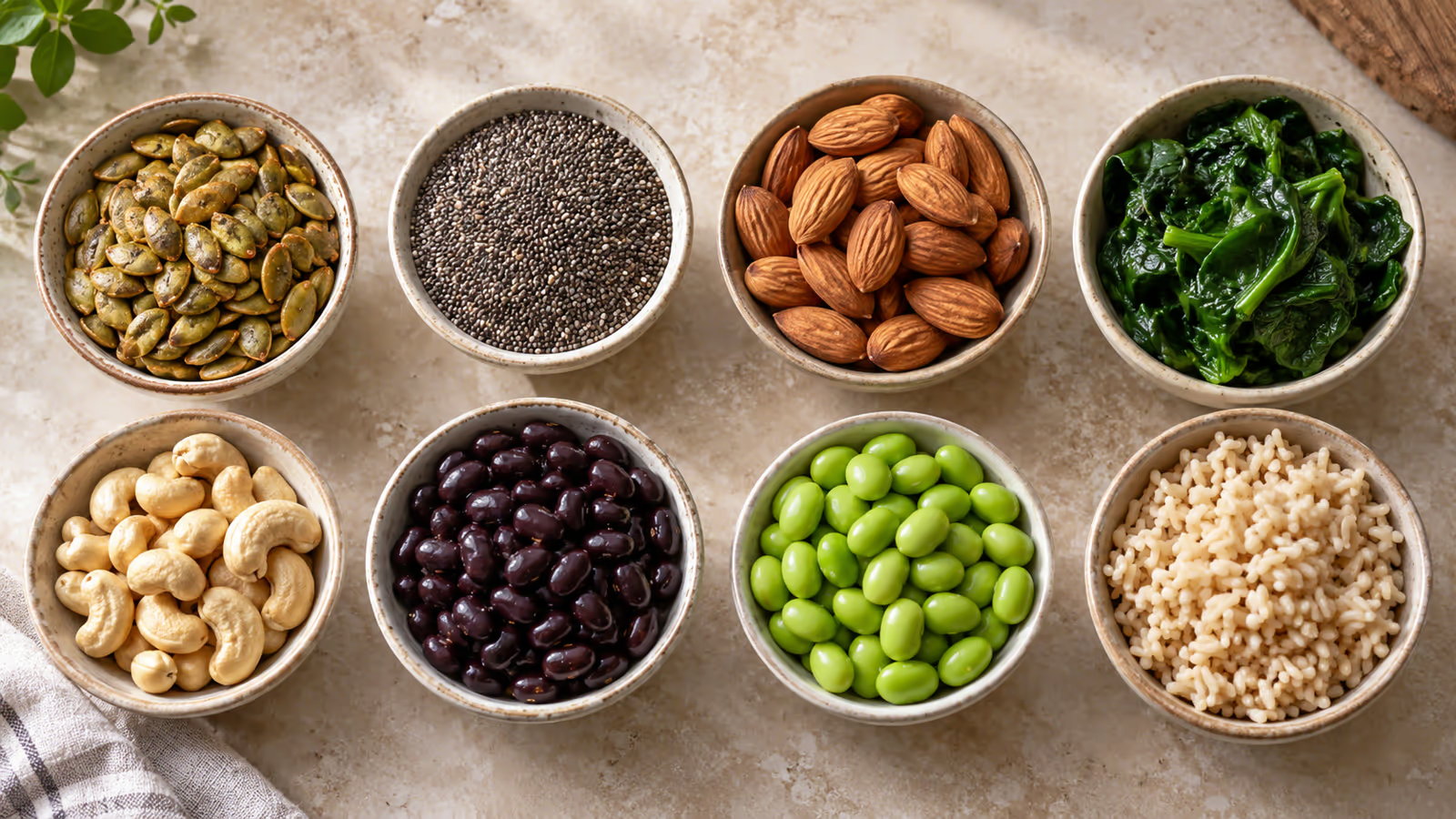
| Pumpkin seeds, roasted, 1 oz | 156 mg | Scatter over oatmeal, soup, or a grain bowl. |
| Chia seeds, 1 oz | 111 mg | Stir into yogurt or soak into breakfast pudding. |
| Almonds, dry roasted, 1 oz | 80 mg | Pair a small handful with fruit. |
| Spinach, boiled, ½ cup | 78 mg | Fold into eggs, beans, pasta, or soup. |
| Cashews, dry roasted, 1 oz | 74 mg | Use as a snack or blend into a sauce. |
| Black beans, cooked, ½ cup | 60 mg | Add to tacos, salads, bowls, and stews. |
| Edamame, cooked, ½ cup | 50 mg | Serve as a snack or toss through a bowl. |
| Brown rice, cooked, ½ cup | 42 mg | Build the base of a vegetable-and-bean meal. |
The numbers above come from the NIH Office of Dietary Supplements and are reference values, not a promise for every variety or brand. Soil, processing, cooking, and serving weight cause differences. Fortified cereals and drinks can also contribute a lot, but the amount varies so widely that the label is the only honest shortcut.
Other useful contributors include peanuts, peanut butter, shredded wheat, soy milk, oatmeal, potatoes with skin, yogurt, bananas, milk, salmon, and raisins. None needs to be marketed as a superfood. Even lower-magnesium foods add up when you eat a varied pattern rather than asking one ounce of pumpkin seeds to rescue an otherwise sparse day.
- Seeds: pumpkin, chia, flax, sesame, and sunflower seeds.
- Legumes: black beans, kidney beans, chickpeas, lentils, soybeans, and edamame.
- Nuts: almonds, cashews, peanuts, Brazil nuts, and peanut butter.
- Greens and grains: spinach, chard, whole wheat, brown rice, oats, quinoa, and fortified cereal.
- Smaller helpers: avocado, potato, yogurt, banana, milk, salmon, and dark chocolate in a sensible portion.
A no-drama day that adds up
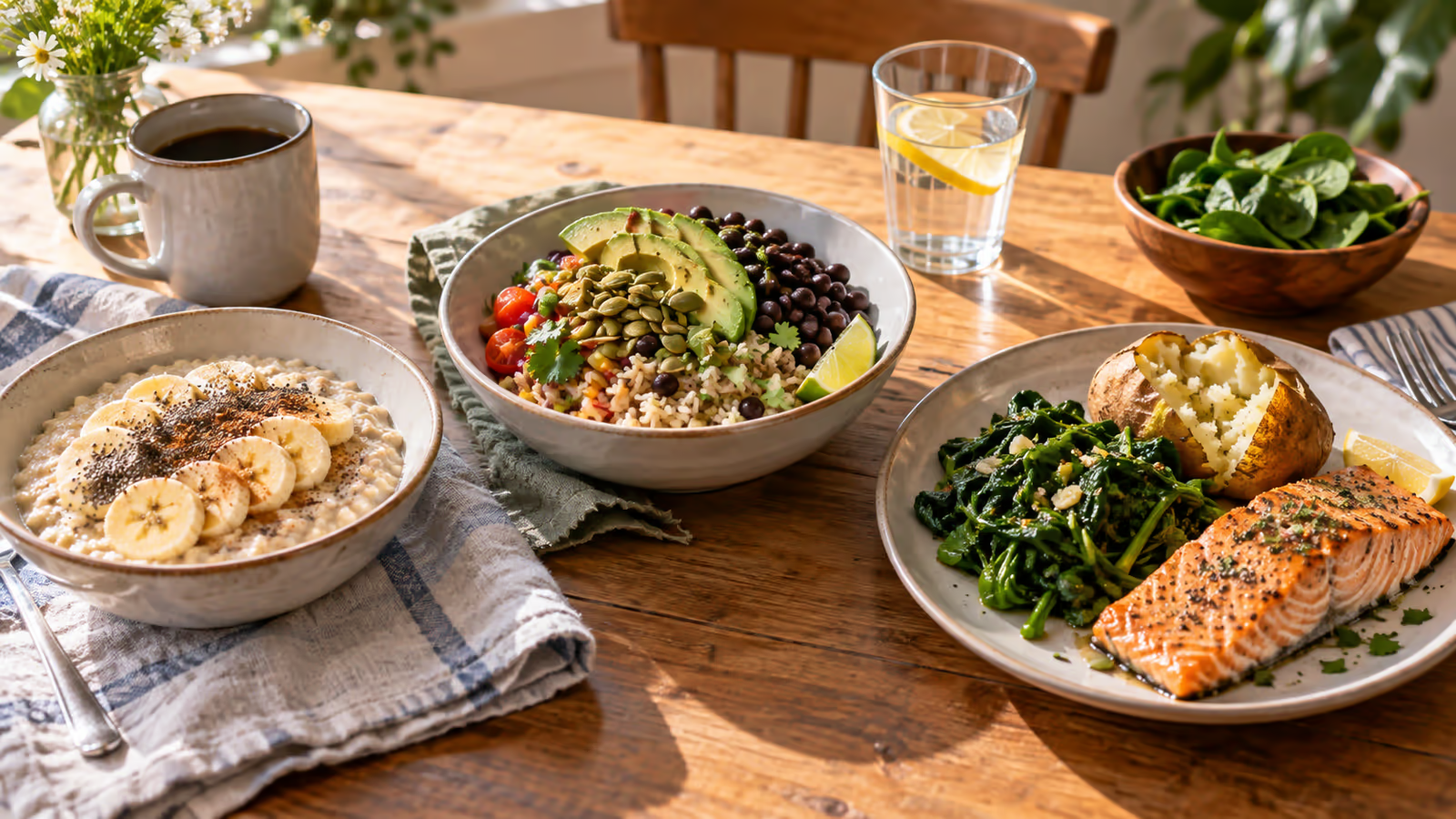
Breakfast could be oatmeal made with soy milk, topped with a tablespoon of chia and banana. At lunch, build a brown-rice bowl with half a cup of black beans, vegetables, avocado, and pumpkin seeds. Dinner might be salmon or tofu with cooked spinach and a potato in its skin. A small yogurt or a handful of almonds can bridge the gaps. Portions should fit your appetite; the point is how naturally the foods layer.
For a plant-forward meal, pair fava beans or another legume with whole grain, dark greens, and a seed-based topping. This combination brings protein, fiber, potassium, and other nutrients along with magnesium. If you use nuts, our guide to pine nuts explains why a small fresh portion can be a useful finishing ingredient rather than an expensive centerpiece.
Preparation does not need to become a chemistry project. Drain and rinse canned beans if you want less sodium, keep the potato skin when you enjoy it, and choose whole grains more often than their refined counterparts. Boiling can move some minerals into the cooking water, so soups and stews keep what would otherwise be drained. Most importantly, repeat the pattern often enough that it feels like dinner, not a nutrient assignment.
Deficiency, supplements, and when to ask for help
A low intake over time can contribute to poor magnesium status, but symptoms such as fatigue, weakness, cramps, tingling, nausea, or an irregular heartbeat are not specific to magnesium. Severe deficiency is uncommon in healthy people eating varied diets and more likely with certain gastrointestinal diseases, type 2 diabetes, long-term alcohol misuse, older age, or medicines that affect magnesium. Do not diagnose yourself from a twitching eyelid or a social-media checklist.
Magnesium from food does not pose a known risk to healthy people because the kidneys remove excess. The adult upper limit of 350 mg a day applies only to magnesium from supplements and medications, not food. Higher supplemental doses commonly cause diarrhea, nausea, and abdominal cramping; extremely high intakes can be dangerous, especially when kidney function is impaired.
Supplements can interfere with bisphosphonates and some antibiotics, and certain diuretics or long-term acid-reflux medicines can alter magnesium status. Ask a clinician or pharmacist about timing and dose instead of stacking powders, gummies, antacids, and laxatives unknowingly. Food is the gentler first move for most people: add one reliable source to two meals today, then build a pattern your grocery list can actually sustain.
Sources
- NIH Office of Dietary Supplements: Magnesium—Health Professional Fact Sheet
- NIH Office of Dietary Supplements: Magnesium—Consumer Fact Sheet
- USDA FoodData Central
- U.S. Food and Drug Administration: Daily Value on Nutrition Labels

Hi, I’m Laura, the voice behind Tastiva. I’ve always believed that eating well should feel enjoyable, comforting, and realistic—not like another complicated rule to follow. I love creating recipes that fit into everyday life, sharing simple nutrition ideas, and finding small ways to make meals feel a little better without losing the pleasure of good food.