
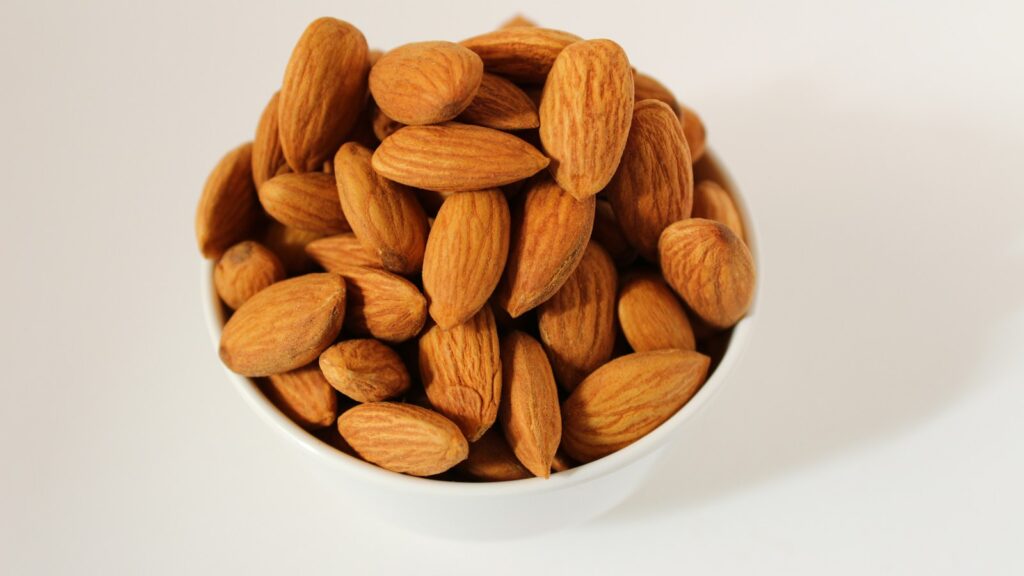
An almond-flour cracker and a rice cracker can both sit in the gluten-free aisle, yet only one fits a grain-free pattern. Gluten-free vs grain-free comes down to what is excluded: gluten-free eating avoids gluten, while grain-free eating excludes grains more broadly. Rice and corn are the quickest way to see why the labels aren't interchangeable.
Start with the ingredient you actually need to avoid, then choose foods that make the rest of your meal work.
Gluten-free vs grain-free: what each term means
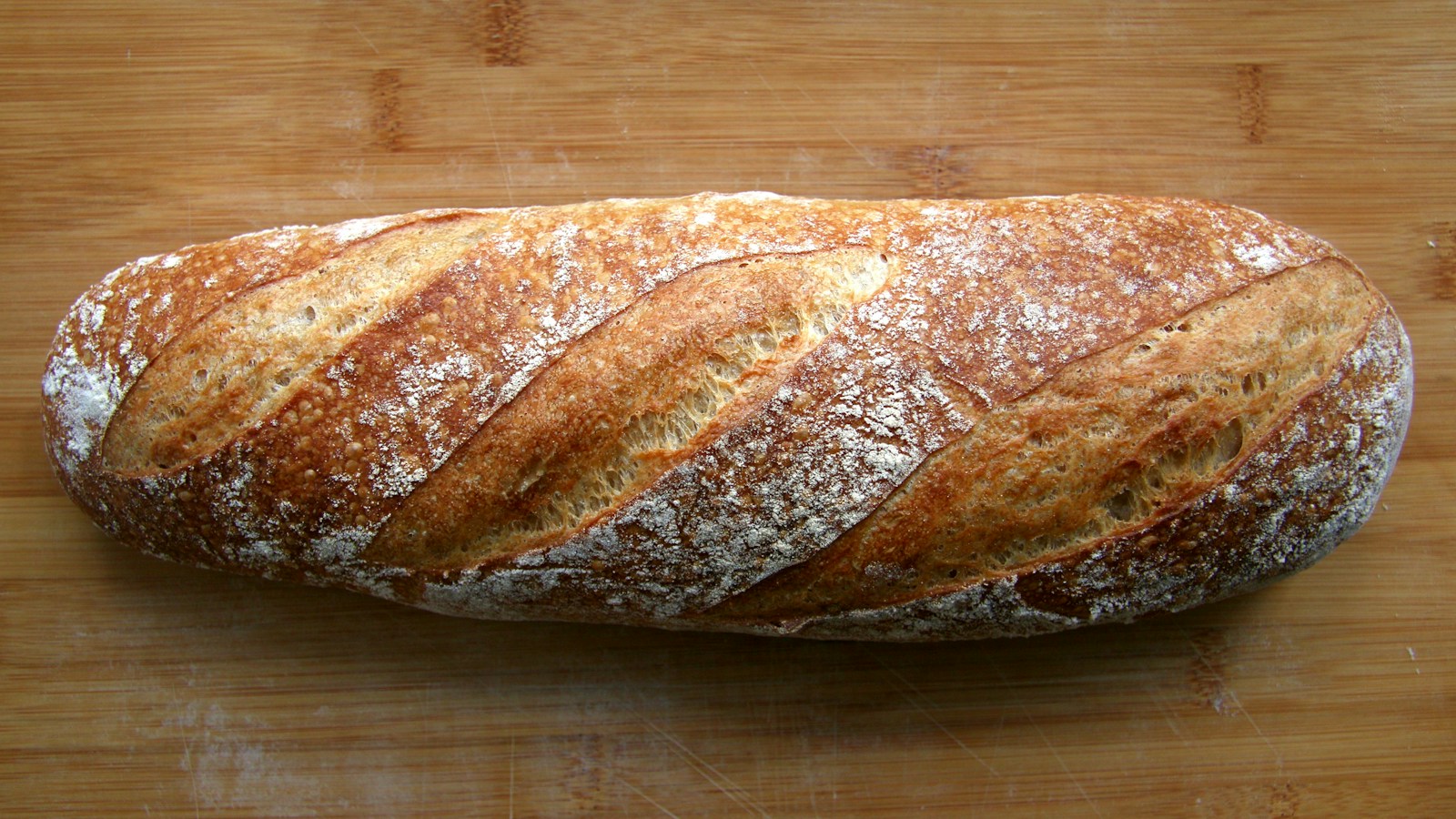
Gluten is a group of proteins found in wheat, barley, rye, and their relatives and crosses. A gluten-free diet is essential treatment for celiac disease, but it doesn't require removing every grain. Plain rice, corn, millet, and sorghum are naturally gluten-free; preparation and cross-contact still matter when choosing a finished food.
Grain-free eating generally leaves out cereal grains, including those naturally gluten-free options. Some versions also exclude quinoa, buckwheat, and amaranth, which are seeds used like grains. Because people use the term differently, ask what a recipe or eating plan actually excludes instead of assuming a universal shopping list.
| Food or ingredient | Naturally gluten-free? | Fits a typical grain-free pattern? |
|---|---|---|
| Plain rice or corn | Yes | No |
| Wheat, barley, or rye | No | No |
| Plain potatoes | Yes | Yes |
| Pure almond or coconut flour | Yes | Usually; check the full product |
| Quinoa or buckwheat | Yes | Depends on the pattern's definition |
I find this distinction most helpful in the baking aisle. A gluten-free flour blend might start with rice flour, while an almond-flour blend might include rice starch or other grain ingredients. Neither front label tells you everything about the recipe inside the bag.
Five checks before you put a package in the cart
The FDA gives the voluntary gluten-free claim a defined standard, including a gluten limit below 20 parts per million. A grain-free claim doesn't replace that check for someone with celiac disease. Read the gluten-free statement, ingredients, and relevant allergen information together; they're answering related but different questions.
- Identify your actual restriction. Avoiding gluten, wheat, or all grains creates different lists. A wheat allergy also requires wheat-specific advice.
- Read beyond the flour. Coatings, seasoning mixes, sauces, and fillings can change whether a finished food fits your needs.
- Look at the whole ingredient list. A prominent almond-flour claim doesn't mean almonds are the only base.
- Check preparation. Shared fryers, crumbs on a board, or a shared toaster can matter for celiac disease even when the original ingredient is gluten-free.
- Compare the food you'll actually eat. Use similar portions when comparing fiber, protein, sodium, and price.
Understanding gluten-free vs grain-free labels is particularly useful when shopping for someone else. Instead of guessing that “free from” covers every concern, send a photograph of the package or choose something they've already confirmed. That small pause is more useful than an expensive basket of unsuitable substitutes.
What changes in your meals and baking
In everyday gluten-free vs grain-free eating, the practical difference is often the starch on the plate. A rice bowl can fit gluten-free eating; a grain-free version might use potatoes or cauliflower alongside the same vegetables and protein. Keep sauces in the comparison, too: our tamari guide explains why you still need to check the bottle.
- Breakfast: Gluten-free oats may fit a gluten-free plan when individually tolerated; a grain-free breakfast could center on eggs, fruit, or plain yogurt instead.
- Lunch: Rice and bean bowls offer one route; a baked potato with beans offers another. Add vegetables and a dressing that meets your needs.
- Dinner: A corn tortilla and a lettuce wrap solve different texture and portability problems. Choose for the meal, not just the label.
- Baking: Almond flour, coconut flour, and rice flour absorb liquid and build structure differently. Use a recipe developed for the flour you have.
Don't replace a cup of wheat flour with a cup of coconut flour and expect the same batter. A flour's job includes binding, absorption, and structure, so a successful substitution involves more than removing one ingredient. For a grain that can stay in gluten-free cooking, millet is worth understanding on its own terms.
Keep the useful foods, not just the restrictions
Comparing gluten-free vs grain-free labels won’t tell you which food has more fiber, less sugar, or a better balance of nutrients. A grain-free cookie remains a cookie; gluten-free bread may be useful without being nutritionally identical to whole-wheat bread. Check what a replacement contributes, especially if it becomes something you eat every day rather than occasionally.
If you remove a familiar source of fiber or fortified nutrients, think about what takes its place. Beans, lentils, vegetables, fruit, nuts, and seeds can contribute variety, while suitable gluten-free whole grains remain an option when grains themselves aren't the restriction. I would put that practical question ahead of finding the most impressive-looking claim.
- Make a short list of meals you already enjoy that fit your requirements.
- Choose one bread or cracker replacement for convenience, then build meals around a wider range of foods.
- Ask a registered dietitian for help when several restrictions make eating difficult, especially with diagnosed celiac disease or a food allergy.
- If you suspect celiac disease, discuss testing before starting a gluten-free diet; removing gluten can affect test results.
Sources
- Celiac Disease Foundation: What Is Gluten?
- Celiac Disease Foundation: Screening and Diagnosis
- FDA: Gluten-Free Labeling of Foods
- Harvard Nutrition Source: Gluten

Hi, I’m Laura, the voice behind Tastiva. I’ve always believed that eating well should feel enjoyable, comforting, and realistic—not like another complicated rule to follow. I love creating recipes that fit into everyday life, sharing simple nutrition ideas, and finding small ways to make meals feel a little better without losing the pleasure of good food.