
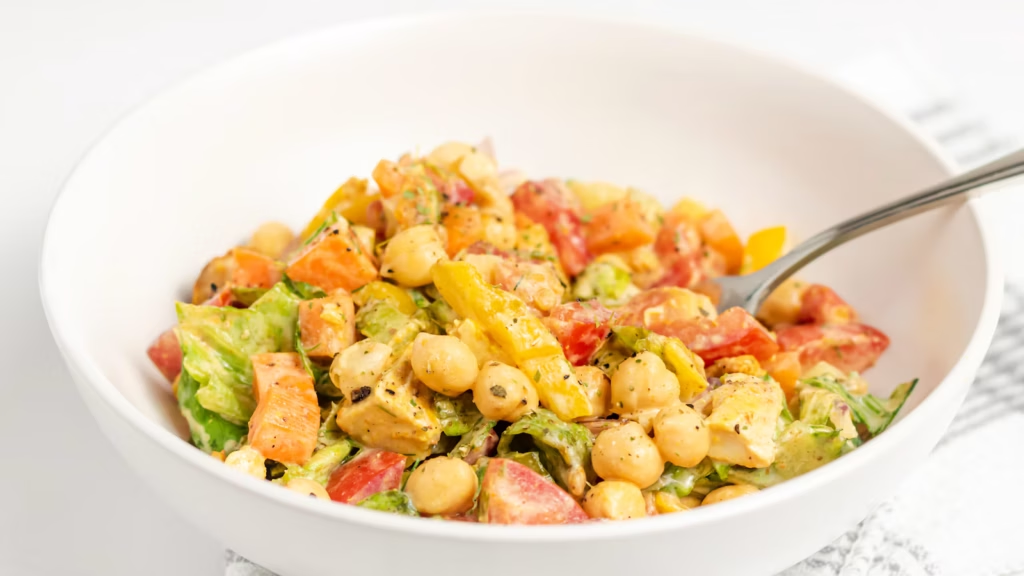
The can is open, the colander is waiting, and dinner could go in a few different directions. Rinsing canned beans is a useful default for salads and bowls, especially when you want less of the packing liquid or salt. It isn’t a rule for every dish: some soups and sauces use that liquid, and chickpea liquid may be worth reserving for a recipe that calls for aquafaba.
Decide where the beans are going before you decide what to pour down the sink.
When rinsing canned beans makes the dish easier
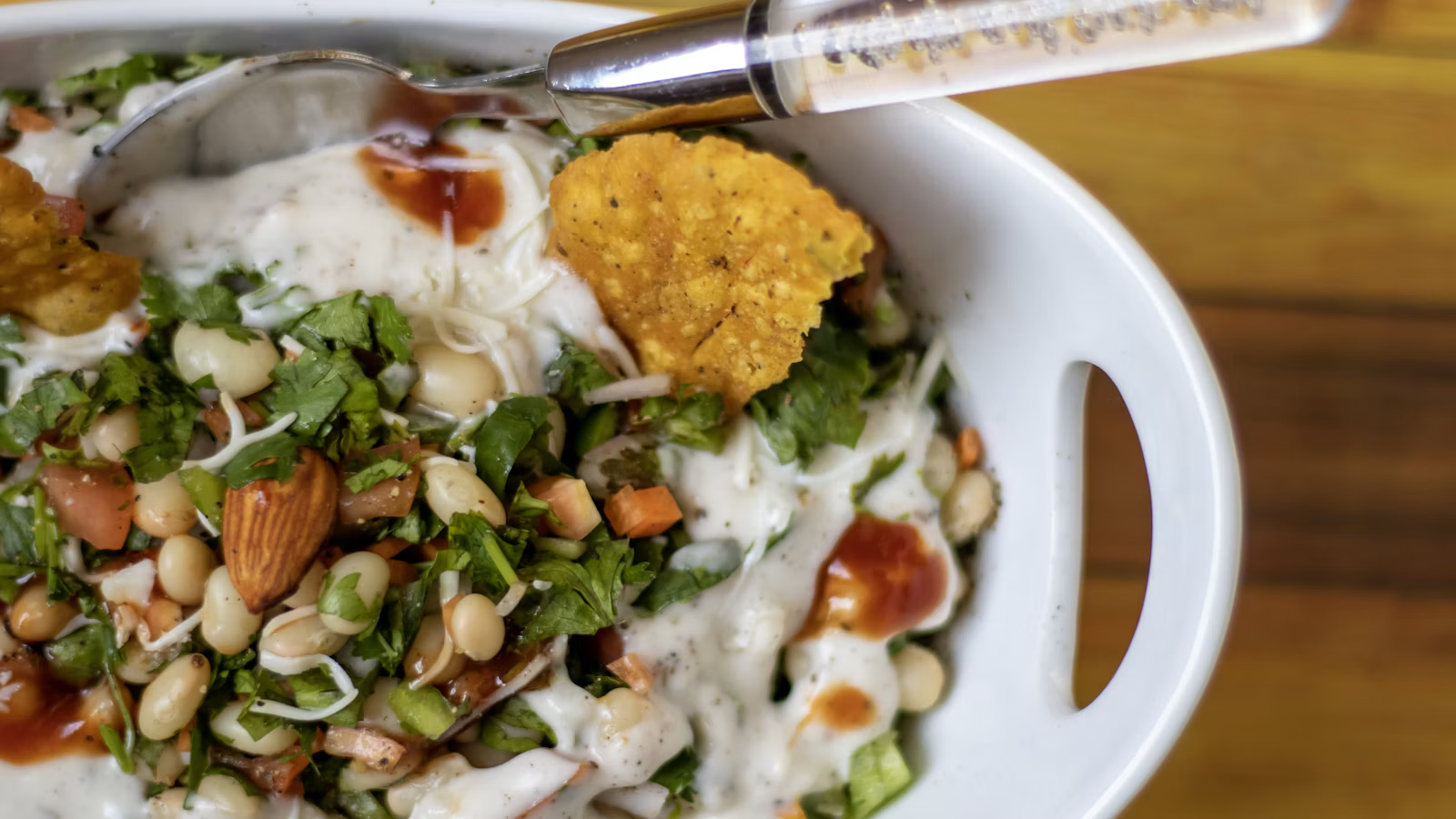
For a salad, the goal is usually beans that mingle with a dressing you’ve chosen. I prefer rinsing here because it gives that dressing a cleaner starting point; a pool of packing liquid can loosen it before the vegetables even reach the bowl.
- Salads and grain bowls: drain and rinse, then give the beans time to drain again. Extra water can dilute a lemon or yogurt dressing.
- Tacos and wraps: drain well so the filling doesn’t soak the bread or tortilla. Add moisture back through salsa or another ingredient on purpose.
- A dip with a measured liquid: follow the recipe’s instruction for drained beans. Add its water, oil, or reserved liquid gradually rather than emptying the can straight in.
- A quick pantry meal: canned beans are already cooked. Rinsing is preparation, not a step that makes uncooked beans edible.
Use a fine enough colander to keep smaller beans inside, rinse gently under cool running water, and let excess water fall away. Soft beans don’t need vigorous rubbing. For help choosing a variety, Tastiva’s white-bean guide covers the broader buying decision.
When the liquid deserves a second look
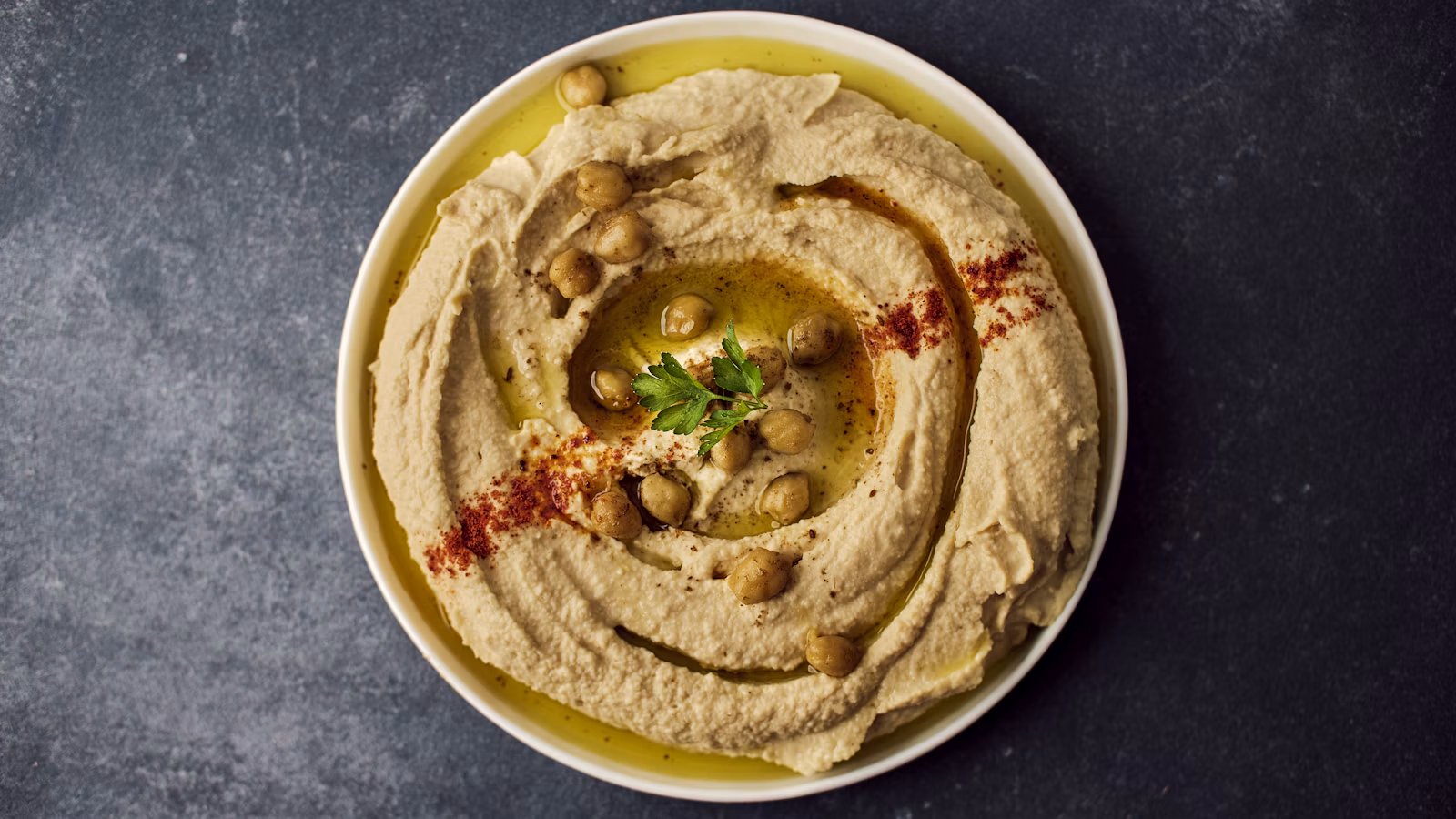
A bean soup and a crisp chopped salad ask for different things. The packing liquid may be useful where a recipe wants body or bean flavor, but it also brings its own seasoning. I’d reserve it in a separate bowl first; that keeps the choice open without committing the whole can to the pot.
- Soups, stews, and chili: check whether the instructions say drained, rinsed, or undrained. When improvising, add a little reserved liquid and assess the consistency before adding more.
- Beans sold in a prepared sauce: baked beans or seasoned beans aren’t the same starting ingredient as plain beans in water. Rinsing would remove part of the product you bought.
- Chickpeas for aquafaba: catch the liquid before rinsing the beans. Aquafaba can foam or act as an emulsifier in suitable recipes, including some egg-free baking.
- Aquafaba substitutions: use a recipe designed for it. A spoonful of chickpea liquid doesn’t reproduce every function of an egg in every cake.
The Tufts explanation of aquafaba makes another useful distinction: the liquid doesn’t offer the same fiber and protein contribution as the beans themselves. Treat it as a functional cooking ingredient rather than a nutritional replacement.
Read the sodium label before making promises
Draining and rinsing can reduce sodium, but they don’t turn every can into an identical lower-sodium food. Tufts cites a study showing an average reduction, not a guaranteed result for your brand, serving size, and rinsing method.
- Compare the same serving size: check sodium in milligrams and the number of servings per container. Two similar cans may use different label portions.
- Choose the can for the method: if the liquid is going into dinner, a no-salt-added or lower-sodium option offers more control before cooking begins.
- Season after combining: broth, cheese, olives, and sauces also affect the finished dish. Taste before adding a final pinch of salt.
- Keep rinsing in perspective: it can wash away some water-soluble nutrients along with sodium. That doesn’t erase the beans’ nutritional value or make rinsed beans a poor choice.
What matters to me is making the label and the recipe work together. A precise sodium total for a homemade dish needs the actual ingredients and portions; “rinsed” alone isn’t enough information. Rinsing also isn’t a dependable promise that everyone will avoid digestive discomfort.
Give the remaining beans a clear next step
It’s easy to rinse a whole can when dinner only needs half. Before opening it, choose a second use: tuck beans into tomorrow’s soup, mash them into a sandwich filling, or add them to a vegetable bowl. These are meal ideas, not reasons to leave leftovers on the counter.
- Transfer unused beans to a covered container and refrigerate promptly. Iowa State Extension recommends using leftover canned beans within three to four days.
- Label the container with the opening date, especially if several similar leftovers share the shelf.
- Freeze a portion you won’t use in that window. Iowa State suggests about three months for best quality; plan its next use in a cooked dish if the texture changes.
- Keep reserved liquid separate if you need to measure it for another recipe. Follow that recipe’s storage instructions, rather than assuming an opened can’s original shelf life still applies.
The small habit worth keeping is a pause before draining. It lets you reduce excess liquid where it would get in the way and save it where it has a job, while still giving the beans a practical route into dinner.
Ontario Bean Growers demonstrates draining and rinsing canned beans. Its sodium-reduction figure reflects a studied method, not a guaranteed percentage for every can; keep your recipe’s instructions and the label in view.
Sources
- Iowa State University Extension — choosing, preparing, and storing beans.
- Tufts Health & Nutrition Letter — rinsing, sodium, and water-soluble nutrients.
- Tufts Health & Nutrition Letter — what aquafaba does in cooking.
- Ontario Bean Growers — canned-bean preparation.

Hi, I’m Laura, the voice behind Tastiva. I’ve always believed that eating well should feel enjoyable, comforting, and realistic—not like another complicated rule to follow. I love creating recipes that fit into everyday life, sharing simple nutrition ideas, and finding small ways to make meals feel a little better without losing the pleasure of good food.