
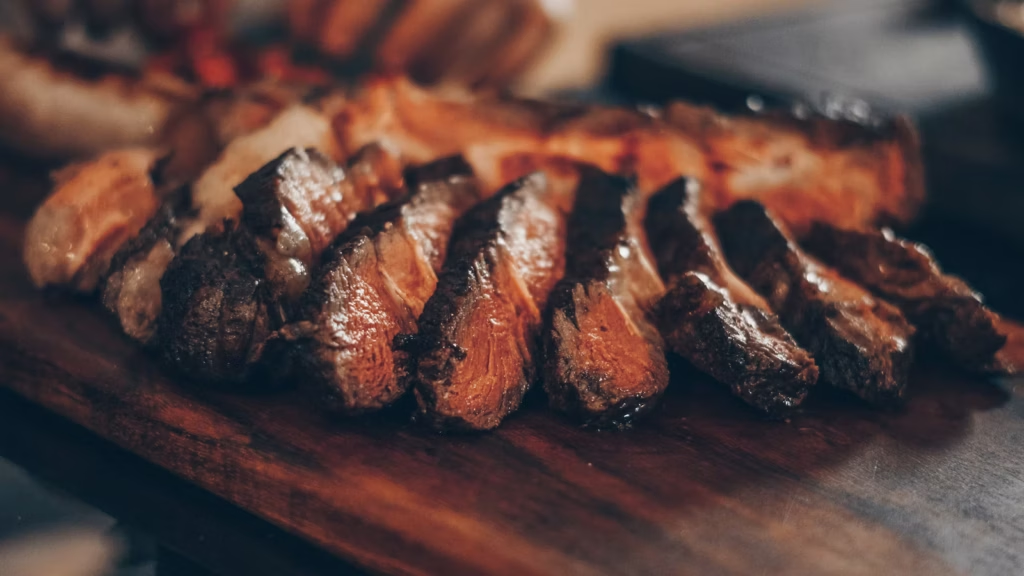
A package marked sirloin steak can look reassuringly simple until you notice that one steak is thick and tidy, another is broad and uneven, and the prices seem to be having their own private argument. The useful answer is this: top sirloin is usually the best pick for a straightforward steak dinner, while bottom-sirloin cuts often need thinner slicing or a method chosen for their shape.
For tender sirloin, the label matters—but thickness, a dry surface, controlled heat, and slicing across the grain matter just as much.
I’d choose a steak with even thickness before chasing dramatic marbling. Sirloin is naturally beefy and relatively lean, so it rewards attention more than excess fuss. A thermometer is more useful here than an expensive jar of seasoning, and considerably less likely to make the meat taste like a spice cabinet fell over.
What sirloin steak is and which cut you are buying
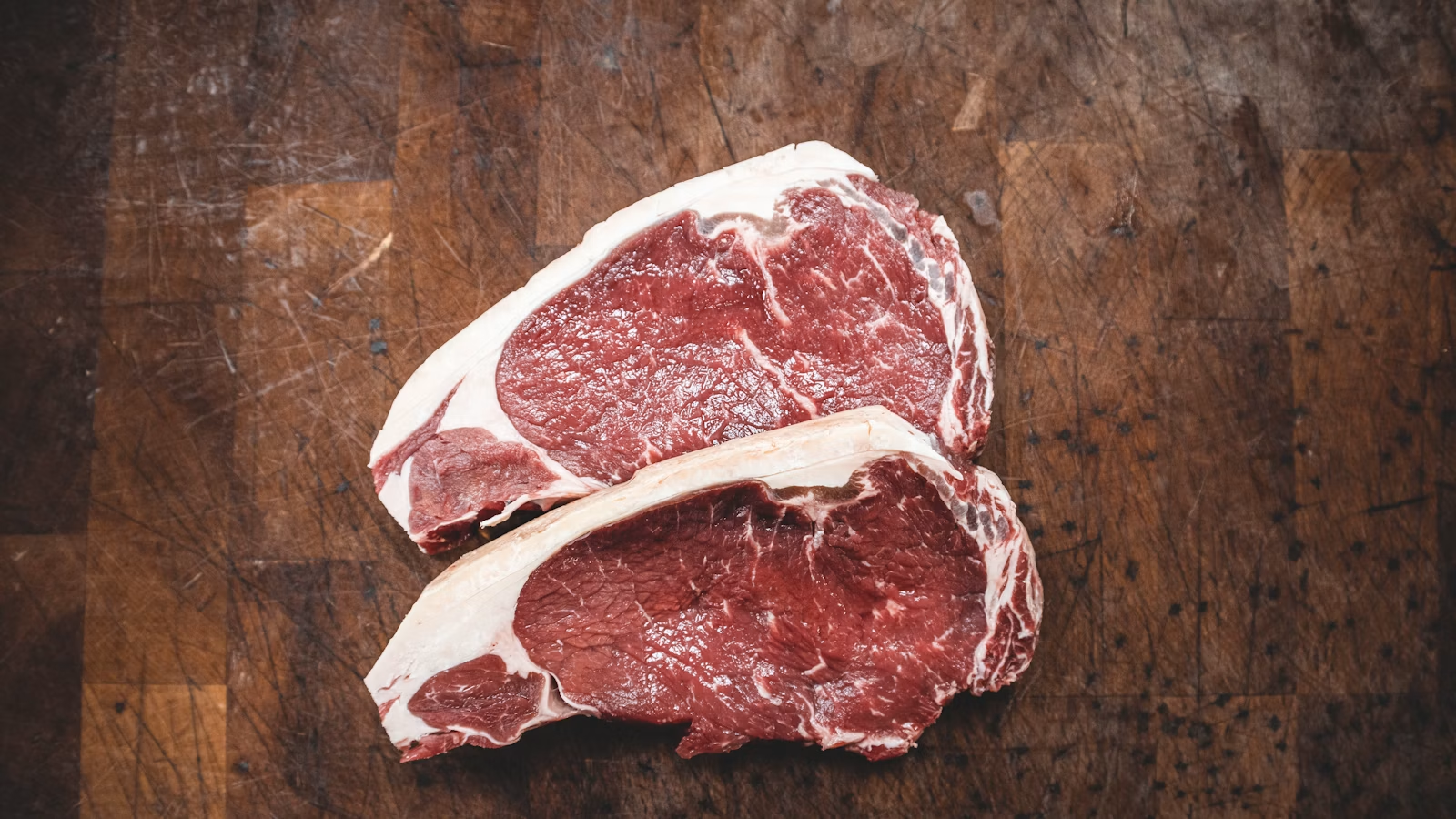
In U.S. beef cutting, the sirloin sits behind the short loin. It is a broad section rather than one single muscle, which is why the word on the package does not promise one exact texture. Top sirloin is the more tender, steak-friendly portion. Bottom sirloin includes cuts such as tri-tip, ball tip, and flap, each with a different grain and best use.
- Top sirloin steak: fairly lean, moderately tender, and suited to grilling, broiling, or a hot skillet.
- Sirloin cap or picanha: sold with a noticeable fat cap; excellent for grilling or roasting when the label is clear.
- Tri-tip: triangular and usually cooked as a small roast before being sliced across its changing grain.
- Sirloin flap: looser-textured and flavorful; useful for thin slices, stir-fries, tacos, and marinades.
- Sirloin tip: despite the name, it comes from the round area and is generally firmer than top sirloin.
Names vary between countries and sometimes between stores, so ask the butcher which part of the sirloin you are getting when the label is vague. If you want an individual steak to sear and serve whole, “top sirloin” is the clearest request. If tenderness is the only priority and the budget allows, Chateaubriand and beef tenderloin are softer cuts, but they have a different price, shape, and character.
How to choose a sirloin steak at the store
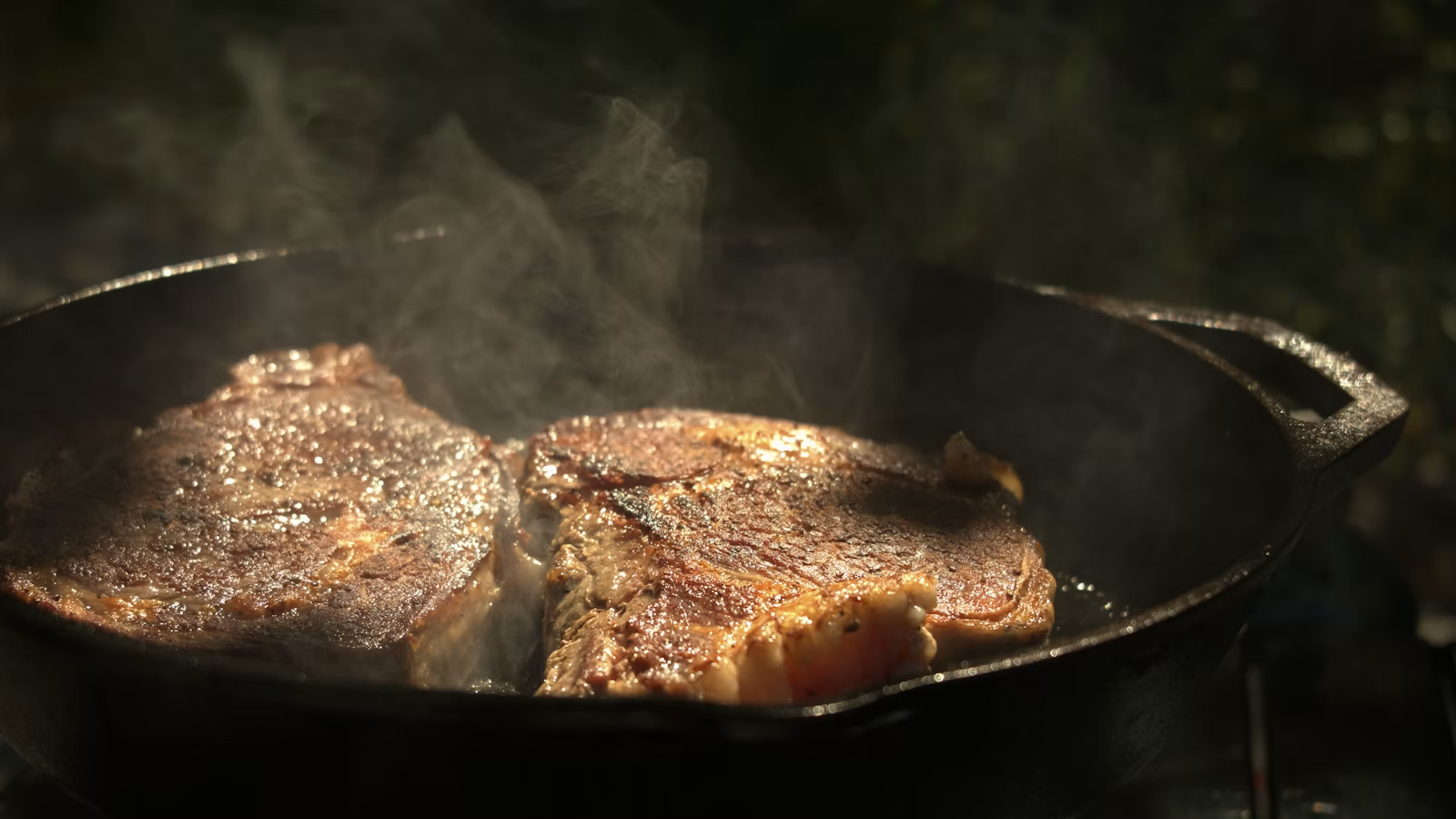
Look for an even steak at least about 1 inch thick when possible. Thin edges race ahead of the center and become dry before the thickest part is ready. Fine streaks of intramuscular fat can add moisture and flavor, but sirloin will not normally show the heavy marbling of ribeye. A modest fat edge is useful; a thick seam running through the center can make slicing awkward.
- Check the exact cut: top sirloin is the dependable all-purpose choice for a whole steak.
- Match the thickness: buy steaks of similar thickness if they will share a pan or grill.
- Inspect the package: avoid torn wrapping, excessive liquid, or a swollen seal.
- Read the date: choose a package that fits when you plan to cook it, then keep it refrigerated promptly.
- Plan the serving: one large sirloin can be sliced and shared rather than treating every package as one portion.
USDA guidance lists fresh beef steaks for three to five days in a refrigerator kept at 40°F (4°C) or below. If dinner plans are still imaginary by day two, I’d freeze the steak while it is in good condition rather than conduct daily negotiations with the calendar.
How to cook sirloin steak without drying it out
Pat the surface dry, season it, and use a properly heated grill or heavy skillet. Surface moisture must evaporate before browning begins, so a wet steak spends its first minutes steaming. Salt can be added immediately before cooking or far enough ahead to dissolve and work back into the surface; the awkward middle window can leave visible moisture outside.
- Dry and season: blot both sides with paper towels. Add salt and pepper, plus a thin film of neutral high-heat oil if needed.
- Preheat well: heat the pan or grill until the surface is hot enough to sear without scorching the seasoning.
- Give it space: cook in batches if necessary. Crowding drops the heat and encourages steaming.
- Turn for even cooking: flip as needed and check the thickest part from the side with an instant-read thermometer.
- Rest, then slice: move the steak to a clean board, allow the required rest, and cut across the visible grain.
Cooking time is not a reliable universal number because thickness, starting temperature, cookware, and burner strength all change it. For a thick steak, sear the outside and finish more gently so the center can catch up without building a wide gray band. Marinade can add flavor to firmer sirloin cuts, but it cannot turn every bottom-sirloin muscle into tenderloin.
Safe temperature, slicing, and storing leftovers
The USDA safe minimum for whole beef steaks is 145°F (63°C), followed by a rest of at least three minutes. Insert the thermometer into the thickest area, away from obvious fat or bone. Color alone is not a dependable safety check, and poking the steak once with a thermometer loses far less moisture than guessing until it is dry.
- Rest safely: keep the full three-minute minimum before cutting.
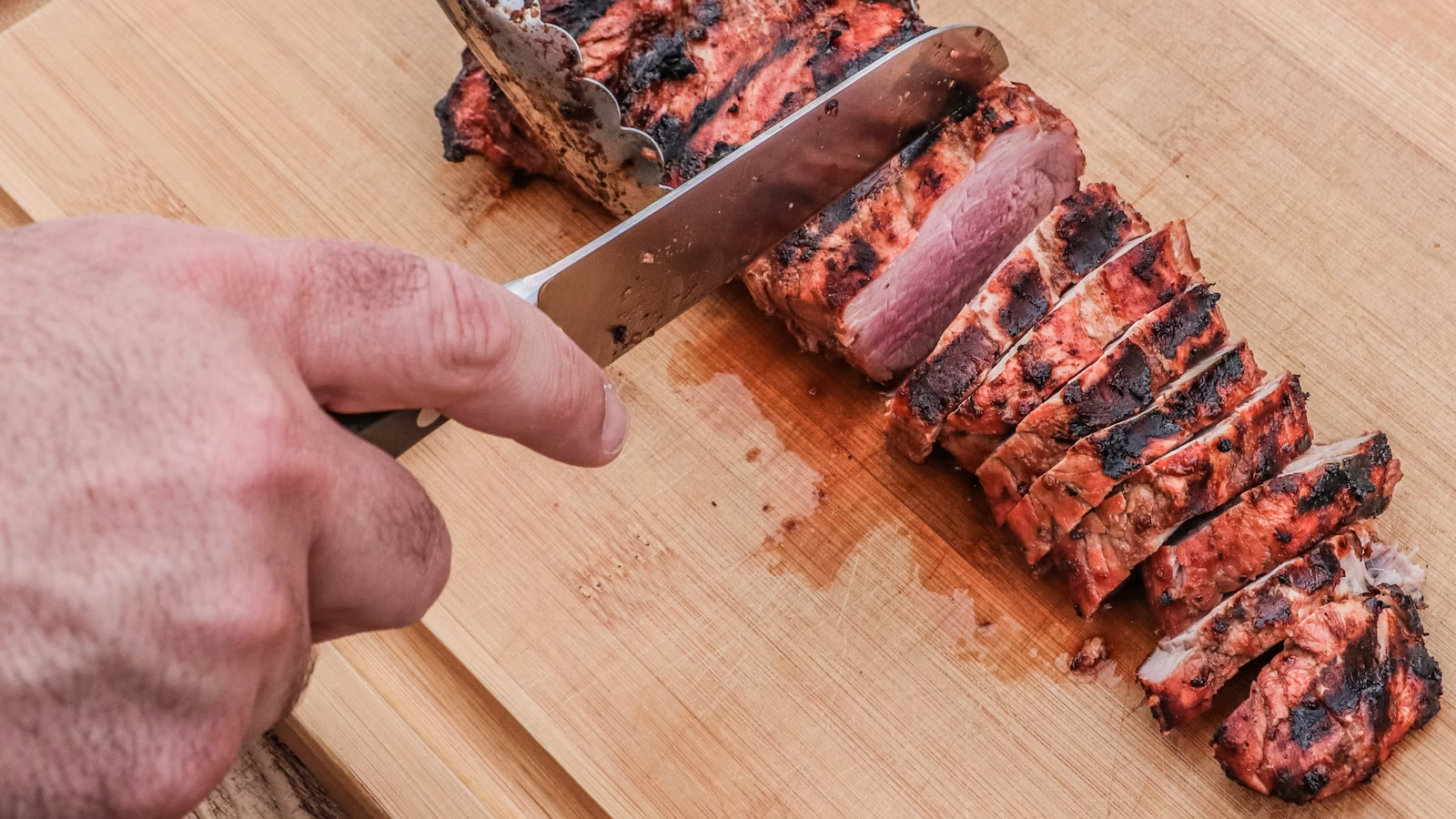
- Find the grain: look for long muscle fibers and slice across them, not parallel to them.
- Refrigerate promptly: chill leftovers within two hours, or within one hour when the surrounding temperature is above 90°F (32°C).
- Use leftovers: USDA guidance allows three to four refrigerated days; freeze sooner if they will not be eaten in that window.
- Reheat carefully: warm only what you need so the whole batch is not repeatedly cooled and reheated.
Thin, cross-grain slices make cold sirloin useful in sandwiches, grain bowls, and salads. For reheating, gentle heat with a spoonful of broth or sauce protects the lean meat better than blasting it until it sizzles again. The crust may soften, but the steak stays far more pleasant—which is a trade I’d make without hesitation.
Certified Angus Beef demonstrates a herb-marinated top sirloin variation. Marinate in the refrigerator and discard the used marinade; follow the article’s 145°F (63°C) minimum and at least three-minute rest rather than judging safety by grill marks or color.
Sources
- USDA Food Safety and Inspection Service: Safe Minimum Internal Temperature Chart
- FoodSafety.gov: Cold Food Storage Chart
- USDA FSIS: Leftovers and Food Safety
- Beef. It’s What’s For Dinner: Top Sirloin Butt

Hi, I’m Laura, the voice behind Tastiva. I’ve always believed that eating well should feel enjoyable, comforting, and realistic—not like another complicated rule to follow. I love creating recipes that fit into everyday life, sharing simple nutrition ideas, and finding small ways to make meals feel a little better without losing the pleasure of good food.