
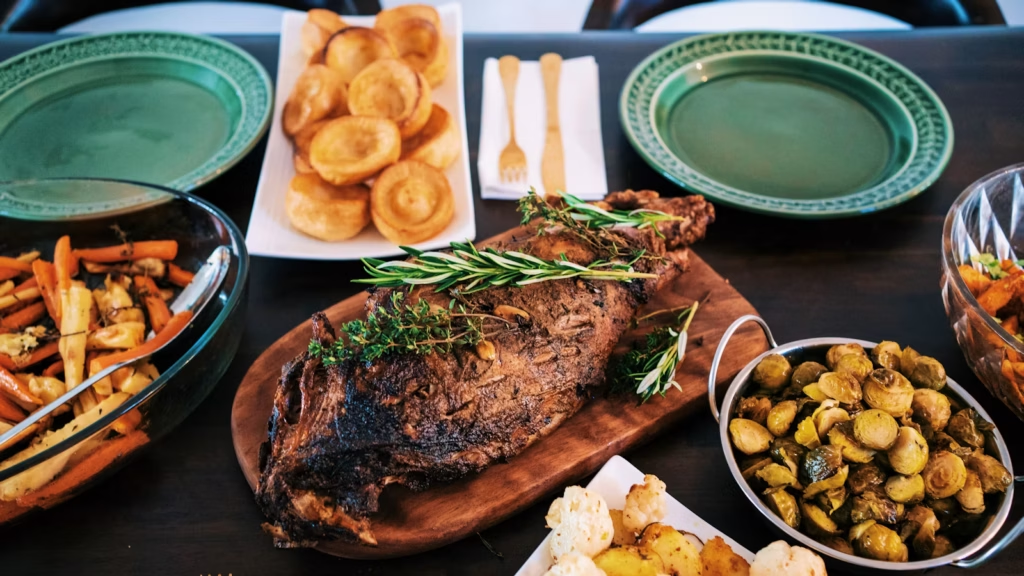
Chateaubriand is the thick, even portion of beef tenderloin usually roasted or seared and served in slices for more than one person. In a modern butcher case, the label commonly means a center-cut tenderloin roast. On a restaurant menu, it may also describe the finished dish—with sauce, vegetables, and a little special-occasion theater.
Chateaubriand is expensive because it is tender and limited, not because it requires a hundred clever ingredients. A thermometer and an even shape matter more than a dramatic marinade.
The name can be annoyingly slippery. Historical descriptions refer to a preparation as well as a cut, and retailers do not always portion tenderloin in exactly the same way. For home cooking, ask for a trimmed, center-cut beef tenderloin roast of even thickness. That sentence is less romantic, but it gets dinner onto the correct track.
What chateaubriand is—and what it is not
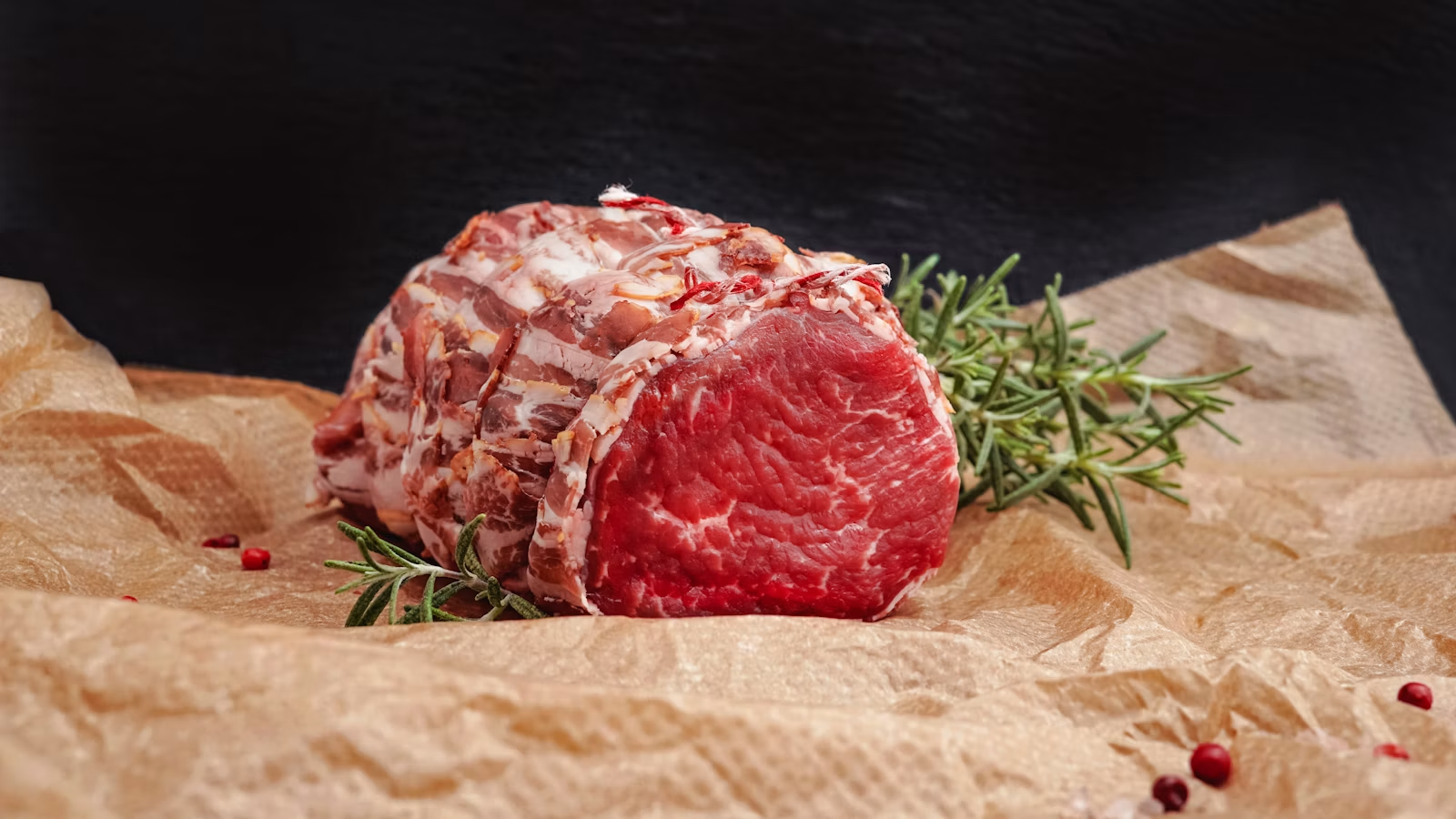
Beef tenderloin runs along the loin beneath the backbone, where the muscle does relatively little work. That is why it is exceptionally tender and fine-textured. The center section is more uniform than the wider head and narrow tail, which makes it easier to cook evenly as one roast. The beef industry also calls it a center-cut tenderloin roast or filet mignon roast.
Chateaubriand is not a separate breed, a USDA grade, or a cooking temperature. It is also not the same presentation as filet mignon: filet mignon is cut into individual steaks, while chateaubriand is normally cooked as a larger piece and sliced after resting. A butcher may cut individual steaks from the same tenderloin, so the family resemblance is real.
Because tenderloin is lean, the flavor is gentler than a heavily marbled ribeye. If your favorite part of steak is deep beefiness and rich fat, this may not be your personal winner—and that is perfectly respectable. Chateaubriand earns its reputation through tenderness, neat slices, and its willingness to carry a good pan sauce.
How to buy, trim, and portion the roast
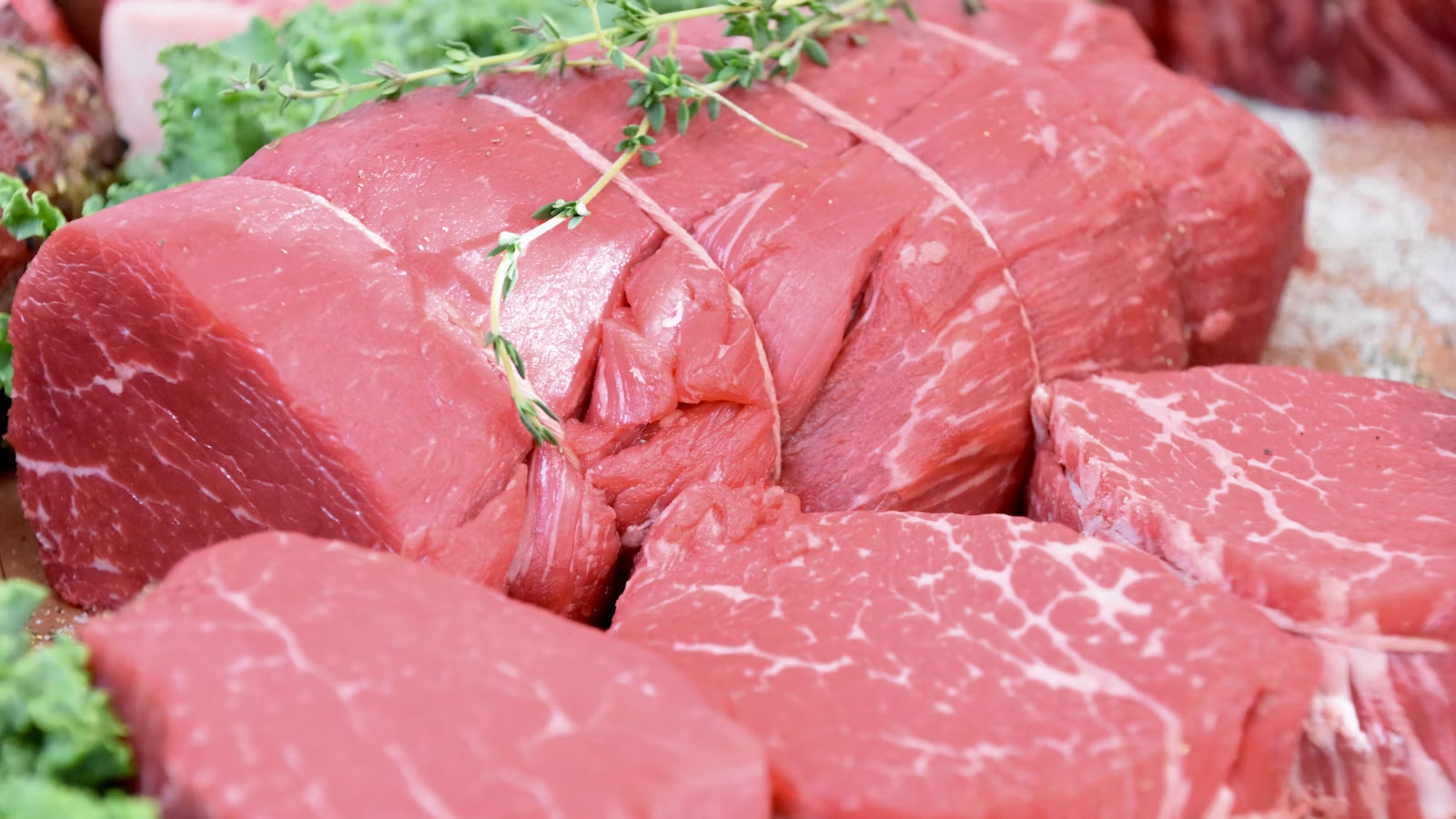
Ask for a roast with a consistent diameter from end to end. If one end tapers, tuck it underneath and tie it so the entire piece cooks at a similar rate. The silverskin—the shiny, tough connective membrane on the surface—should be removed. It does not soften during a quick roast and can pull the meat out of shape.
- Trimmed or untrimmed: A fully trimmed roast costs more per pound but saves work and waste at home.
- Weight: Center-cut tenderloins are often sold around 2 to 3 pounds, though smaller roasts are common.
- Portion: Plan roughly 6 to 8 ounces of raw trimmed beef per person, adjusting for appetites and side dishes.
- Shape: Even thickness matters more than an impressive total length.
- Grade: Compare price, marbling, and the amount of trimming needed; the word “chateaubriand” alone is not a quality grade.
Tie the roast with butcher’s twine at regular intervals so it holds a compact cylinder. Pat the surface dry before seasoning. Salt and pepper are enough, although crushed herbs and garlic are welcome. A very wet marinade works against browning and can overpower the cut you paid so enthusiastically to taste.
How to cook chateaubriand evenly
A hot sear followed by oven roasting is the most straightforward home method. Dry the seasoned roast, brown every broad surface in an oven-safe skillet with a small amount of high-heat oil, then move the pan to a preheated oven. You can also roast without a stovetop sear, but browning first gives you a flavorful base for sauce.
Place an oven-safe thermometer in the thickest center, not near the pan or through an end. Roast size, starting temperature, pan material, and oven accuracy all change the timing, so minute-per-pound rules are only estimates. A timer can remind you to check; it cannot see inside dinner.
USDA recommends cooking beef steaks and roasts to a minimum internal temperature of 145°F (63°C), followed by at least a 3-minute rest. Resting also lets juices redistribute and the temperature settle before slicing. If you remove the roast below the safe target in anticipation of carryover cooking, you are relying on enough residual heat to reach that target—verify it with the thermometer rather than hope.
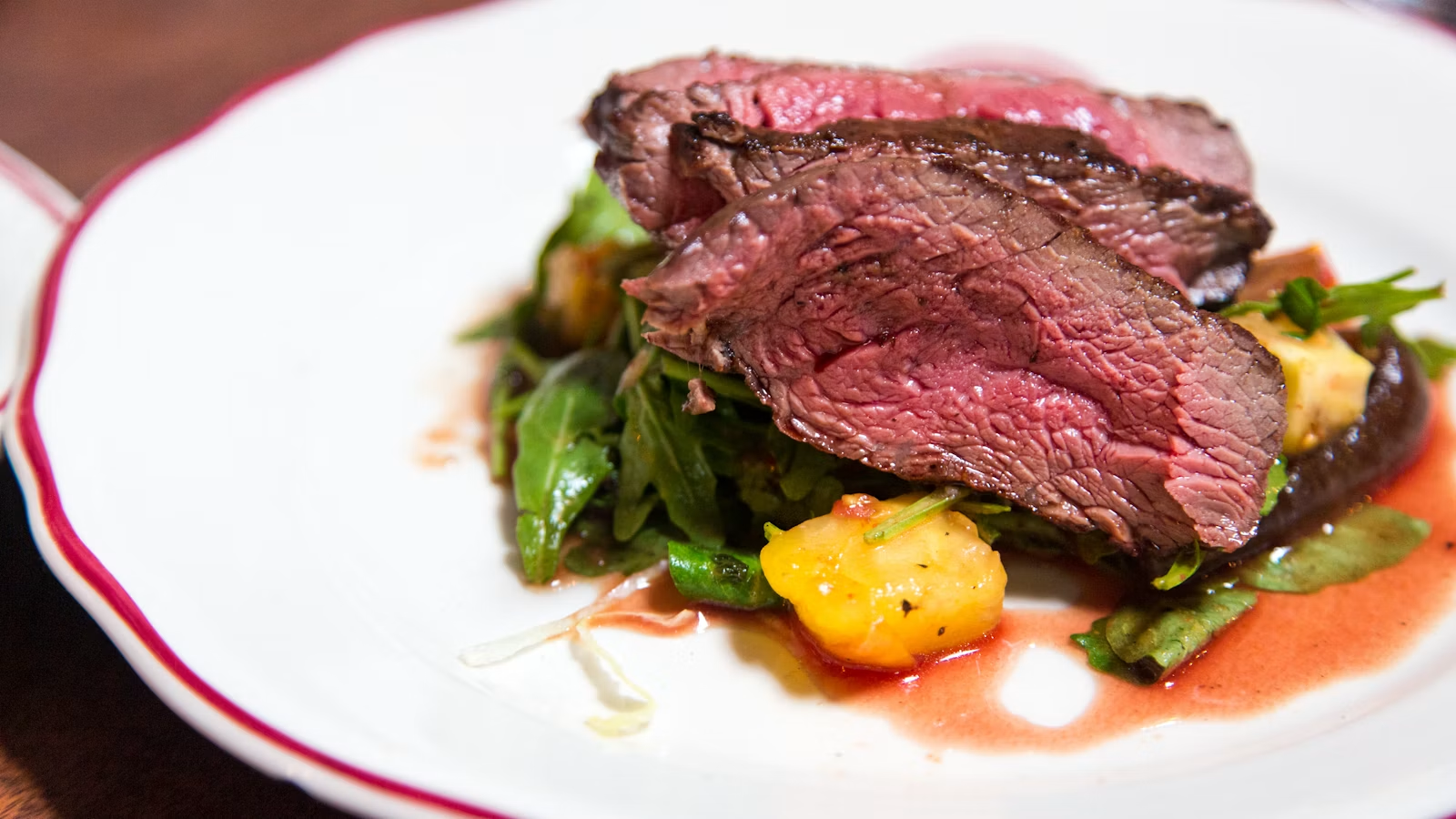
Cut away the twine after resting and slice across the roast into thick medallions. If the outside is browning much faster than the center warms, lower the oven heat. If the roast is cooked but looks pale, a brief final sear can build color without a long extra stay in the oven.
Sauces, sides, storage, and substitutions
Classic companions include béarnaise, a red-wine and shallot reduction, mushrooms, or a butter-enriched chateaubriand sauce. The sauce should add depth rather than bury the meat. Roasted potatoes, green beans, asparagus, or a crisp salad make sensible sides; something green also reassures the table that butter has not seized full control.
For a quick pan sauce, sauté shallot after the roast leaves the skillet, deglaze with wine or broth or stock, reduce, and finish with cold butter off the heat. Use a separate clean utensil and plate for cooked beef. Refrigerate leftovers promptly in a shallow airtight container and reheat gently so the lean slices do not dry out.
If center-cut tenderloin is unavailable or too costly, a small top sirloin roast gives more beefy flavor but less tenderness. Strip loin roast is another special-occasion option with more marbling. Individual filet mignon steaks deliver a similar tenderloin texture, though they cook faster and lose the shared-roast presentation. For every substitute, shop for even thickness and let a thermometer do the serious thinking.
Omaha Steaks demonstrates a chateaubriand roast with a sweet red pepper and cranberry sauce variation. Use it for the preparation technique; for food safety, follow this article’s minimum internal temperature of 145°F (63°C) and at least a three-minute rest, even if you prefer a doneness shown at a lower temperature.
Sources
- Beef. It’s What’s For Dinner: Chateaubriand Tenderloin Roast
- Beef. It’s What’s For Dinner: Classic Beef Chateaubriand
- USDA FSIS: Safe Minimum Internal Temperature Chart
- USDA FSIS: Doneness Versus Safety

Hi, I’m Laura, the voice behind Tastiva. I’ve always believed that eating well should feel enjoyable, comforting, and realistic—not like another complicated rule to follow. I love creating recipes that fit into everyday life, sharing simple nutrition ideas, and finding small ways to make meals feel a little better without losing the pleasure of good food.