
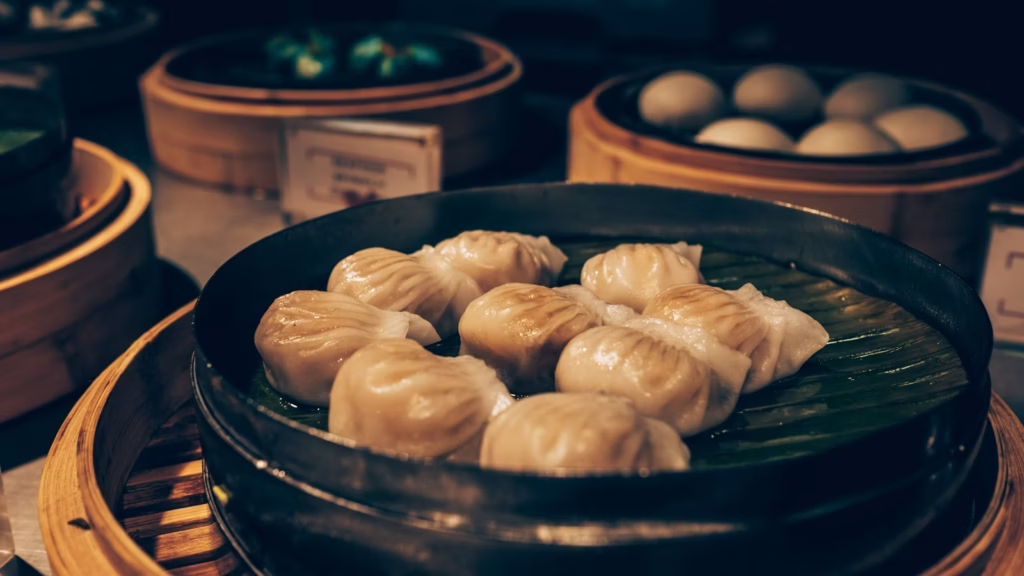
Steamed dumplings reward a little patience with exactly the kind of dinner that makes everyone wander into the kitchen. The wrappers turn tender and translucent, the pork-and-cabbage filling stays juicy, and the whole basket arrives fragrant with ginger and sesame. The first dumpling may be slightly lopsided. Eat it with pride.
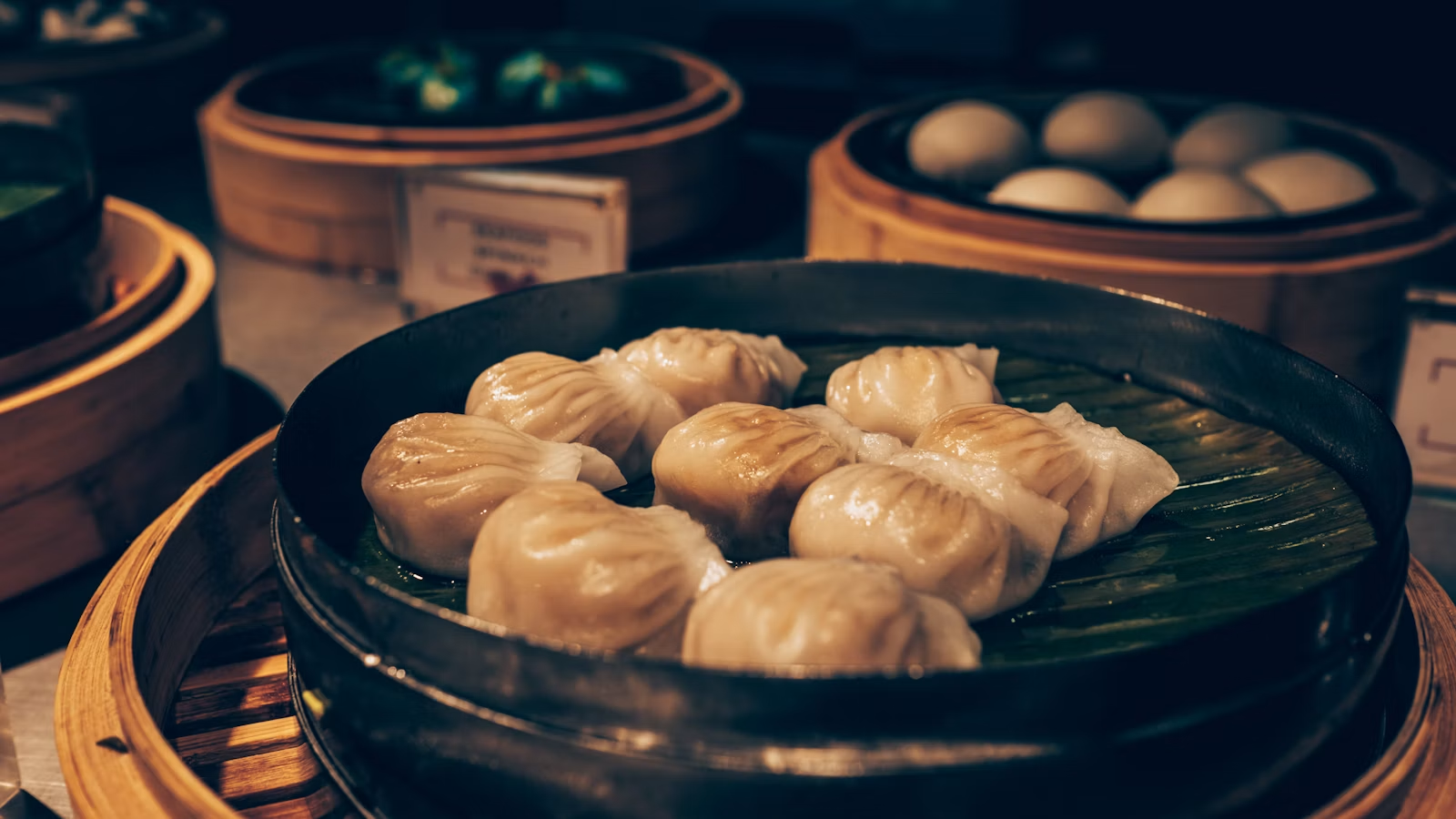
A tight seal matters more than a perfect pleat. Dinner guests rarely grade dumpling geometry once the dipping sauce appears.
What makes steamed dumplings tender and juicy
The filling needs moisture, but not loose water. Napa cabbage supplies freshness and sweetness; salting it briefly, then squeezing it dry, keeps that moisture inside the filling instead of leaking onto the wrappers. Ground pork brings enough fat to stay tender through steaming, while soy sauce, sesame oil, ginger, garlic, and scallion-like chives build a savory base.
Stir the filling in one direction until it looks sticky rather than crumbly. That small bit of mixing helps the pork bind with the vegetables, so each dumpling holds together when bitten. If you are unsure about seasoning, cook a teaspoon of filling in a skillet before wrapping the batch and adjust from there.
Keep wrappers and filling workable
Wrapper thickness changes the experience, too. Refrigerated round dumpling skins are convenient and pleasantly chewy, but they vary by brand. If yours feel stiff, let the sealed package sit at room temperature for 15 minutes before opening it. Do not microwave the stack; warm spots make wrappers sticky while the cooler ones remain brittle. If a wrapper cracks, brush the edge with water and patch it with a small scrap rather than adding more filling and hoping for diplomacy.
Keep raw filling cold while you work. On a warm day, set the mixing bowl over a second bowl filled with ice, or wrap half the dumplings and refrigerate the rest of the filling. This is also a good recipe for company: one person portions, one wets the edges, and everyone folds. The shapes will differ, but similar amounts of filling help the dumplings finish at the same time. Set up a small tray for each person so the wrappers never sit in a damp pile.
How to fill and fold without tears
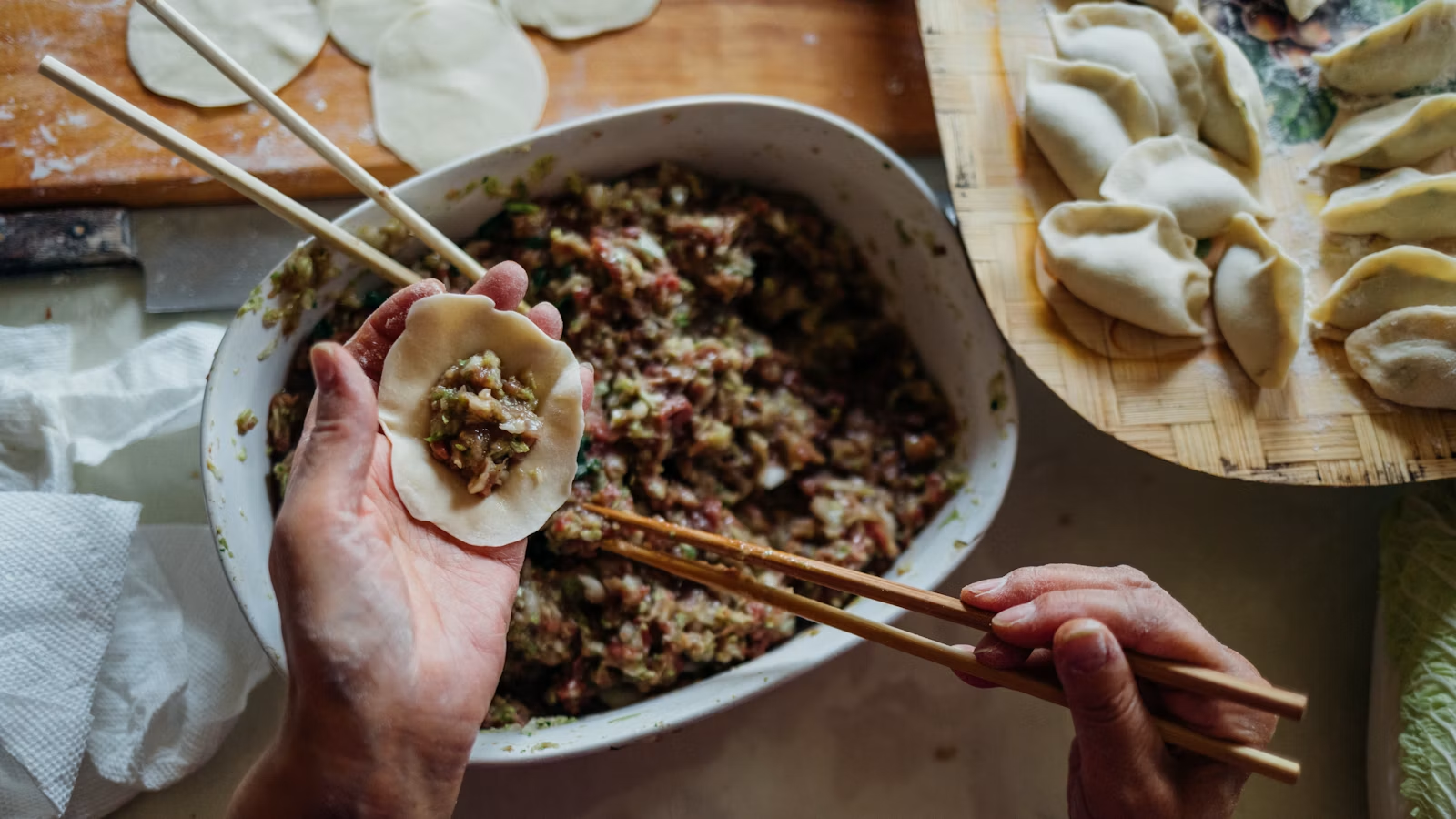
Keep store-bought wrappers covered with a barely damp towel while you work; exposed edges dry quickly and become difficult to seal. Place about two teaspoons of filling in the center. Too much filling makes a handsome dumpling for roughly four seconds, right before it splits.
Moisten the wrapper edge lightly with water, fold it into a half-moon, and press out air as you seal. A plain pressed edge is completely respectable. If you want pleats, make two or three small folds on the front half of the wrapper while leaving the back smooth. Set finished dumplings on parchment and cover them until the steamer is ready.
Steamed dumplings recipe
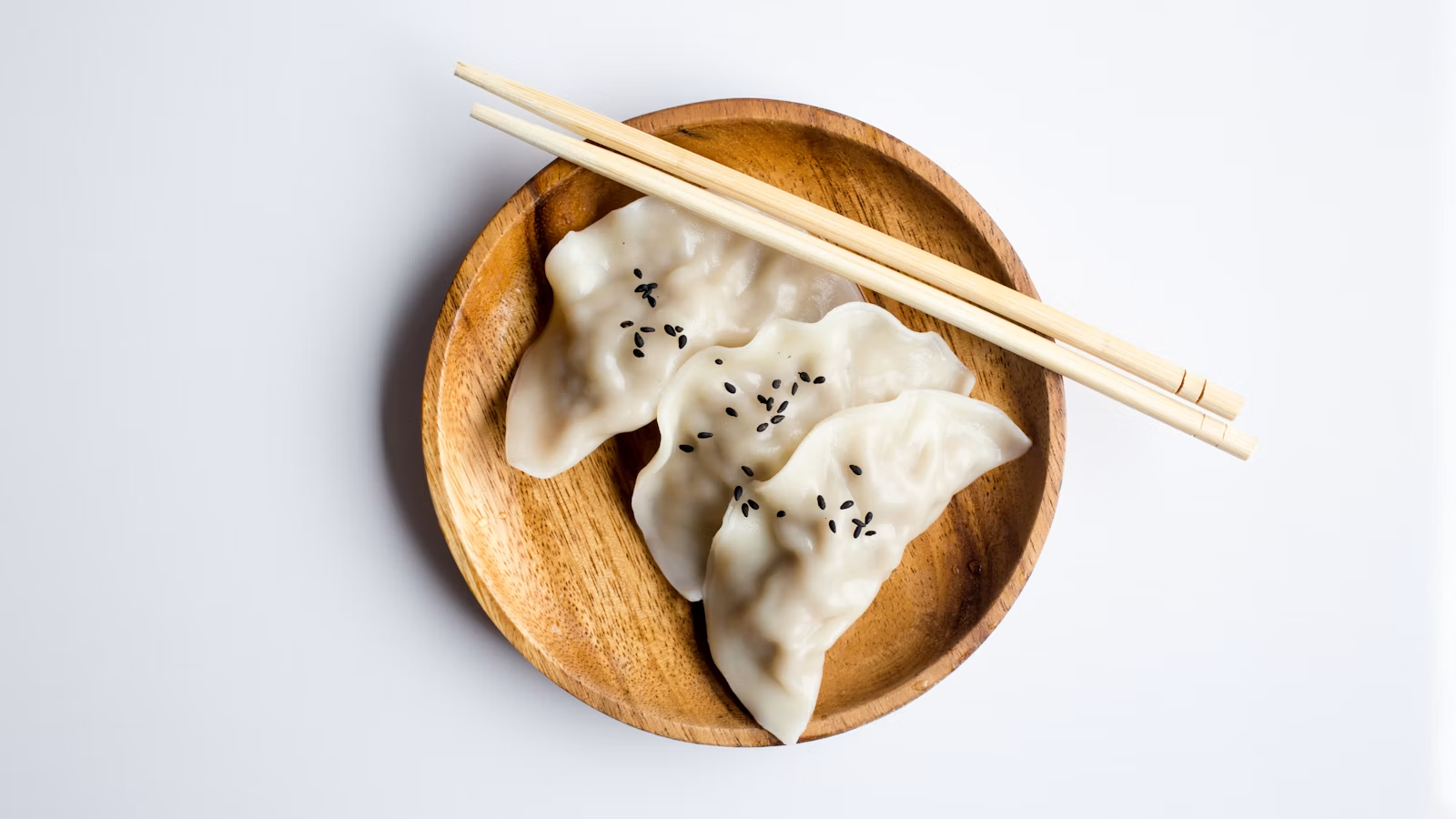
The recipe card below makes 30 pork and cabbage dumplings plus a simple soy-vinegar sauce. A bamboo steamer gives them a lovely presentation, but a metal steamer insert works equally well. Line either one with perforated parchment or cabbage leaves so the wrappers do not weld themselves to the basket.
Steamed Dumplings Recipe

Ingredients
- 4 cups finely chopped Napa cabbage about 12 ounces
- 1 teaspoon kosher salt
- 1 pound ground pork
- 3 scallions finely chopped
- 1 tablespoon fresh ginger finely grated
- 2 cloves garlic minced
- 2 tablespoons low-sodium soy sauce
- 1 tablespoon toasted sesame oil
- 1 tablespoon Shaoxing wine or dry sherry optional
- 1/4 teaspoon ground white pepper
- 30 round dumpling wrappers keep covered while working
- water for sealing
- 3 tablespoons low-sodium soy sauce
- 2 tablespoons Chinese black vinegar or rice vinegar
- 1 teaspoon toasted sesame oil
- 1 teaspoon chili crisp optional
Equipment
- 1 bamboo or metal steamer with a tight-fitting lid
- 1 large mixing bowl
- 1 fine-mesh strainer
- 1 Instant-read thermometer recommended
- 1 parchment steamer liner or cabbage leaves
Instructions
- Toss the chopped cabbage with the salt and let it stand for 10 minutes. Squeeze it firmly in a clean kitchen towel or press it in a fine-mesh strainer to remove as much liquid as possible.
- Combine the drained cabbage, pork, scallions, ginger, garlic, soy sauce, sesame oil, Shaoxing wine, and white pepper. Stir in one direction until the mixture looks sticky and cohesive.
- Place about 2 teaspoons filling in the center of a wrapper. Moisten the edge with water, fold into a half-moon, and press firmly to seal. Add simple pleats if you like, but a tight seal matters more than perfect folds. Keep finished dumplings covered.
- Bring 1 to 2 inches of water to a steady simmer. Line the steamer with perforated parchment or cabbage leaves and arrange dumplings at least 1/2 inch apart.
- Cover and steam in batches for 10 to 12 minutes, keeping the water below the steamer basket. Check a center dumpling with an instant-read thermometer; the pork filling should reach 160°F (71°C).
- Stir together the dipping sauce ingredients and serve the dumplings hot.
Nutrition
Video
Notes
Tried this recipe?
Let us know how it turned out!Steaming, doneness, freezing, and reheating
Bring the water to a steady simmer before setting the basket over it, and make sure the water stays below the dumplings. Leave at least half an inch between them so steam can circulate. Most fresh dumplings need 10 to 12 minutes, but size and steamer setup vary.
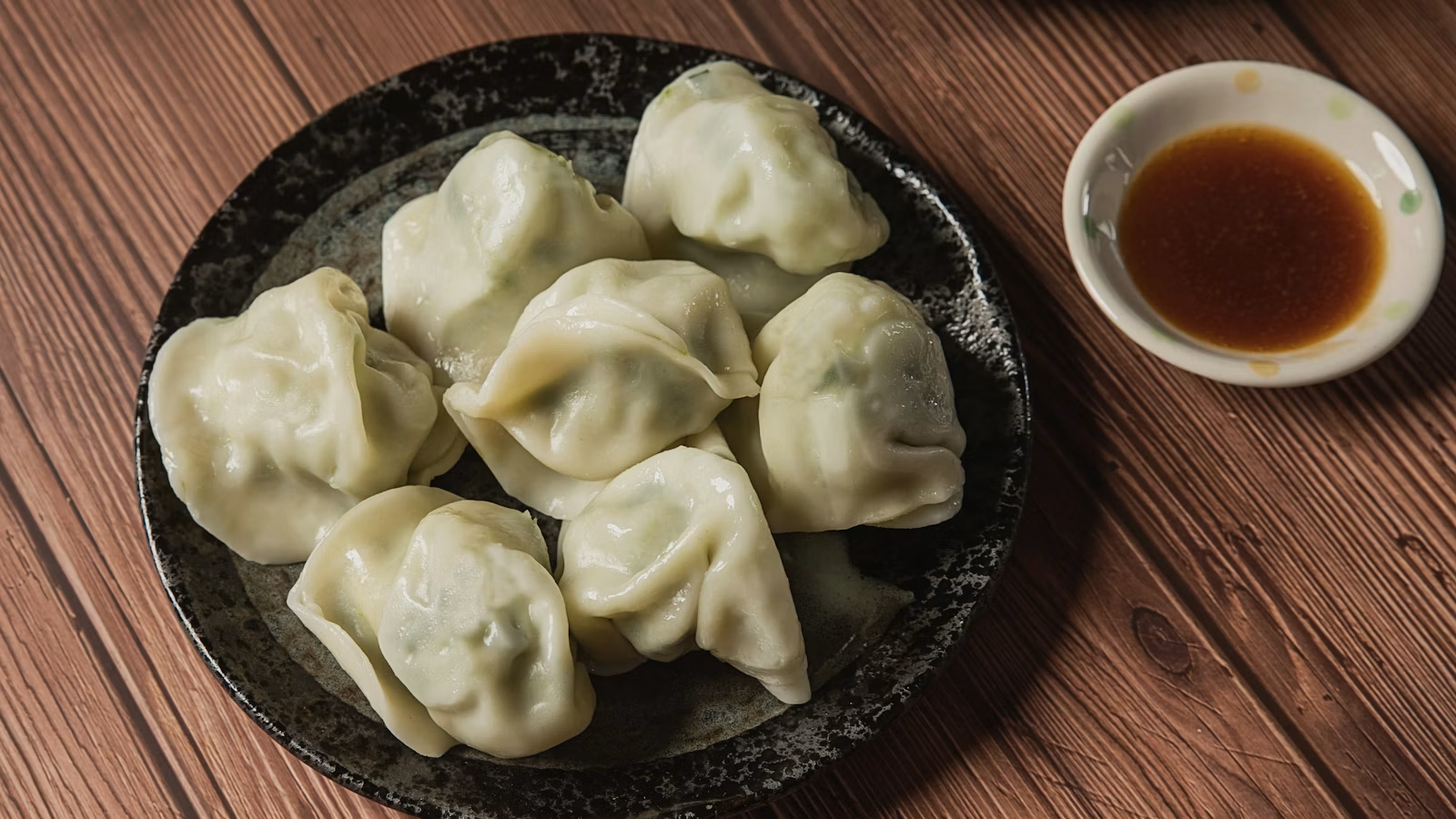
Because the filling contains ground pork, check a center dumpling with an instant-read thermometer. USDA guidance sets 160°F (71°C) as the safe minimum internal temperature for ground pork. Color alone is not a reliable doneness test, and opening one dumpling is a small price for a confidently cooked batch.
To freeze, arrange uncooked dumplings in one layer until hard, then transfer them to an airtight container for up to two months. Steam directly from frozen, adding roughly three to five minutes, and check the temperature again. Leftover cooked dumplings can be refrigerated for up to three days and resteamed until hot. A quick pan-sear after reheating gives the bottoms a crisp second life.
Sources
- Kikkoman: Pork and Cabbage Chinese Dumplings
- USDA FSIS: Safe Minimum Internal Temperature Chart
- FoodSafety.gov: Safe Minimum Internal Temperatures
Hi, I’m Laura, the voice behind Tastiva. I’ve always believed that eating well should feel enjoyable, comforting, and realistic—not like another complicated rule to follow. I love creating recipes that fit into everyday life, sharing simple nutrition ideas, and finding small ways to make meals feel a little better without losing the pleasure of good food.