
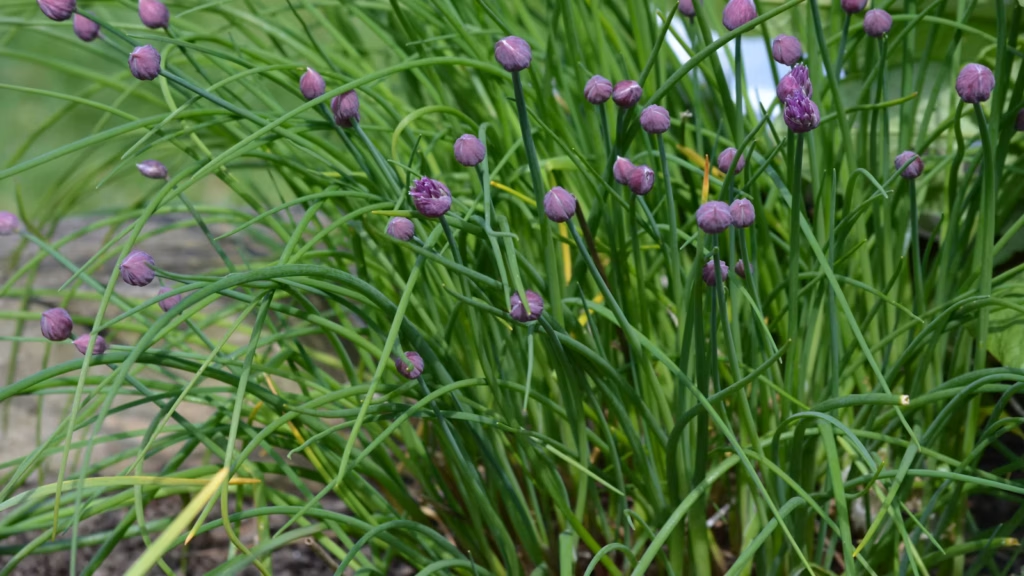
Chives are the tiny green finish that makes a plate look cared for. They add a mild onion flavor without the sharp bite or crunchy pieces of raw onion, which is exactly why I reach for them when eggs, potatoes, soup, or a creamy dip needs one fresh last note.
Chives are quiet cooks: they rarely take over, but you notice when they are missing.
They are also easy to waste. A bunch looks sturdy at the store, then collapses into a damp tangle in the crisper. The good news is that careful drying, gentle cutting, and a few smart storage habits make a real difference.
What are chives?
Common chives are Allium schoenoprasum, a perennial herb in the same broad family as onions and garlic. The leaves are fine, hollow tubes with a clean, mild onion taste. Their round purple flowers are edible too, with a flavor that is a little more assertive than the leaves.
Because the flavor is delicate, heat is not their best friend. Stir them into a hot dish at the end or scatter them over the top just before serving. Long cooking turns the color dull and erases most of what makes them special.
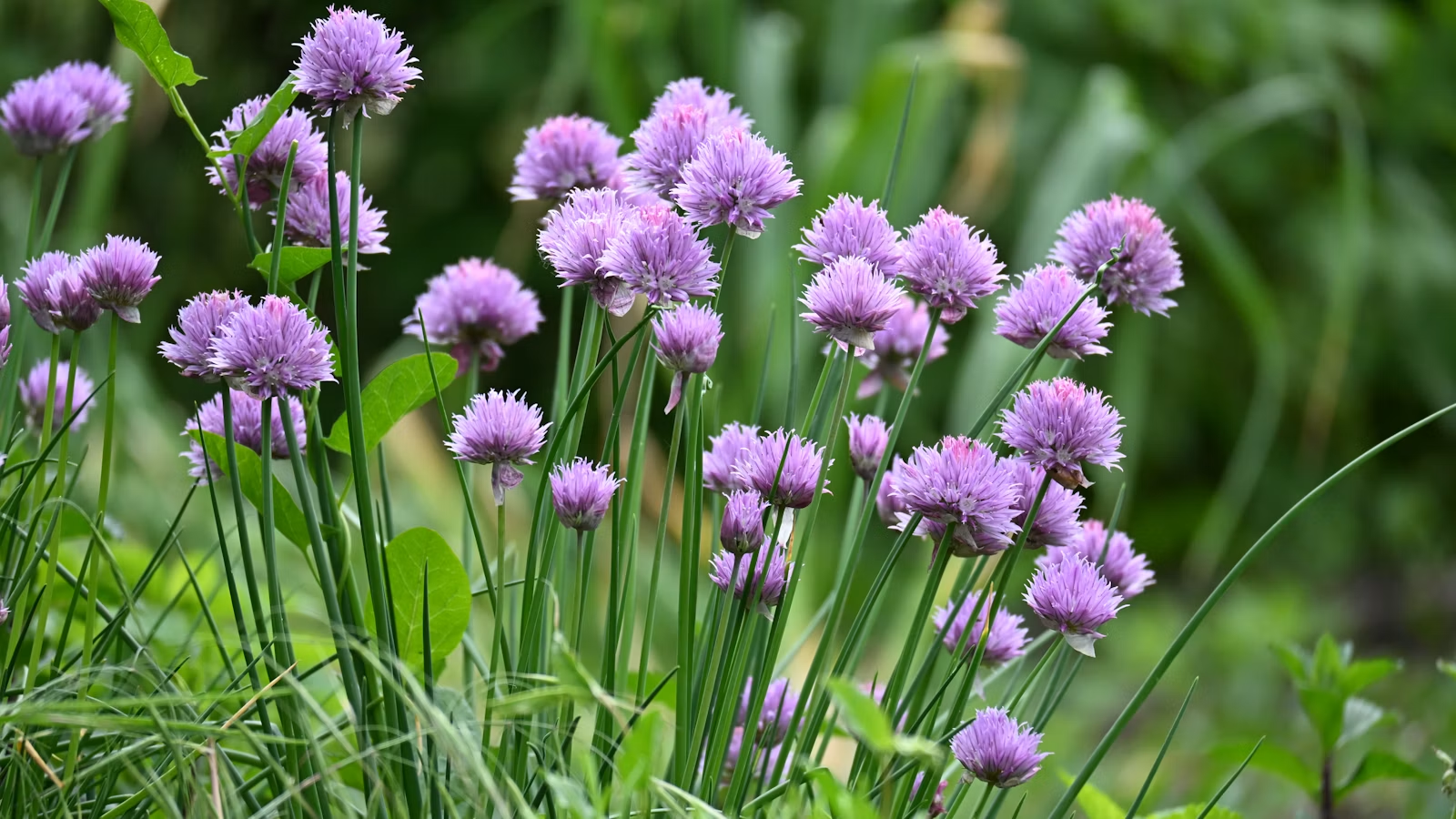
Chives vs. scallions and garlic chives
These names get tossed around as if they are interchangeable, but the ingredients behave differently. Scallions have thicker stalks, white bases, and a stronger onion bite. You can sauté them or use them raw. Common chives are much finer and work best as an herb or garnish.
Garlic chives, or Allium tuberosum, have flat, broader leaves and a definite garlicky flavor. They are lovely in dumplings, noodle dishes, and stir-fries, but they will change the personality of a recipe that expects mild onion flavor. If a bunch has round hollow leaves, it is usually common chive; flat leaves point toward garlic chive.
How to buy, cut, and use chives
Look for bright green leaves that stand upright and feel springy. Skip bunches with slimy patches, yellow tips, or a sour smell. A little bending is normal; wet mushiness is not.
Wait to rinse the herb until you are ready to use it when possible. Swish it briefly in cool water, then dry it very well with a clean towel or salad spinner. Water left between the leaves speeds up spoilage and makes neat cuts harder.
Gather the leaves into a loose bundle and use a sharp knife to slice crosswise. Do not saw back and forth or press them into the cutting board; bruised chives become watery and dark. Kitchen shears are convenient, although a knife gives me more even little rings.
7 smart ways to use chives
- Fold them into scrambled eggs or sprinkle them over hard-boiled eggs.
- Finish baked potatoes or mashed sweet potatoes with a generous spoonful.
- Stir them into Greek yogurt, sour cream, or cream cheese for a quick dip.
- Add them to biscuit or savory scone dough.
- Whisk them into vinaigrette, but make only what you can refrigerate and use promptly.
- Scatter them over a bowl during soup season after the pot comes off the heat.
- Mix finely cut leaves with softened butter and a pinch of salt for vegetables, fish, or warm bread.
One caution: fresh-herb oil is not a casual countertop project. Herbs introduce moisture, and infused oils need tested preparation and refrigerated storage guidance. For everyday cooking, I prefer making a small vinaigrette or herb butter and keeping it cold.

Store, freeze, and grow them back
For the refrigerator, remove any ties, discard damaged leaves, and keep the bunch loosely wrapped in a barely damp paper or cloth towel inside a container. Check the herb rather than trusting a fixed number of days. If the towel becomes wet, replace it; if the leaves smell off or feel slimy, let them go.
Freezing works well when the eventual destination is a cooked dish. Cut clean, thoroughly dry chives, freeze them in a thin layer, then transfer them to a labeled bag. You can also freeze small portions in water or oil for soups and sauces. They lose their crisp texture after thawing, so they will not be pretty on a finished plate, but the flavor is still useful.
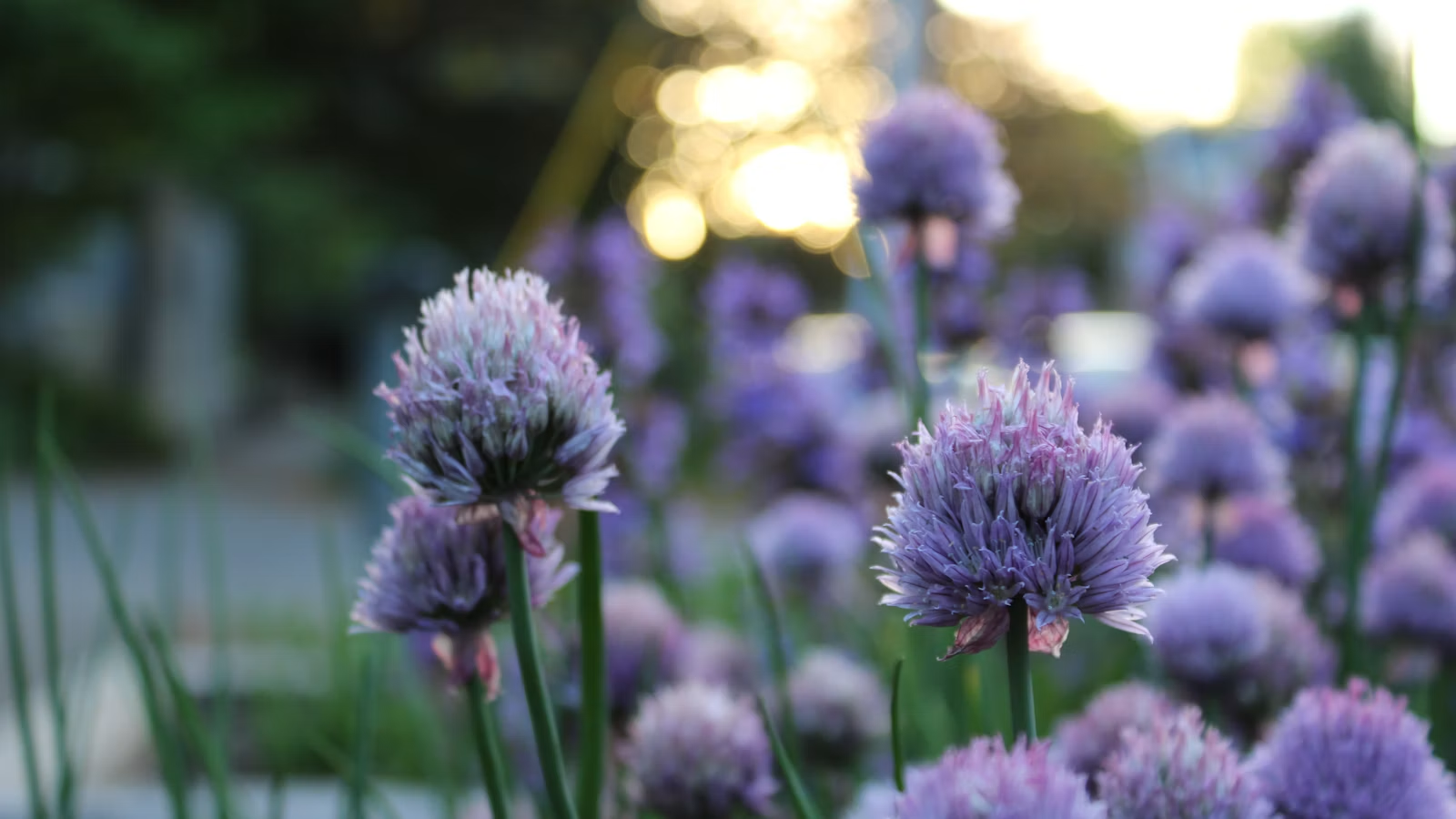
If you have a living plant, snip leaves a couple of inches above the soil instead of pulling them out. Harvesting encourages fresh growth, and dividing an established clump every few years keeps it productive. I like leaving a few blossoms for pollinators and cutting the rest for salads or vinegar.
Nutritionally, chives contribute vitamins and plant compounds, but most of us eat them by the tablespoon, not the bowl. Think of them as a flavorful way to brighten food—not a miracle ingredient. Their real strength is making simple meals taste fresher with almost no effort.
Chef James Briscione of the Institute of Culinary Education demonstrates gentle herb-cutting techniques in this lesson made with Wüsthof. The chive-slicing section shows how a controlled motion helps avoid bruising the leaves.
Sources
- Missouri Botanical Garden: Allium schoenoprasum
- University of Minnesota Extension: Growing herbs
- Penn State Extension: Freezing herbs
- Penn State Extension: Safely making infused oils
- USDA FoodData Central

Hi, I’m Laura, the voice behind Tastiva. I’ve always believed that eating well should feel enjoyable, comforting, and realistic—not like another complicated rule to follow. I love creating recipes that fit into everyday life, sharing simple nutrition ideas, and finding small ways to make meals feel a little better without losing the pleasure of good food.