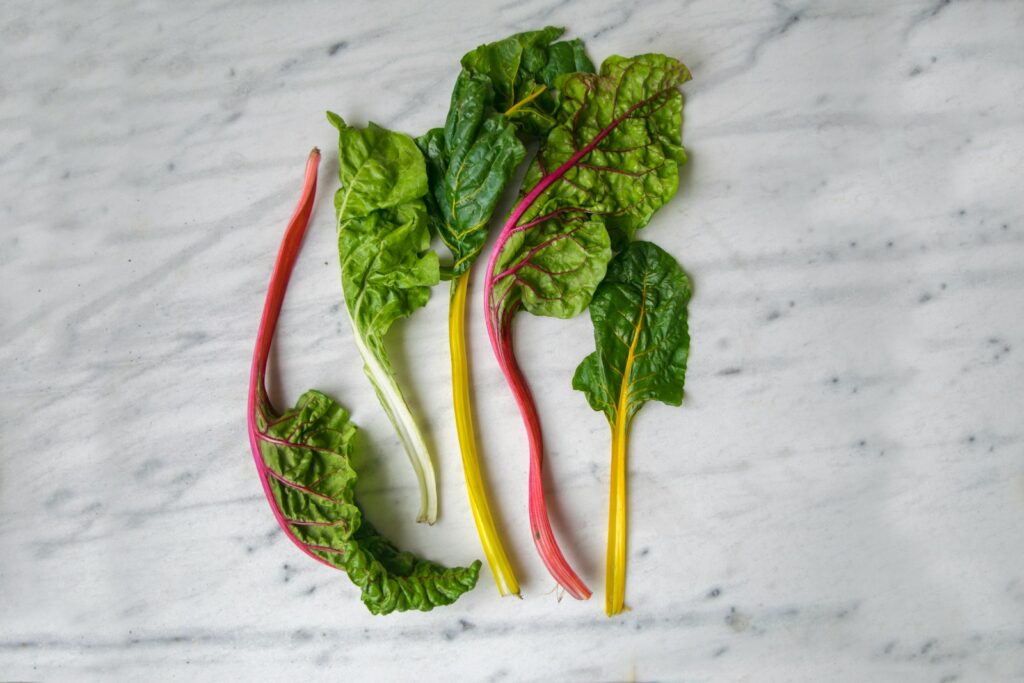
Swiss chard is a leafy green with tender, slightly earthy leaves and crisp, colorful stems—and yes, both parts are edible. It cooks much like spinach, but the stems need a few extra minutes. Nutritionally, it brings fiber and several micronutrients to the plate, with vitamin K being the one that deserves special attention for anyone taking warfarin.
Swiss chard gives you two vegetables in one bunch: tender leaves and juicy stems that deserve a head start in the pan.
What Swiss chard is—and what it tastes like
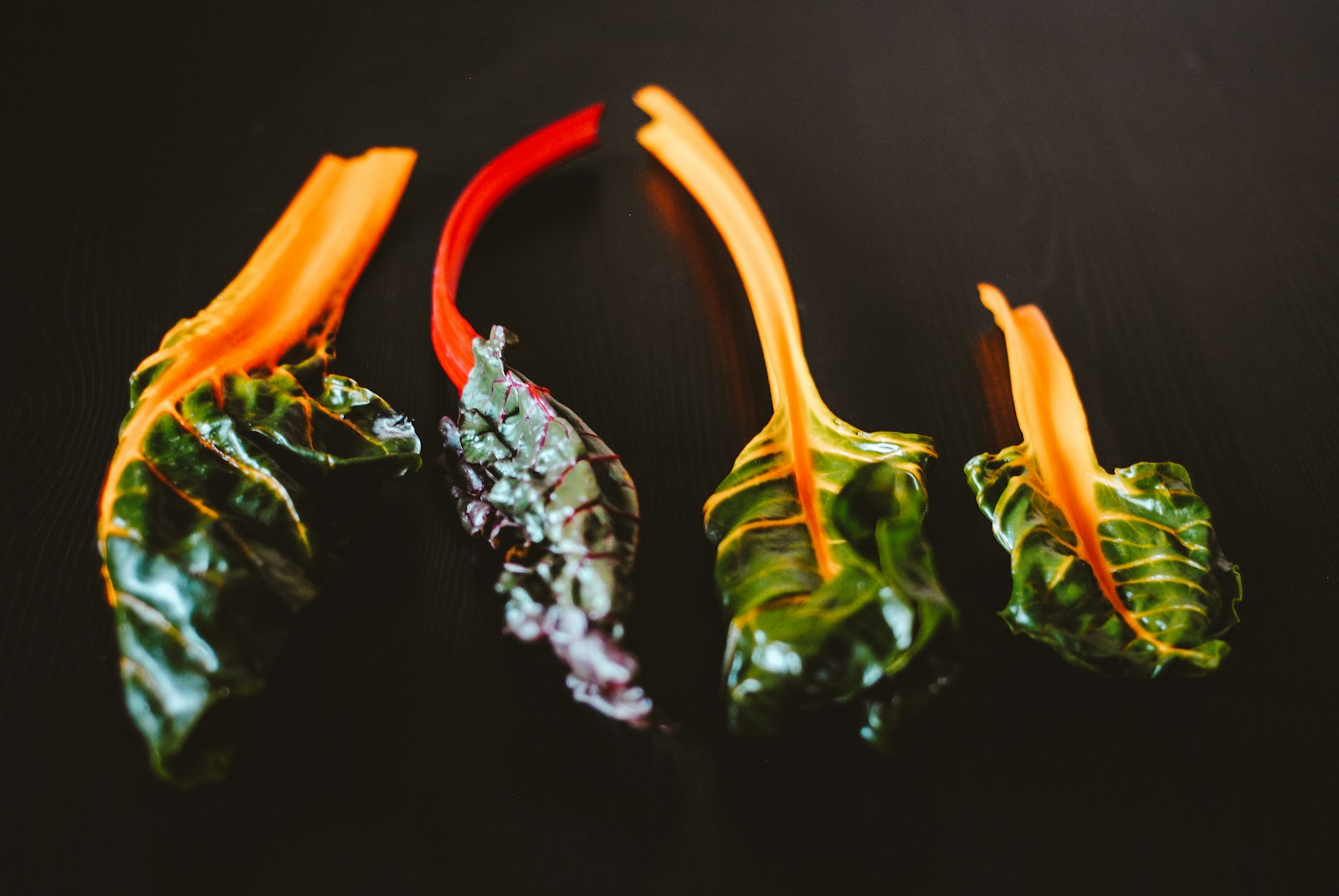
Despite the name, Swiss chard is not a type of lettuce and it is not especially Swiss. It belongs to the same species as beets, but growers select it for its broad leaves and thick stalks rather than a swollen root. You may see green chard, red chard, or “rainbow chard,” which is simply a bright mixed bunch with white, yellow, orange, pink, and red stems.
The leaves taste earthy and gently bitter, while the stems are milder, a little sweet, and pleasantly crisp. Young leaves can work raw when sliced thin, but mature leaves usually become friendlier with heat. A squeeze of lemon, a splash of vinegar, creamy beans, eggs, garlic, and salty cheese all soften that green edge without burying it.
Swiss chard nutrition without the superhero cape
Swiss chard is a low-calorie vegetable that contributes fiber and nutrients including vitamin K, vitamin A compounds, vitamin C, magnesium, and potassium. Exact amounts change with portion size and whether it is raw or cooked, so I prefer treating the USDA database and the package label as references rather than turning one side dish into a nutrition contest.
Vitamin K helps with normal blood clotting and bone health. That is useful nutrition, but it also means consistency matters if you take warfarin: the NIH advises keeping vitamin K intake about the same from day to day rather than suddenly avoiding or doubling leafy greens. Your clinician or pharmacist can help fit chard into your usual pattern.
Chard also contains naturally occurring oxalates. Most people can simply enjoy it as part of a varied diet. Someone who has been given a specific kidney-stone diet, however, should follow individualized medical advice instead of assuming that every “healthy green” works the same way. For another practical look at mineral-rich foods, see our guide to foods high in magnesium.
Can you eat Swiss chard stems?
Absolutely. Throwing away the stems is like buying asparagus and keeping only the tips. The trick is timing: slice the stems crosswise and cook them first, then add the chopped leaves once the stems have begun to soften. Thin stems may need only a few minutes; broad mature stalks take longer.
For a quick skillet method, warm olive oil, cook the sliced stems with a pinch of salt, then add garlic and the leaves. Toss until the greens collapse but still look lively, and finish with lemon. The same stems can go into soups, frittatas, grain bowls, pasta, or a slow sauté with onions. If they are very fibrous, peel away any tough strings just as you would with celery.
How to buy, wash, store, and cook it well
Choose bunches with crisp stems and leaves that look full, not slimy, yellowed, or heavily wilted. At home, keep chard dry and loosely wrapped in the refrigerator, then wash it shortly before cooking. Grit likes to hide where the leaf meets the stem, so separate the leaves, rinse them under running water, and swish especially sandy bunches in a bowl of clean water before one final rinse.
- Sauté: Cook stems first, then leaves, garlic, and lemon.
- Braise: Add tomatoes, beans, or broth and simmer until tender.
- Steam: Keep the cooking brief, then season generously.
- Use raw: Choose small leaves, slice finely, and massage with dressing.
- Freeze: Blanch first, cool promptly, drain well, and freeze in usable portions.
Chard shrinks dramatically, so a heroic-looking bunch can become a modest bowl. I count that as a kitchen advantage rather than a disappointment: it slips easily into eggs, lentils, pasta, and soup, which is often exactly what a weeknight vegetable needs to do.
Sources
- USDA FoodData Central
- NIH Office of Dietary Supplements: Vitamin K
- U.S. Food and Drug Administration: Safe Food Handling

Hi, I’m Laura, the voice behind Tastiva. I’ve always believed that eating well should feel enjoyable, comforting, and realistic—not like another complicated rule to follow. I love creating recipes that fit into everyday life, sharing simple nutrition ideas, and finding small ways to make meals feel a little better without losing the pleasure of good food.