

Canned salmon is fully cooked salmon packed in water, oil, or its own juices, and it is one of the most practical protein staples in the pantry. It provides protein and omega-3 fats, may include calcium-rich softened bones, and is generally a lower-mercury seafood choice. The main differences between cans are salmon species, added salt, liquid, skin, bones, and serving size—so the label matters more than the prettiest package.
A can of salmon is one of those quiet pantry heroes: fully cooked, protein-rich, and ready before the skillet even warms.
What canned salmon is—and how it compares with fresh
Canning uses heat to make salmon shelf-stable, which means the fish is ready to eat straight from the can. Pink salmon is usually lighter in color and flavor, while sockeye or “red salmon” tends to be richer, firmer, and more expensive. Wild and farmed options can both appear on shelves, although the selection varies by brand and region.
Fresh and canned salmon are not nutritionally identical in every brand or serving, but both can contribute high-quality protein, omega-3 fats, vitamin B12, selenium, and vitamin D. Fresh fillets give you more control over seasoning and texture; canned salmon wins on speed, price stability, and keeping a useful dinner option around when the refrigerator looks emotionally unavailable.
For fresh fish technique, our guides to the best way to cook salmon and salmon internal temperature cover the part where heat and timing matter. With canned salmon, that cooking step has already happened.
Nutrition, bones, and skin: what stays in the can
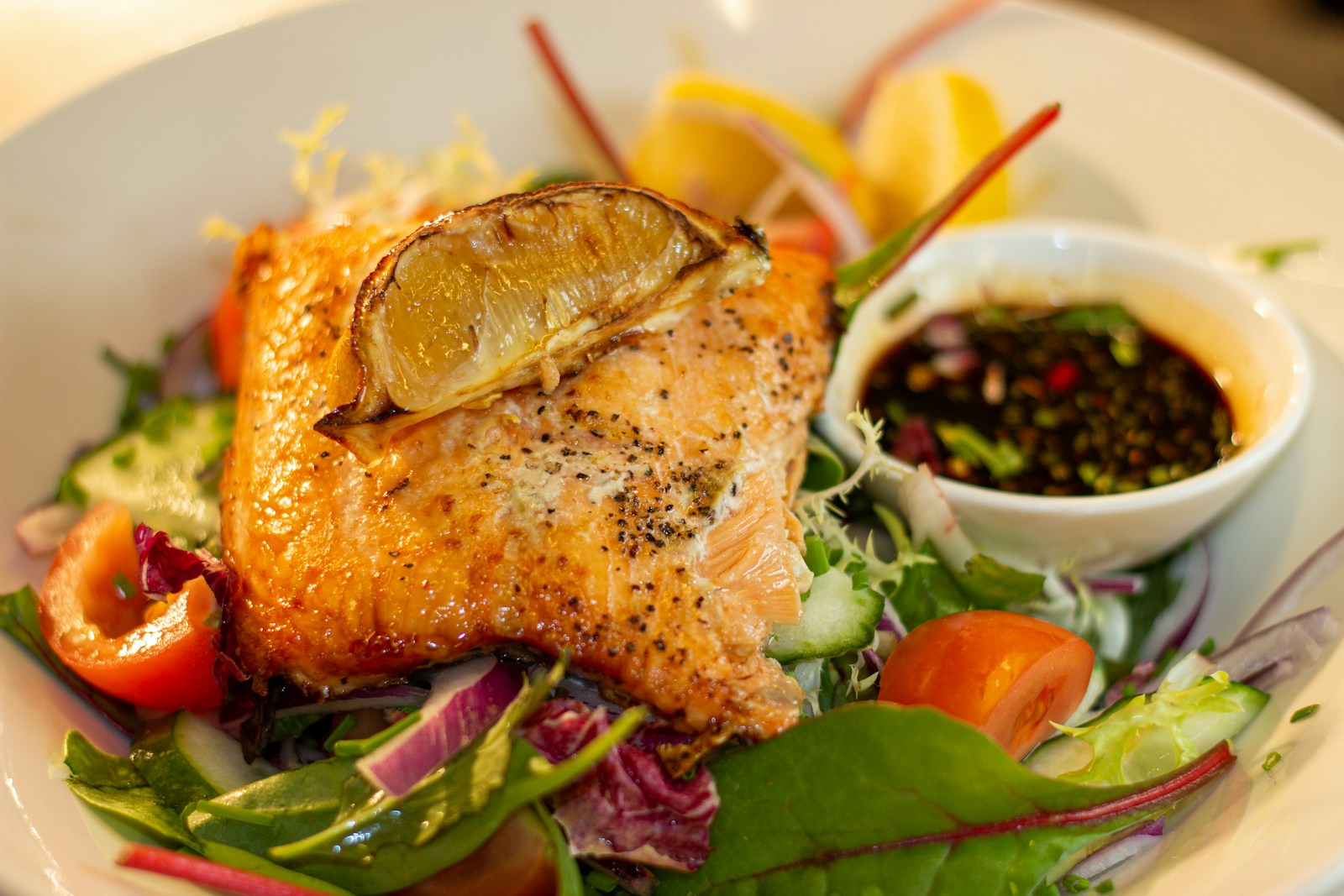
Canned salmon is a concentrated, convenient protein food. The exact calories, fat, sodium, and nutrients depend on the species, packing liquid, and whether the serving includes skin and bones. Compare products using the same serving size instead of assuming “wild,” “red,” or “premium” automatically means a better nutritional fit.
The small bones in traditional canned salmon are softened during processing and are edible. Mash them with a fork and they almost disappear, while contributing calcium. The skin is edible too and holds useful fat, though its stronger flavor and softer texture are not everyone’s favorite. Removing either is a preference, not a kitchen emergency.
Boneless, skinless cans are convenient for sandwiches and delicate salads, but they may contain less calcium than bone-in salmon. I usually suggest trying the whole-can version in patties, where breadcrumbs, egg, herbs, and lemon make the texture feel completely natural.
Mercury, sodium, and what to check on the label
The FDA and EPA place salmon on their “Best Choices” list for people who are pregnant or breastfeeding and for children, based on mercury levels. That does not turn every can into an unlimited food; it means salmon is among the lower-mercury fish options within the agencies’ serving guidance. Variety still matters, especially when seafood appears often during the week.
Sodium can vary much more noticeably from brand to brand. Look for “no salt added” or “lower sodium” when that fits your needs, then check the milligrams per serving and the number of servings in the can. Draining may remove some salty liquid, but it does not provide an exact sodium reset, so the Nutrition Facts panel remains the clearest comparison.
- Species: Pink is mild; sockeye or red salmon is usually bolder.
- Pack: Water or natural juices keep the flavor simple; oil changes richness and calories.
- Bones and skin: Edible, optional, and clearly noted on many labels.
- Sodium: Compare equal serving sizes and total servings per container.
- Can condition: Skip cans that are bulging, leaking, badly rusted, or deeply dented along a seam.
How to store it and turn one can into a meal

Keep unopened cans in a cool, dry pantry and follow the package date and storage directions. Once opened, transfer leftovers to a covered food-safe container, refrigerate promptly, and use FoodKeeper guidance for the safest storage window. Do not leave opened seafood sitting at room temperature while dinner slowly negotiates with everyone’s schedule.
Canned salmon works best when you give it contrast: something crisp, something creamy, and something acidic. Fold it into a lemony yogurt salad, spoon it over rice with cucumber, stir it into pasta with peas, pile it on toast, or shape it into patties. A can also stretches beautifully through chowder, fish cakes, scrambled eggs, or a grain bowl.
My easiest formula is salmon plus one binder, one bright flavor, and one fresh ingredient: mayonnaise or yogurt, lemon or mustard, then celery, scallions, dill, or parsley. It is less a recipe than a dependable little equation—and pantry dinners need more of those.
Sources
- USDA FoodData Central
- U.S. Food and Drug Administration: Advice About Eating Fish
- FoodSafety.gov: FoodKeeper App
- U.S. Food and Drug Administration: Safe Food Handling

Hi, I’m Laura, the voice behind Tastiva. I’ve always believed that eating well should feel enjoyable, comforting, and realistic—not like another complicated rule to follow. I love creating recipes that fit into everyday life, sharing simple nutrition ideas, and finding small ways to make meals feel a little better without losing the pleasure of good food.