
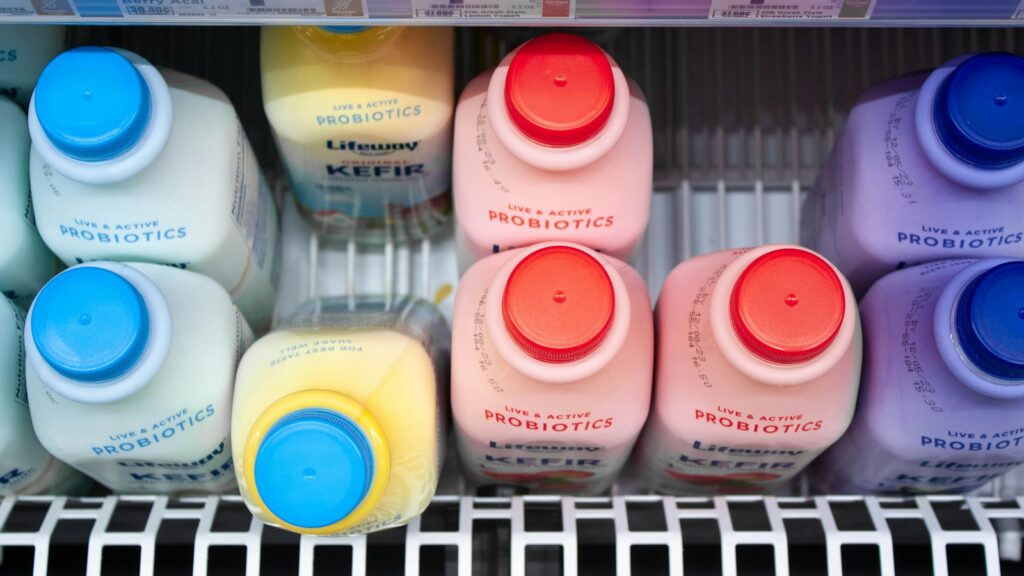
A tiny dairy shot, a bottle of kefir, and a fizzy can can all make similar promises in the beverage aisle. A probiotic drink contains live microorganisms intended to provide a health benefit when consumed in an adequate amount. The useful question is which microorganisms it contains, what evidence supports them, and whether the rest of the drink suits you.
Treat the bottle as a food choice first, then ask what its specific cultures can actually support.
What makes a probiotic drink different?
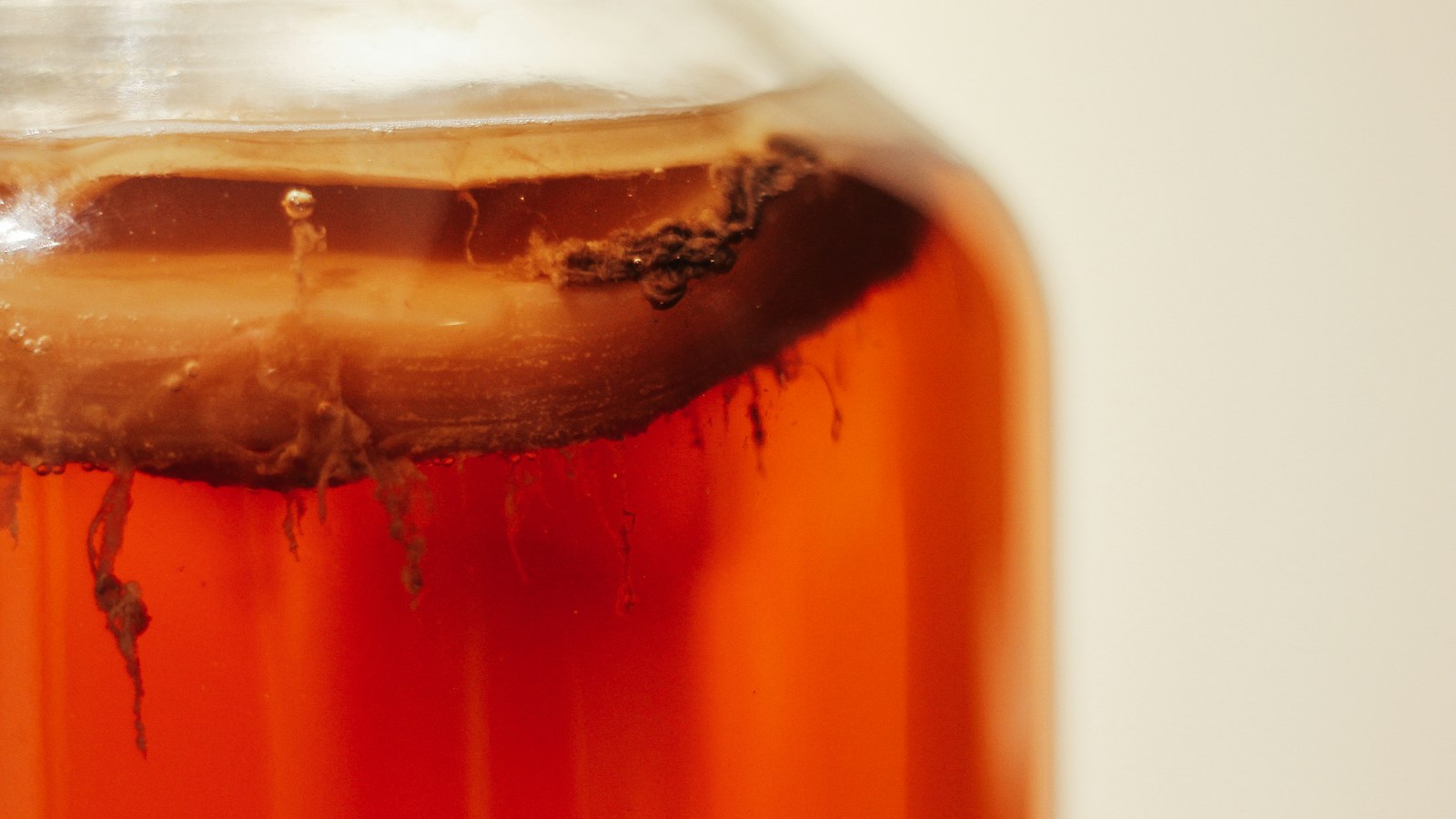
Probiotics are defined by live microorganisms, adequate amounts, and a demonstrated health benefit. Fermentation describes a process in which microorganisms change a food or drink. The two ideas overlap, but they aren't synonyms: processing can remove or kill cultures, and simply containing live microbes doesn't establish every advertised benefit.
A prebiotic drink is different again. Prebiotics are substances used by beneficial microorganisms; they aren't the live organisms themselves. A drink may contain both, one, or neither. Our prebiotic versus probiotic guide explains that distinction in more depth, so you can read a beverage label without the words blurring together.
| Drink description | The question worth asking | What not to assume |
|---|---|---|
| Cultured dairy drink or kefir | Which live cultures are present? | Every product has the same strains or effects |
| Fermented tea or another fermented beverage | Are microorganisms still present in the finished drink? | Fermented automatically means clinically studied probiotic |
| Juice with added probiotics | Which strain and amount were added? | The base drink's sugar or nutrition is unchanged in importance |
| Prebiotic soda | What prebiotic ingredient is included? | It necessarily contains live probiotic organisms |
I would keep the distinction practical: enjoy a fermented drink for its flavor if you like it, but ask for more information before paying extra for a particular health claim. Pleasantly tangy and medically effective are different descriptions, and a bottle doesn't need to be both to have a place at lunch.
Read the cultures, amount, and storage directions together
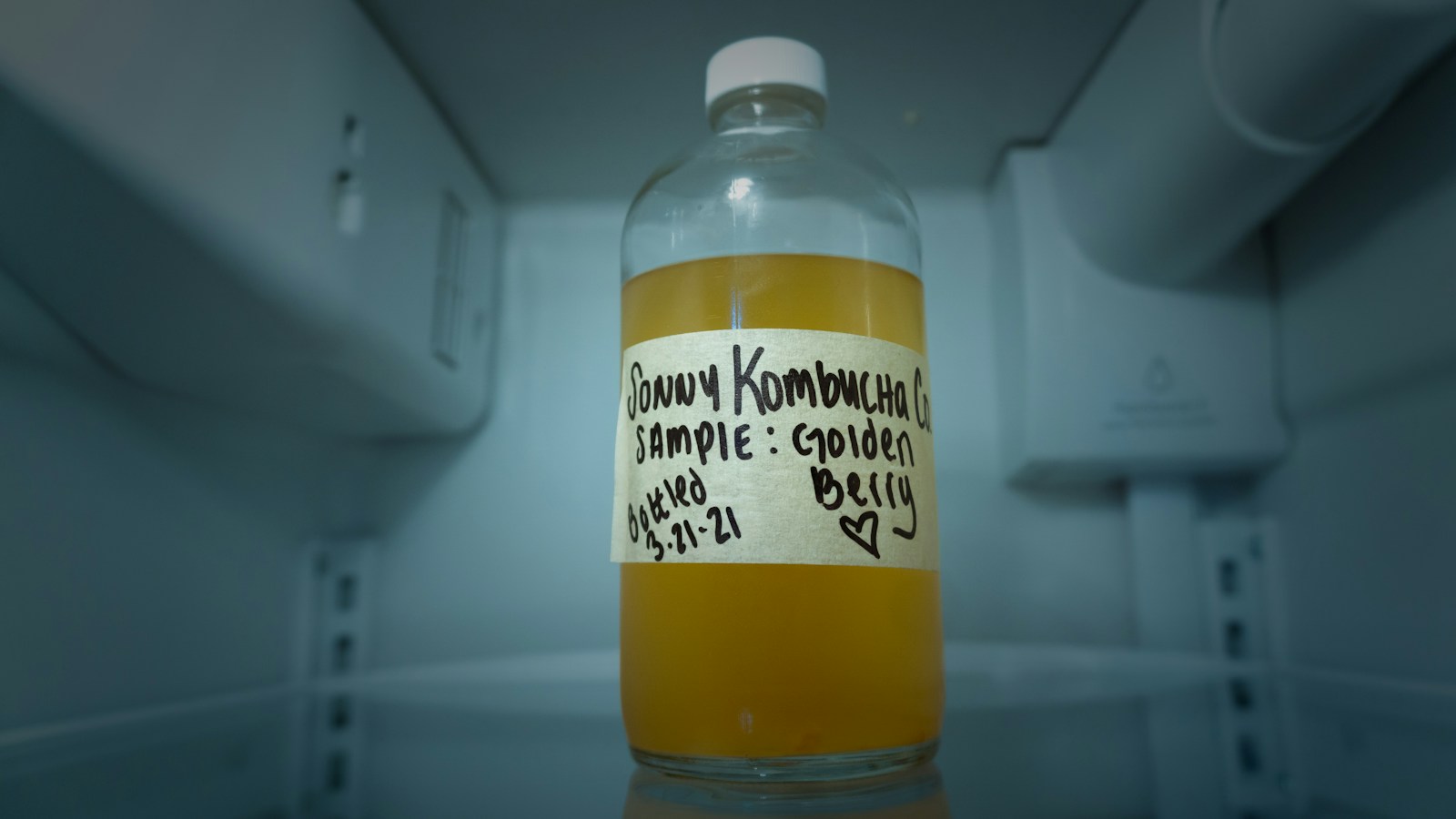
The NIH Office of Dietary Supplements recommends looking for the microorganism's genus, species, and strain. A strain is the more specific identifier, and evidence for one strain doesn't automatically apply to another. A long list of scientific names may look impressive while still leaving you without the information needed to evaluate a specific claim.
CFU stands for colony-forming units, a way of reporting viable microorganisms. Bigger counts don't automatically mean better results. Where counts are given, look for information through the expiration date rather than only at manufacture, and follow storage directions because the number of live organisms can change over time.
- Find the culture names on the package or the manufacturer's product information.
- Check whether a benefit claim identifies the exact product or strain studied, rather than “probiotics” in general.
- Read the serving size; a small shot and a full bottle may represent different amounts.
- Check the use-by date and whether refrigeration is required before and after opening.
- Ask the manufacturer if essential details are missing instead of filling in the gaps from a different product's website.
If you want a probiotic for a diagnosed condition or while taking an antibiotic, ask your clinician about the actual product and intended use. The probiotics benefits guide covers the broader evidence; an ordinary shopping decision shouldn't turn into guessing a treatment from a refrigerator display.
Don't overlook the drink around the cultures
Compare the base of a probiotic drink as carefully as its cultures. A dairy drink may contribute protein and calcium, while a juice-based product has a different nutrient profile. Added sugars, total carbohydrate, serving size, and allergens can matter even when both products advertise live cultures on the front.
For example, imagine you want something to accompany breakfast. A drink that you enjoy and that fits the meal may be useful; another tiny bottle might add expense without solving a practical need. I would compare what each contributes to your actual routine before counting the number of claims on the label.
- Milk allergy: A dairy-based probiotic drink still contains milk unless an appropriate alternative is clearly identified.
- Lactose intolerance: Fermentation doesn't guarantee that every product is lactose-free; read the specific label.
- Sugar preferences: Check the amount in the portion you drink, including whether the bottle contains more than one serving.
- Added fibers or sweeteners: Notice ingredients that have bothered you before, since digestive comfort depends on more than the cultures.
You can choose an ordinary cultured food without buying a specialized shot. Conversely, a conveniently sized drink may suit a busy morning. Those are personal, practical trade-offs; neither package format makes the product automatically necessary or superior.
Set expectations before making it a daily habit
There isn't a universal recommendation that every healthy person take probiotics. Effects depend on the organism, dose, purpose, and individual, and some people experience gas or other discomfort. A drink should not replace evaluation of persistent symptoms or treatment recommended by a healthcare professional.
People who are seriously ill or have a weakened immune system should discuss probiotic products with their care team, because infections and other complications have occurred in vulnerable groups. This is a specific caution about who may need individualized advice, not a reason to make every food choice feel alarming.
If you decide to try a probiotic drink as a food, keep the choice simple: one product you can identify, proper storage, and a realistic reason for buying it. Notice taste, cost, and comfort rather than expecting a universal “gut reset.” If the product doesn't suit you, you can choose another food or drink without treating that as a health failure.
Sources
- NIH Office of Dietary Supplements: Probiotics
- NCCIH: Probiotics, Usefulness and Safety
- ISAPP: Fermented Foods and Live Microorganisms

Hi, I’m Laura, the voice behind Tastiva. I’ve always believed that eating well should feel enjoyable, comforting, and realistic—not like another complicated rule to follow. I love creating recipes that fit into everyday life, sharing simple nutrition ideas, and finding small ways to make meals feel a little better without losing the pleasure of good food.