

A recipe that says “one can of Carnation milk” leaves a little detective work for today's baking aisle. Carnation is a brand, and the exact product matters: regular evaporated milk, fat-free evaporated milk, lactose-free evaporated milk, and dry milk don't all arrive in the same form or package size. Read the full name before deciding what goes into your bowl.
Match the product, the amount, and the flavor to the recipe before the can opener comes out.
Which Carnation milk does your recipe mean?
In many U.S. recipes, the familiar canned product is plain evaporated milk: concentrated dairy milk without added sugar. Carnation's current U.S. range also includes lower-fat versions, lactose-free evaporated milk, instant nonfat dry milk, and flavored evaporated products. The logo alone doesn't identify which one an older recipe intended.
Sweetened condensed milk is a different ingredient, with added sugar and a much thicker consistency. It isn't a direct substitute for plain evaporated milk in either direction. For the underlying ingredient explanation, our evaporated milk guide covers the difference; this guide helps you choose among packages carrying the brand name.
| Product description | What to check | Practical implication |
|---|---|---|
| Plain evaporated milk | Fat level and fluid-ounce amount | Use the form and quantity the recipe specifies |
| Fat-free evaporated milk | Nutrition panel and recipe suitability | Lower fat doesn't mean dairy-free |
| Lactose-free evaporated milk | Carton size and milk allergen statement | Suitable for a different need than avoiding milk protein |
| Instant nonfat dry milk | Powder measurement and mixing directions | Don't pour dry powder as though it were canned milk |
| Flavored evaporated milk | Flavor name and ingredients | A sweet or spicy flavor may change the whole dish |
I would be especially careful with a handwritten recipe calling for Carnation milk when it gives no size. Look for a matching recipe from the author or brand, or compare the full ingredient proportions before guessing. “One can” is a package description, not a permanent unit of measurement.
The package-size difference that can change a recipe
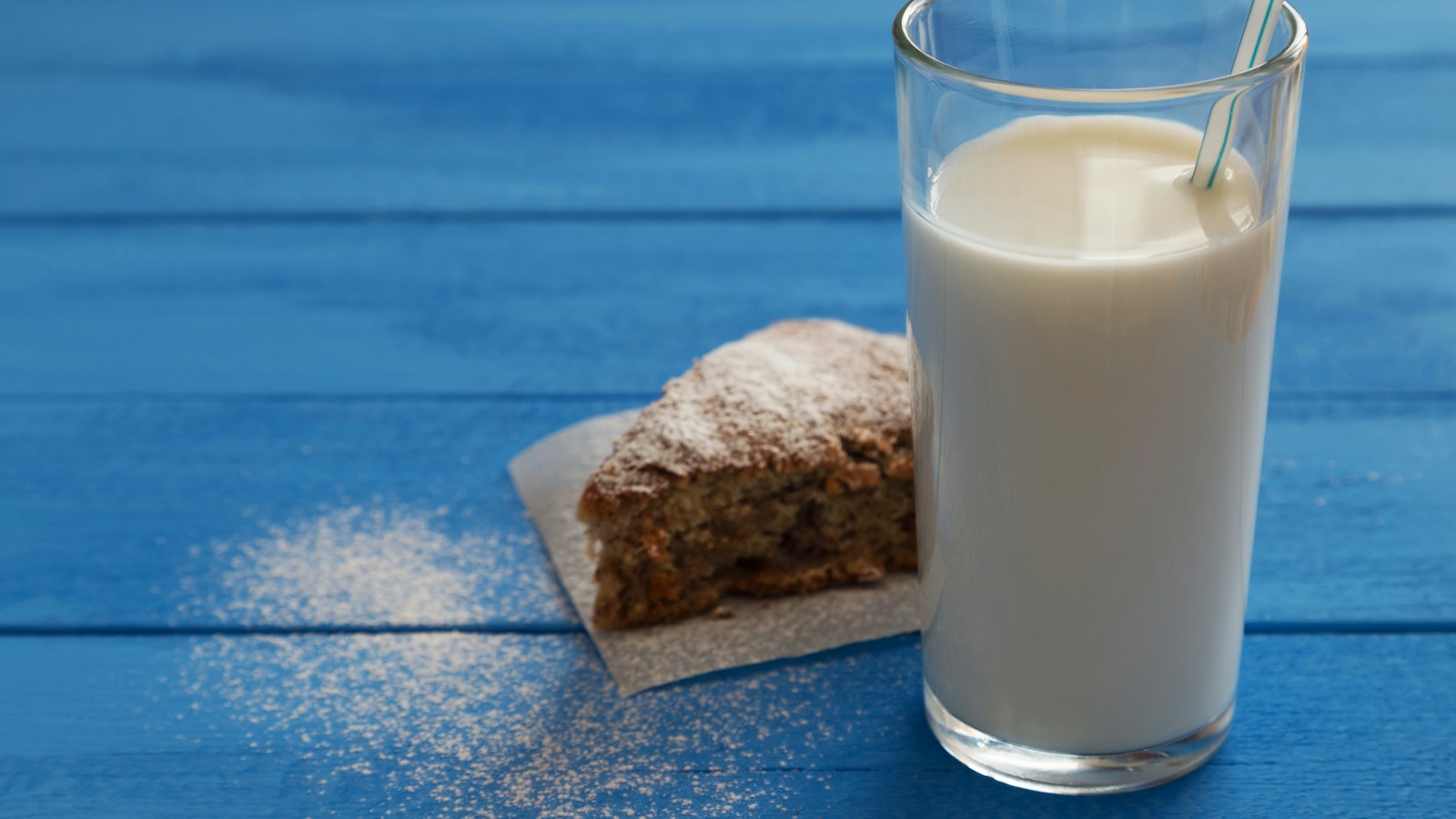
The regular U.S. Carnation evaporated milk can is commonly 12 fluid ounces, or 1½ U.S. cups. The lactose-free product page lists an 11-fluid-ounce carton, equal to 1⅜ U.S. cups. That leaves a difference of 1 fluid ounce, or 2 tablespoons, when a recipe calls for a full 12-fluid-ounce can.
That arithmetic doesn't tell you how to replace the missing volume. Adding water changes concentration; adding another dairy product changes the formula. A flexible soup may allow adjustment, while a custard, pie, or fudge deserves the exact quantity and product form in a reliable recipe. Measure from an additional package when you need the same ingredient and volume.
- Read fl oz as volume, and net wt oz as weight. They aren't automatically interchangeable.
- Use a liquid measuring cup for a recipe written in cups rather than estimating from the container's appearance.
- Scale all ingredients consistently if you're deliberately making a smaller batch.
- Keep the package nearby until you've finished measuring; it's much easier than remembering whether a carton held 11 or 12 fluid ounces.
Five checks for flavor, nutrition, and suitability
The lactose-free carton still contains milk; its ingredient list includes lactase, the enzyme used to break down lactose. That can address lactose intolerance, but it doesn't make the product suitable for a milk allergy. Similarly, fat-free describes fat content, not the absence of milk protein or naturally occurring sugars.
- Product type: Confirm evaporated, condensed, or dry milk before comparing anything else.
- Fat level: Follow the recipe's specification when richness or setting behavior matters.
- Flavor: Caramel and jalapeño versions are purposeful flavor choices, not neutral substitutes for every recipe.
- Amount: Check the stated volume and calculate what the recipe needs.
- Ingredients and allergens: Read your actual package, since formulations and available products can change across markets and over time.
When comparing Carnation milk products, use the same amount of each. A two-tablespoon label serving and a quarter-cup recipe amount differ by a factor of two. I find that tiny bit of arithmetic more useful than comparing whichever calorie number happens to be printed most prominently.
Shake, measure, and make a plan for the leftovers
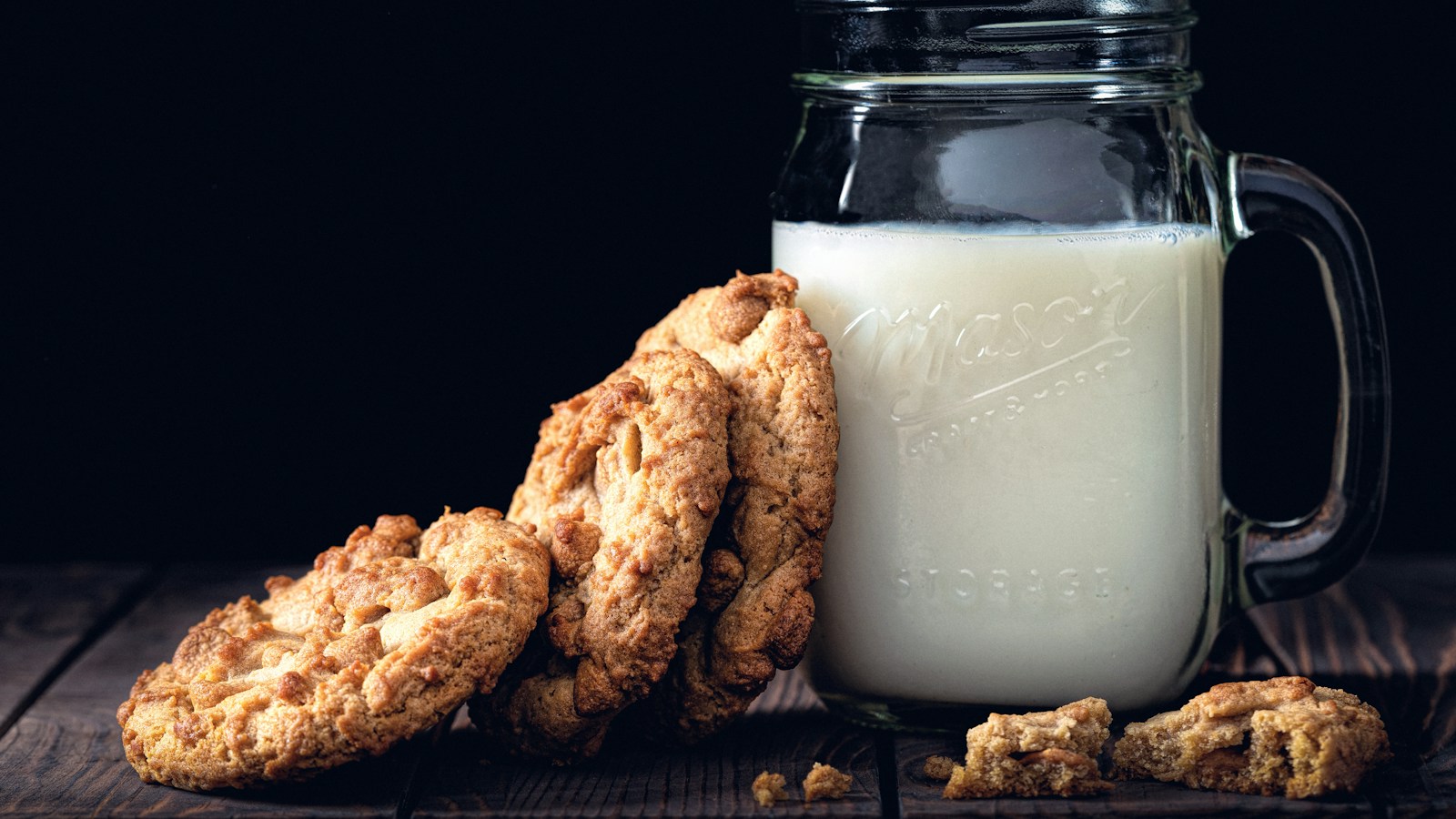
Carnation advises shaking evaporated milk before opening because milk solids can separate during storage. Its naturally golden color can also differ from fresh drinking milk. Those normal characteristics don't override a damaged container, an off smell, or unsafe storage; use the package condition and handling history as part of the decision.
Refrigerate leftover Carnation milk promptly in a covered container and follow the current package directions. Carnation advises using opened evaporated milk within a few days and doesn't recommend freezing it because thawing can leave it watery. Marking the opening date makes that short window easier to manage, especially when several pale ingredients share a refrigerator shelf.
- If your recipe uses half a can, plan another suitable dish before opening it rather than letting the remainder become a mystery ingredient.
- Keep dry milk dry until it's mixed, then follow its own storage instructions; canned-milk directions don't cover every product.
- Use plain evaporated milk according to the recipe's concentration. Carnation's equal-parts water dilution is for approximating drinking-milk consistency, not an instruction to dilute every baking recipe.
- For texture changes when freezing other forms of dairy milk, see can you freeze milk?.
Sources
- Carnation: Current U.S. Product Range
- Carnation: Lactose-Free Evaporated Milk
- Carnation: Original Evaporated Milk
- Carnation: Cooking and Storage Questions

Hi, I’m Laura, the voice behind Tastiva. I’ve always believed that eating well should feel enjoyable, comforting, and realistic—not like another complicated rule to follow. I love creating recipes that fit into everyday life, sharing simple nutrition ideas, and finding small ways to make meals feel a little better without losing the pleasure of good food.