
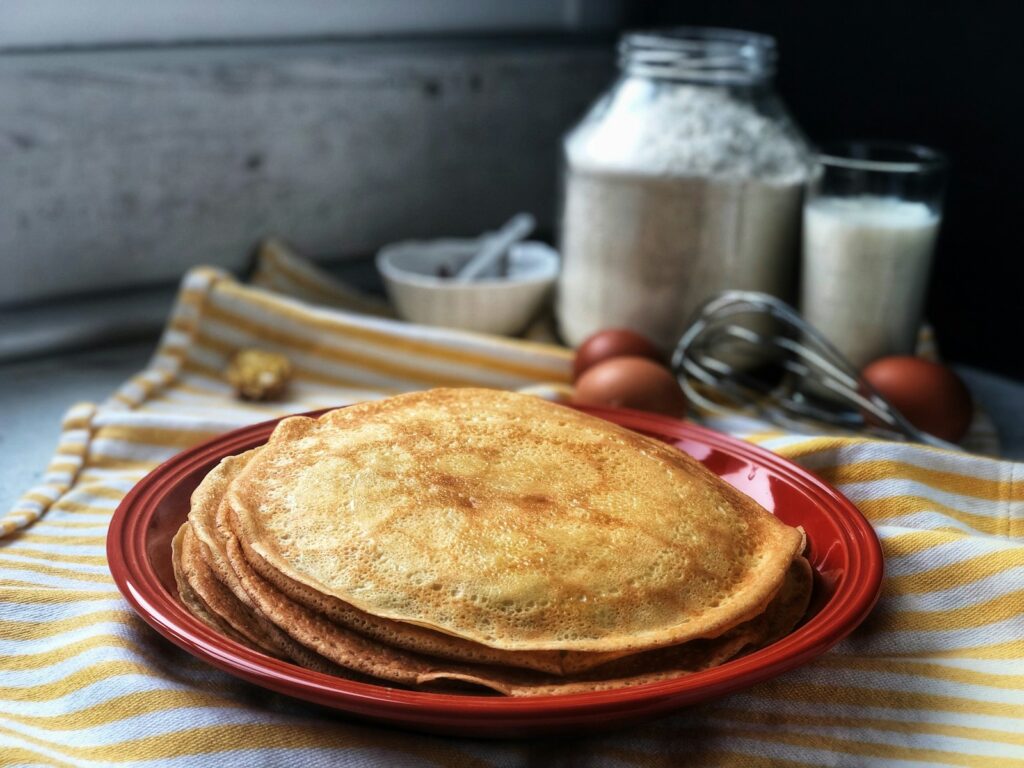
Buttermilk is usually cultured milk with a tangy flavor and a thicker texture than ordinary milk. Despite its name, the carton isn't milk mixed with melted butter. The name also describes the liquid left after traditional butter-making, but most U.S. supermarket recipes mean the cultured kind. That distinction helps explain what happens when you pour it into pancake batter.
Buttermilk brings more than moisture to a recipe. Its acidity and texture help shape the result, which is why a substitute needs a little thought.
Cultured and traditional buttermilk are different
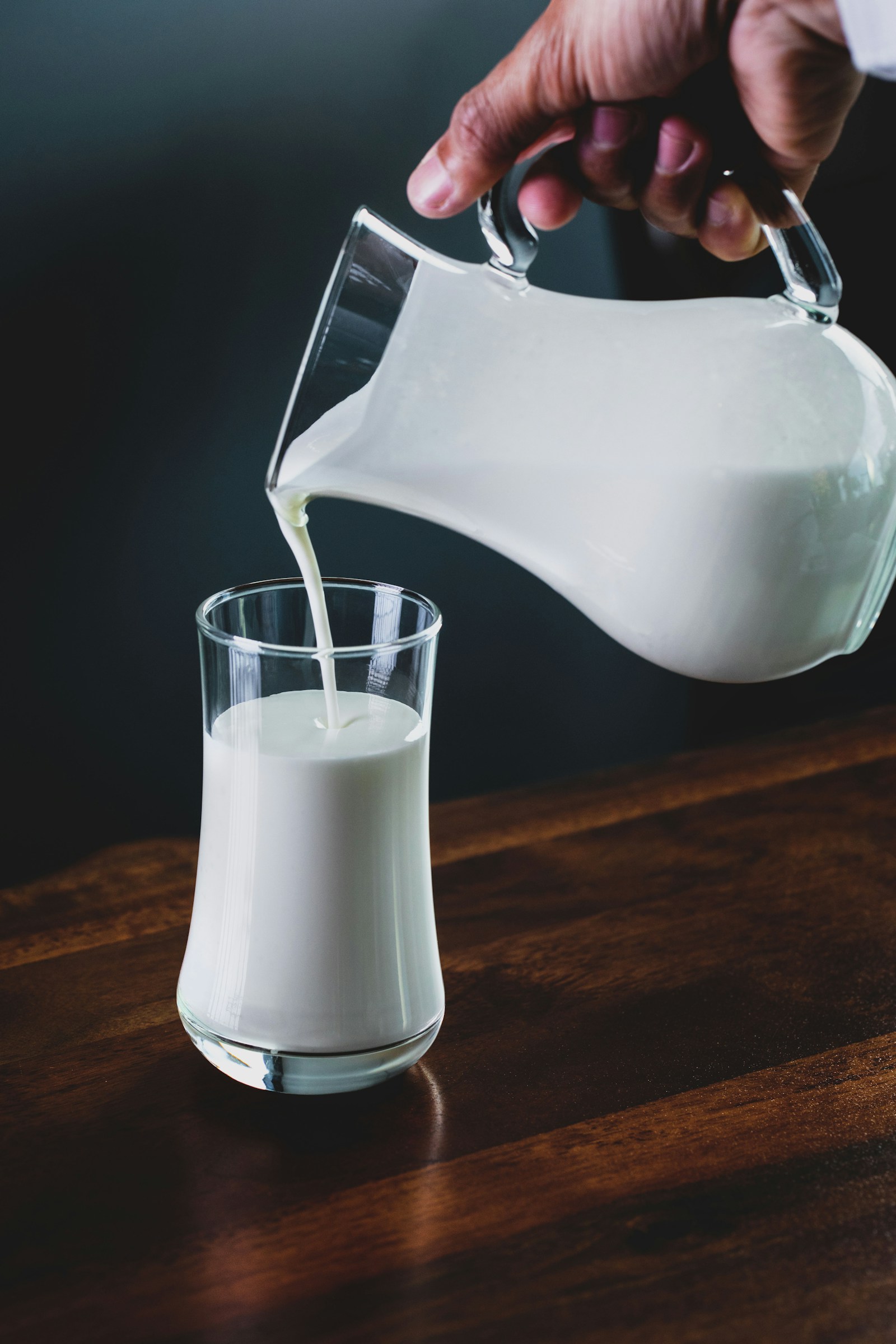
Traditional buttermilk remains after cream is churned into butter. Commercial cultured buttermilk is made by adding cultures to milk; they produce lactic acid, which gives the finished product its tart taste. U.S. Dairy explains these two meanings. Knowing which one a recipe expects is more useful than trying to judge an unfamiliar carton by its name alone.
Cultured buttermilk is often made with low-fat or skim milk, although whole-milk products exist too. Check the label when a recipe specifies one type. The word “butter” doesn't tell you the fat content. If the ingredient list simply says buttermilk in a modern American biscuit or pancake recipe, cultured buttermilk is generally the intended starting point; follow any more specific instruction the writer provides.
Taste is another reason it earns its place in the refrigerator. It gives dressing a pleasant tang and can keep a rich baked good from tasting flat. I think of it as an ingredient with a particular job, much as evaporated milk has a different job despite coming from the same dairy aisle. Swapping based only on color leaves out the useful differences.
What it changes in pancakes, biscuits, and dressings
Buttermilk supplies liquid, acidity, and its own consistency. In a recipe containing baking soda, the acid participates in the reaction that produces lifting bubbles. The recipe balances those ingredients together; replacing the buttermilk with plain milk can change more than flavor. King Arthur Baking's substitution tests show why similar-looking liquids do not always produce the same pancakes or biscuits.
| Where you're using it | What buttermilk contributes | What to watch when changing it |
|---|---|---|
| Pancakes or waffles | Tang, liquid, and acidity | A thinner substitute changes batter consistency |
| Biscuits or quick breads | Moisture and acidity within a balanced formula | Don't independently change the liquid and leavener |
| Salad dressing or a dip | Tang and a pourable texture | Taste and consistency are easier to adjust before serving |
| A marinade | Acidity and a coating for seasonings | Follow a complete recipe, including refrigeration and cooking instructions |
That doesn't mean every buttermilk recipe needs extra baking soda. Some already use baking powder, soda, or both in specific amounts. Keep the original formula intact unless the developer gives an alternative. Our baking powder substitute guide explains the leavener side of the problem. For an unfamiliar recipe, changing one major ingredient at a time also makes it easier to understand the result.
A practical substitute when the carton is empty
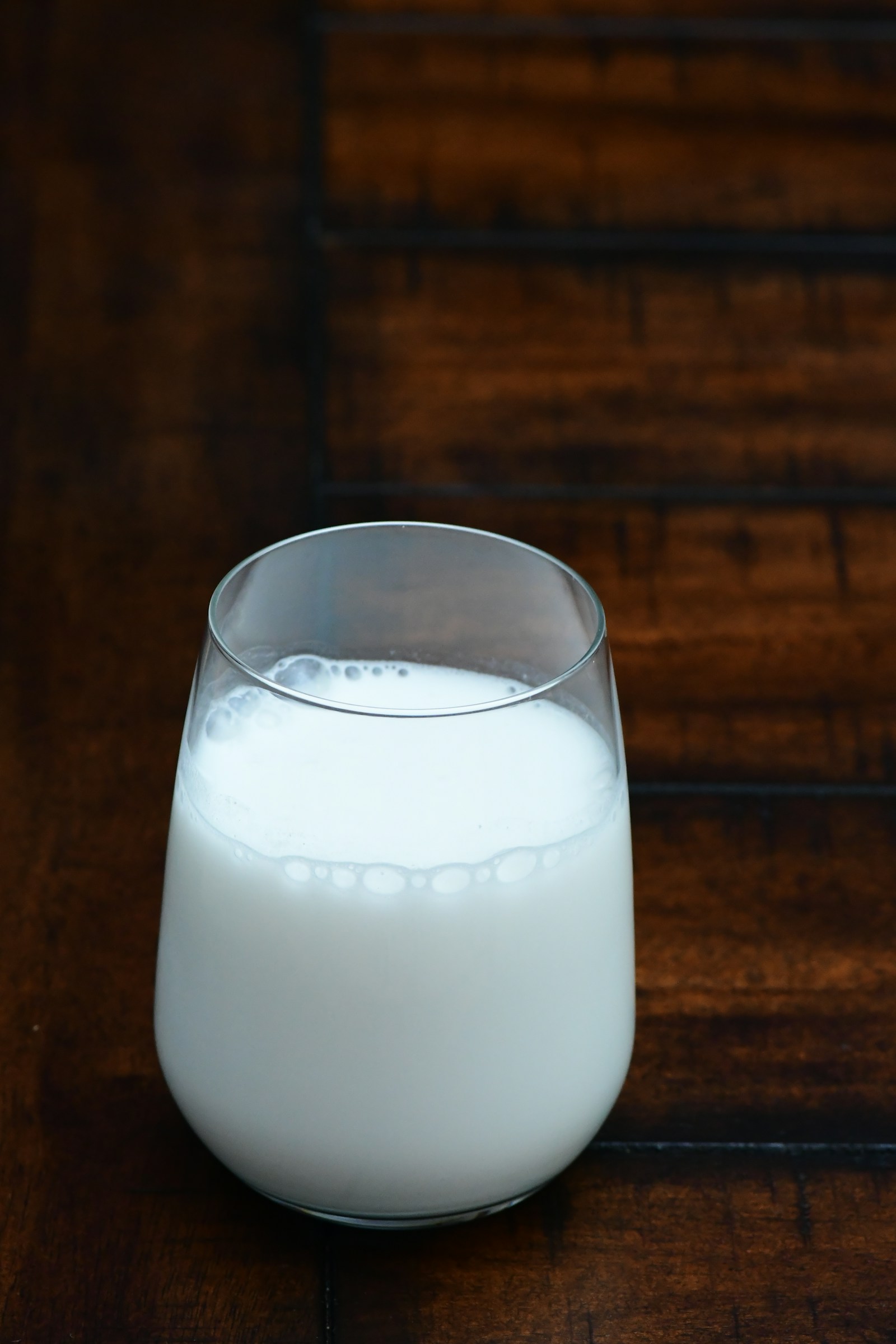
A common emergency option is acidified milk. NDSU Extension's ingredient substitution guide specifies 1 tablespoon lemon juice or vinegar plus enough milk to make 1 cup, left to stand for 5–10 minutes. Put the acid in a liquid measuring cup first, then add milk to the 1-cup line. Adding a full cup of milk afterward gives you more liquid than that formula calls for.
This mixture supplies acidity but doesn't reproduce cultured buttermilk's fermentation, flavor, or thickness. It may be useful when the recipe allows it, but a delicately balanced bake can behave differently. Plain yogurt thinned with milk is another option in some recipes. King Arthur's own tests found a mixture of one part Greek yogurt to two parts milk useful for the pancakes and biscuits they tested; that finding is specific to their tests, not a promise about every brand or batter.
Before choosing an alternative, check the practical details:
- Use plain, unsweetened dairy when the original recipe is unsweetened.
- Follow the recipe developer's substitute first, especially for a bake you haven't made before.
- If using buttermilk powder, follow its directions for amounts and whether powder and water are added separately.
- Treat plant-based milk plus acid as a different substitution that needs a suitable recipe, not an identical cultured dairy product.
- Don't use accidentally spoiled milk as homemade buttermilk. Controlled culturing and spoilage are different processes.
Keep the rest useful without stretching its shelf life
Return buttermilk to the refrigerator after measuring, keep the container closed, and follow the manufacturer's storage guidance. FoodSafety.gov recommends a refrigerator temperature of 40°F/4°C or below. Perishable food should not sit out for more than two hours, or one hour above 90°F/32°C. Normal tanginess isn't proof that a carton has stayed safe through poor handling.
If you have more than you need, freezing measured portions can make sense for future cooking. NDSU Extension notes that cultured dairy can separate or become grainy after freezing. Leave expansion room, label the quantity and date, and thaw in the refrigerator. A thawed portion may suit a compatible baked recipe better than a smooth, uncooked dressing.
The easiest leftover plan starts before the first pour. If today's biscuits need one cup, look for another recipe that uses the amount remaining, or freeze a clearly measured portion. That is more dependable than saving an unlabeled splash and hoping you remember what it is. A small carton becomes much easier to use when you know both what it contributes and where its limitations begin.
Sources
- U.S. Dairy: What Is Buttermilk?
- King Arthur Baking: How to Substitute for Buttermilk
- NDSU Extension: Ingredient Substitutions
- NDSU Extension: Freezing Dairy Products, Eggs, and Other Foods
- FoodSafety.gov: Four Steps to Food Safety

Hi, I’m Laura, the voice behind Tastiva. I’ve always believed that eating well should feel enjoyable, comforting, and realistic—not like another complicated rule to follow. I love creating recipes that fit into everyday life, sharing simple nutrition ideas, and finding small ways to make meals feel a little better without losing the pleasure of good food.