

A small tin and a very small spoon can make caviar seem more mysterious than it is. Caviar traditionally means salt-cured sturgeon eggs, also called roe. Other fish eggs, such as salmon or trout roe, may be sold with “caviar” in the name, so the species on the label tells you what you're actually buying.
Start with the fish species, the storage instructions, and a small serving; enjoying caviar doesn't require an elaborate table or a vocabulary test.
What is caviar, and how is it different from other roe?
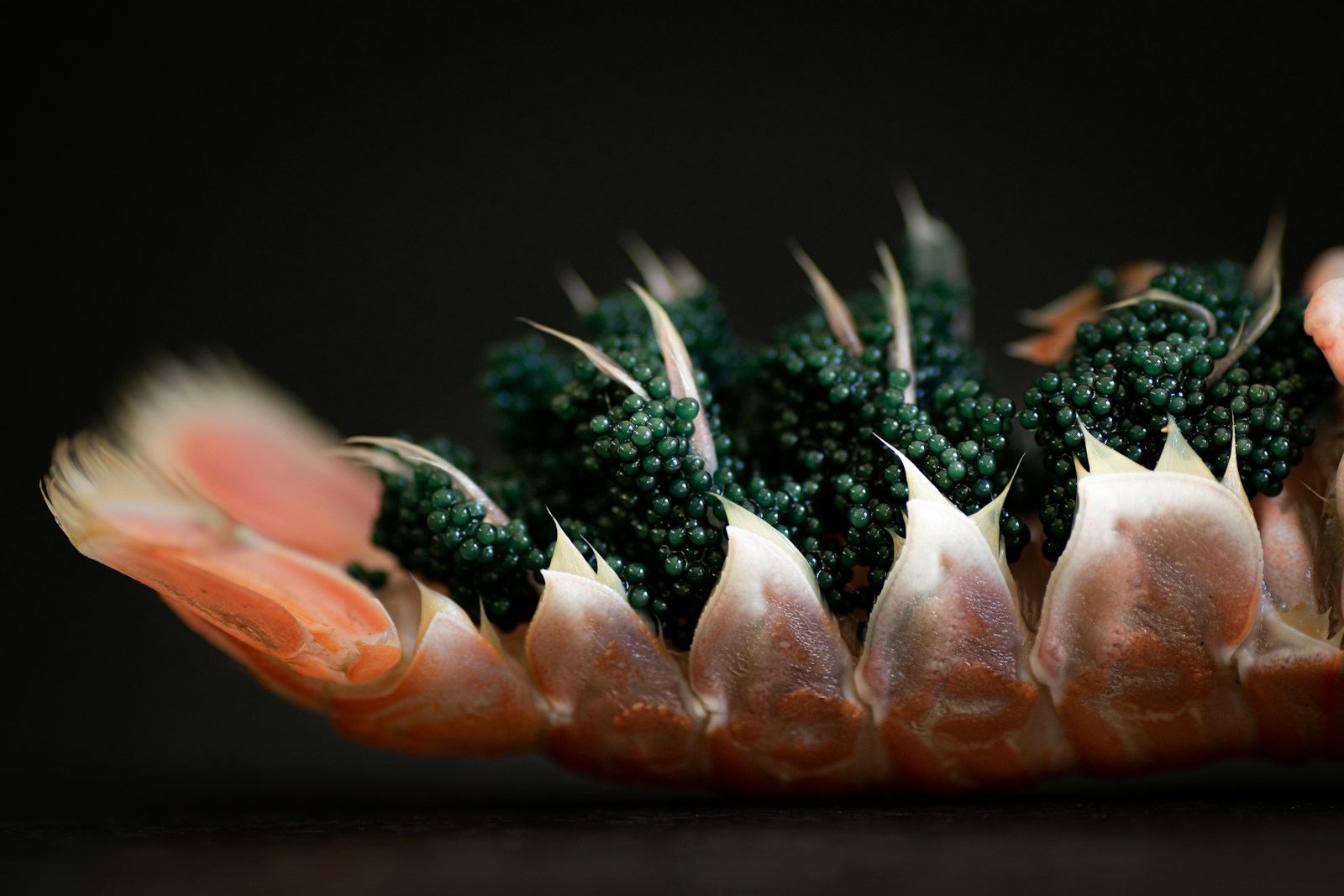
Roe is the broader word for fish eggs. Sturgeon caviar is one kind of prepared roe, typically cured with salt and sold ready to serve cold. A product called salmon caviar is still salmon roe; the descriptive word before “caviar” isn't a decorative detail.
The eggs differ in size, color, and texture. Sturgeon roe can appear gray, brown, golden, or nearly black, depending on the product. Salmon roe is usually much larger and orange, while tiny capelin roe has a different texture again. Read our masago guide if you're thinking of the little orange beads often used on sushi.
| Label term | What it tells you | What it doesn't settle |
|---|---|---|
| Sturgeon caviar | The roe comes from sturgeon | The exact species, farm, or flavor profile |
| Salmon or trout roe | The named fish is the source | That it will taste or feel like sturgeon caviar |
| Malossol | A lightly salted style; the term means “little salt” | That the product is low-sodium or safe without refrigeration |
| Pasteurized | A heat treatment has been applied | That the unopened tin belongs on a pantry shelf |
| A premium-sounding grade | The seller is describing its selection | A universal grade shared by every supplier |
I pay more attention to a specific, readable label than to a grand name. If the listing doesn't identify the fish or explain how the tin must be stored, those are useful questions to resolve before ordering.
Flavor, texture, and why the price varies
Good caviar is often described as briny, buttery, or nutty, with individual eggs that give way gently. The exact experience varies by species, curing, and handling. It shouldn't require you to work through an unpleasant spoiled smell simply because someone has described it as a sophisticated food.
Producing sturgeon roe involves raising or sourcing fish, waiting for egg production, and careful handling and processing. Species, supply, origin, grading, package size, and the seller's pricing all influence the cost. A higher price doesn't guarantee that you will prefer its flavor, and a tasting portion doesn't have to become a major purchase.
- Compare the net weight: a pretty tin can hold a small amount. Compare like-sized packages instead of judging the container.
- Read the species and origin: a named source is more informative than a vague luxury claim.
- Check the cold delivery plan: know when it will arrive and arrange prompt refrigeration.
- Ask about the product's taste: mild, firm, softer, or more assertively briny are useful descriptions when choosing a first tin.
- Buy for the occasion: select an amount you can serve within the manufacturer's opened-storage window.
Serve a small amount with room for its flavor
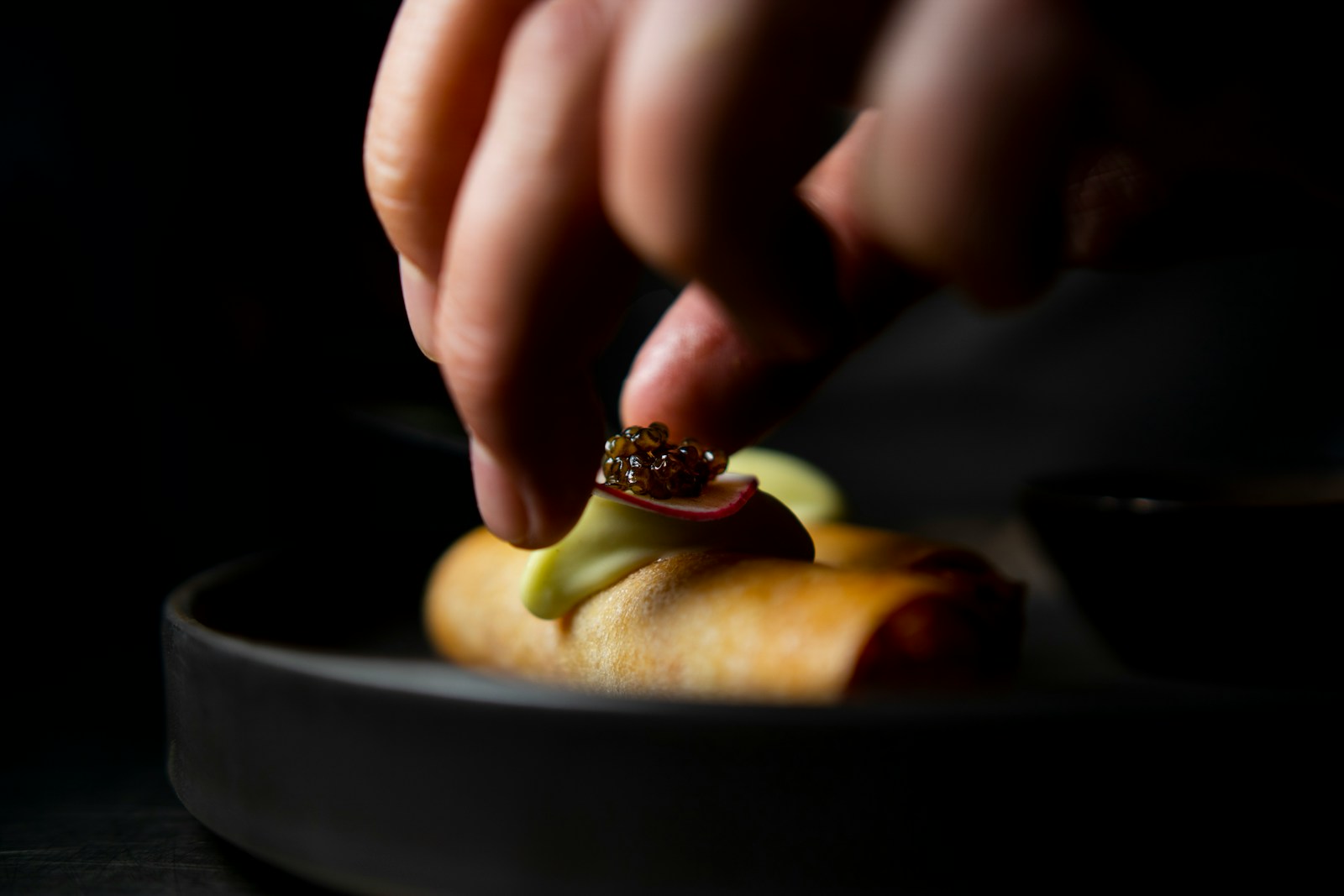
A small first taste on its own helps you decide what you notice before adding accompaniments. Then try a little on a plain cracker, toast point, or blini, perhaps with a modest spoonful of crème fraîche. These are serving ideas, not requirements for an authentic experience.
Use a clean, nonreactive spoon and handle the eggs gently. Mother-of-pearl spoons are traditional, but buying a special accessory isn't the point of the meal. Follow the seller's serving guidance and avoid utensils that might affect flavor or damage the delicate eggs.
My preference is to keep the first pairing simple. A heavily seasoned chip, sharp onion, and a large spoonful of cream can all compete with the very thing you're curious about. Once you've tasted the caviar itself, you can decide whether you want a restrained bite or something more playful.
- Put out a small portion and keep the remaining tin properly chilled.
- If serving over ice, keep meltwater from getting into the roe.
- Use separate clean utensils for the caviar and accompaniments.
- Remember that blini, crackers, and dairy toppings introduce their own allergens and ingredients.
Cold storage and safety matter more than the ceremony
Follow the exact temperature, unopened date, and opened-storage instructions supplied with your caviar. Different products have different processing and packaging, so there isn't one reliable shelf life for every tin. Refrigerate promptly; pasteurized doesn't automatically mean shelf-stable. Ask the supplier if the label is unclear.
Caviar is fish and is unsuitable for someone with an allergy to the relevant fish. It also contributes sodium, even when described as lightly salted. People who are pregnant, older, or immunocompromised should follow FDA guidance to avoid raw or undercooked seafood and seek specific advice before choosing an uncooked roe product.
Don't use tasting as a spoilage test, and don't assume salt makes temperature control optional. If a chilled shipment arrives warm, or an opened tin has been mishandled, resolve that with the seller instead of relying on its appearance. The enjoyable part of caviar can stay uncomplicated when the label and cold storage have already done their work.
Sources
- Imperia Caviar: product terminology and introductory caviar guidance
- The Caviar Co.: product-specific cold storage guidance
- FDA: selecting and serving seafood safely

Hi, I’m Laura, the voice behind Tastiva. I’ve always believed that eating well should feel enjoyable, comforting, and realistic—not like another complicated rule to follow. I love creating recipes that fit into everyday life, sharing simple nutrition ideas, and finding small ways to make meals feel a little better without losing the pleasure of good food.