
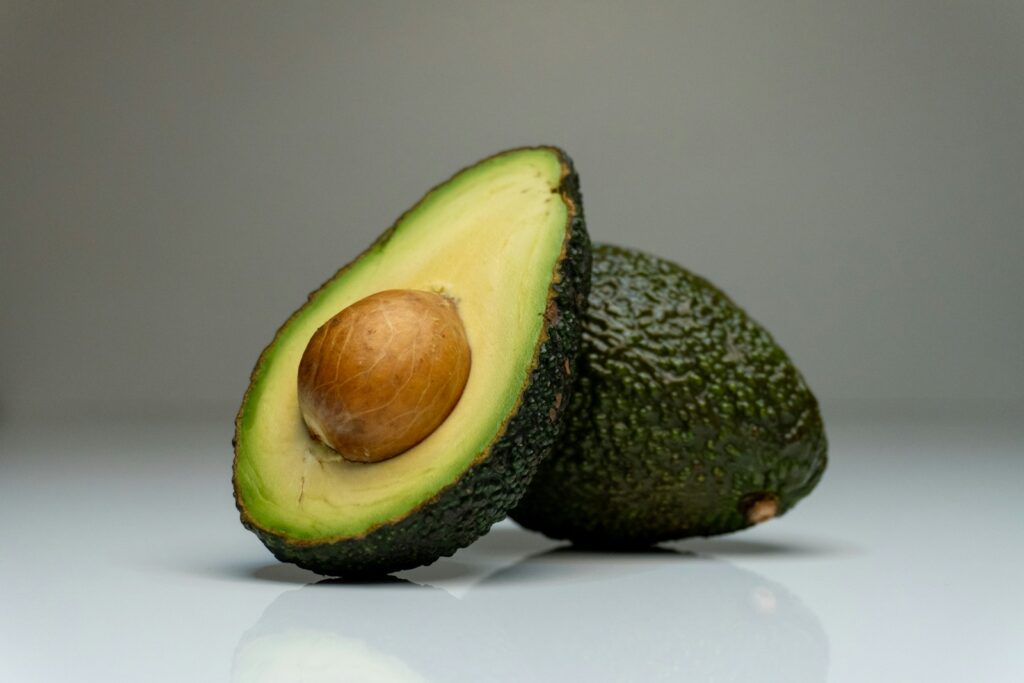
Avocado sits comfortably beside eggs, salsa, and a pinch of salt, which makes the fruit question understandable. Yes, avocado is a fruit: it develops from a flower and contains a seed. Botanically, it's classified as a berry, even though it doesn't resemble the small, sweet berries in a breakfast bowl.
Avocado is a fruit by the way it grows and a savory ingredient by the way you often use it; both descriptions can make sense at once.
Is avocado a fruit even though it isn't sweet?
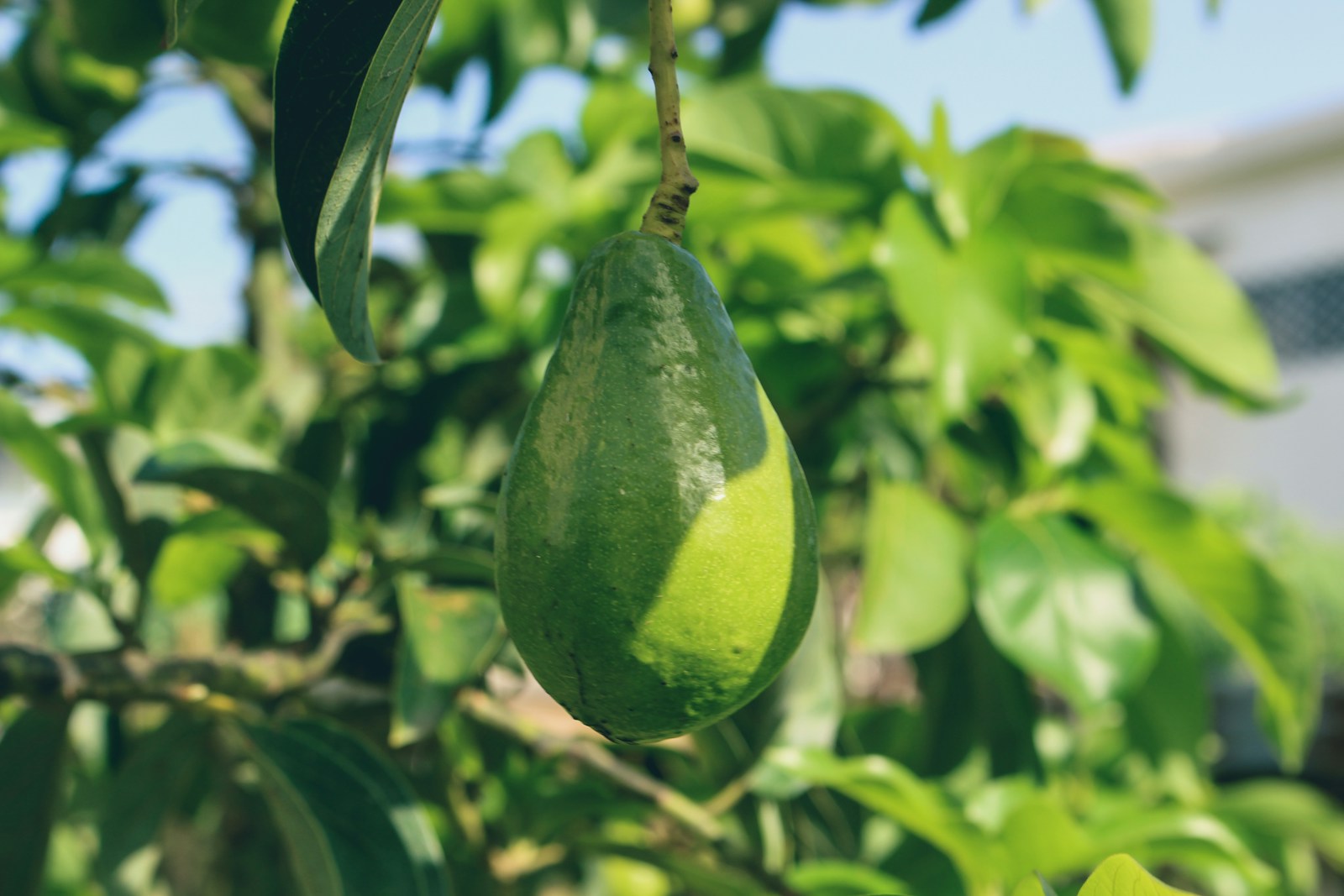
Botanical classification describes plant structure, not a food's sweetness or usual place on the menu. The edible avocado develops from the flower's ovary, and the large central seed sits inside its fleshy fruit. The Hass Avocado Board explains that this biological origin is what places avocado in the fruit category.
“Vegetable” is often a culinary word: it groups foods by how we cook and eat them rather than identifying one specific plant part. Roots, leaves, stems, and some botanical fruits can all appear in a vegetable dish. Calling avocado a savory ingredient doesn't change how it formed on the tree.
I like this distinction because it settles the question without making ordinary kitchen language feel wrong. You can call an avocado-tomato bowl a vegetable salad in everyday conversation and still understand that both ingredients are botanical fruits. One description explains the dish; the other explains the plant.
The berry label is about structure, not size
North Carolina State Extension lists avocado's fruit type as berry. Its plant profile describes a large seed surrounded by edible pulp. The term is botanical, so it doesn't require the fruit to be bite-sized, juicy-sweet, or sold in a little carton alongside blueberries.
Cut an avocado and the anatomy becomes easier to picture. The outer skin surrounds the fleshy portion we eat, with the large seed in the center. That seed is often casually called a pit, but a familiar kitchen word doesn't overrule the botanical classification.
| Question | Botanical answer | Kitchen implication |
|---|---|---|
| Is avocado a fruit? | Yes; it develops from a flower and encloses a seed | It can still work in savory dishes |
| Is it a berry? | Yes, under botanical classification | “Berry” doesn't promise sweetness or a small size |
| Is the seed the part used for ordinary avocado oil? | Standard avocado oil comes from the fleshy pulp | Fruit oil and seed oil describe different starting materials |
| Does fruit mean dessert? | No; sweetness isn't the defining test | Use avocado where its flavor and texture fit |
The distinction between a fruit and its seed also appears in our guide to whether olive oil is a seed oil. An oil's source depends on which part of the plant is used, not simply whether the original fruit contains a seed.
What its creamy texture means for cooking
Avocado has rich, fatty flesh, unlike many fruits that are primarily valued for a crisp bite or abundant juice. That makes it useful as a mash, spread, or blended ingredient. The botanical label doesn't predict its nutrition, either: different fruits have different combinations of water, fat, carbohydrate, and fiber.
- For a savory spread: mash ripe flesh and pair it with something crisp, such as toast or a vegetable topping. Add seasoning gradually so the avocado remains part of the flavor.
- For salads: choose fruit that yields gently but still holds its shape. Very soft avocado may smear rather than stay in neat cubes.
- For a smoothie: avocado can contribute body without supplying the same sweetness as ripe banana or mango. Adjust the other ingredients with that difference in mind.
- For a sweet preparation: use a recipe designed around avocado's flavor and fat. Being a fruit doesn't make it a one-for-one replacement for apples or berries.
- For a finishing topping: add slices where their creamy texture contrasts with beans, grains, or roasted vegetables.
My preference is to let that texture guide the meal instead of treating the fruit label as a serving instruction. If you enjoy avocado only with lime and salt, discovering that it's a berry creates no obligation to put it in a dessert.
Choose it for the meal, not the category
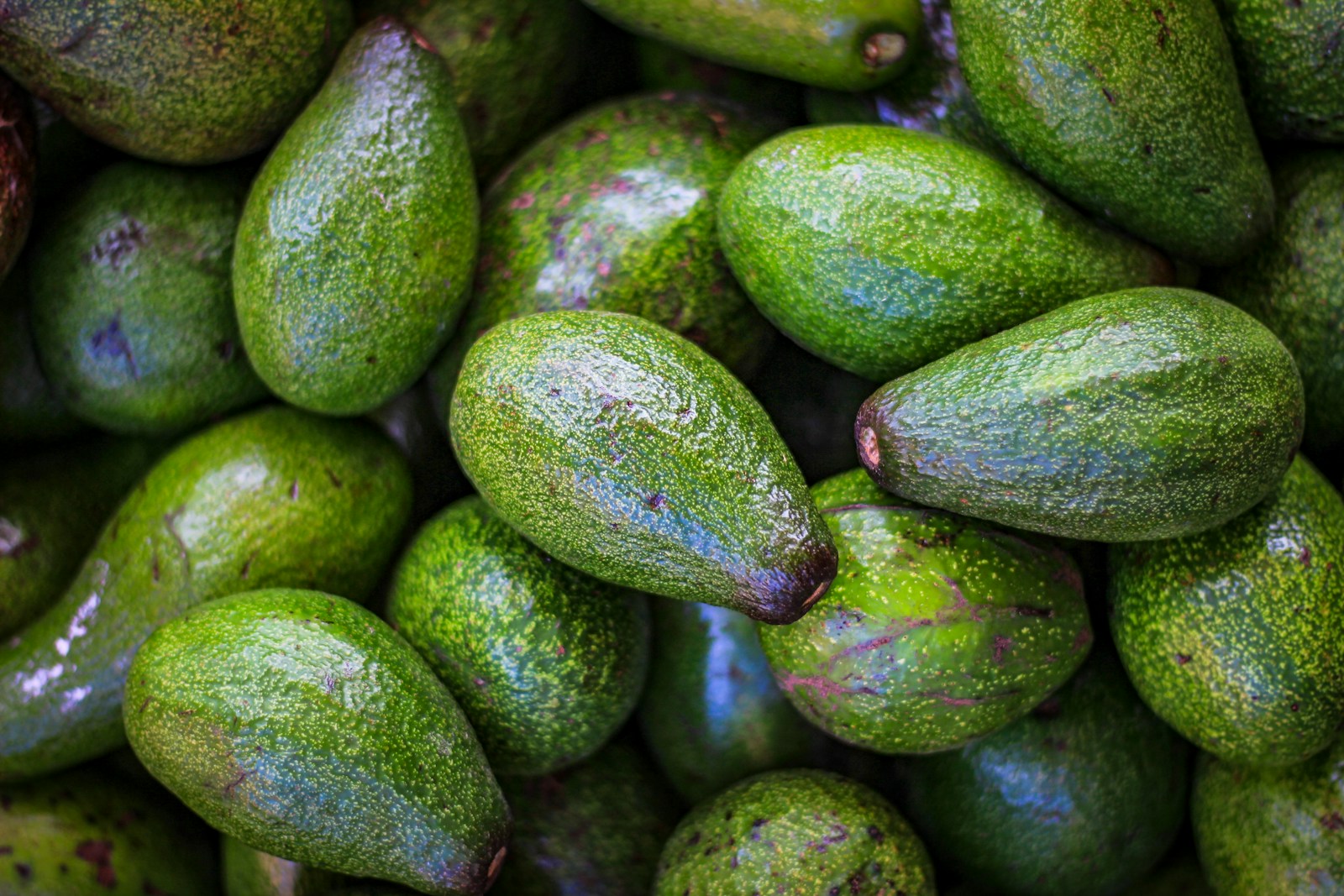
Ripeness is more useful at the grocery store than the fruit-versus-vegetable debate. Hold the avocado in your palm and apply gentle pressure; a ripe one should yield without feeling collapsed or mushy. Varieties differ, so skin color alone isn't a universal test. A firm fruit may suit a later meal better than tonight's guacamole.
Consider the rest of the plate as well. Avocado can accompany fava beans or another legume, provide contrast beside eggs, or turn a plain sandwich into something creamier. It doesn't need to replace all the other produce in a meal just because it contributes some of the same broad nutrient categories.
Wash the outside before cutting, use a stable board, and keep the seed separate from the edible flesh. Enjoying avocado as food means enjoying the flesh; botanical curiosity isn't a reason to grind up the seed. Whether you call the finished dish savory, sweet, or simply lunch, avocado's fruit identity stays the same.
Sources
- Hass Avocado Board: is avocado a fruit or a vegetable?
- NC State Extension: Persea americana botanical profile
- California Avocado Commission: ripeness and storage
- FDA: safe handling of fresh produce

Hi, I’m Laura, the voice behind Tastiva. I’ve always believed that eating well should feel enjoyable, comforting, and realistic—not like another complicated rule to follow. I love creating recipes that fit into everyday life, sharing simple nutrition ideas, and finding small ways to make meals feel a little better without losing the pleasure of good food.