
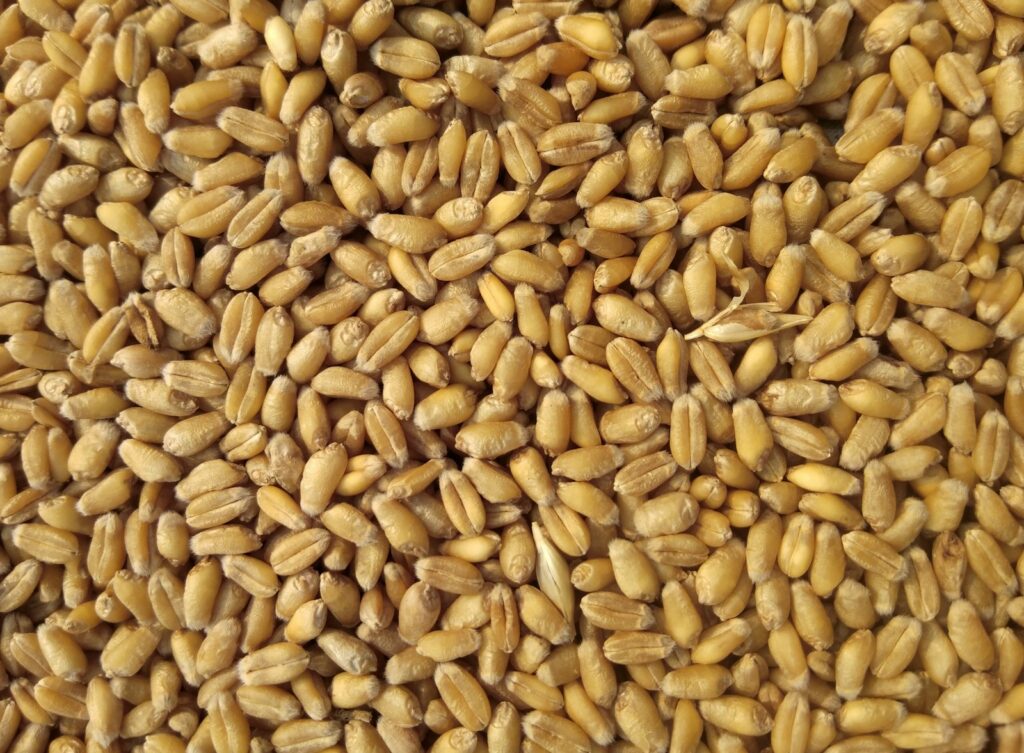
What is farro? Farro is an ancient type of wheat eaten as a whole kernel, much like wheat berries. Once cooked, the tan grains are pleasantly chewy with a mild, nutty flavor. In U.S. stores, “farro” most often means emmer wheat, but the name can also refer to einkorn or spelt. It is wonderfully flexible in the kitchen—but because it is wheat and contains gluten, it is not safe for people with celiac disease or a wheat allergy.
Farro is a chewy wheat grain, usually emmer in the United States. Read the package for the species, pearling level, cook time, and wheat allergen statement.
What Is Farro, Exactly?
Farro is the edible kernel of a hulled wheat. “Hulled” describes wheats whose kernels cling tightly to a protective husk after harvest; processors remove that inedible hull before the grain reaches your pantry. What remains may be sold with all, some, or none of its bran, which is where the words whole, semi-pearled, and pearled come in.
You will often see farro called an “ancient grain.” There is no official regulatory definition for that phrase. The Whole Grains Council uses it loosely for grains that have remained largely unchanged over the last several hundred years and includes emmer, einkorn, and spelt in the ancient-wheat family. It is a useful historical description, not proof that farro is automatically more nutritious or easier to digest than modern wheat.
Flavor is the reason farro earns repeat space in many pantries. I’d think of it as nuttier than white rice, less earthy than barley, and pleasantly tender-chewy after cooking. That sturdy texture lets it sit in a dressed salad, simmer in soup, or anchor a grain bowl without quickly turning soft.
Is Farro Emmer, Einkorn, or Spelt?
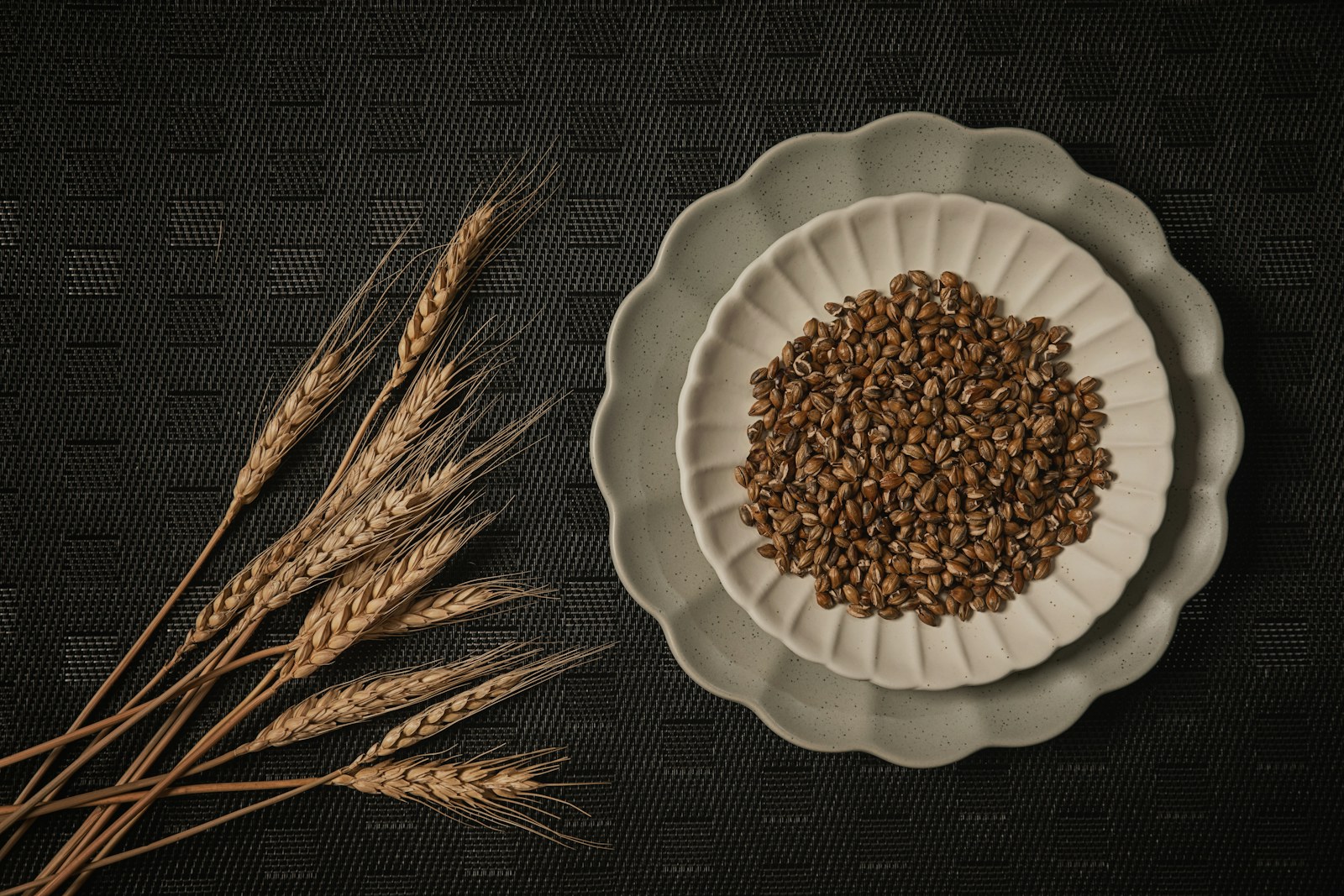
The honest answer is that it can be any of the three. In Italian usage, farro piccolo means einkorn, farro medio means emmer, and farro grande means spelt. Emmer is the variety most commonly associated with farro and the one U.S. shoppers are most likely to find under the unqualified name, but the label “farro” alone does not guarantee the species.
These wheats are related, but they are not identical. They differ botanically, and their kernels can vary slightly in size, flavor, and cooking behavior. Spelt berries may be larger; einkorn is the smallest; emmer often lands between them. A recipe that treats them all as perfectly interchangeable may need extra liquid or time.
If the distinction matters to you, turn the bag over. My label-reading shortcut is to look for “emmer,” “einkorn,” “spelt,” or a botanical name in the ingredient statement, rather than relying on rustic packaging. The important common thread is simple: all three are forms of wheat, and all contain gluten.
Whole, Semi-Pearled, and Pearled Farro
Farro’s processing level tells you how much bran remains. A true whole grain keeps the bran, germ, and endosperm in their original proportions. Pearling polishes away bran, helping water reach the starchy center faster. That shortens cooking time, but it also removes some fiber and micronutrients found in the outer layers.
| Type | What remains | Best reason to buy it |
|---|---|---|
| Whole farro | Bran, germ, and endosperm | Most intact grain; deepest chew and longest cooking time |
| Semi-pearled farro | Some bran removed | A practical middle ground for texture and speed |
| Pearled farro | Most or all bran removed | Fastest and most tender, but not technically whole grain |
Farro contributes complex carbohydrate and plant protein, while varieties with more bran generally provide more fiber. It can also contribute iron, magnesium, zinc, and B vitamins. Exact amounts change with the wheat species, pearling, brand, and serving size, so sweeping “superfood” numbers are not very helpful. Compare Nutrition Facts panels, especially fiber, protein, sodium in seasoned packets, and the serving size you actually eat.
Is Farro Gluten-Free, and How Do You Use It?
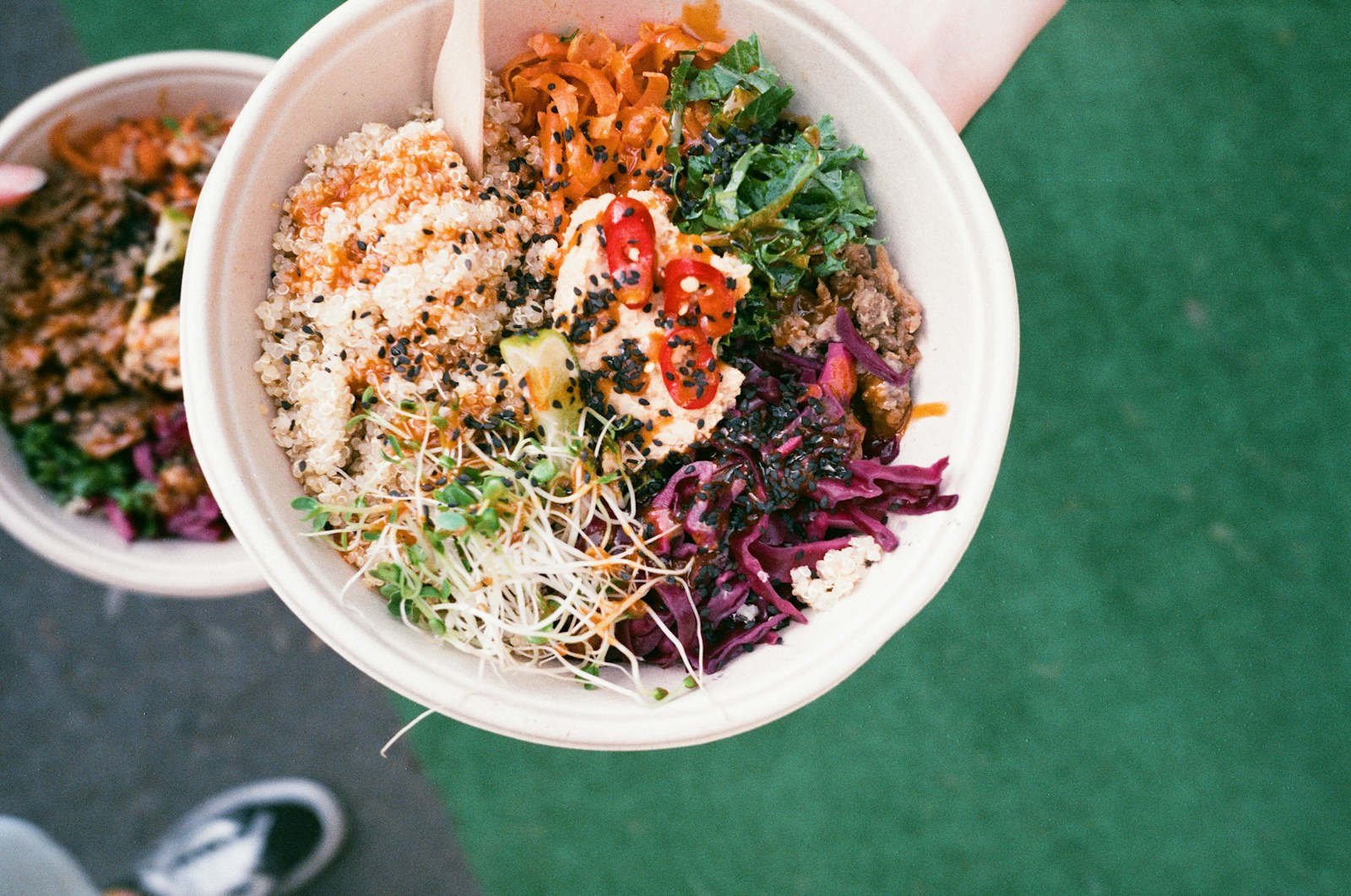
Farro is not gluten-free. It should be avoided by anyone with celiac disease, and because it is wheat, it is also unsuitable for someone with a wheat allergy. Those conditions are different—celiac disease is autoimmune, while wheat allergy can trigger an allergic reaction—but farro is off the menu for both. On U.S. packaged foods, wheat should appear in the ingredients or a “Contains” statement. Rinsing, soaking, sprouting, or cooking does not remove its gluten. If you need a gluten-free chewy grain, consider certified gluten-free sorghum, brown rice, buckwheat, or quinoa instead; our millet guide is another useful place to start.
For everyone else, buying and cooking it is refreshingly forgiving:
- Check the package first. Pearled farro cooks fastest; whole farro may benefit from soaking and needs more time.
- Rinse the dry grain. Then simmer it in salted water or broth, either by absorption or pasta-style in extra liquid that you drain.
- Taste for doneness. Aim for tender grains with a gentle bite, not a hard center. The Whole Grains Council gives a broad 25-to-40-minute range, but the package should win when times disagree.
- Put its texture to work. Fold cooled farro into salads, add it to soups, serve it warm beneath roasted vegetables, or use it for a risotto-style farrotto or breakfast bowl.
Cooked farro is also friendly to planning ahead. Cool it promptly, refrigerate it in a covered container, and use it within three to four days; a spoonful of water helps when reheating. I’d start with semi-pearled or pearled farro if speed matters, and choose whole farro when the intact grain and extra chew matter more. There is no universally “best” bag—only the one that fits your time, texture, and dietary needs.
Sources
- Farro in Italy, Bioversity International/CGIAR
- Ancient Grains, Oldways Whole Grains Council
- What’s a Whole Grain? A Refined Grain?, Oldways Whole Grains Council
- Cooking Whole Grains, Oldways Whole Grains Council
- Food Allergies, U.S. Food and Drug Administration
- Gluten-Free Labeling of Foods, U.S. Food and Drug Administration
- Wheat Allergy, Food Allergy Research & Education
- Leftovers and Food Safety, USDA Food Safety and Inspection Service

Hi, I’m Laura, the voice behind Tastiva. I’ve always believed that eating well should feel enjoyable, comforting, and realistic—not like another complicated rule to follow. I love creating recipes that fit into everyday life, sharing simple nutrition ideas, and finding small ways to make meals feel a little better without losing the pleasure of good food.