
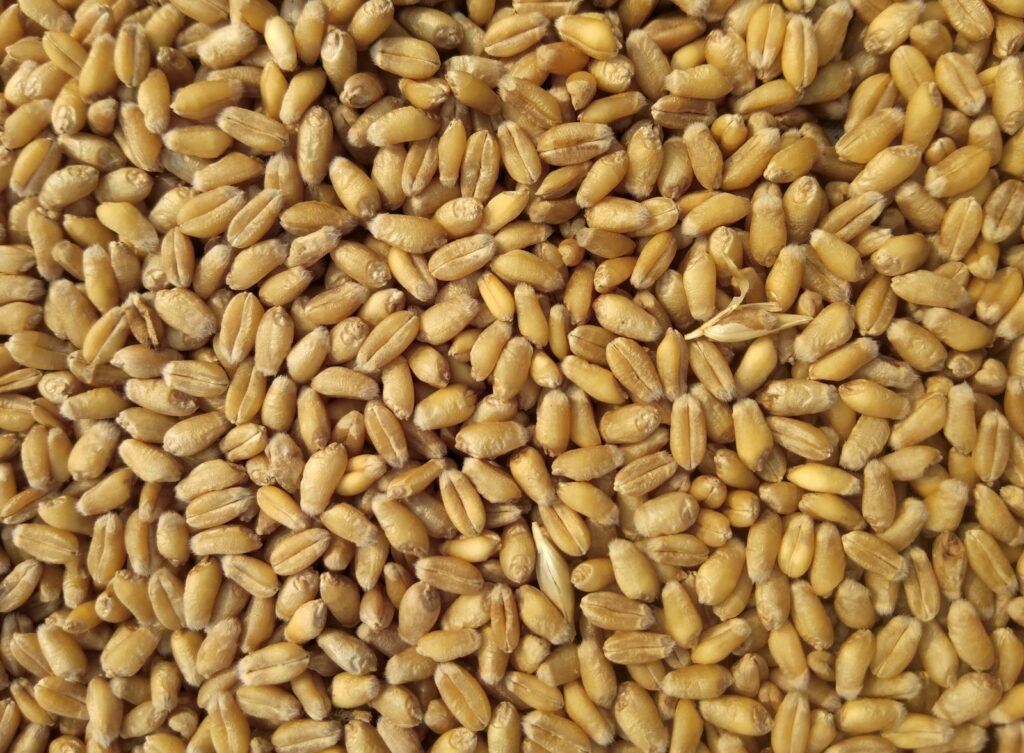
Wheat bran looks like a bag of small, toasted-brown flakes, but it isn't the same thing as bran breakfast cereal. It's the outer layer of the wheat kernel, separated during milling, and it's especially rich in fiber. In the kitchen, it can add an earthy, nutty character to cooked cereal and baked goods when the recipe gives it enough moisture.
Treat wheat bran as a concentrated ingredient: start with a modest amount and a recipe designed to handle its texture, rather than replacing flour by instinct.
Wheat bran, wheat germ, and bran cereal aren't the same
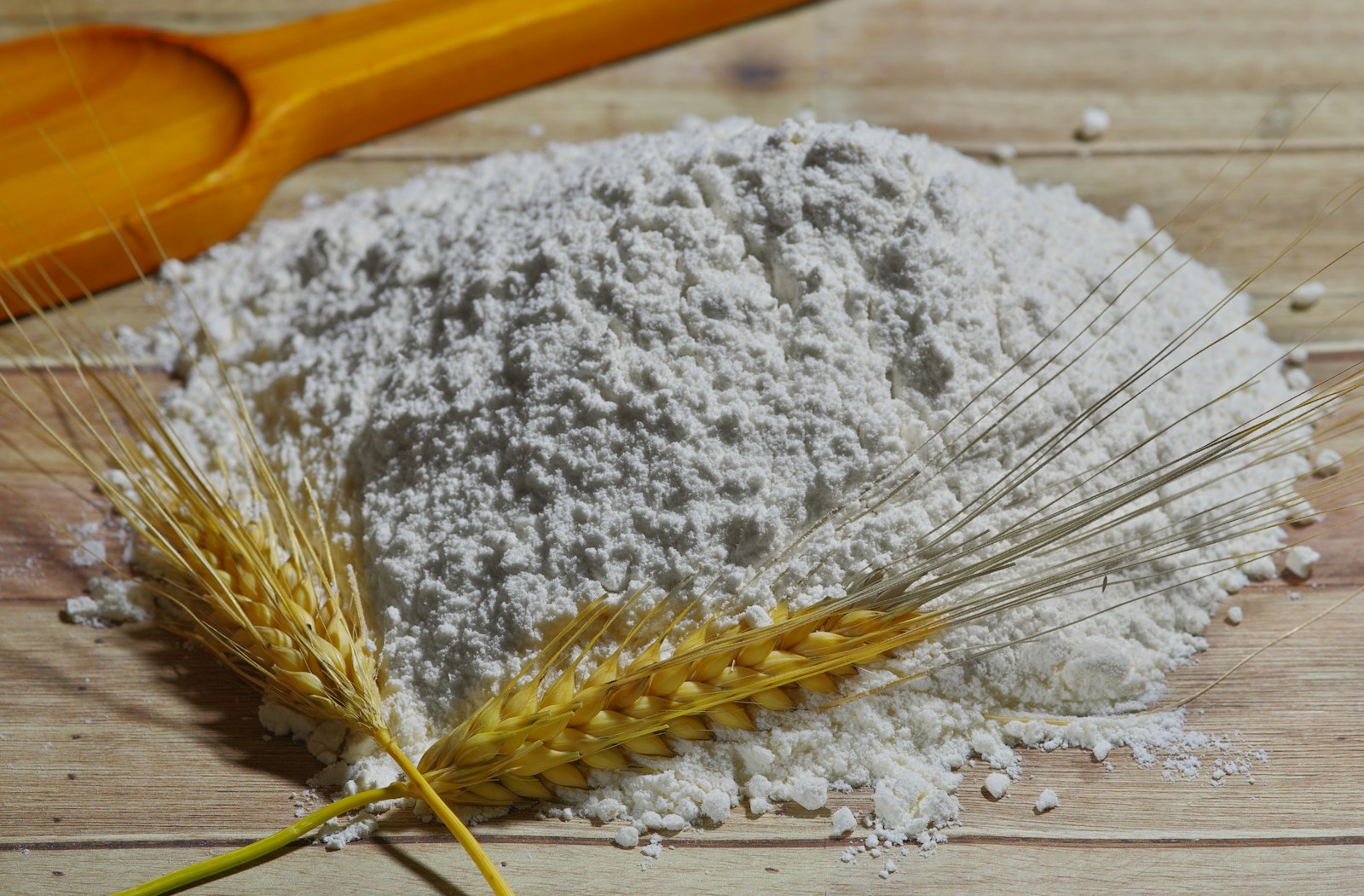
A whole wheat kernel includes bran, germ, and endosperm. Bran is the protective outer portion; the germ is the part that can develop into a new plant; the endosperm supplies much of the starchy material used to make flour. A bag containing only bran isn't whole-wheat flour, because the other parts are no longer present in their original proportions.
Bob's Red Mill describes its wheat bran as particularly rich in insoluble fiber, with a nutty flavor suited to baked foods. That doesn't make every similarly named product interchangeable. The cereal aisle's bran flakes or bran sticks can include additional ingredients and have a different texture and moisture response.
| Product | What it is | Why the distinction matters |
|---|---|---|
| Plain wheat bran | The outer part of the wheat kernel | Concentrated fiber; not a direct flour substitute |
| Wheat germ | A different part of the kernel | Different fat, nutrient, and baking characteristics |
| Whole-wheat flour | Flour containing the whole grain's components | Provides a flour structure that plain bran doesn't |
| Bran cereal | A manufactured cereal with its own ingredients | A recipe calling for cereal may depend on that exact form |
| Oat bran | Bran from oats | A different ingredient; don't assume identical baking results or gluten status |
I like to settle the product name before measuring anything. “One cup of bran” can mean different things to different recipe writers. If the ingredient list names a cereal, buying plain wheat bran may not give you the same batter or finished muffin.
How much fiber does wheat bran provide?
USDA's standard record for wheat bran lists 42.8 grams of fiber per 100 grams. That's a composition value, not a suggested serving. Its listed cup weight is 58 grams, which means a quarter cup weighs about 14.5 grams and provides approximately 6.2 grams of fiber in that reference food.
| Approximate measure of plain wheat bran | Reference weight | Approximate fiber |
|---|---|---|
| 1 tablespoon | 3.6 g | 1.6 g |
| 2 tablespoons | 7.3 g | 3.1 g |
| ¼ cup | 14.5 g | 6.2 g |
These calculated figures are estimates based on that USDA record. A brand's serving weight and fiber value may differ; Bob's Red Mill, for example, lists 5 grams of fiber per quarter-cup serving on its product page. Use your package when tracking intake instead of assuming a loosely filled scoop matches every database entry.
Fiber can support bowel regularity, but more isn't automatically more comfortable. NIDDK recommends adding fiber gradually and drinking adequate fluids. If you've been prescribed a low-fiber diet or have a digestive condition requiring specific advice, follow that plan before adding concentrated bran to meals.
Give bran moisture and a clear role in the recipe
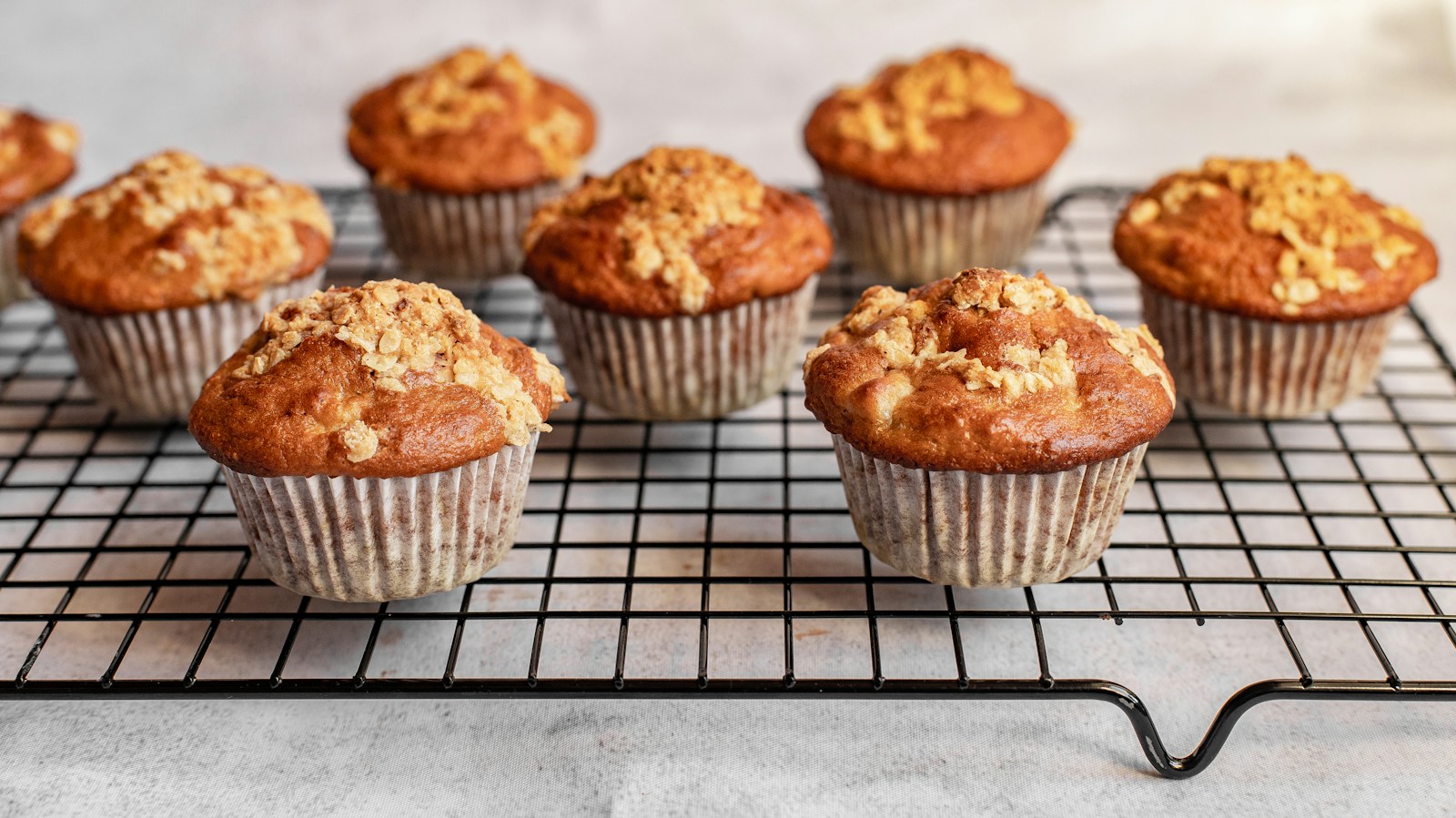
Wheat bran absorbs moisture and changes texture, so it can make an improvised batter feel drier or heavier than expected. Use a tested bran recipe and follow its instructions for mixing, resting, or soaking. Those directions may be doing structural work, not merely adding another waiting step.
- In muffins or quick breads: choose a recipe that explicitly calls for plain wheat bran, or use the exact cereal it specifies. Keep the rest of the formula intact for a first batch.
- In cooked cereal: follow the bran package's preparation guidance and add it before cooking when directed. Allow enough liquid for the intended consistency.
- In a baked topping: use a recipe designed for bran's coarse texture rather than replacing every spoonful of flour.
- When adapting later: change a small part of a familiar recipe at a time and note the result. A different liquid amount or flour balance may be needed.
- Before eating it uncooked: check whether the specific product is intended to be ready-to-eat. Don't assume all milled grain ingredients have received a suitable heat treatment.
My preference is to let bran contribute texture rather than ask it to disappear. A gently nutty muffin makes sense; a delicate cake may need a different approach. Flavor additions such as cinnamon, raisins, or chopped nuts can suit bran, but they don't compensate for an unbalanced batter.
For another whole-grain comparison, Tastiva's millet guide explains a different ingredient with different cooking behavior. Similar nutrition goals don't make ingredients function identically in the mixing bowl.
Gluten, storage, and choosing a sensible bag size
Wheat bran contains gluten and is unsuitable for a gluten-free diet for celiac disease. It is also a wheat ingredient and isn't suitable for a wheat allergy. Separating the outer layer during milling does not turn it into a gluten-free fiber product. “Bran” without the grain name isn't enough information for an allergy or gluten decision.
Follow the package's storage directions, keep the bran dry and tightly sealed, and buy an amount you can use while it stays fresh. Bob's Red Mill recommends refrigeration or a vacuum-sealed container for freshness. A clean, dry scoop helps keep moisture from entering the bag each time you measure.
Discard bran that smells rancid or musty, shows mold, or has signs of pests. If a bag is lingering, choose one suitable recipe and plan to use it regularly rather than adding a large scoop to everything overnight. Our prebiotic and probiotic guide also helps place fiber-rich ingredients within a varied diet instead of treating one powder as the whole answer.
Sources
- USDA FoodData Central: wheat bran, record 169722
- Bob's Red Mill: wheat bran ingredients, nutrition, and handling
- NIDDK: adding fiber gradually and drinking fluids
- Celiac Disease Foundation: wheat and other gluten sources
- King Arthur Baking: a bran-muffin recipe showing why the specified bran form matters

Hi, I’m Laura, the voice behind Tastiva. I’ve always believed that eating well should feel enjoyable, comforting, and realistic—not like another complicated rule to follow. I love creating recipes that fit into everyday life, sharing simple nutrition ideas, and finding small ways to make meals feel a little better without losing the pleasure of good food.