

The supplement aisle can make a simple question feel surprisingly crowded: what, if anything, would actually help? The best supplements for one person may be unnecessary or unsuitable for another. A useful choice starts with an identified need, evidence of benefit, and a safety check, rather than a long list of bottles to take every morning. Sometimes the sensible outcome is no new supplement.
Start with the need you are trying to meet, then decide whether a supplement belongs in the plan.
Identify the need before choosing a product
According to NIH News in Health, age, health, and usual food choices can change nutrient needs. Supplements can help in particular circumstances, but they do not replace the variety of foods that supports a healthy eating pattern. This guide is general education for adults, not a personal treatment plan or a brand ranking.
Begin with what you regularly eat, including fortified foods and drinks. A registered dietitian can help identify gaps without turning every meal into an accounting exercise. If your concern is protein, for example, Tastiva’s guide to daily protein needs starts with food planning and individual context, rather than assuming a powder is compulsory.
Vitamin B12 is a useful example of why context matters. People eating a vegan diet need reliable B12 sources from fortified foods or supplements. Some older adults and people with certain digestive conditions also have difficulty absorbing B12. The NIH B12 fact sheet explains these situations and notes that extra B12 does not improve energy or endurance in people who already get enough.
For a kitchen example, nutritional yeast may or may not be fortified with B12. Read the actual label and serving size; a casual sprinkle from an unfortified jar is not a reliable B12 plan. This is a reason to check a specific food or product, not a reason for everyone to buy the same supplement.
Persistent tiredness or other symptoms deserve an appropriate assessment rather than a self-diagnosis from a shopping list. Ask your clinician whether your history, diet, symptoms, or medicines make a particular test useful. A broad vitamin panel is not a required first step for every person considering a supplement.
Read the whole label and check for overlap
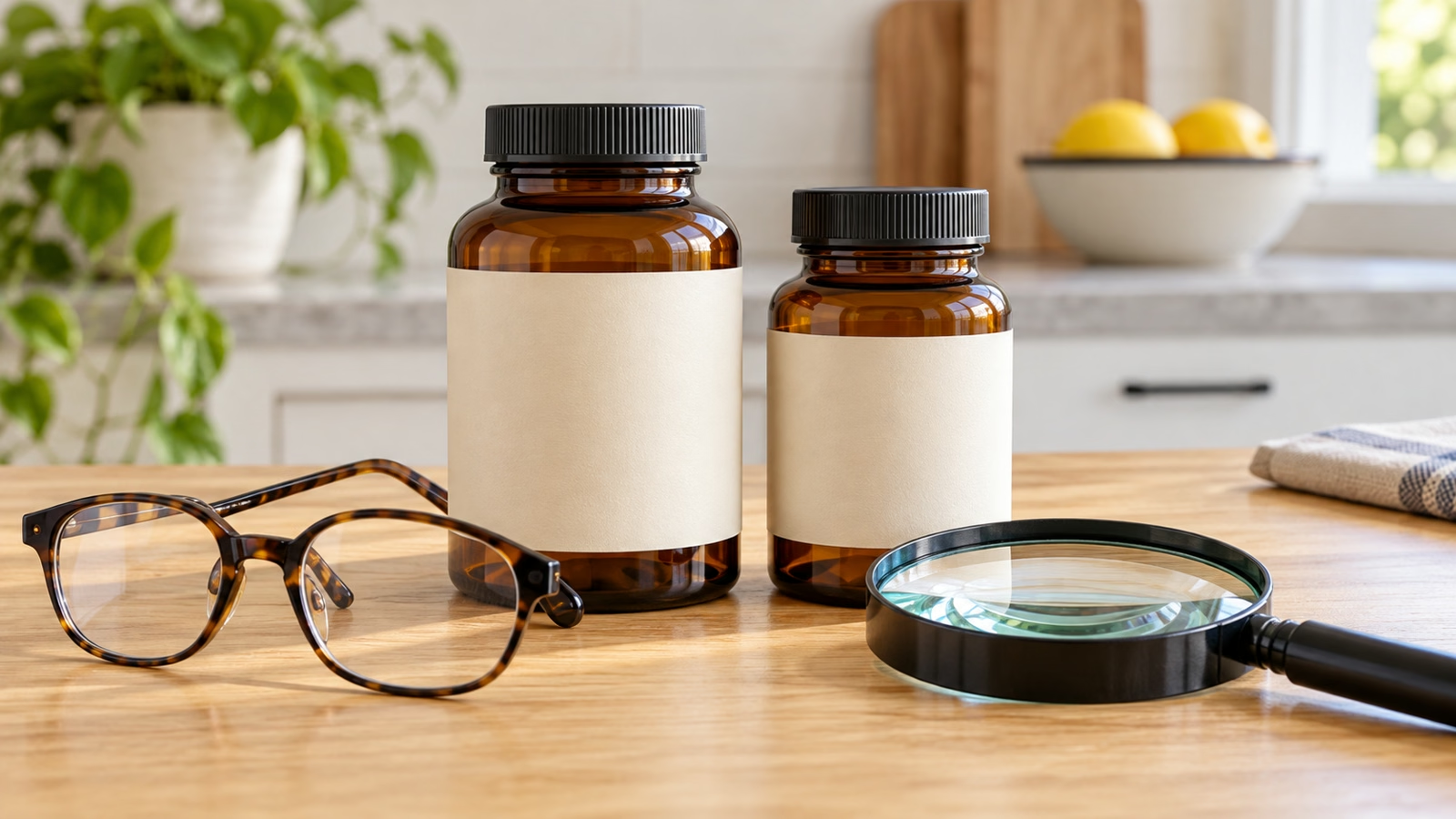
The Supplement Facts panel gives amounts for a stated serving, which may be more than one capsule or gummy. Read the ingredient list too, including allergens and added ingredients. “Natural” does not establish safety, and a larger amount is not automatically a better match for your needs.
The NIH supplement FAQ distinguishes Daily Values from tolerable upper intake levels. Daily Values help with label comparisons; they are not personalized prescriptions. A nutrient’s upper limit is a different safety reference, and 100% of the Daily Value is not that limit.
Upper-limit rules also differ by nutrient. Some count food, drinks, and supplements together; others apply to particular forms or supplemental and fortified sources. Do not use one rule for every vitamin or mineral. Ask a clinician or pharmacist to help review the total when products overlap.
- Gather everything: include a multivitamin, single-nutrient products, powders, gummies, and fortified drinks you use regularly.
- Compare the same serving: note the amount you actually take, not just the front-of-bottle number.
- Look for repeats: two products with different marketing names may contain the same vitamins or minerals.
- Bring your medicine list: include prescriptions and over-the-counter medicines when asking about interactions.
The FDA warns that supplements can interact with medicines, affect laboratory tests, and create risks around surgery. Tell the relevant care team what you take before a procedure or test. Do not replace a prescribed medicine or change a prescribed supplement plan because of a general article.
Separate product quality from proof of benefit
Independent certification can help answer a practical question: does the product meet the program’s quality requirements? For example, NSF describes label-content review, review of intentionally added ingredients, contaminant checks, and ongoing audits and testing as parts of its supplement certification program.
That is different from proving that the supplement improves your health or suits your circumstances. NIH identifies organizations including NSF and U.S. Pharmacopeia as sources of quality testing, while explicitly warning that quality seals do not guarantee safety or effectiveness. Check a claimed certification with the certifying organization rather than relying only on a seller’s wording.
FDA regulates dietary supplements, but it does not approve their safety and effectiveness before sale. Calling the industry unregulated would be inaccurate; treating a bottle on a store shelf as an FDA-approved treatment would also be inaccurate. Look for evidence relevant to the ingredient, purpose, and person, with help from a qualified health professional.
The generic bottles pictured here are illustrations, not recommended products. There is no single brand, dose, or combination in this guide that everyone should take.
Leave with a clear purpose and a review plan

Before adding a product, bring its label or a clear photo to a clinician, pharmacist, or registered dietitian. The NIH consumer guide recommends discussing potential benefits, risks, the appropriate amount, and how long to use a supplement. A short written record makes that conversation more useful.
- What specific need are we addressing, and could food or fortified food meet it?
- What benefit is realistic for me, and what evidence supports it?
- Could it interact with my medicines, other supplements, health conditions, or upcoming tests?
- If it is appropriate, what amount and schedule should I follow?
- When should we review whether I still need it, and what side effects should prompt a call?
Pregnancy, breastfeeding, chronic health conditions, and supplements for children need individual guidance. If you suspect a bad reaction, stop using the product and seek medical advice, as FDA recommends. Keep the container and ingredient information available for the clinician and any adverse-event report.
The aim is a decision you can explain in one sentence: what the product is for and why it fits you. More bottles are not a measure of better care. FDA’s short overview below explains the broader benefits, risks, and regulatory context.
Sources
- NIH News in Health: Do You Need Dietary Supplements?
- NIH Office of Dietary Supplements: What You Need to Know.
- NIH: Vitamin B12 consumer fact sheet.
- NIH: supplement labels, Daily Values, and upper limits.
- NSF: supplement and vitamin certification.
- FDA 101: Dietary Supplements.
- FDA: Supplement Your Knowledge and educational video.

Hi, I’m Laura, the voice behind Tastiva. I’ve always believed that eating well should feel enjoyable, comforting, and realistic—not like another complicated rule to follow. I love creating recipes that fit into everyday life, sharing simple nutrition ideas, and finding small ways to make meals feel a little better without losing the pleasure of good food.