
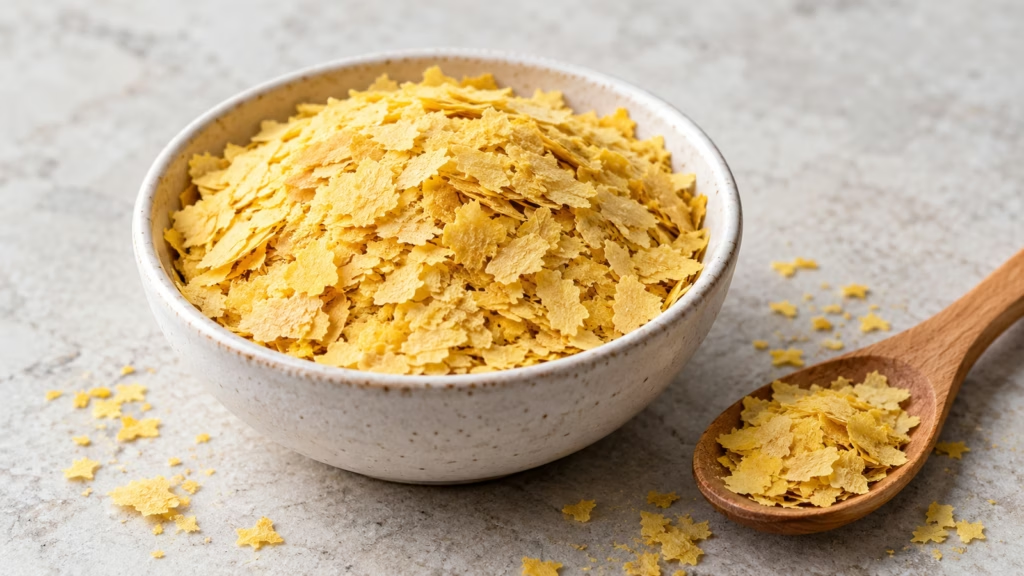
A recipe asks for a spoonful of nutritional yeast, and suddenly the pantry needs an explanation: these yellow flakes are an inactive yeast used for their savory, slightly nutty, cheese-like flavor. They can season popcorn, vegetables, pasta, and sauces, but they will not make bread rise or melt like cheese. Some versions have added vitamin B12; that depends on the product, not the name.
Think of nutritional yeast as a savory seasoning first, and read the label before counting on it for a particular nutrient.
What nutritional yeast is—and which yeast it is not
Often called “nooch,” nutritional yeast comes as flakes or finer powder. Bragg describes it as inactivated yeast with an umami flavor; umami is the savory quality you recognize in foods such as mushrooms and aged cheese. The thin, dry flakes look modest in the jar, and you do not need to be vegan to put their flavor to work.
I’d treat the word “yeast” as a reason to check the product, not a reason to substitute freely. Active dry and instant baking yeasts ferment suitable dough, while nutritional yeast adds seasoning. A recipe written for one is not a reliable recipe for the other, even if the jars stand next to each other.
| Ingredient | Useful role | Do not assume |
|---|---|---|
| Nutritional yeast | Savory seasoning; inactive flakes or powder | It will make a loaf rise. |
| Active dry or instant yeast | Fermentation and leavening in suitable dough | It replaces savory flakes in a sauce. |
Use nutritional yeast where the savory flavor helps
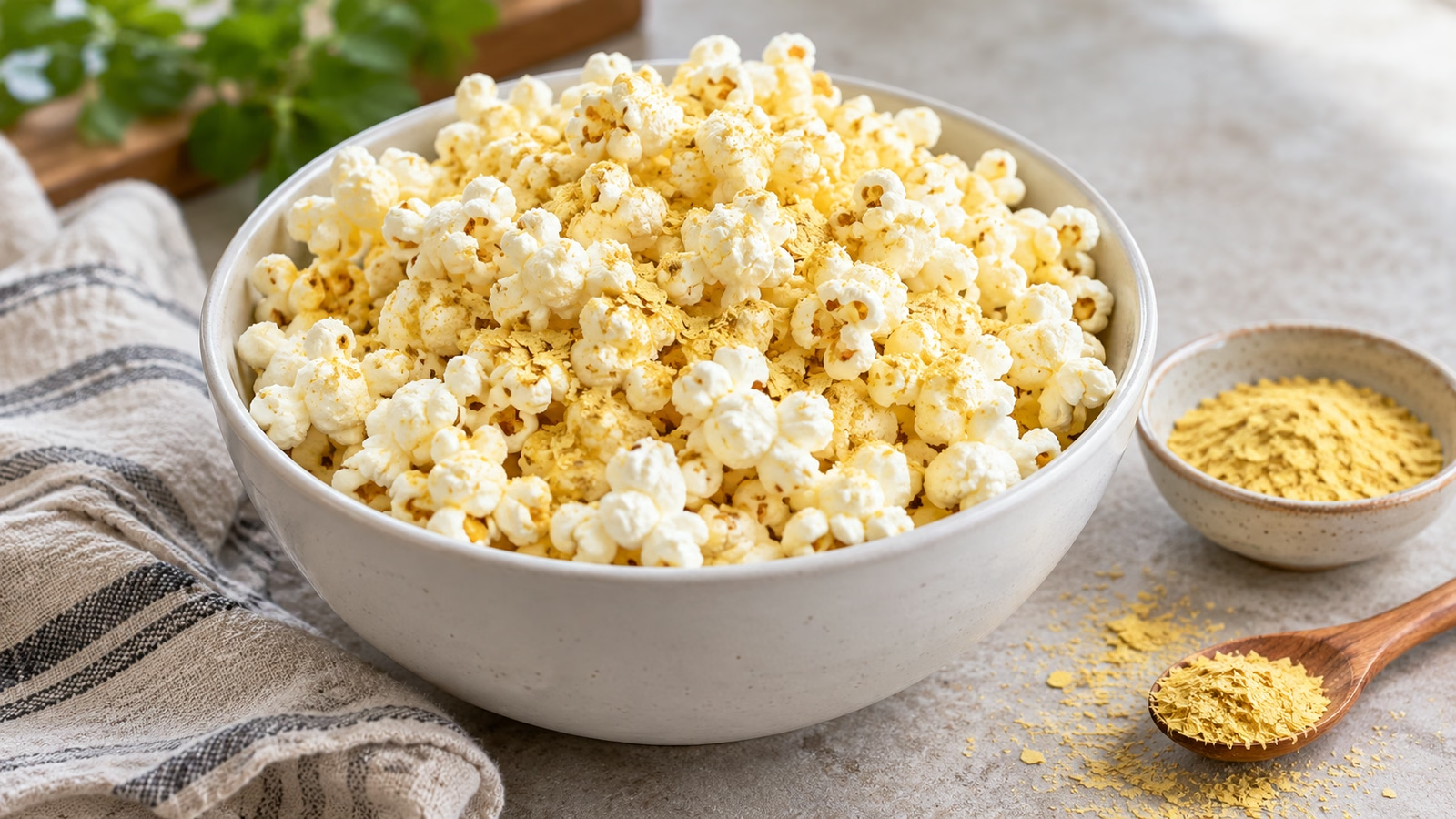
A small sprinkle on popcorn, roasted vegetables, a baked potato, or a bowl of pasta gives you a clear sense of its contribution without rebuilding dinner. I’d start lightly, taste, and add more rather than burying a delicate dish under a golden drift. There is no reward for making the jar disappear in one meal.
These are flexible serving ideas, not measured recipes. A recipe’s specified amount should remain your starting point, especially in a sauce where the flakes contribute to the overall consistency. Fine powder and loose flakes can fill a spoon differently, so use gram weights when a recipe provides them.
- Popcorn: Add after popping. A little oil or melted butter, if you use it, helps fine seasoning cling.
- Vegetables: Sprinkle over cooked broccoli, potatoes, or roasted cauliflower. Taste before adding other salty toppings.
- Pasta: Finish a sauced bowl with a modest amount for savory depth; keep the existing sauce in charge.
- Soups and sauces: Whisk into a small portion first to see whether you like the flavor and thickness.
- Tofu or eggs: Try it as part of the seasoning, alongside herbs or spices appropriate to the dish.
Cheese-like flavor does not mean cheese-like behavior
Nutritional yeast can take the place of some grated-cheese flavor in a topping, but it does not supply the same fat, moisture, salt, or melting structure, so sprinkling it over pasta is a different task from replacing cheese in a casserole. The first may need only seasoning adjustments; the second needs a recipe that accounts for the change. Expect savory flavor rather than a stretchy cheese pull.
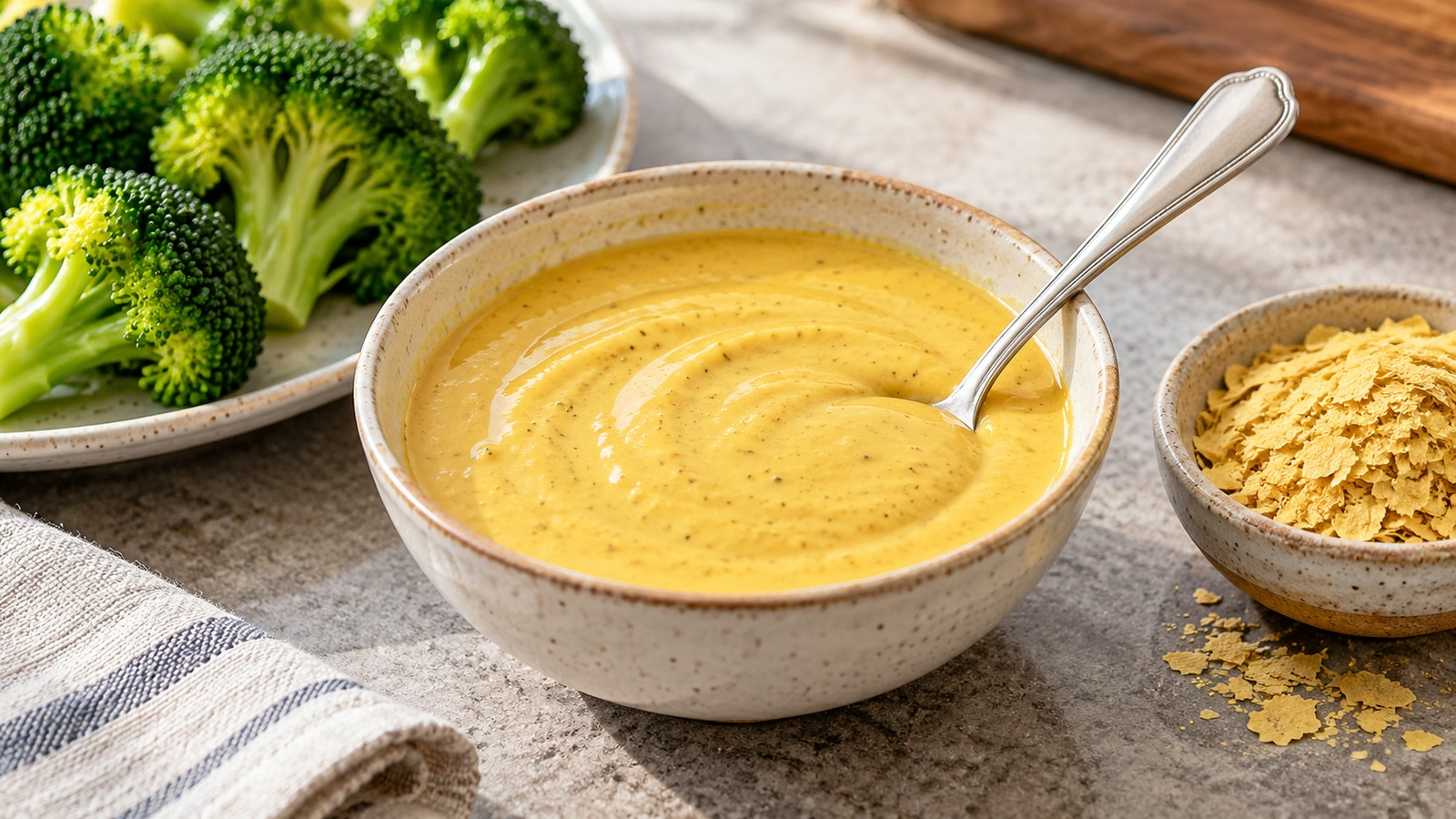
For a creamy dairy-free sauce, the creamy part must come from other ingredients and the preparation method. I’d choose a recipe built around nutritional yeast rather than remove cheese from a favorite and hope the texture negotiates with itself. Our basil pesto guide also explains why omitting Parmesan changes a sauce’s body and seasoning.
- For a dry topping: Think about taste and salt balance, then adjust in small additions.
- For a sauce: Follow a formula that supplies body and liquid; flakes alone are not a complete cheese sauce.
- For a melted layer: Use an ingredient designed for that role. Nutritional yeast will season the dish instead.
- For allergies: Check the whole product and the remaining ingredients. A dairy-free seasoning does not make a finished meal allergy-safe.
Fortified vs unfortified: check B12 and the serving size
Fortified nutritional yeast has nutrients added; unfortified versions do not have that same added-vitamin formula, and NIH identifies some fortified nutritional yeasts as B12 sources. Do not count an unfortified jar as a dependable B12 source. If you eat little or no animal food, a reliable fortified-food or supplement plan matters; a casual sprinkle is not a plan by itself.
A product label illustrates why the portion matters: Bob’s Red Mill lists 4 grams of protein and 9 micrograms of B12 per 2 tablespoons (8 grams) for its fortified nutritional yeast. That describes this product and that amount, not every brand or the teaspoon you shake onto lunch. Our B12 guide explains the nutrient’s role without treating extra B12 as an energy shortcut.
- Read both panels: Look for added vitamins in the ingredients and the amounts in Nutrition Facts.
- Use the actual portion: Large percentages apply to the stated serving. Less seasoning contributes less.
- Keep protein in perspective: A few grams can contribute, but a sprinkle does not replace the meal’s main protein food.
- Shop for the intended need: Check relevant allergy or gluten-free labeling on the jar in your hand, including seasoned varieties.
- Store as directed: Close the container tightly, keep flakes dry, and follow the package’s storage and date guidance.
Registered dietitian Keri Glassman discusses nutritional yeast and serving ideas in this Rachael Ray Show segment. Keep the fortified-versus-unfortified distinction above in mind: vitamin amounts depend on the particular product and the portion you use.
Sources
- Bragg: Nutritional Yeast ingredients and kitchen uses
- Bragg: Nutritional Yeast kitchen uses and sauce ideas
- Bob’s Red Mill: Nutritional Yeast ingredient list and Nutrition Facts
- NIH Office of Dietary Supplements: Vitamin B12 Consumer Fact Sheet

Hi, I’m Laura, the voice behind Tastiva. I’ve always believed that eating well should feel enjoyable, comforting, and realistic—not like another complicated rule to follow. I love creating recipes that fit into everyday life, sharing simple nutrition ideas, and finding small ways to make meals feel a little better without losing the pleasure of good food.