
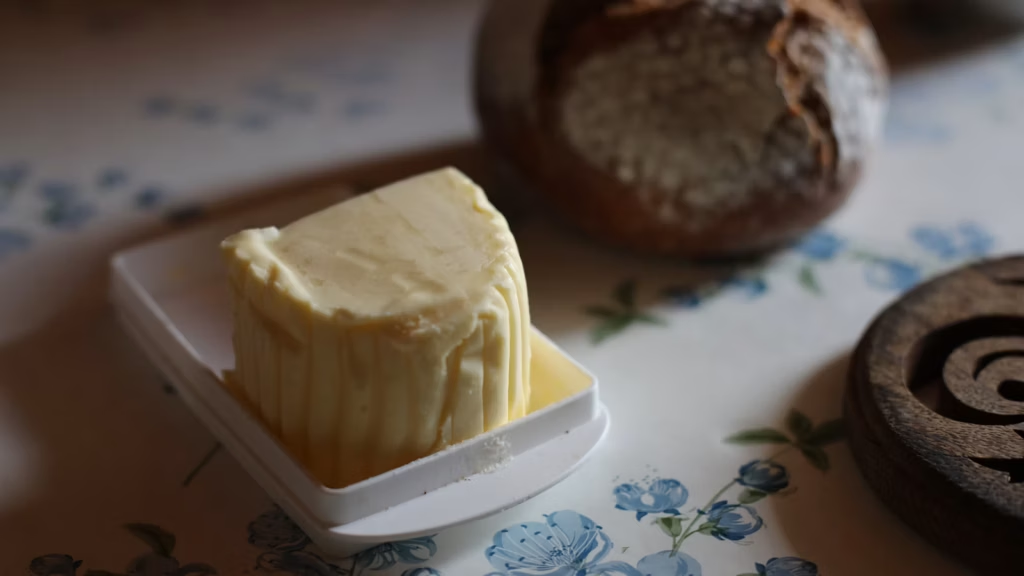
A stick of butter can be firm enough to tear toast at breakfast and soft enough to disappear into warm rice by dinner. That change is not a personality flaw; temperature controls how butter spreads, creams, browns, and builds flaky layers. Butter is a concentrated dairy fat with some water and milk solids, and the best type depends on the job. Salt level, fat percentage, culture, and temperature all matter more than the fanciest wrapper.
Choose butter for the result you need: unsalted for control, salted for the table, and softened or cold according to the recipe’s texture.

What butter is and why its parts matter
Butter is made by churning cream until fat globules join and separate from the liquid buttermilk. Commercial butter is then worked into a smooth, stable mass and may be salted. In the United States, butter has a federal standard of identity; “butter” is not simply a casual name for any yellow spread.
- Butterfat: Provides richness, tenderness, and the structure behind lamination and creaming.
- Water: Turns to steam in pastry and can help lift flaky layers, but it also affects sautéing and browning.
- Milk solids: Brown and develop toasted, nutty aromas when heated.
- Salt: Adds flavor and extends shelf life, but the amount varies by brand.
This is why butter cannot always be swapped one-for-one with oil and produce the same crumb. Oil is nearly all fat and stays liquid at room temperature; butter brings water and changes state as it warms.
Salted, unsalted, cultured, and European-style butter
Unsalted butter gives you control over seasoning and lets you judge freshness more easily, so I choose it for baking and sauces. Salted butter is my practical table choice because it tastes complete on bread, potatoes, or vegetables without reaching for a shaker. Neither is universally better; the recipe decides.
- Unsalted butter: Best when exact salt and water balance matter.
- Salted butter: Convenient for spreading and finishing; reduce added salt cautiously in a recipe.
- Cultured butter: Cream is fermented before churning, creating a gentle tang and more complex aroma.
- European-style butter: Often has a higher fat percentage and less water, which can produce richer pastry and a slightly different spread.
- Whipped butter: Air makes it easy to spread but changes volume measurements, so weigh it before baking substitutions.
- Clarified butter or ghee: Most water and milk solids have been removed, increasing heat tolerance and changing flavor.
Check the package rather than relying on style words alone. Fat percentage, salt, added flavors, and serving size tell you more than “premium,” a word that can wear a very handsome jacket while saying almost nothing.
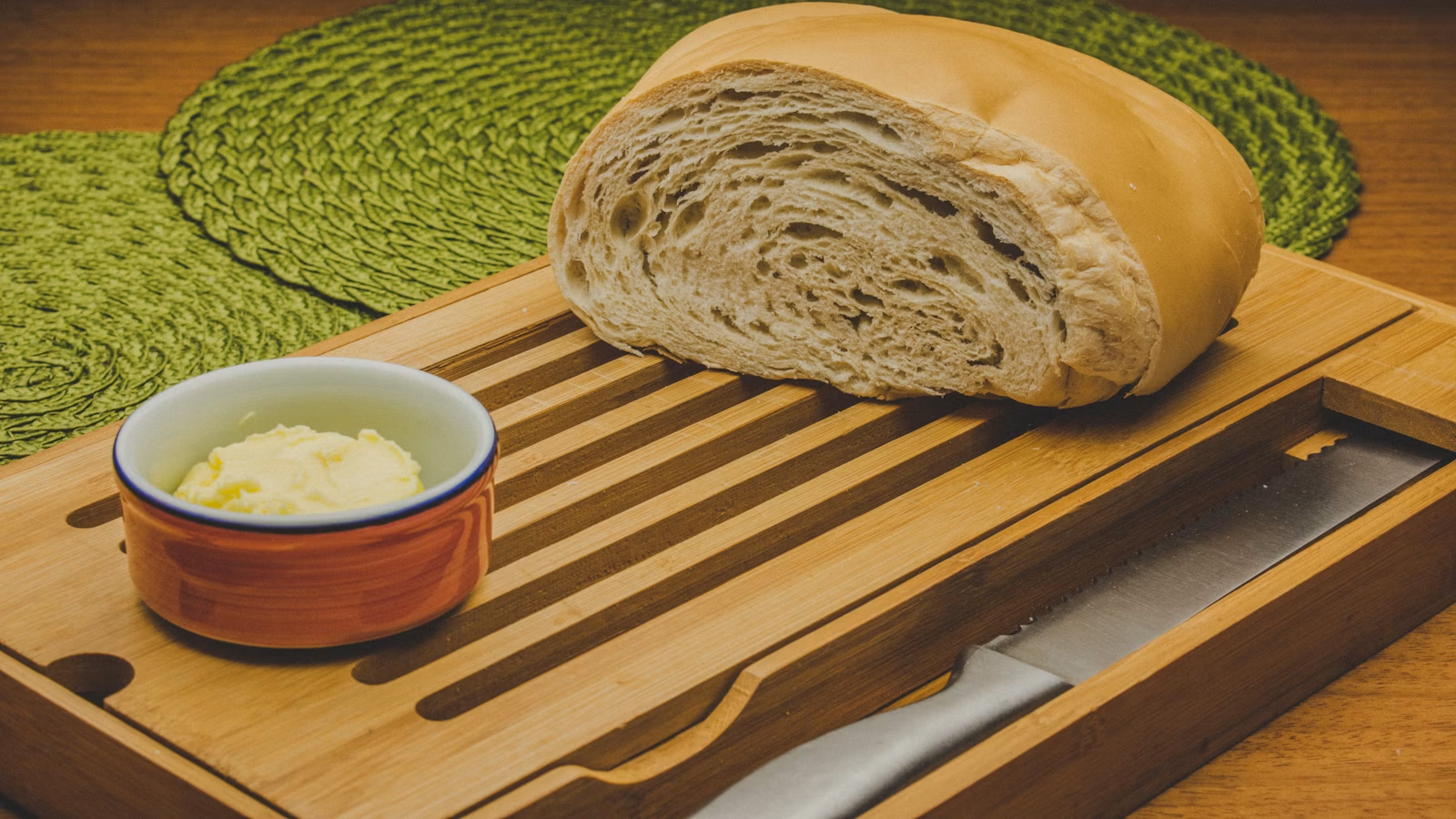
Butter temperature changes the result
Cold butter stays in small pieces inside biscuit, scone, and pie dough. In the oven, its water becomes steam while the fat helps separate layers. Softened butter traps tiny air bubbles when beaten with sugar, giving cakes and cookies lift. Melted butter coats flour differently and usually produces a denser, chewier texture.
- Cold: Use for flaky pastry, biscuits, and streusel when pieces of fat should remain distinct.
- Cool room temperature: Use for creaming; it should yield to a finger without looking greasy or collapsing.
- Melted: Useful for brownies, sauces, and recipes designed for a compact crumb.
- Browned: Cook until the milk solids turn amber and smell nutty, then stop before they blacken.
For sautéing, whole butter can burn once its milk solids brown. Moderate heat or a mixture of butter and a suitable cooking oil gives more control. Our guides to high-oleic sunflower oil and soybean oil explain what those labels mean before you choose a bottle.
Nutrition, portions, and useful substitutions
Butter is energy-dense and contains a substantial amount of saturated fat. The American Heart Association recommends emphasizing unsaturated fats in place of saturated fats within an overall eating pattern. That does not require treating one pat of butter like a moral emergency; it does mean that frequency, portion, and what replaces it matter.
- For spreading: A thin layer can deliver the flavor you want without automatically using a full tablespoon.
- For sautéing: Olive, canola, soybean, or high-oleic sunflower oil may suit dishes where butter flavor is not central.
- For baking: Use a tested substitution because changing solid fat to liquid oil can alter aeration, water, spread, and crumb.
- For lactose concerns: Butter contains less lactose than milk, but it is not automatically safe for every person with lactose intolerance or a milk allergy.
Store butter tightly wrapped in the refrigerator so it does not absorb odors. Freeze extra sticks in their original package inside a freezer bag for longer storage. A covered butter dish at cool room temperature can be convenient for short-term spreading, but follow the manufacturer’s storage instructions and use a clean utensil. If the smell turns sour, cheesy, or paint-like, the butter has moved past “cultured charm” and into the bin.
Bridget Lancaster of America’s Test Kitchen explains why its recipes often call for unsalted butter. This short kitchen lesson complements the type-and-temperature guide above; follow your individual recipe for whether the butter should be cold, softened, or melted.
Sources
- U.S. Food and Drug Administration: Standards of Identity for Food
- USDA FoodData Central
- American Heart Association: Saturated Fats
- American Heart Association: Healthy Cooking Oils

Hi, I’m Laura, the voice behind Tastiva. I’ve always believed that eating well should feel enjoyable, comforting, and realistic—not like another complicated rule to follow. I love creating recipes that fit into everyday life, sharing simple nutrition ideas, and finding small ways to make meals feel a little better without losing the pleasure of good food.