
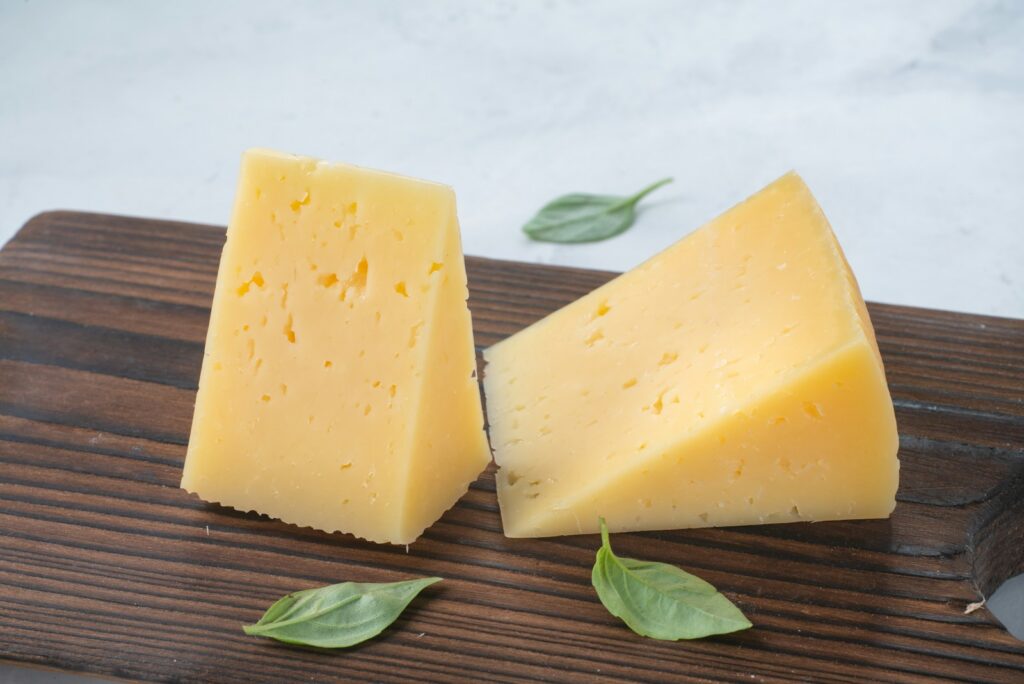
A partly used block of cheddar is a good freezer candidate; a delicate cheese saved for a tasting plate may be less rewarding. Yes, you can freeze cheese, but the texture often becomes drier or more crumbly. The best results usually come from cheese you plan to grate, melt, or cook after thawing.
Freeze cheese with its next meal in mind: a crumbly block can still be useful on a pizza, in a casserole, or tucked into a grilled sandwich.
Can you freeze cheese without changing its texture?
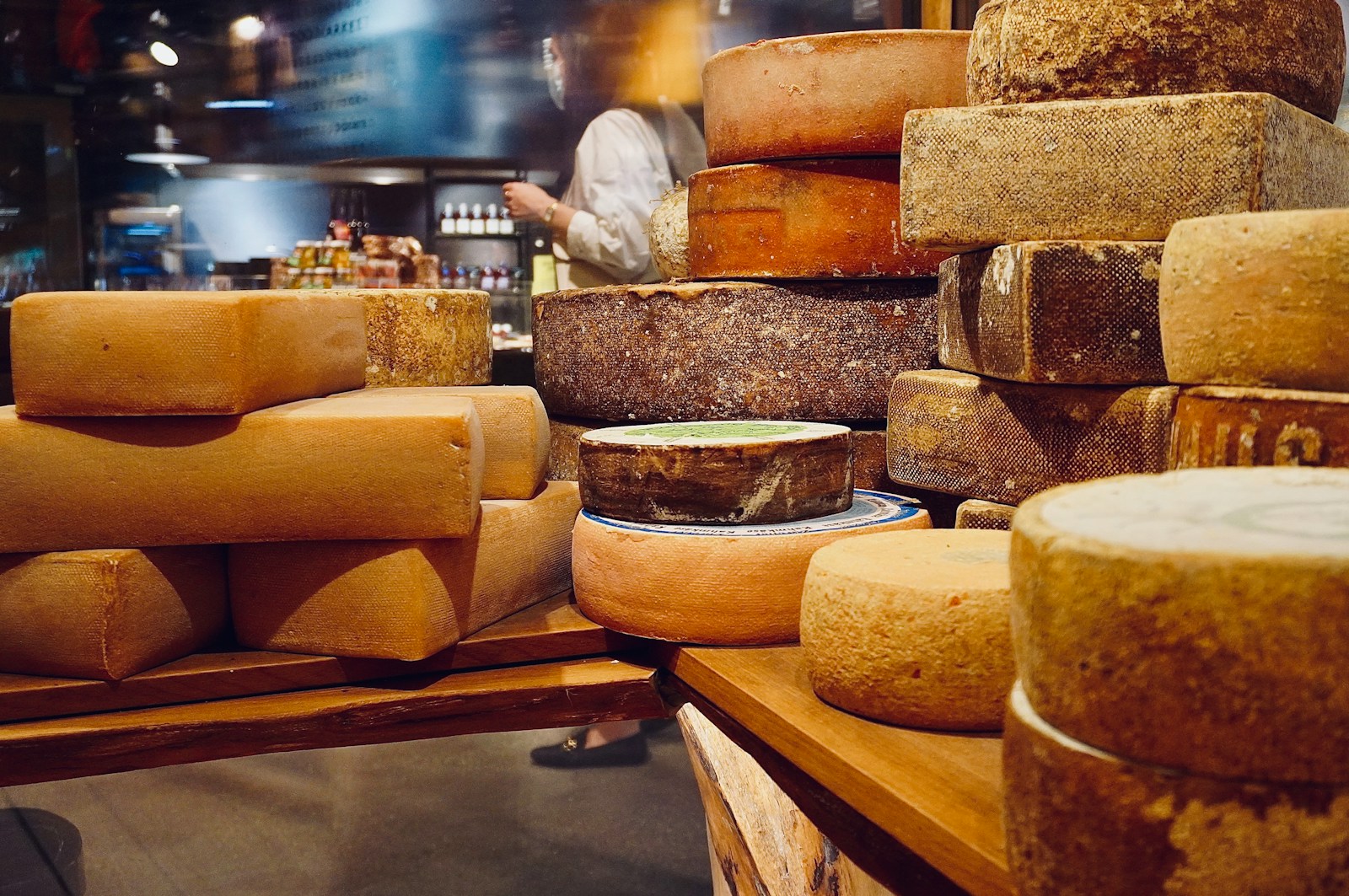
Hard and semi-hard cheeses generally tolerate freezing better than delicate fresh cheeses. NDSU Extension notes that frozen cheese may keep an appealing flavor while losing its ability to slice neatly. Ice formation and thawing can disturb its structure, so a previously smooth piece may break along new crumbly edges.
| Cheese | Likely change after thawing | Most forgiving use |
|---|---|---|
| Cheddar or Colby | More crumbly; less tidy for slices | Grated into a baked dish or melted in a sandwich |
| Low-moisture mozzarella | Some texture change | Pizza, baked pasta, or another heated dish |
| Parmesan-style hard cheese | May break or crumble more easily | Grated over food or stirred into a recipe |
| Cream cheese | Grainy or separated rather than silky | A recipe that can accommodate the changed texture |
| Cottage cheese or ricotta | More watery or separated | A suitable cooked filling or casserole |
| Delicate fresh or soft-ripened cheese | Its distinctive smoothness may suffer | Better enjoyed fresh when texture is the main attraction |
Fresh mozzarella in liquid isn't the same freezer proposition as the firm block used for pizza. Likewise, a specialty cheese chosen for its delicate texture may be worth finishing fresh rather than preserving at any cost. I see freezing as a practical waste-saving choice, not a promise to reproduce a cheesemonger's counter.
If your question is specifically about a spare block for baking, Tastiva's cream cheese freezing guide explains that particular texture problem in more detail. Don't assume every cheese behaves like cheddar simply because it shares a refrigerator drawer.
Package cheese in the form you'll use later
Start with fresh, safely stored cheese. Freezing won't reverse spoilage or make a questionable package safe. Before wrapping, decide whether the next meal needs a chunk, a handful of shreds, or separate slices; portioning now means less handling after thawing.
- Divide large blocks. NDSU suggests pieces no larger than about ½ pound (227 grams). Smaller meal-sized portions also make it easier to thaw only what you need.
- Grate when useful. Shreds are convenient for pizza or casseroles, where perfect slicing doesn't matter. Package them in a reasonably flat layer rather than a thick compressed ball.
- Separate slices. Food-safe parchment between slices can help you remove one portion without pulling apart the entire stack.
- Wrap tightly. Use freezer-suitable wrapping or a freezer bag, remove excess air, and seal. A loosely folded deli wrapper alone offers limited protection.
- Label clearly. Record the cheese, form, and freezing date. “Cheddar, grated, pasta topping” is more useful than a mysterious white package months later.
A small test portion is sensible when the cheese is expensive or the manufacturer's guidance is unclear. Thaw it in the refrigerator and see whether the texture suits the dish you have in mind before freezing the rest. That is a kitchen trial you can perform, not a guarantee that every brand will respond alike.
For extra wrapping help, preventing freezer burn is mostly a matter of protecting food from air and moisture loss. More packaging isn't automatically better if the first layer still traps a large pocket of air against the cheese.
How long to freeze it, and how to thaw it
Keep the freezer at 0°F (−18°C) or below. Storage suggestions describe quality as well as safety, and cheese types differ. American Dairy Association Mideast gives 6–9 months for most hard cheeses, while NDSU gives only about one month for cottage cheese and ricotta. Follow a product's specific guidance when available rather than assigning every cheese the longest window.
Thaw wrapped cheese in the refrigerator at 40°F (4°C) or below. Small portions may be ready sooner than a dense block, so plan ahead rather than setting it on the counter to hurry things along. Use it soon after thawing, respecting its previous storage history and the manufacturer's instructions.
- Keep thawing cheese in a container or on a plate to catch any moisture.
- Add frozen shreds directly only when the recipe and cooking method accommodate them.
- Expect slices to be less flexible and blocks to grate or crumble differently.
- Avoid repeated freezing and thawing; it adds texture damage without improving the cheese.
Put the changed texture to work
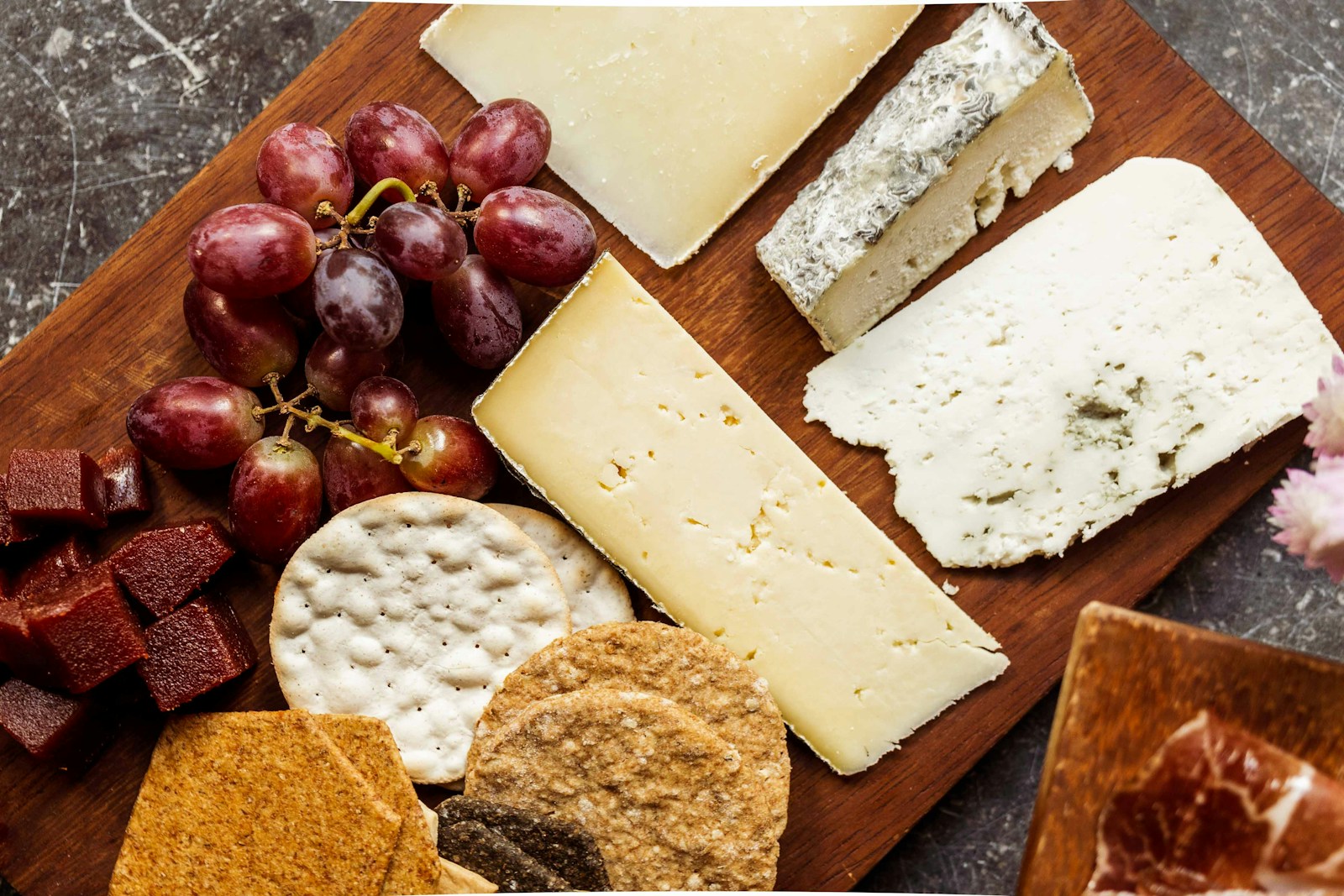
A cheese that no longer slices attractively can still suit food where it is dispersed or melted. Think a baked potato, vegetable gratin, quesadilla, or savory muffin recipe that already calls for cheese. Use the quantity the recipe needs rather than adding the whole thawed package just to empty the bag.
My practical preference is to keep some cheese fresh for eating as-is and freeze the surplus for cooking. That gives each portion a realistic job. The savings are meaningful only if the thawed cheese eventually becomes dinner.
Discard cheese that shows spoilage inappropriate for its type, and don't taste a suspect package to test it. If the cheese spent too long outside safe refrigeration before freezing, the freezer isn't a reset button. A date label and a planned use help prevent that uncertainty before it starts.
Sources
- NDSU Extension: freezing and thawing dairy products
- American Dairy Association Mideast: cheese freezing and storage guidance
- FoodSafety.gov: cold food storage and freezer temperatures

Hi, I’m Laura, the voice behind Tastiva. I’ve always believed that eating well should feel enjoyable, comforting, and realistic—not like another complicated rule to follow. I love creating recipes that fit into everyday life, sharing simple nutrition ideas, and finding small ways to make meals feel a little better without losing the pleasure of good food.