
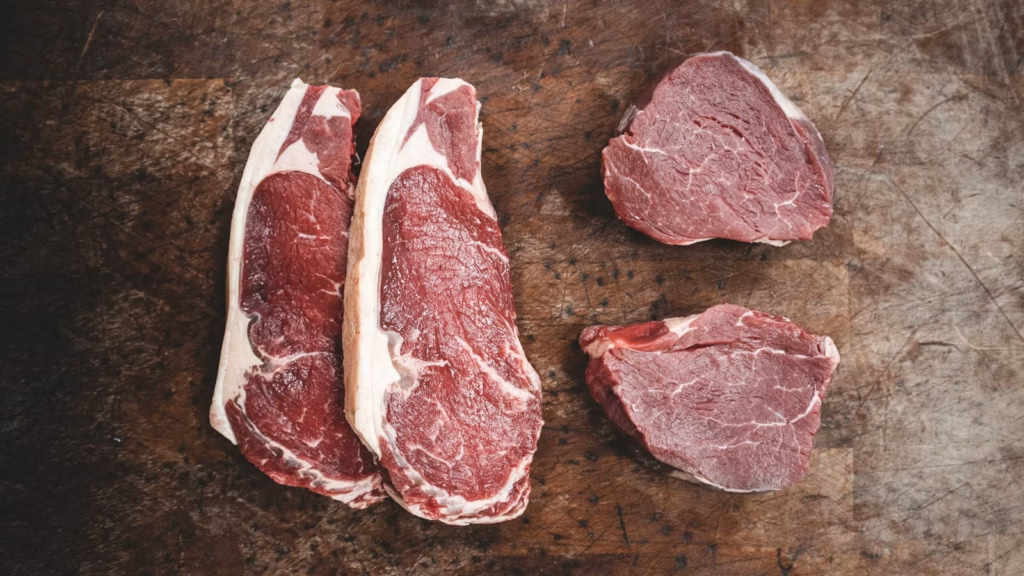
Veal is meat from calves or young cattle, and its delicate flavor makes it quite different from the deeply beefy steak many shoppers expect. It is usually mild, fine-grained, and relatively lean. That combination can produce a beautiful dinner—or a dry, expensive one—depending on whether the cut meets the cooking method.
The name tells you the animal’s age category; the cut tells you what to do for dinner. Buy the cooking method first, then choose the veal.
Veal is common in dishes such as schnitzel, saltimbocca, scallopini, blanquette, and osso buco. Those recipes are not interchangeable instructions. A wafer-thin cutlet wants fast heat, while a shank needs moisture and patience. Once you see that split, the meat counter becomes much less mysterious.
What veal is—and what it tastes like
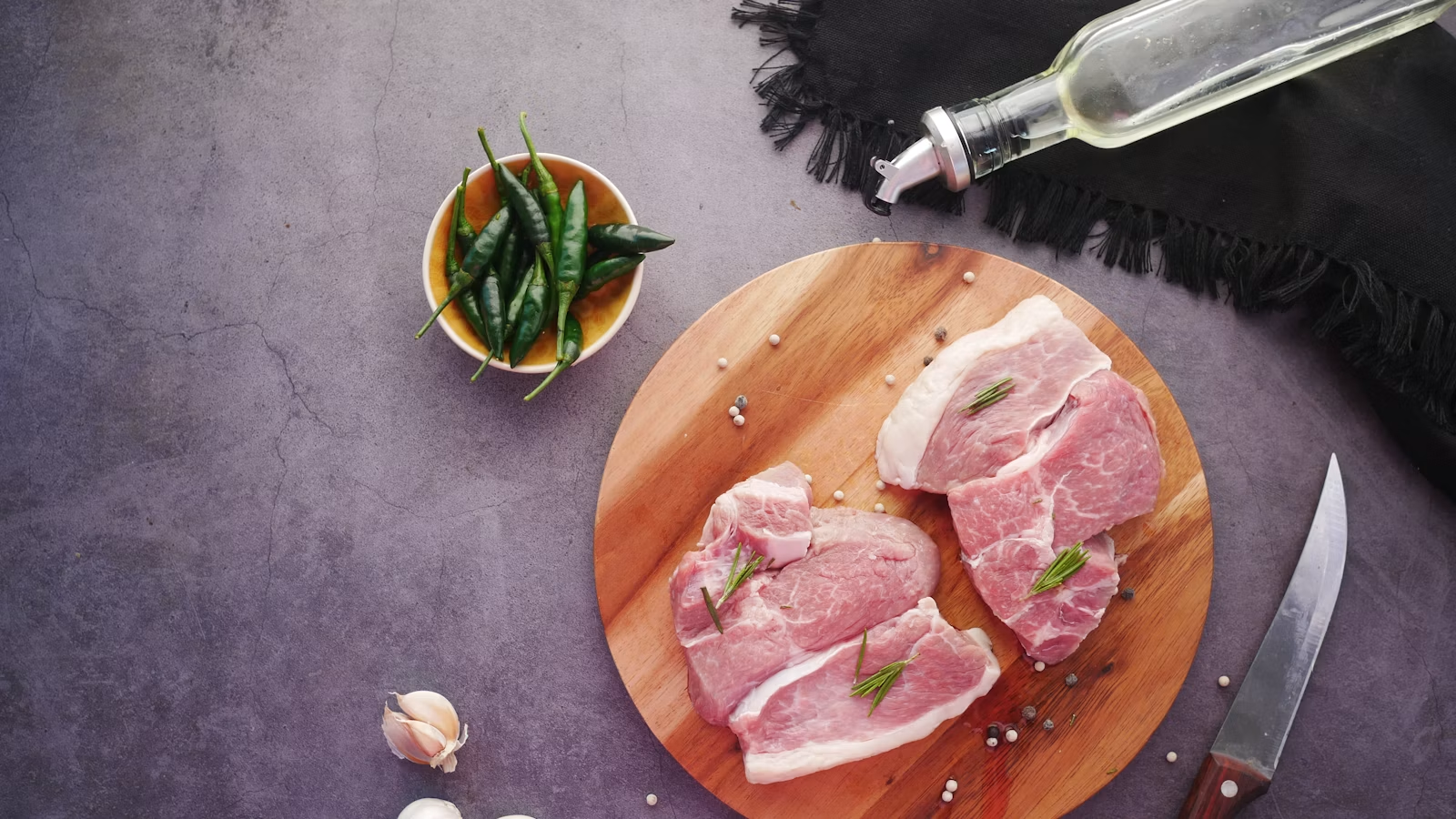
USDA describes veal as meat from a calf or young beef animal. In the United States, the term covers a distinct market category rather than one single cut or recipe. The flavor is generally gentler than mature beef, and the muscle fibers often feel finer. It still tastes like meat, of course, but seasonings, pan sauce, breadcrumbs, lemon, herbs, and mushrooms tend to stand beside it instead of fighting for attention.
The flesh may range from pale pink to deeper rose. Color can reflect age, diet, packaging, and oxygen exposure, so pale is not automatically “better,” and a darker package is not automatically tough. Check the sell-by or use-by information, look for intact packaging, and avoid meat with an off odor or a sticky surface. If you are unsure, the butcher is more useful than a color chart.
Veal is not simply tender beef in miniature. Some cuts are naturally tender; others contain connective tissue that only softens with a slow braise. That is the same practical distinction behind many beef dishes, from quick steaks to long-cooked beef noodle soup. Age affects character, but anatomy still runs the kitchen.
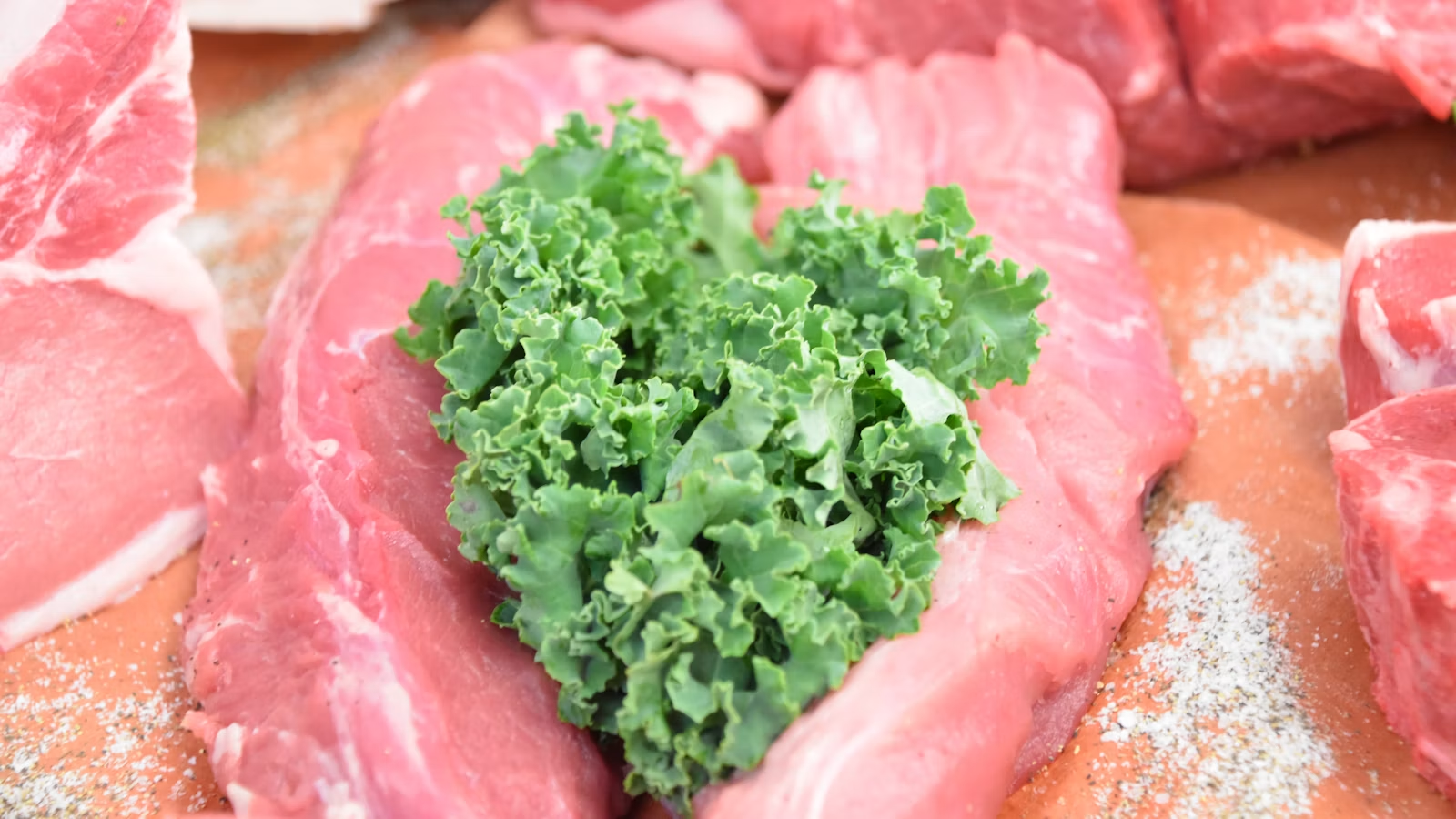
Choose the cut for the cooking method
Cutlets or scallopini are thin slices, often from the leg, meant for very quick cooking. Pat them dry, pound only if the thickness is uneven, and have the sauce ingredients ready before the meat hits the pan. They can go from golden to overdone while you are still searching for the capers.
- Loin or rib chops: Use dry heat—pan-searing, grilling, or roasting—and monitor the center with a thermometer.
- Cutlets: Sauté or bread and shallow-fry quickly; their thinness is the entire point.
- Shank: Braise slowly for osso buco so collagen-rich tissue becomes tender.
- Shoulder or breast: Choose moist, slower cooking for stews, rolls, or a gentle braise.
- Ground veal: Use for meatballs, meatloaf, or fillings, and cook to the ground-meat safety temperature.
When a package only says “veal steak,” ask which primal cut it came from and how thick it is. A label that hides the useful detail makes you do culinary detective work at 6 p.m., which is not when any of us are at our sharpest. If the cut is unfamiliar, a butcher can tell you whether it prefers searing or braising.
Cook veal safely without drying it out
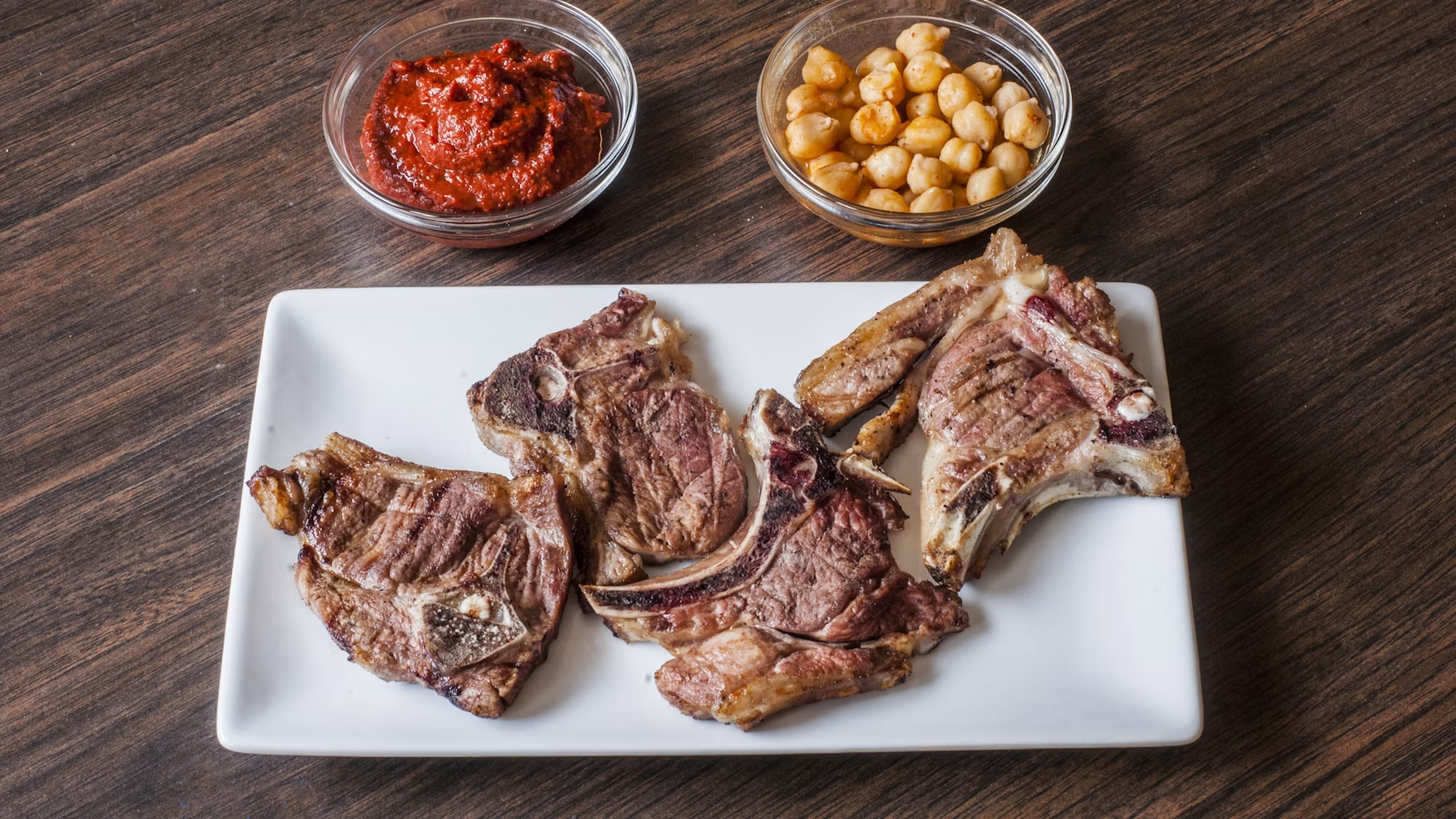
For whole veal steaks, chops, and roasts, USDA recommends a minimum internal temperature of 145°F (63°C) followed by at least a 3-minute rest. Ground veal should reach 160°F (71°C). Put the thermometer into the thickest part without touching bone; surface color is not a reliable safety test.
Lean cutlets need a hot pan, a small amount of fat, and a short cooking time. Work in batches so the pan stays hot, then remove each piece as soon as it is cooked. Build the sauce after the meat comes out and return the cutlets only long enough to coat them. Simmering thin veal in sauce for ten extra minutes is how tenderness quietly packs a suitcase.
Chops are more forgiving when they have a little thickness. Sear for color, then finish over gentler heat while checking temperature. For shanks or shoulder, the opposite approach applies: brown for flavor, add liquid, cover, and braise until a fork meets little resistance. The safe minimum tells you when meat is safe; a tough braising cut may need more time to become pleasurable.
Keep raw veal and its juices away from ready-to-eat foods, use a clean plate for cooked meat, and wash hands and tools after prep. Tastiva’s guide to cross contamination is worth revisiting whenever a cutting board seems to be doing three jobs at once.
Labels, storage, and practical substitutes
“Veal” alone does not explain the farm system, housing, feed, or third-party welfare standards behind a package. If those details matter to you, look for specific verified certifications and traceable producer information rather than broad pastoral language. Organic, grass-fed, and “humanely raised” are different claims with different requirements; one should not be treated as a shortcut for all the others.
Refrigerate veal promptly in its original wrap or a leakproof container on the lowest shelf. Follow the package date and USDA storage guidance, and freeze it if plans change. Thaw in the refrigerator, in cold water changed regularly, or in the microwave immediately before cooking—not on the counter. Chill cooked leftovers within two hours and store them in shallow containers so they cool efficiently.
For substitutions, match texture and method rather than chasing an exact flavor. Thin pork loin or chicken cutlets can stand in for scallopini; beef or lamb shank can replace veal shank in a braise, though the finished sauce will taste stronger. A lean ground-beef mixture works in meatballs, while bison meat needs its own moisture-conscious handling. The best substitute is the one that behaves like the cut your recipe expects.
Veal Discover Delicious, an industry source, introduces what veal is in the short video below. Use the cut-by-cut cooking and food-safety guidance above to decide how to prepare the package you buy.
Sources
- USDA FSIS: Veal From Farm to Table
- USDA FSIS: Safe Minimum Internal Temperature Chart
- USDA AMS: Institutional Meat Purchase Specifications for Fresh Veal and Calf
- USDA FoodData Central

Hi, I’m Laura, the voice behind Tastiva. I’ve always believed that eating well should feel enjoyable, comforting, and realistic—not like another complicated rule to follow. I love creating recipes that fit into everyday life, sharing simple nutrition ideas, and finding small ways to make meals feel a little better without losing the pleasure of good food.