
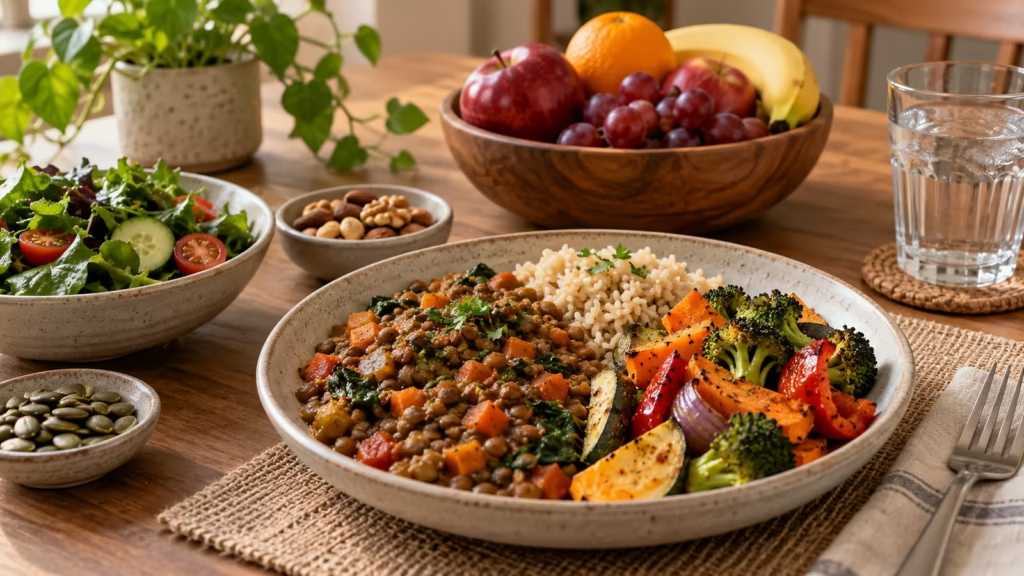
The Daniel Fast is a temporary, faith-based practice built around simple plant foods and water. Many modern versions include vegetables, fruit, beans, lentils, whole grains, nuts, and seeds while excluding meat, dairy, alcohol, sweeteners, and highly processed foods.
A Daniel Fast is meant to support spiritual focus; the food plan should be simple, nourishing, and safe enough to sustain that purpose.
I’m Laura, and I want to treat this as both a religious practice and a nutrition question. Congregations and individuals interpret the fast differently, so your spiritual guidance comes first. The meal outline here is a flexible way to meet basic needs within the common whole-food, plant-based pattern.
What the Daniel Fast includes
The practice draws inspiration from passages in the Book of Daniel, but there is no single standardized modern menu. Twenty-one days is common, though duration and restrictions vary. Some versions allow all minimally processed plant foods; others exclude leavened bread, oil, caffeine, or packaged foods.
- Often included: vegetables, fruit, beans, lentils, peas, whole grains, nuts, seeds, herbs, spices, and water.
- Often excluded: meat, fish, dairy, eggs, alcohol, added sweeteners, and heavily processed foods.
- Varies by community: plant oils, whole-grain bread, caffeine, salt, and minimally processed convenience foods.
Clarify the rules before shopping. Then choose enough food—not only salads and fruit—to support energy. Beans, lentils, whole grains, potatoes, nuts, seeds, avocado, and plant oils where permitted make the plan more substantial.
Build balanced meals during the fast
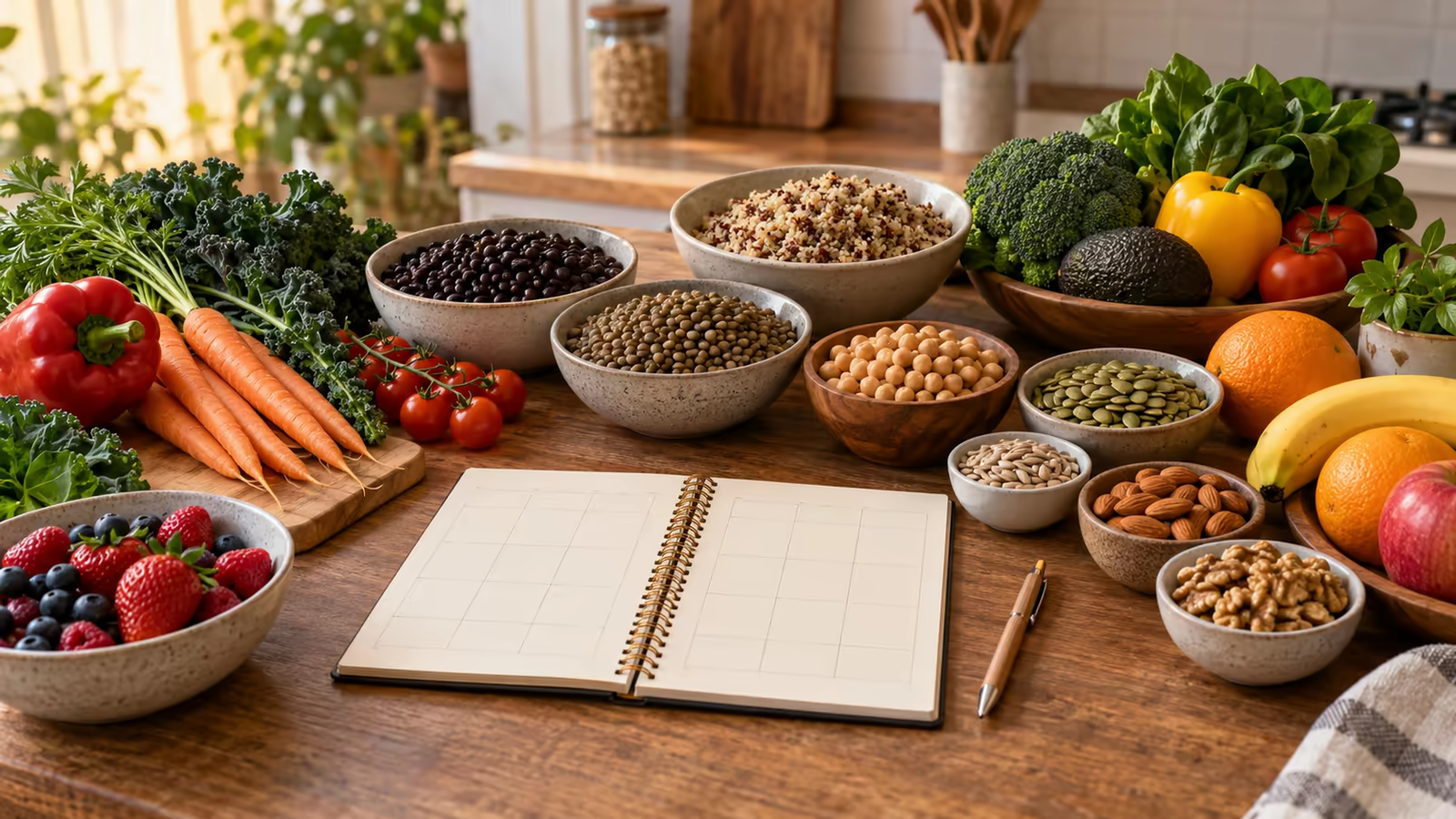
At each main meal, combine a protein-rich plant food, a whole grain or starchy vegetable, produce, and a source of fat. Examples include lentils with brown rice and vegetables; oatmeal with fruit, walnuts, and chia; or a baked potato with black beans, salsa, and avocado.
Plant proteins add up across the day. You do not need to combine specific foods at every meal, but variety helps cover amino acids and micronutrients. Tastiva’s guide to daily protein needs can help you set a realistic target rather than guessing.
- Protein: beans, lentils, chickpeas, peas, soy foods if allowed, nuts, and seeds.
- Iron: lentils, beans, pumpkin seeds, tofu, and greens; pair with vitamin C-rich produce.
- Calcium: fortified plant milk if permitted, calcium-set tofu, tahini, beans, and greens.
- Vitamin B12: not reliably supplied by unfortified plant foods; a supplement or fortified food may be needed for longer vegan eating.
- Iodine: iodized salt where permitted, used in reasonable amounts.
A flexible 7-day Daniel Fast meal plan
Adjust portions to appetite and activity. Repeat leftovers to keep the week simple, and season with herbs, spices, citrus, vinegar, garlic, onion, and small amounts of salt or oil if your version allows them.
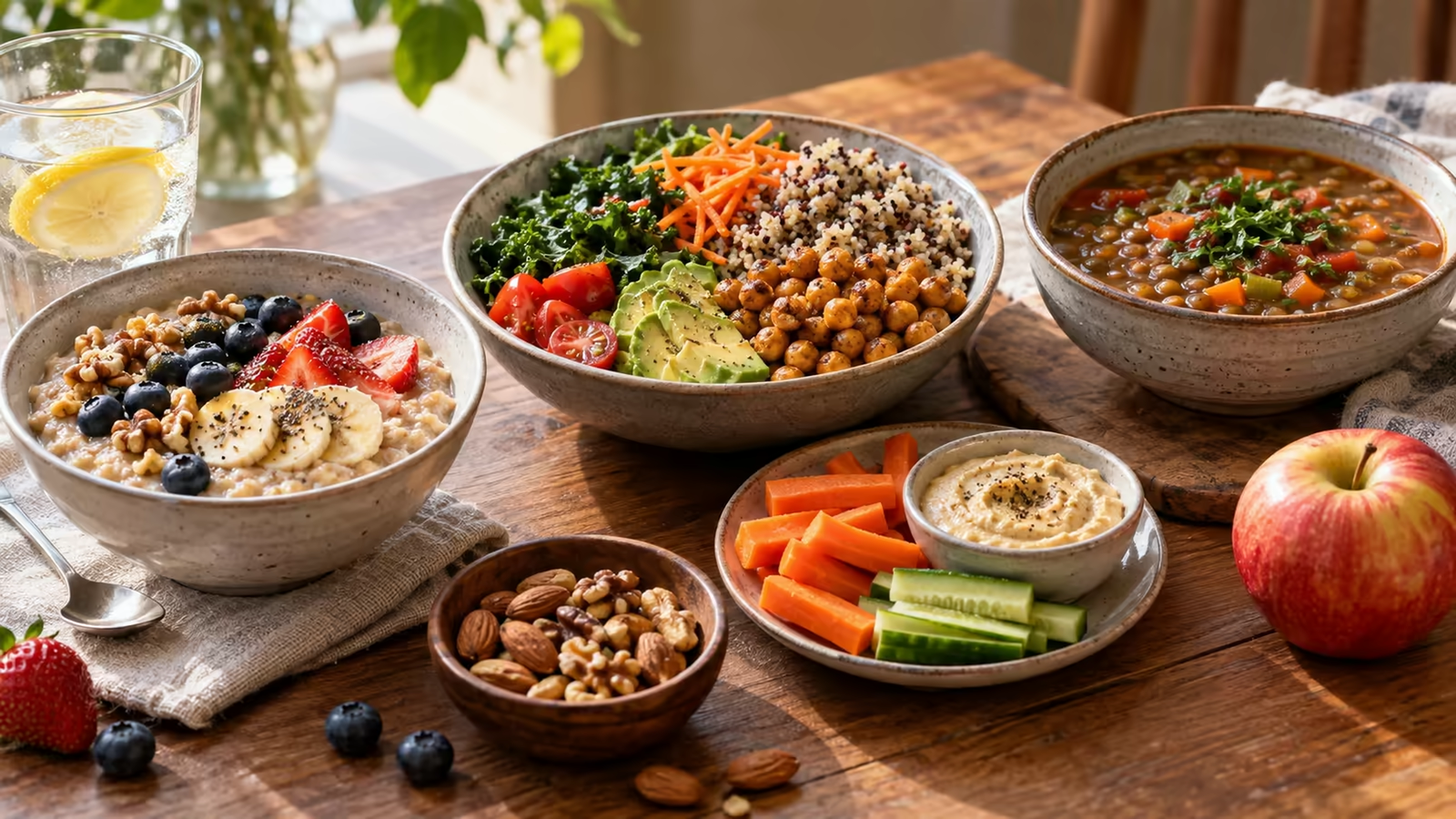
- Day 1: oatmeal with berries and walnuts; chickpea grain bowl; lentil-vegetable stew with brown rice.
- Day 2: apple-cinnamon oats; leftover stew; baked potato with black beans, salsa, and avocado.
- Day 3: millet porridge with banana and seeds; hummus and vegetable plate; vegetable-chickpea curry with quinoa.
- Day 4: overnight oats; leftover curry; whole-grain pasta with white beans, tomatoes, and spinach.
- Day 5: fruit, oats, and nut butter; lentil salad with roasted vegetables; bean chili with corn and cabbage slaw.
- Day 6: warm grain bowl with pear and pecans; leftover chili; stuffed peppers with rice, beans, and vegetables.
- Day 7: oatmeal with dates and tahini; hummus wrap or bowl; red lentil soup, whole-grain bread if allowed, and salad.
Use a meal-planning rhythm rather than cooking from scratch three times daily. Prepare one pot of beans or lentils, one grain, roasted vegetables, chopped raw vegetables, and a sauce. Tastiva’s family meal-plan system applies the same component approach.
Safety, medical needs, and ending the fast
Talk with a qualified clinician before fasting if you are pregnant or breastfeeding, have diabetes, kidney disease, an eating disorder or history of one, take medicines affected by food, are under 18, or have another condition requiring a prescribed diet. Religious leaders often support medically necessary modifications.
A sudden increase in beans and whole grains can cause gas or bloating. Increase fiber gradually, drink enough water, rinse canned beans, and spread portions across the day. People with kidney disease may need limits on potassium, phosphorus, or fluid that conflict with a standard Daniel Fast menu.
When the fast ends, reintroduce excluded foods gradually rather than celebrating with an unusually large, rich meal. Keep any habits that served you—planning, vegetables, beans, shared meals—without treating temporary restriction as proof that a food group is morally better.
Sources
- USDA MyPlate: What Is MyPlate?
- NIH Office of Dietary Supplements: Vitamin B12
- Lipids in Health and Disease: Daniel Fast Pilot Study

Hi, I’m Laura, the voice behind Tastiva. I’ve always believed that eating well should feel enjoyable, comforting, and realistic—not like another complicated rule to follow. I love creating recipes that fit into everyday life, sharing simple nutrition ideas, and finding small ways to make meals feel a little better without losing the pleasure of good food.