
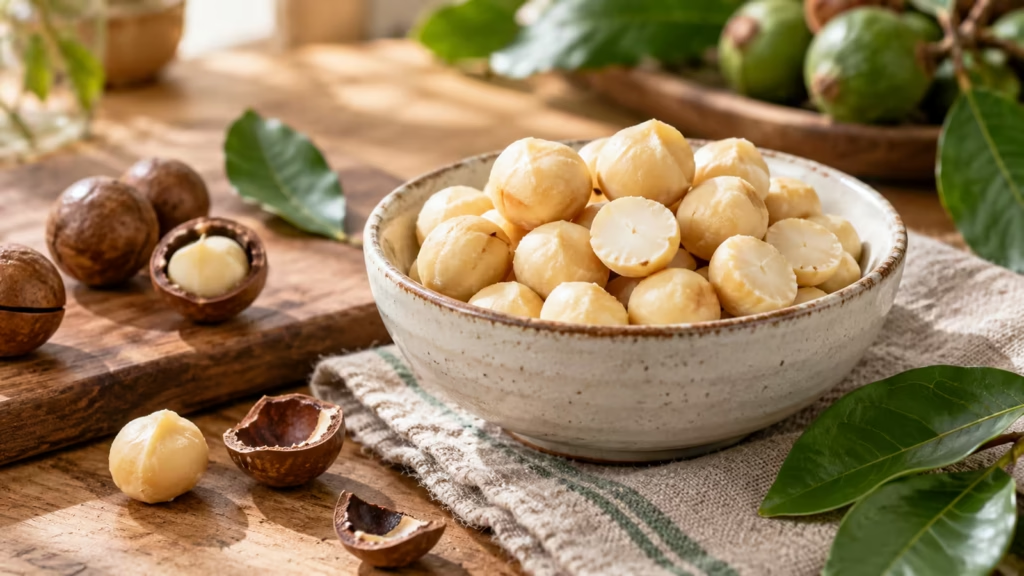
Macadamia nuts are rich, buttery tree nuts that provide mostly monounsaturated fat, along with some fiber, protein, thiamin, manganese, and other micronutrients. They are also energy-dense, so a small handful delivers plenty of flavor and calories.
Macadamias can be a nourishing part of a varied diet, but their benefits come from the whole eating pattern—not a superfood label.
I’m Laura, and I think macadamias are best used where their creamy texture and toasted flavor can shine. They cost more than many nuts, which is another reason to treat a modest portion as an ingredient rather than eating absent-mindedly from a large bag.
What macadamia nuts are
Macadamias grow on evergreen trees native to Australia and are now cultivated in places including Hawaii, South Africa, Kenya, and Central America. The edible kernel sits inside an exceptionally hard shell, so most nuts are sold shelled.
Raw kernels are pale and mild; roasting deepens their aroma and makes them crisper. Products may be dry-roasted, oil-roasted, salted, honey-coated, chocolate-covered, or seasoned. Those additions change sodium, sugar, and calorie content.
Macadamias are tree nuts. Anyone with a diagnosed tree-nut allergy should follow an allergist’s advice and check labels for cross-contact. Keep the nuts away from dogs: macadamia ingestion can cause weakness and other signs of toxicity.
Nutrition and a practical portion
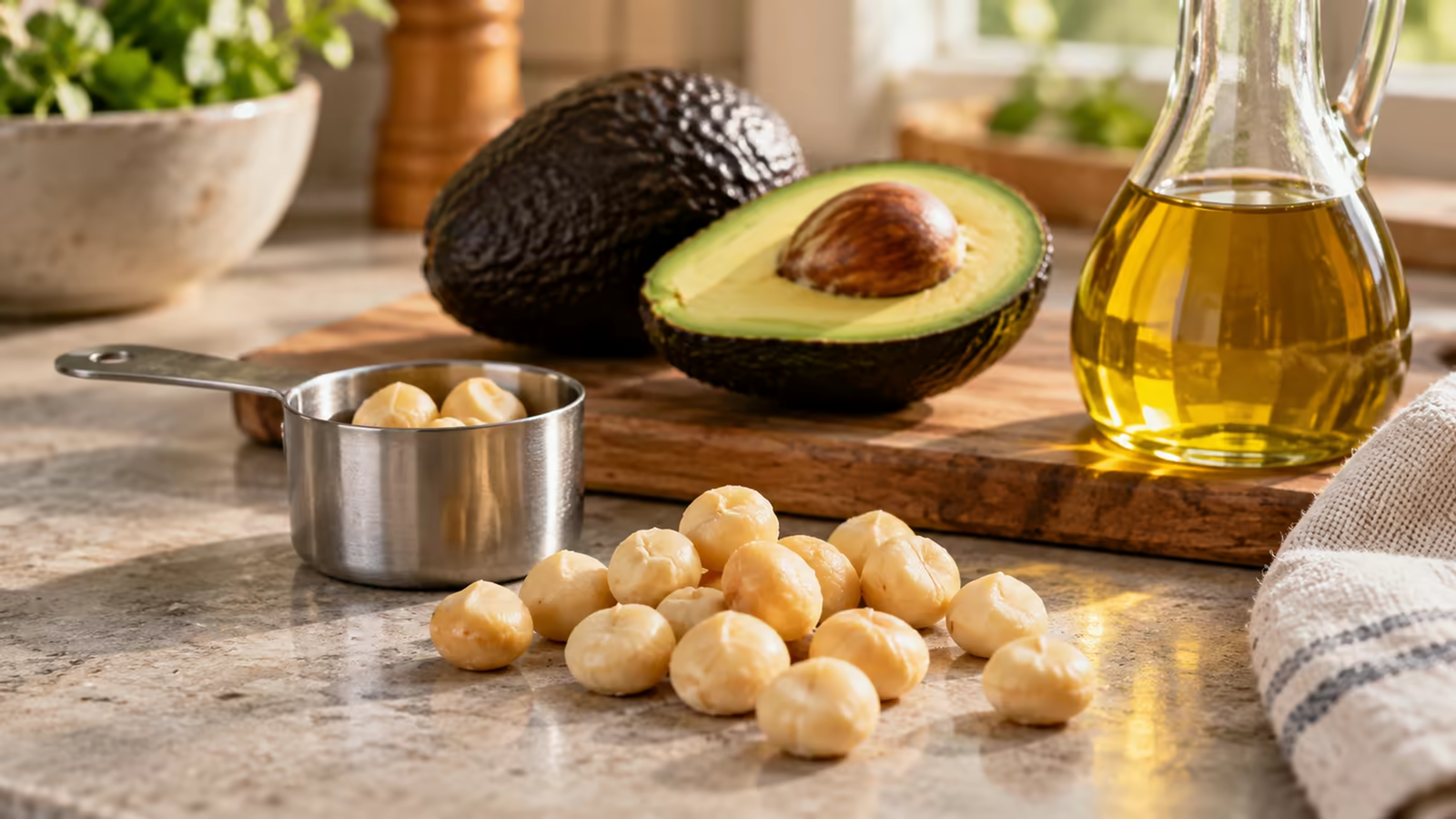
Most of the fat in macadamias is monounsaturated, the same broad category emphasized in foods such as olive oil and avocado. They also contain saturated fat, so the complete nutrition facts still matter. Exact amounts vary by product and serving.
A 1-ounce serving is roughly a small handful—often around 10 to 12 kernels depending on size. Measuring once can help you recognize a portion without turning eating into constant arithmetic. Pairing nuts with fruit or yogurt can make a more substantial snack.
- Choose unsalted nuts when sodium is a concern.
- Compare dry-roasted and oil-roasted labels rather than assuming one is always lighter.
- Look for added sugars on flavored products.
- Remember that nut butter is easy to spoon in larger portions.
Potential health benefits in context
Research on nuts generally associates regular intake with favorable cardiovascular outcomes, especially when nuts replace foods higher in saturated fat or refined carbohydrate. Macadamia-specific studies are smaller, and no single nut prevents disease.
The useful comparison is replacement. Adding a large serving of macadamias on top of an unchanged diet is different from using a small portion instead of candy, processed meat, or a less-satisfying snack. People working toward weight change can include nuts while paying attention to portions and hunger.
For another nut-based spread, see Tastiva’s pistachio butter guide. And if you enjoy seeds with a similar culinary name, the guide to pine nuts explains their distinct origin and flavor.
How to buy, store, and use them
Choose intact kernels that smell sweet and nutty, not paint-like or bitter. Their high fat content makes them vulnerable to rancidity. Store a small amount airtight in a cool pantry and refrigerate or freeze larger quantities, especially in a warm kitchen.
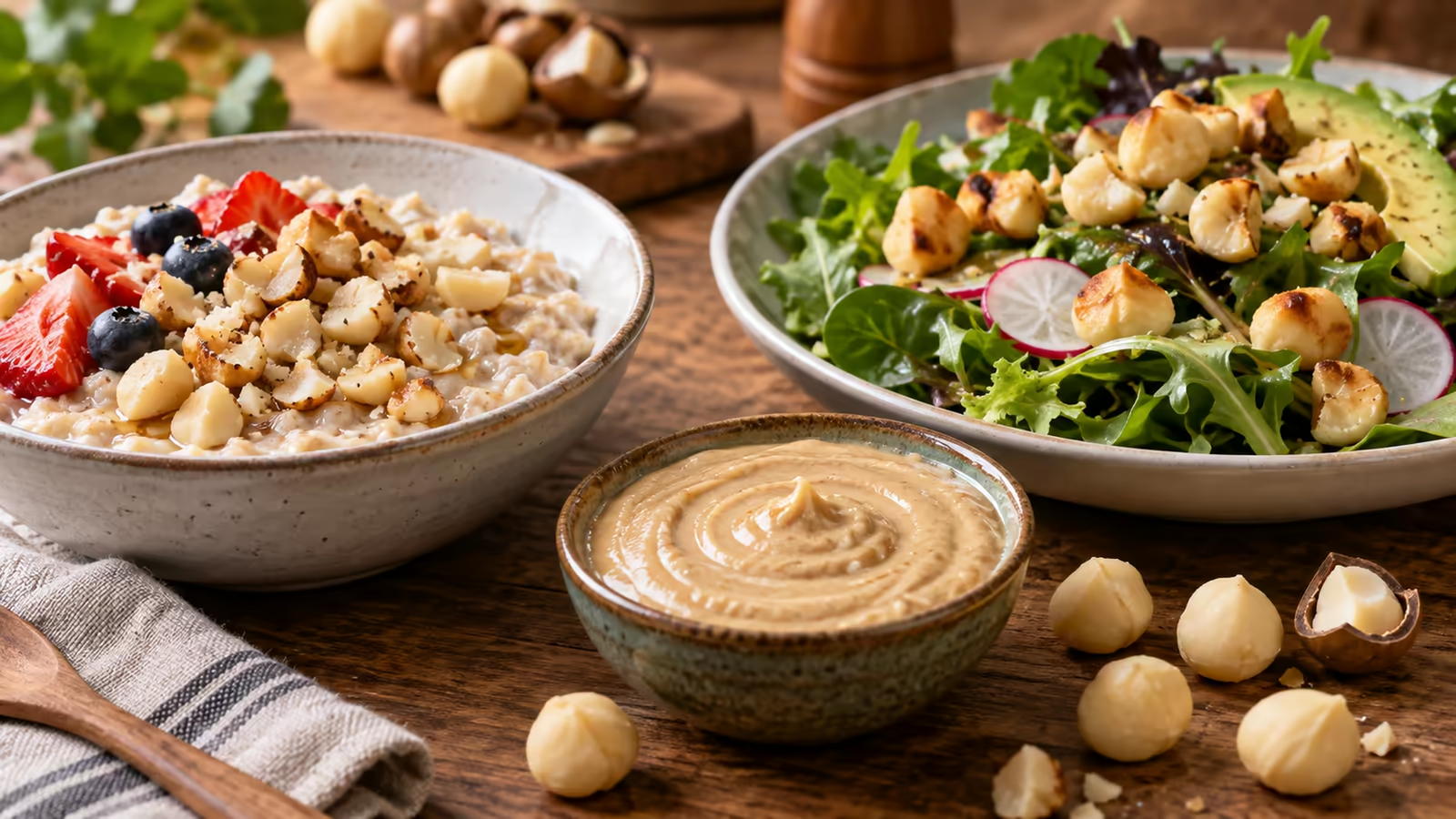
- Toast and chop over salads, oatmeal, or roasted vegetables.
- Blend into nut butter or a dairy-free cream sauce.
- Use in pesto with herbs and lemon.
- Add small pieces to cookies, quick breads, or granola.
- Crush as a coating for fish or tofu.
Toast gently because the nuts can brown quickly. Spread them on a sheet pan and check often, or use a dry skillet over moderate heat while stirring. Cool before storing so trapped steam does not soften them.
Macadamia oil has a mild flavor and a high proportion of monounsaturated fat, but it is not nutritionally identical to the whole nut because it lacks the kernel’s fiber and protein. Choose the form that fits the dish.
Macadamias are energy-dense, so a small measured portion can be more useful than eating directly from the bag. Add chopped nuts to oatmeal, yogurt, salads, or roasted vegetables, where their texture and flavor go a long way. Choose unsalted nuts when the rest of the meal already contains salty ingredients.
Their high fat content also makes storage important. Keep an opened package tightly sealed away from heat and light; refrigerate or freeze it for longer storage. Discard nuts that smell paint-like, bitter, or stale. Anyone with a tree-nut allergy should avoid macadamias and check labels for cross-contact warnings.
Sources
- USDA FoodData Central
- U.S. Food and Drug Administration: Food Allergies
- ASPCA Animal Poison Control: Macadamia Nuts

Hi, I’m Laura, the voice behind Tastiva. I’ve always believed that eating well should feel enjoyable, comforting, and realistic—not like another complicated rule to follow. I love creating recipes that fit into everyday life, sharing simple nutrition ideas, and finding small ways to make meals feel a little better without losing the pleasure of good food.