
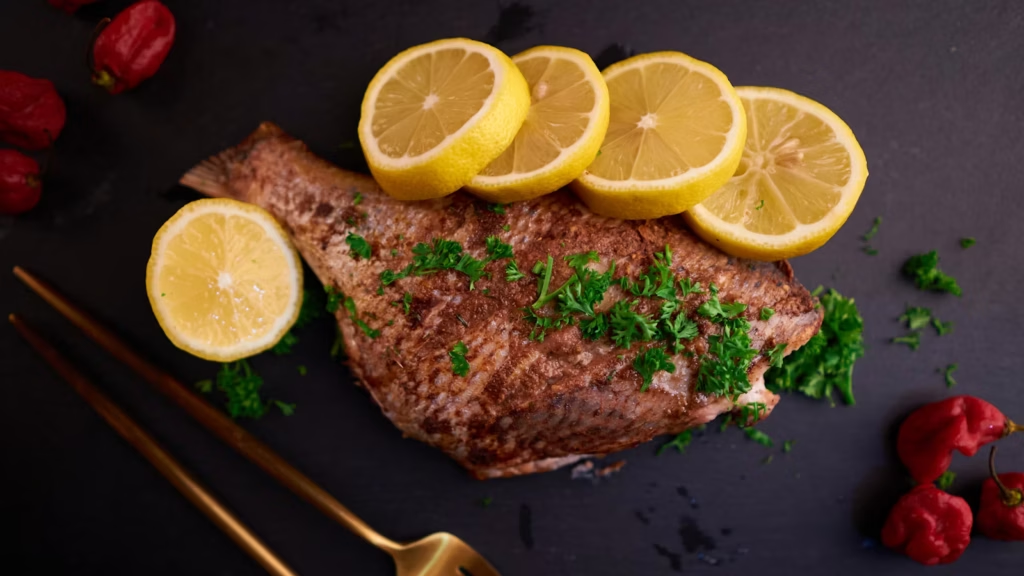
Dorado fish sounds like one precise species, but the label needs a little translation. In most U.S. seafood cases and restaurant menus, dorado means mahi-mahi: a fast-growing, open-ocean fish with firm, lean flesh and a mild flavor. In other countries, similar names can point to sea bream or even a freshwater game fish. The counter label matters more than confidence delivered in a fancy accent.
Dorado fish is usually mahi-mahi on an American menu: sturdy enough for the grill, mild enough for bright citrus, and far too easy to overcook.
Which fish is dorado?
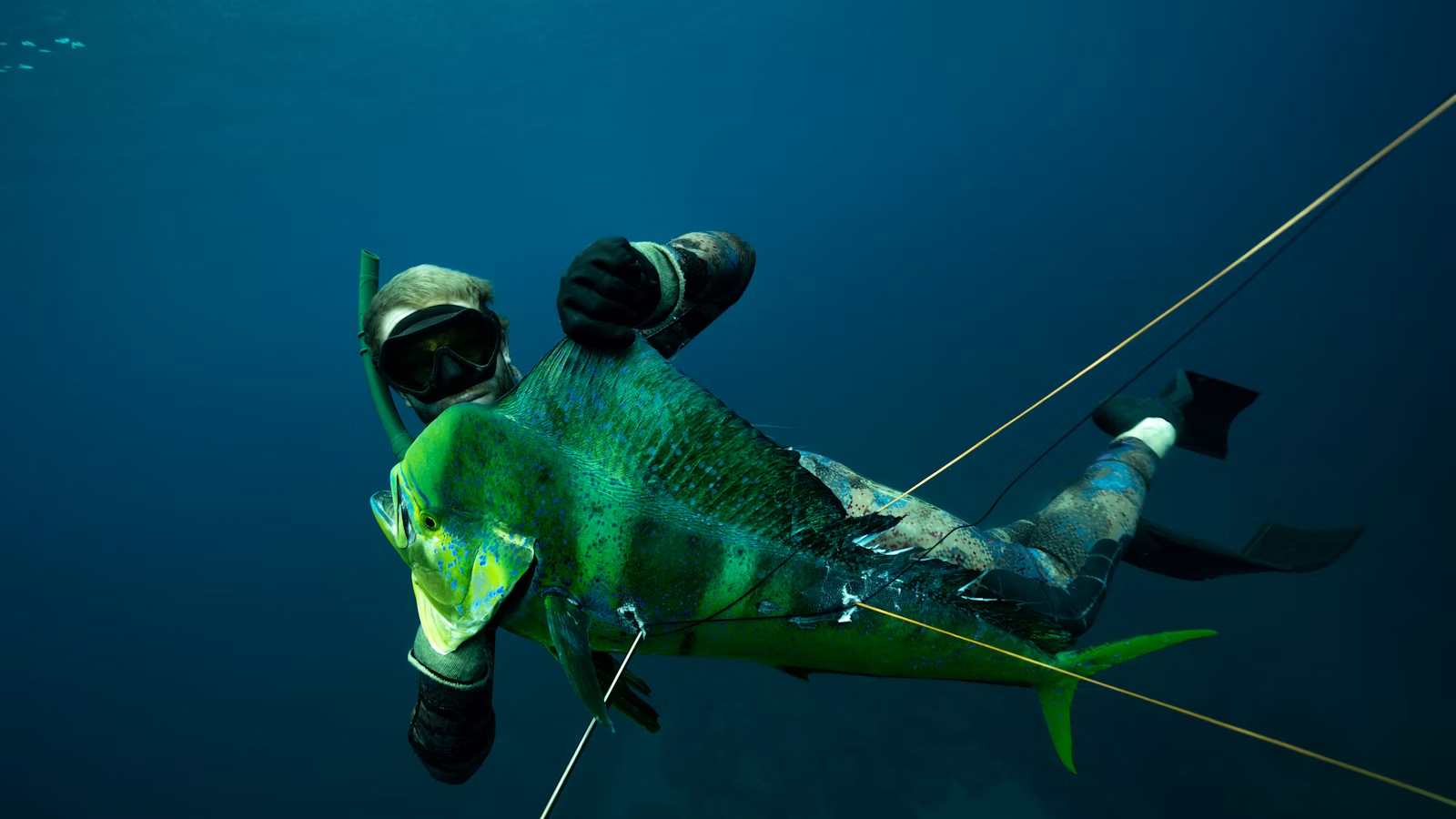
NOAA identifies mahi-mahi as Coryphaena hippurus, a pelagic species found in warm temperate, tropical, and subtropical waters. It is also called dolphinfish, but it is a fish—not a marine mammal and not related to dolphins. “Dorado,” Spanish for golden, suits the vivid gold, blue, and green colors seen on a fresh whole fish.
Names change by region. “Dorada” or “dorade” often refers to gilthead seabream, Sparus aurata, especially in Mediterranean markets. South American anglers may use dorado for a freshwater species. If a package says only dorado fish, look for the scientific name, country of origin, and harvest method. For this guide, dorado means mahi-mahi.
What dorado fish tastes like
Mahi-mahi is mild, slightly sweet, and less oily than salmon. Its large, moist flakes feel firmer than cod but usually less dense than swordfish. That structure makes dorado fish friendly to grilling, searing, broiling, and tacos because the fillet does not collapse the moment you move it. If you already like the clean flavor described in Tastiva’s halibut guide, this is familiar territory.
The lean flesh also explains its main weakness: extra cooking does not make it “more done”; it makes it chalky. Salt shortly before cooking, add a thin film of oil, and use acid in a finished sauce rather than soaking the fillet for hours. Long acidic marinades can turn the surface soft before the center reaches the pan.
How to buy, thaw, and portion it
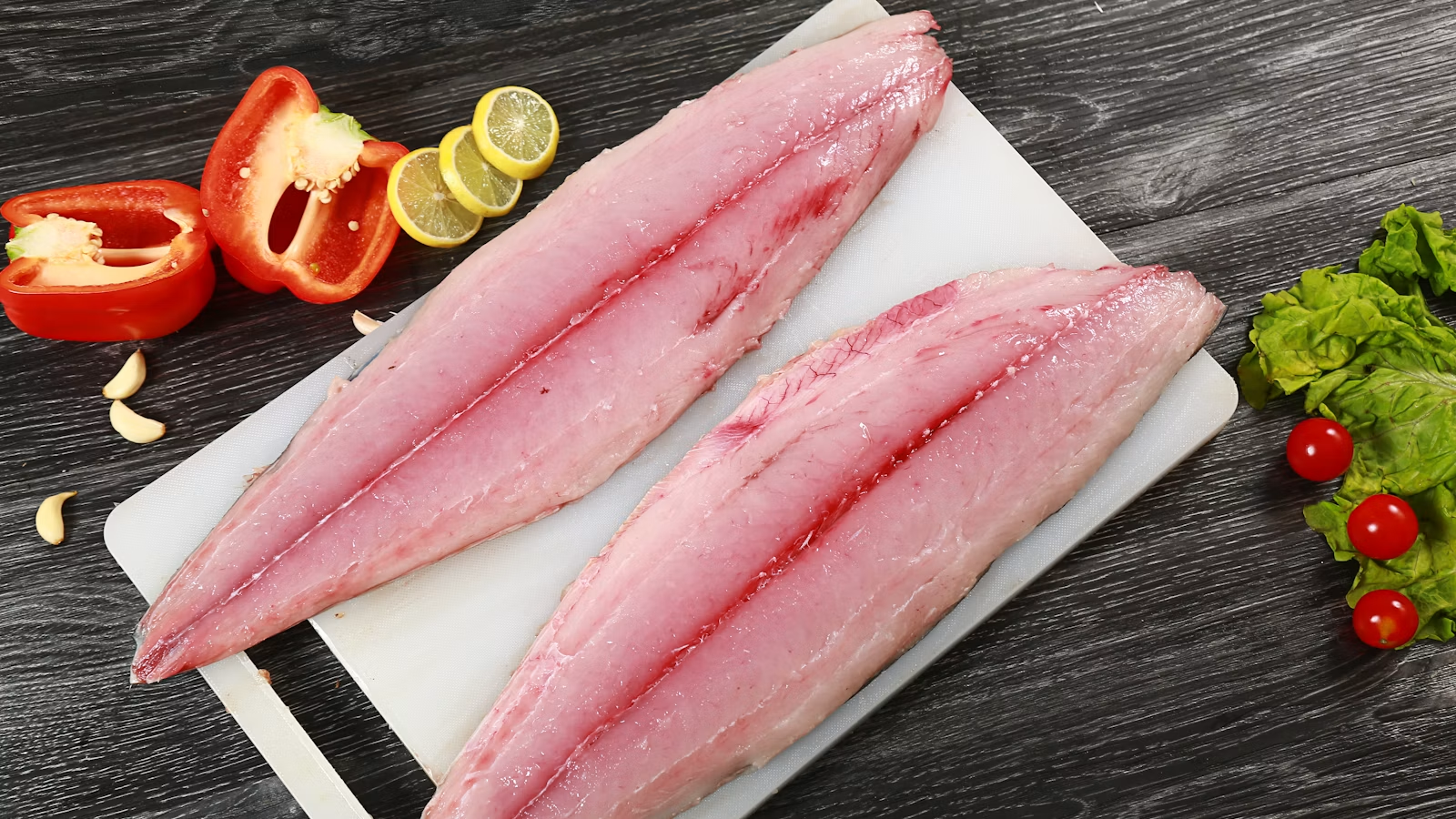
Fresh fillets should look moist and resilient, without dried edges, milky liquid, or a strong fishy or ammonia-like smell. Color can range from pale pink to grayish white, often with a darker bloodline. Frozen dorado fish is a sensible choice when the package is tightly sealed and free of heavy frost, torn corners, or obvious thaw-and-refreeze damage.
Thaw frozen portions overnight in the refrigerator on a rimmed plate. For a faster option, keep the fish in a leakproof bag and submerge it in cold water, changing the water every 30 minutes. Never thaw it on the counter. Pat the surface dry before seasoning; water trapped against the fillet turns a good sear into a quiet little steam bath.
Dorado is a lean source of protein, but nutrient values vary with the product and preparation. USDA FoodData Central is the right place for a current comparison. For people who are pregnant or breastfeeding and for children, the FDA/EPA fish-advice chart places mahi-mahi among the “Good Choices”; follow its age-specific serving guidance and current frequency recommendations.
7 smart ways to cook dorado fish
- Pan-sear: Cook in a lightly oiled skillet and turn once when the bottom releases easily.
- Grill: Oil clean grates and use reasonably thick fillets so they stay juicy.
- Broil: Place the fish several inches from the heat and watch closely near the end.
- Bake: Add herbs, olive oil, and citrus zest; keep the pan uncovered for better texture.
- Make tacos: Season with cumin and chile, then finish with cabbage and lime after cooking.
- Use a foil packet: Include quick-cooking vegetables, but open the packet promptly to stop steaming.
- Poach gently: Use barely simmering broth for a tender result suited to salads or rice bowls.
Lemon, lime, garlic, ginger, fresh herbs, tomato, coconut milk, and restrained chile all suit dorado fish. Choose one direction instead of inviting every condiment in the refrigerator. For a seafood pasta approach, the flavor-building method in Tastiva’s squid ink pasta is useful even when you swap the protein.
Safe temperature, storage, and substitutes
The FDA recommends cooking finfish to 145°F (63°C). Check the thickest part with an instant-read thermometer; the flesh should also be opaque and separate into flakes. Tastiva’s discussion of fish temperature and carryover cooking explains why a thermometer is kinder to dinner than repeated fork attacks.
Refrigerate raw fish promptly and follow the package date. Cooked leftovers belong in a covered container within two hours, or within one hour when the surrounding temperature exceeds 90°F (32°C). Reheat dorado fish gently or enjoy it chilled in a salad. Halibut, grouper, snapper, and firm cod can substitute, although thickness and cooking time will change.
Henry Ford Health demonstrates grilling mahi-mahi between pineapple pieces, with quinoa and chutney. That is a specific variation on grilling dorado, rather than a plain fillet; its published method uses the same 145°F fish-temperature checkpoint noted above.
Sources
- NOAA Fisheries: Atlantic Mahi Mahi
- FDA/EPA: Advice About Eating Fish
- FDA: Meat, Poultry, and Seafood Safety
- USDA FoodData Central

Hi, I’m Laura, the voice behind Tastiva. I’ve always believed that eating well should feel enjoyable, comforting, and realistic—not like another complicated rule to follow. I love creating recipes that fit into everyday life, sharing simple nutrition ideas, and finding small ways to make meals feel a little better without losing the pleasure of good food.