
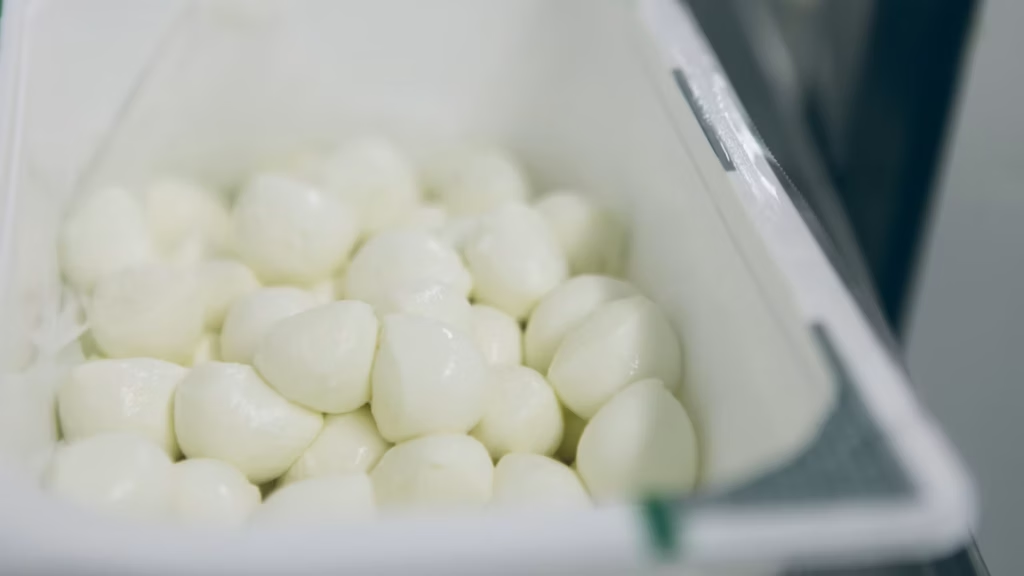
Bocconcini are the sort of ingredient that makes lunch look considered even when you assembled it in seven minutes. These small fresh-mozzarella balls are mild, milky, and pleasantly springy, with enough moisture to soften a tomato salad or a pan of roasted vegetables. They are not a separate cheese style so much as a very useful size—and yes, you can eat them straight from the container.
Bocconcini are little mozzarella mouthfuls: gentle enough for children, useful enough for cooks, and much happier with good olive oil.
What are bocconcini?
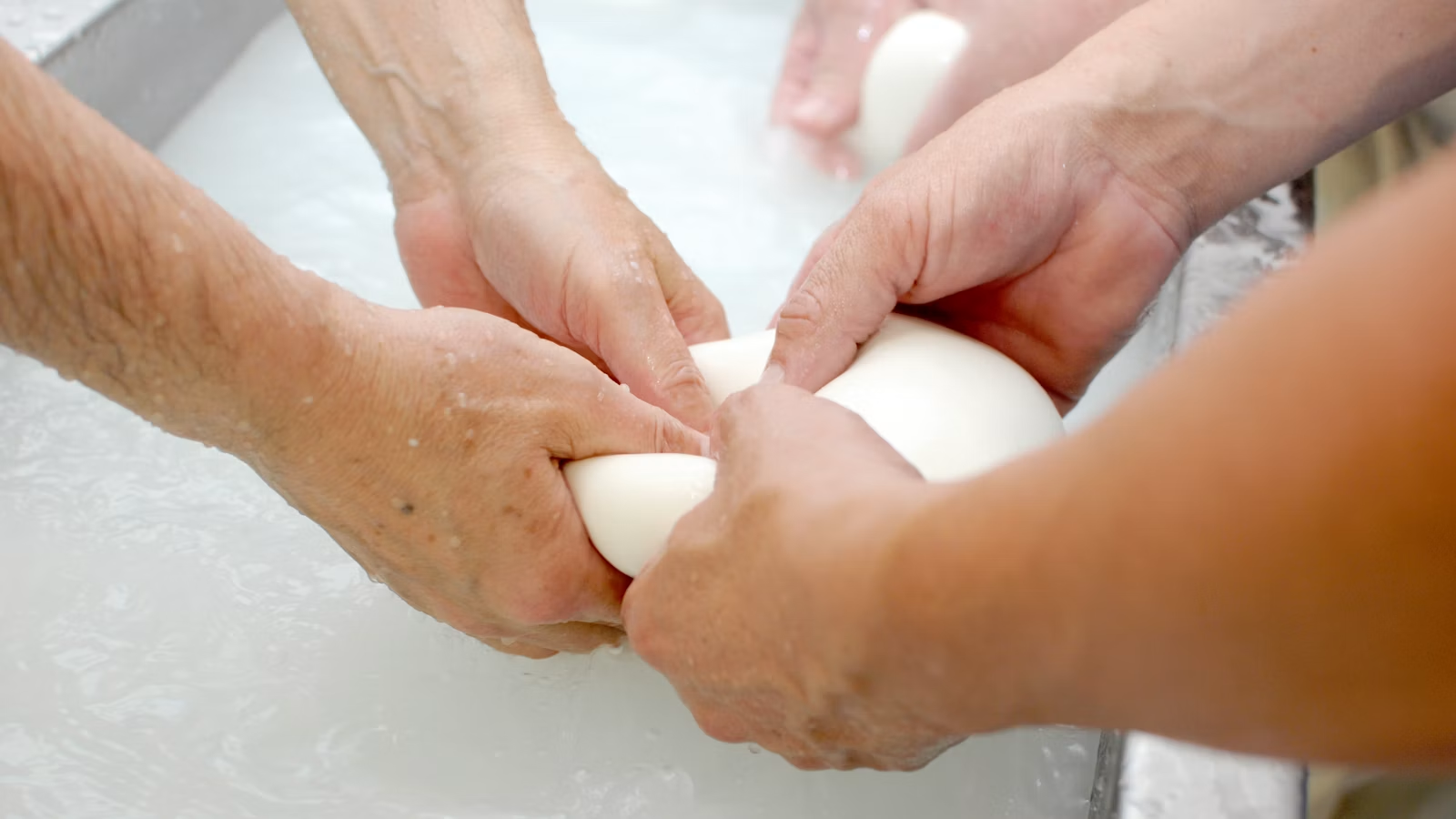
Bocconcini are small balls of fresh mozzarella, usually sold in whey, water, or a light brine. The name is plural; one little ball is technically a bocconcino. Packages vary from cherry-size pieces to balls closer to a small egg, so check the weight rather than assuming every brand uses the same scale.
Like other fresh mozzarella, they are stretched-curd cheese rather than aged cheese. Most supermarket versions in the United States are made with cow’s milk, while buffalo-milk mozzarella has a richer flavor and may carry protected regional labeling. If you are curious about the cream-filled relative, Tastiva’s guide to burrata explains why its center behaves so differently.
How they taste and what to buy
Expect a clean dairy flavor, gentle saltiness, and a tender bounce—not the assertive tang of feta or the firm chew of low-moisture pizza mozzarella. Good bocconcini should look white or ivory and feel moist, not slimy. Skip tubs with swollen lids, damaged seals, cloudy liquid that looks unusual for that brand, or a sour smell after opening.
Read the ingredient list and choose pasteurized milk when that matters for pregnancy, older adults, young children, or anyone with a weakened immune system. Nutrition varies by milk and brand, so the package label is more useful than one universal number. Fresh mozzarella contributes protein and calcium, but it can also bring meaningful saturated fat and sodium. USDA FoodData Central is helpful for comparisons; your tub remains the final word.
7 smart ways to use bocconcini
Drain the cheese and blot it lightly before adding oil or seasoning; otherwise the dressing slides into the packing liquid. Let chilled bocconcini sit for 10 to 15 minutes before serving so their mild flavor is easier to notice. Then use them in any of these low-drama, high-reward ways:
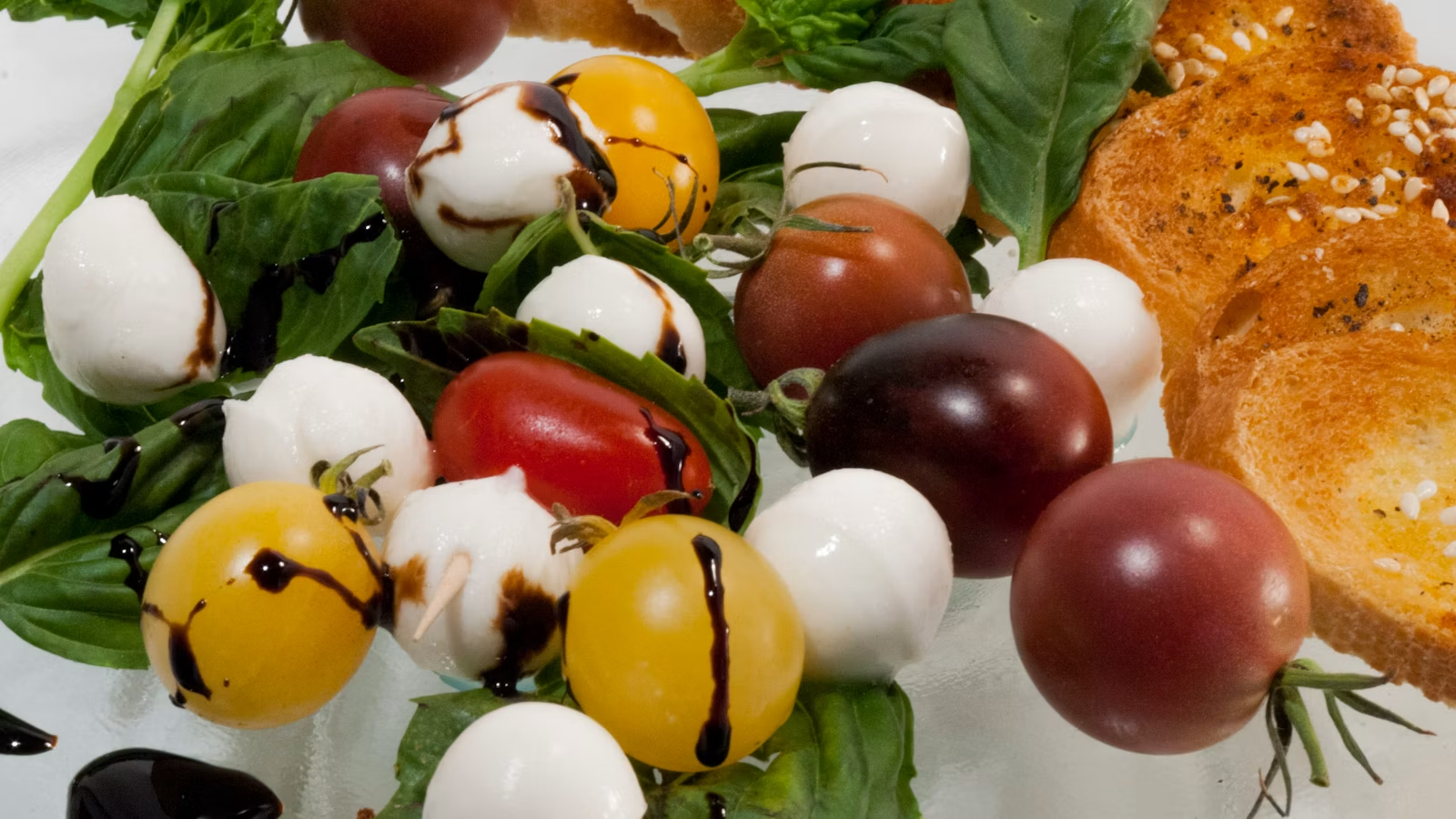
- Make a compact caprese. Toss with cherry tomatoes, basil, olive oil, salt, and pepper.
- Thread easy skewers. Alternate the cheese with tomatoes, olives, roasted peppers, or melon.
- Finish warm pasta. Fold in halved balls off the heat so they soften without disappearing.
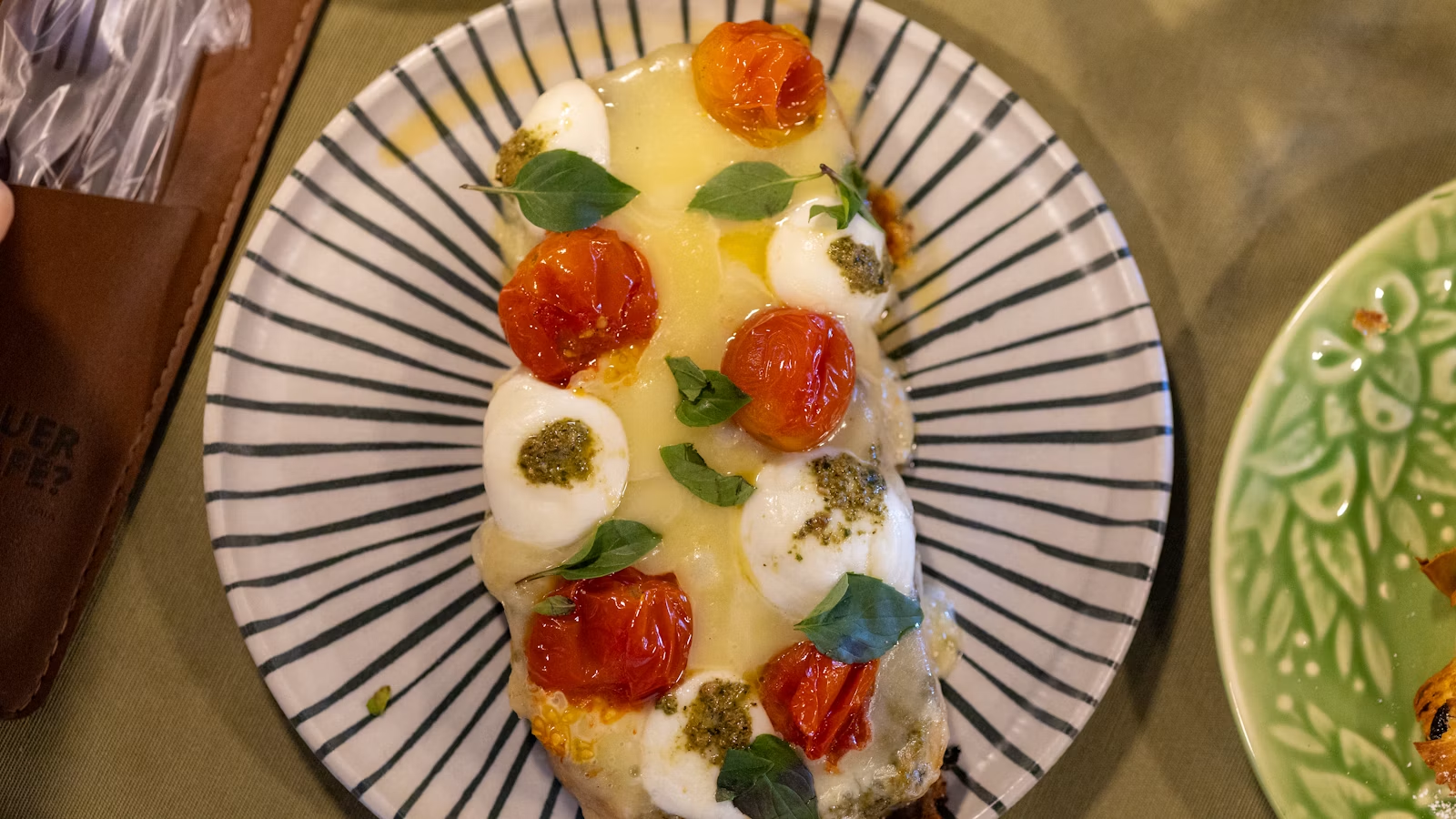
- Top pizza carefully. Drain and blot well, then tear or halve them to limit puddles.
- Upgrade a grain bowl. Add them to farro, quinoa, or couscous with crisp vegetables and herbs.
- Marinate for an appetizer. Use olive oil, lemon zest, chile flakes, garlic, and herbs; keep it refrigerated.
- Pair with roasted vegetables. Add the cheese after cooking so the outside warms while the middle stays tender.
Their small shape distributes cheese through a dish more evenly than thick mozzarella slices. That is especially useful in pasta salad, lunch boxes, and skewers, where one giant slab would be delicious but structurally ridiculous.
Bocconcini substitutes that work
Ciliegine—the even smaller “cherry” mozzarella balls—are the closest swap. A large ball of fresh mozzarella also works if you tear or cube it and accept a looser shape. For cooking, low-moisture mozzarella melts more evenly but tastes less delicate. Feta adds salt and tang rather than stretch, while burrata is creamier and best placed on top instead of tossed through.
I would not substitute pre-shredded mozzarella in a cold salad; its dry texture and anti-caking coating solve a different problem. Tastiva’s bagged-versus-block cheese guide is useful when melting is the goal. If freezing is your only alternative, read which cheeses handle the freezer best; fresh mozzarella loses some of its lovely tenderness after thawing.
How to store bocconcini safely
Keep unopened bocconcini refrigerated and follow the date on the package. After opening, return the cheese to its original liquid, close the container tightly, and use it within the manufacturer’s stated window. Do not top up old liquid with tap water and assume you have reset the clock. When the label and general advice disagree, the label wins.
The FDA recommends keeping refrigerators at 40°F (4°C) or below and returning perishable food to cold storage within two hours—one hour when the surrounding temperature is above 90°F (32°C). For parties, set out a small portion and replenish it from the refrigerator. Discard cheese with mold, a strongly sour odor, a sticky surface, or packaging that has swollen. Fresh cheese is not the place for culinary optimism.
FreshToHome demonstrates a bocconcini salad below. It shows one simple serving direction for these small mozzarella balls, alongside the other uses discussed above.
Sources
- Grand dictionnaire terminologique: Bocconcini
- USDA FoodData Central
- FDA: Refrigerator Thermometers—Cold Facts About Food Safety
- Associated Press: Choosing Mozzarella for Different Dishes

Hi, I’m Laura, the voice behind Tastiva. I’ve always believed that eating well should feel enjoyable, comforting, and realistic—not like another complicated rule to follow. I love creating recipes that fit into everyday life, sharing simple nutrition ideas, and finding small ways to make meals feel a little better without losing the pleasure of good food.