
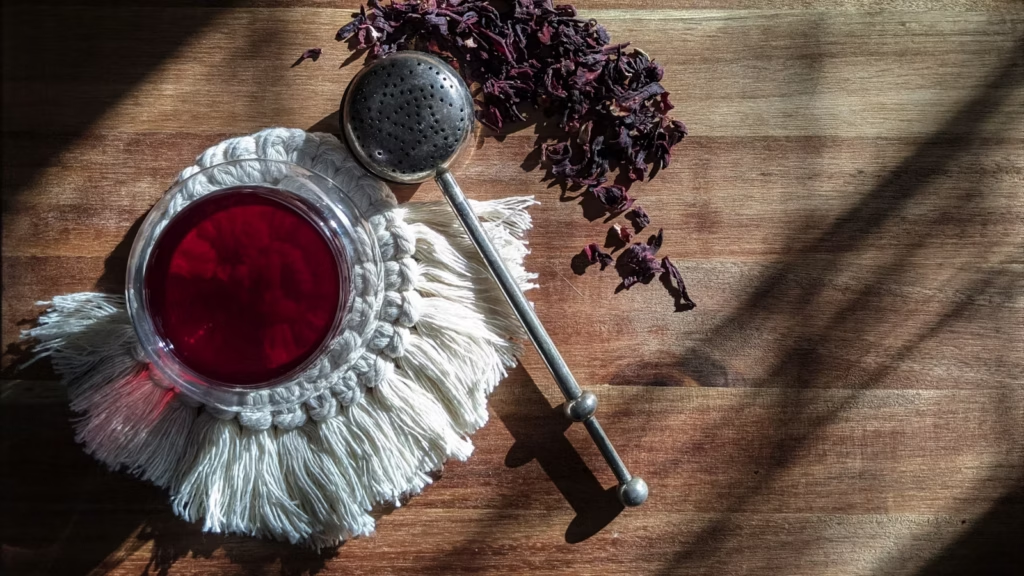
Hibiscus beverages are impossible to confuse with beige. Dried roselle steeps into a ruby-red drink with a tart, berry-like flavor—somewhere between cranberry, pomegranate, and a squeeze of citrus. It can be served hot or cold, barely sweetened or dessert-sweet, and scented with ginger, cinnamon, cloves, fruit peel, or fresh herbs.
Brew hibiscus for color and tartness first, then sweeten and spice the drink after tasting.
What hibiscus beverages are made from
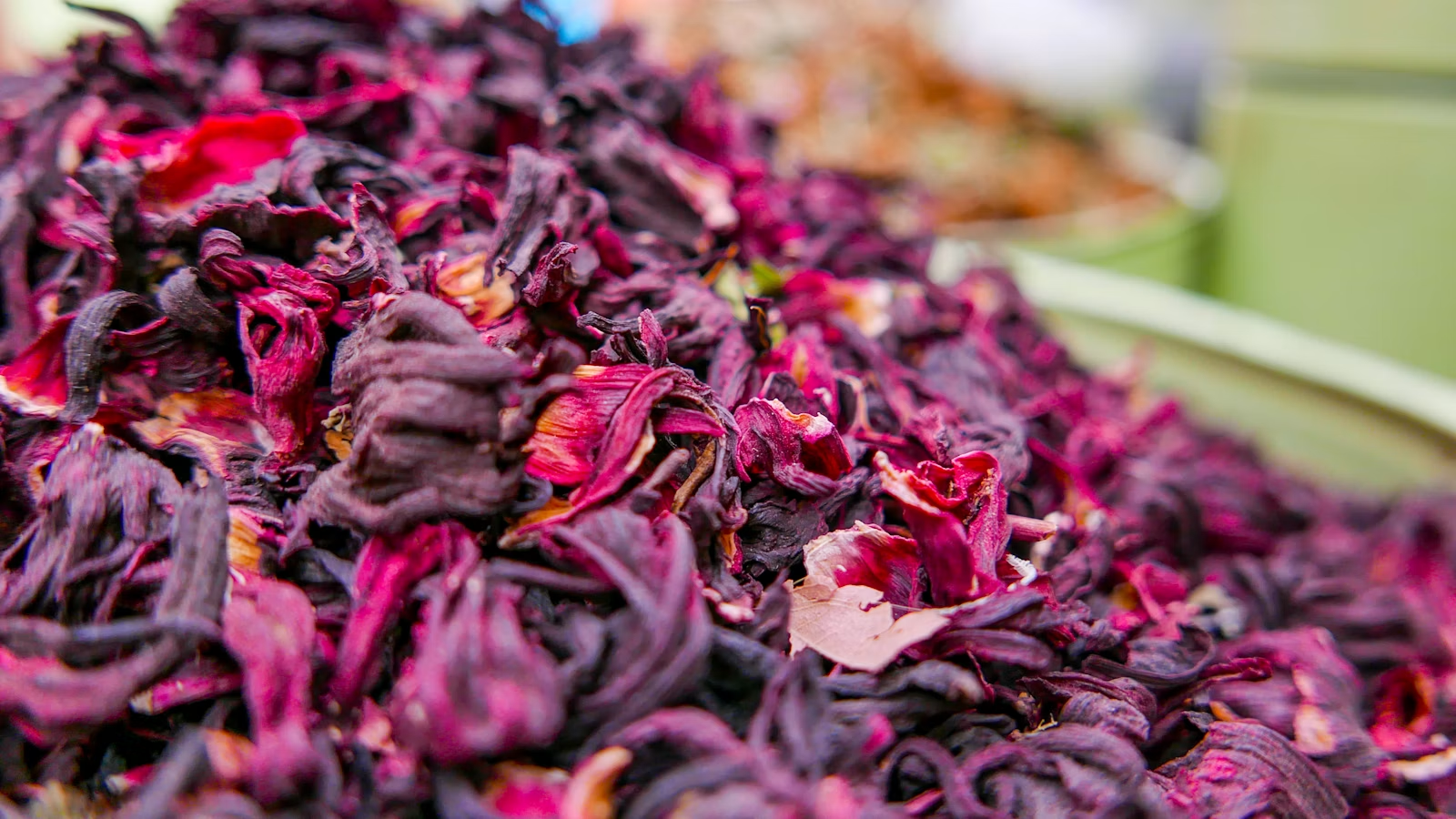
The culinary ingredient is usually the dried calyx of Hibiscus sabdariffa, also called roselle—not the showy petals clipped from any ornamental hibiscus in the garden. A calyx is the fleshy red structure that surrounds and supports the flower. Once dried, it looks crinkled and burgundy, and it releases color quickly in water.
Buy hibiscus labeled food-grade from a tea shop, spice market, or trusted grocer. The pieces should smell tart and fruity, with no mustiness, damp clumps, insects, or visible mold. Store them airtight, away from heat, light, and moisture. If your package identifies a different species or is intended only for decoration, do not brew it.
One ruby ingredient, many drinking traditions
Hibiscus travels under many names. In Mexico and parts of Central America, agua de jamaica is a familiar cold agua fresca. Across West Africa, related drinks include bissap and zobo; in Egypt and Sudan, hibiscus is known as karkadé. In Jamaica and elsewhere in the Caribbean, “sorrel” refers to a festive spiced drink made with roselle, not the leafy green herb with the same English name.
These names are not interchangeable recipes. Sweetness, spices, fruit, method, and celebration vary by region, country, and household. Some versions include ginger and cloves; others lean on pineapple peel, citrus, mint, or orange blossom. Caribbean sorrel may include rum, while an everyday hibiscus tea may be completely unsweetened. The shared ingredient does not flatten the traditions around it.
For another tart botanical with a long drinking history, our rose hips guide is a useful comparison. Hibiscus is more immediate in color and usually sharper in acidity.
How to brew and balance hibiscus
A practical starting point is 1/2 cup loosely packed dried hibiscus to 4 cups water. Pour just-boiled water over the calyces and steep for 10 to 15 minutes, then strain. For a gentler drink, cold-steep the same amount in the refrigerator for 8 to 12 hours. Longer is not always better: an over-extracted infusion can become aggressively sour and slightly tannic.
- Too tart: dilute with water before reaching for more sugar.
- Flat: add a pinch of salt or a strip of citrus peel.
- Too sweet: add unsweetened hibiscus concentrate or lime.
- Needs warmth: steep with ginger, cinnamon, allspice, or cloves.
Sweeten while the infusion is warm so sugar or honey dissolves, then chill it thoroughly before judging the final balance. Ice dilutes the drink, and cold temperatures soften perceived sweetness, so taste again after the pitcher is fully chilled. If you are building a mocktail, sparkling water gives lift; for a deeper red cocktail, a spoonful of homemade grenadine adds pomegranate sweetness without replacing the hibiscus.
Serving, storing, and health-claim reality
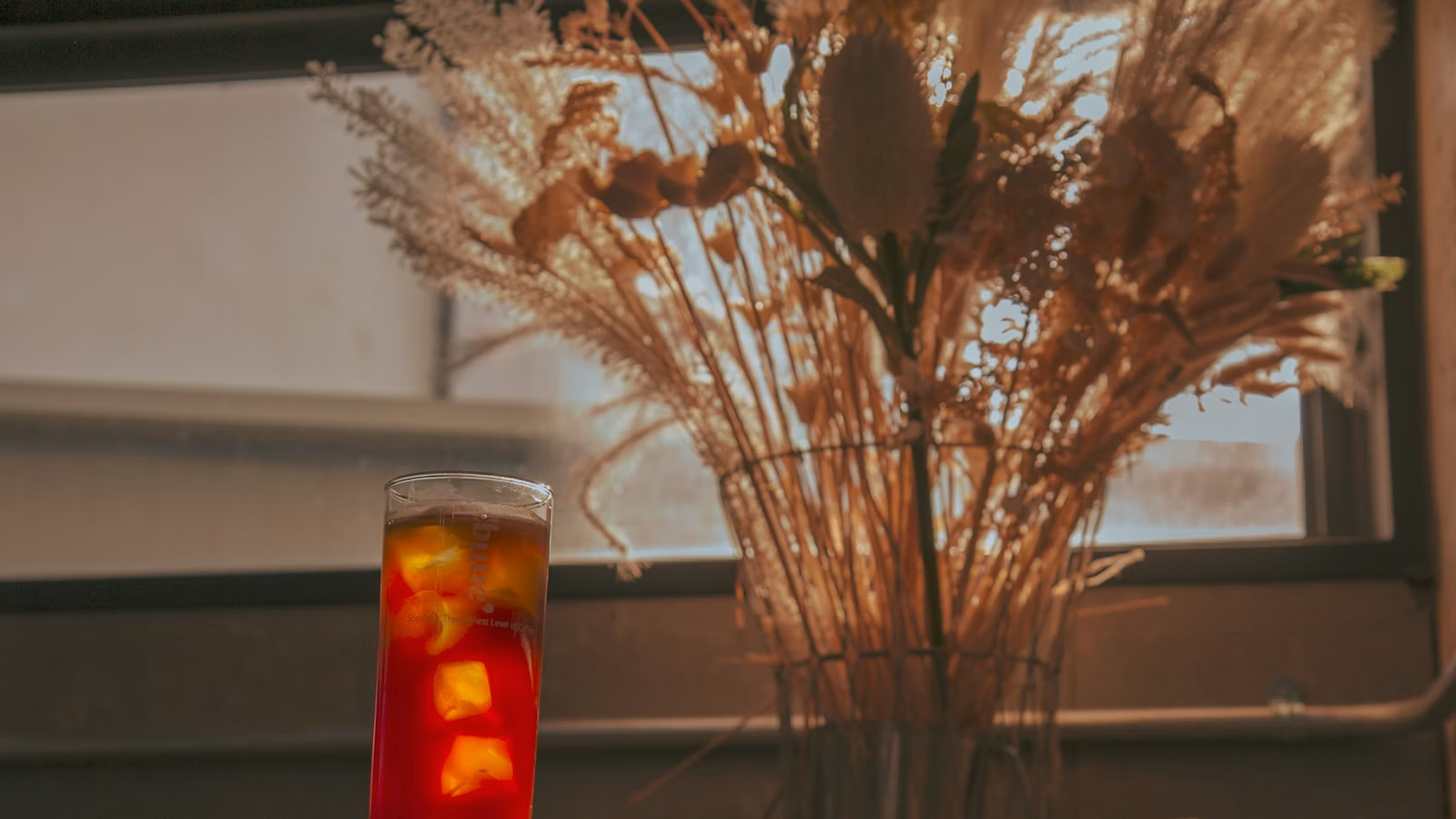
Serve hibiscus over plenty of ice with citrus wheels, mint, or a splash of sparkling water. Keep homemade drinks covered in the refrigerator and use them within three to four days. If fruit, fresh herbs, or sweetener were added, do not leave the pitcher at room temperature for long; refrigerate it promptly and use clean utensils.
Hibiscus is naturally caffeine-free unless it is blended with tea that contains caffeine. Research has examined roselle and blood pressure, but the National Center for Complementary and Integrative Health describes the evidence as limited and the observed effects as small. A pleasant drink is not a substitute for prescribed treatment. If you take blood-pressure or blood-sugar medication, are pregnant, or use hibiscus in concentrated supplement form, discuss it with a qualified clinician.
For a festive option, hibiscus concentrate can replace part of the acidic mixer in a drink, but it remains potent. Start with a small pour, taste, and adjust. That same restraint keeps the color vivid and the flavor refreshing rather than mouth-puckering.
Rick Bayless demonstrates a raspberry-jamaica agua fresca below. His version adds raspberries and sugar to the hibiscus infusion, so it is a fruitier, sweetened variation on the plain brewing approach above.
Sources
- NCCIH: hypertension and complementary approaches
- Bon Appétit: what culinary hibiscus is
- Hibiscus: culinary names and beverage traditions
- FoodSafety.gov: cold food storage guidance

Hi, I’m Laura, the voice behind Tastiva. I’ve always believed that eating well should feel enjoyable, comforting, and realistic—not like another complicated rule to follow. I love creating recipes that fit into everyday life, sharing simple nutrition ideas, and finding small ways to make meals feel a little better without losing the pleasure of good food.