
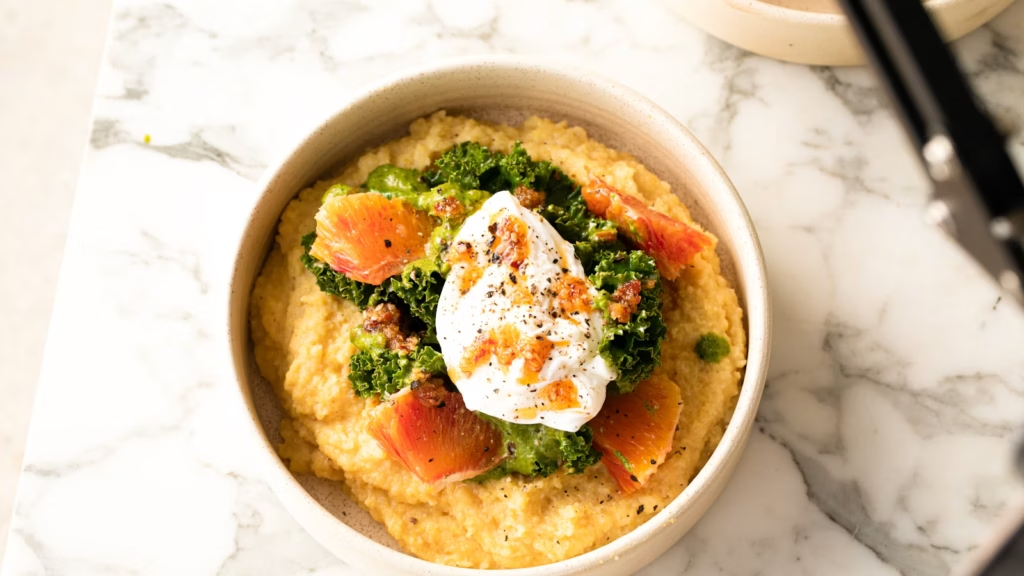
Hominy grits vs. polenta sounds like a tidy either-or question until you stand in front of the cornmeal shelf. Both become warm bowls of corn porridge, both can be creamy or coarse, and the labels are not nearly as consistent as cooks would like.
Choose by flavor, grind, and cooking time—not by the assumption that every bag labeled grits or polenta is fundamentally different.
The short answer: hominy grits vs. polenta
Grits are a Southern U.S. corn porridge, while polenta is an Italian corn porridge. Traditional hominy grits are made from nixtamalized corn—dried corn treated with an alkaline solution—then dried and ground. Polenta is usually made from untreated ground corn, often yellow flint corn. But not every modern bag of grits is made from hominy, and some products sold as polenta are simply a particular grind of cornmeal.
| Feature | Hominy grits | Polenta |
|---|---|---|
| Tradition | Southern United States | Northern Italy |
| Corn | Nixtamalized corn when truly labeled hominy grits | Usually untreated corn, often yellow |
| Typical flavor | Soft corn flavor with a distinct alkaline, toasty note | Clean, sweet-corn flavor |
| Texture | Can range from fine and creamy to coarse | Often medium or coarse, but products vary |
| Best buying clue | Ingredient list and grind | Ingredient list and grind |
What “hominy” changes
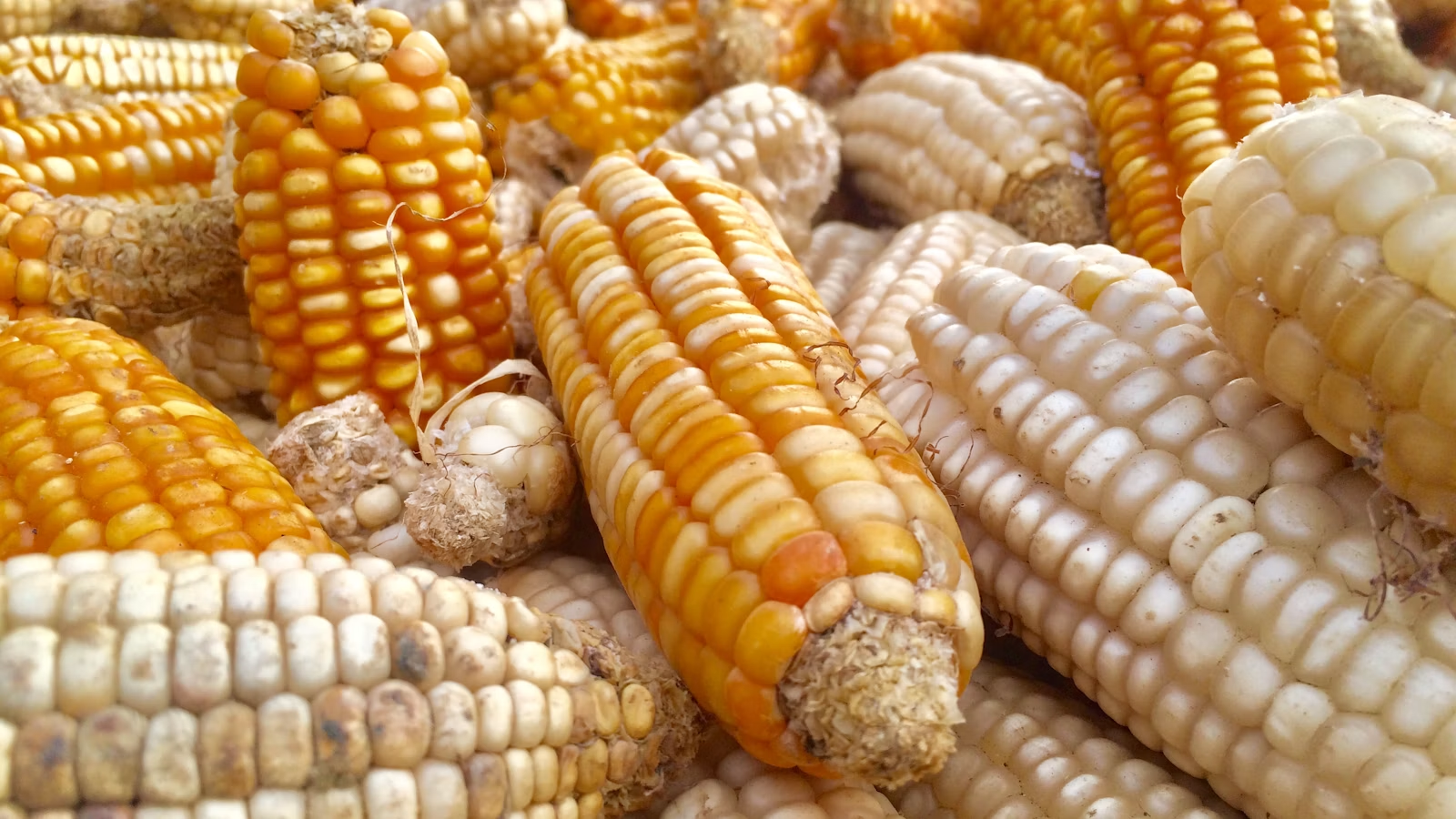
Hominy begins as dried field corn. The kernels are soaked and cooked in an alkaline solution, traditionally lime or lye, then washed. This process, called nixtamalization, loosens the hull, changes the aroma and texture, and makes some nutrients—especially niacin—more available to the body. The University of Illinois Extension gives a clear overview of that transformation.
Whole hominy is what you see in pozole. Grind the prepared, dried kernels and you can make hominy grits. The flavor is subtly earthy and mineral-like, not merely “more corny.” If a package says only grits, check the ingredient list before assuming it is nixtamalized.
How polenta differs
Polenta is both the finished Italian dish and, in U.S. stores, the ground corn sold to make it. It is commonly yellow and often a medium or coarse grind. The finished texture depends on the grain, water ratio, stirring, and cooking time more than the name printed in large type on the bag.
If you want a deeper guide to the dish itself, Tastiva’s polenta guide covers the creamy method and the texture cues that matter. This comparison is about choosing between packages, not retelling the whole pot.
Can you substitute grits for polenta?
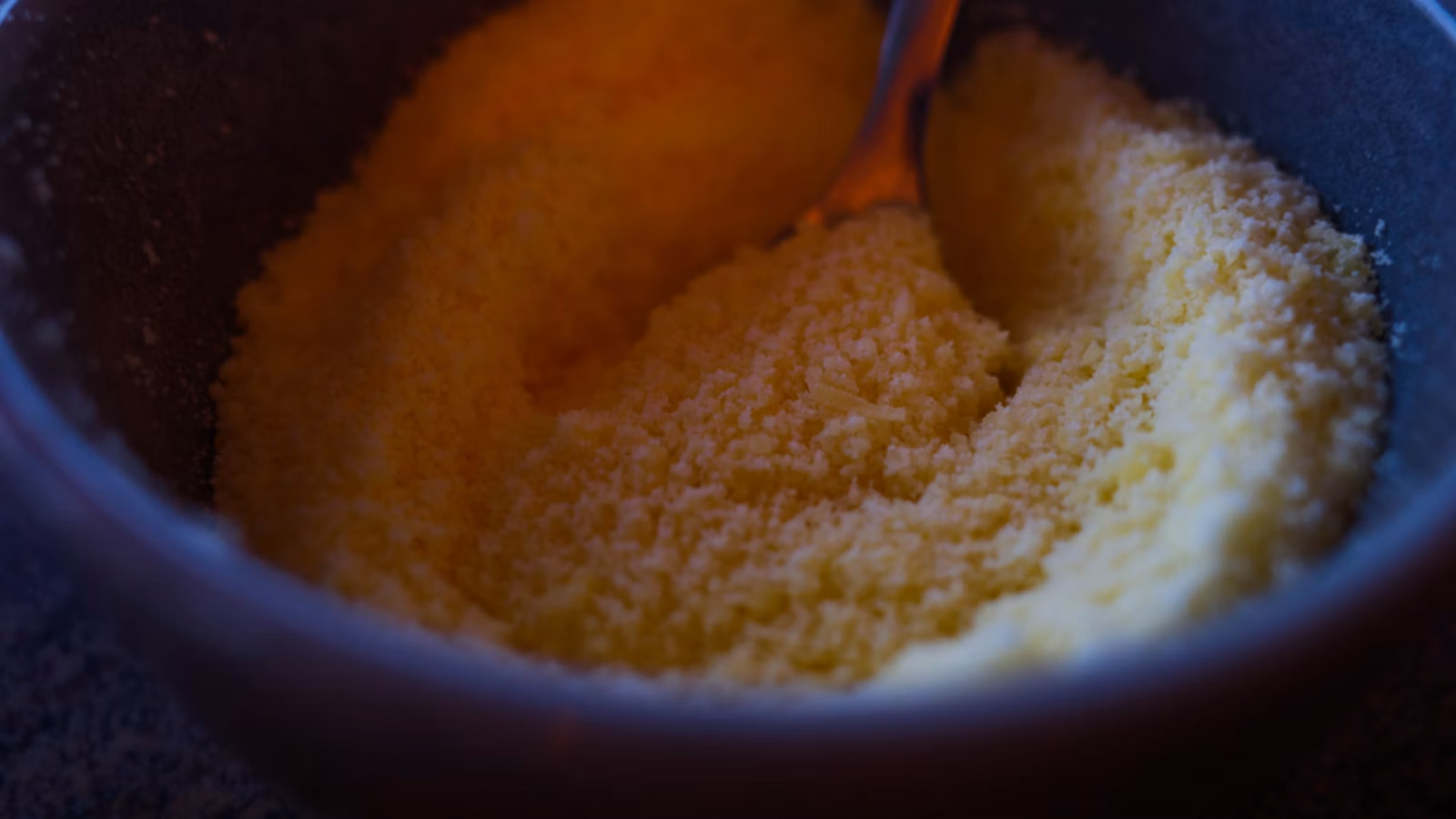
Usually, yes. Substitute by weight when you can, then adjust the liquid and time to the grind in front of you. Coarse grains need longer to hydrate; instant products need far less. Start with the package ratio, whisk the meal into simmering liquid, and add more hot water or stock if the mixture tightens before the grains are tender.
The result will not be identical. Hominy grits bring their own flavor, while polenta may taste sweeter and more plainly of corn. That difference is often welcome. A mushroom ragù does not complain about a Southern accent, and shrimp are equally comfortable over a coarser yellow polenta.
The one swap I would not make blindly is instant for stone-ground. Their timing and absorption can be dramatically different. Treat “instant,” “quick,” “regular,” and “stone-ground” as cooking instructions, not marketing decoration.
Which one is healthier?
Neither name guarantees a nutritional winner. Calories, fiber, sodium, enrichment, and serving size vary by brand and preparation. Butter, cheese, cream, and salty broth can change the finished bowl far more than choosing a bag labeled grits instead of polenta.
Compare the Nutrition Facts panels at the same dry weight. If fiber matters to you, look for less-refined or whole-grain products and verify the number on the label. If sodium matters, buy plain grain and season the pot yourself. For anyone who must avoid gluten, corn is naturally gluten-free, but the package still needs a gluten-free claim or certification that fits your level of medical need because milling and packing can introduce cross-contact.
How to buy the right bag
- For the most traditional hominy flavor: look for “hominy grits” and confirm treated corn in the description or ingredients.
- For Italian-style polenta: choose medium or coarse yellow cornmeal labeled for polenta.
- For a fast breakfast: quick grits are convenient, though the texture is smoother and less distinct.
- For slices you can chill and grill: use a medium or coarse product that sets firmly.
- For an allergy-sensitive kitchen: rely on the package’s allergen and gluten statements, not the grain’s reputation.
Do not confuse either product with fine corn flour, masa harina, or cornstarch. They are all corn products, but they behave very differently in a saucepan. The shelf is a small lesson in why ingredient names need context.
My practical verdict
Use hominy grits when you want their distinctive cured-corn flavor or a Southern dish that calls for them. Use polenta when you want the classic Italian profile or a coarse yellow grain that can go from creamy to sliceable. Substitute when convenience requires it, but respect the grind and let tenderness—not the timer—decide when dinner is ready.
America’s Test Kitchen explains how cornmeal, grits, and polenta differ in the video below. Use it alongside the ingredient-list and grind checks above, especially when a bag specifically says hominy grits.
Sources
- University of Illinois Extension: What Is Hominy?
- USDA National Agricultural Library: Corn and Hominy Resources
- USDA FoodData Central

Hi, I’m Laura, the voice behind Tastiva. I’ve always believed that eating well should feel enjoyable, comforting, and realistic—not like another complicated rule to follow. I love creating recipes that fit into everyday life, sharing simple nutrition ideas, and finding small ways to make meals feel a little better without losing the pleasure of good food.