

A good murgh curry recipe does not need a restaurant-style ocean of cream. This home-style version builds its gravy from deeply browned onions, tomato, yogurt, ginger, garlic, and warm spices. The result is savory, gently tangy, and sturdy enough to cling to rice without turning dinner into soup.
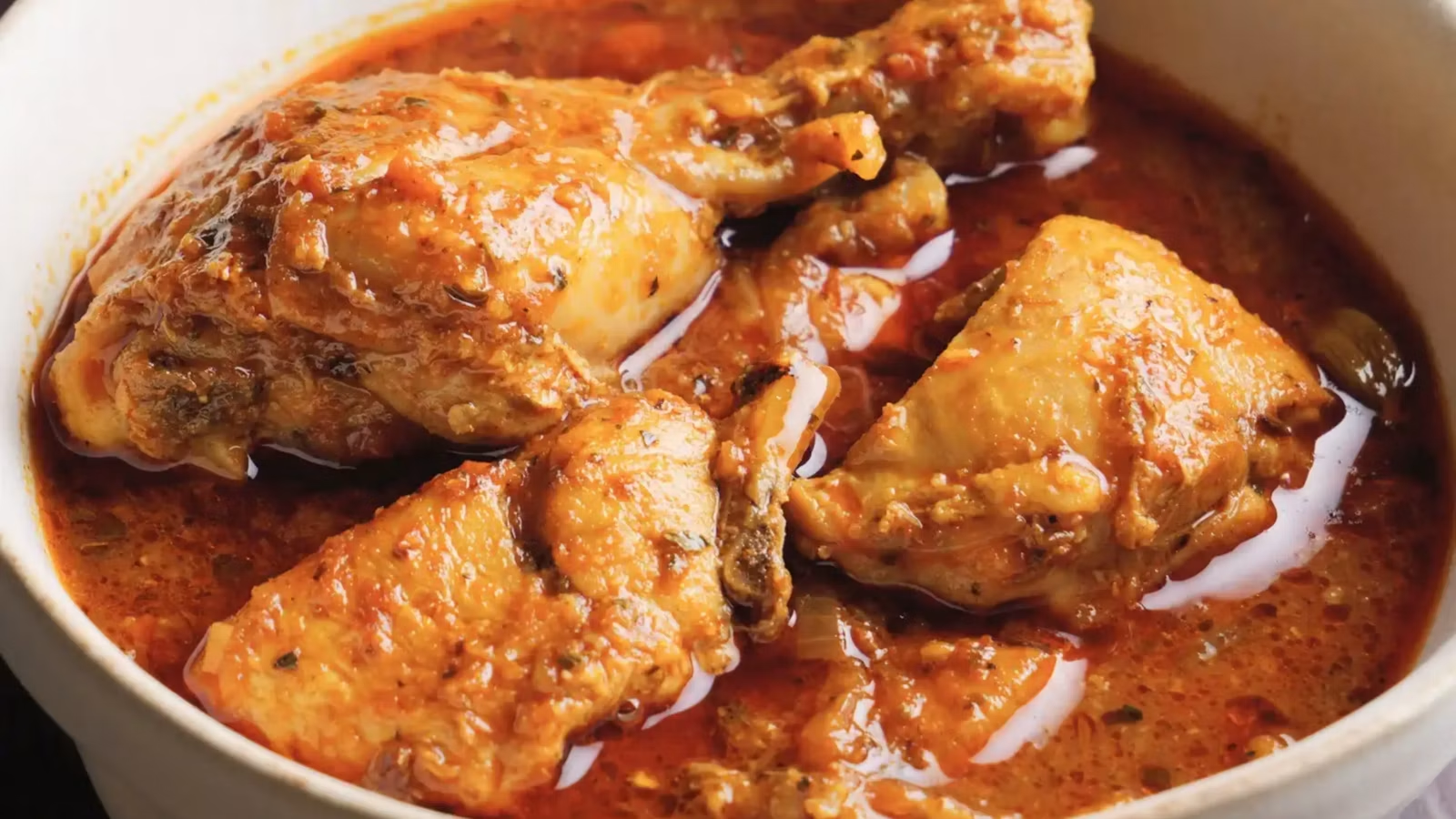
The quiet secret of chicken curry is not a mystery spice. It is giving the onions enough time to become genuinely golden.
What murgh curry means and how this version tastes
“Murgh” means chicken, while curry recipes vary enormously across Indian regions and households. This is a North Indian–leaning home-style curry rather than butter chicken, tikka masala, or a coconut-rich southern curry. Its body comes from onions and tomatoes; yogurt tenderizes the chicken and adds acidity without making the sauce heavy.
The spice profile is warm rather than aggressively hot. Cumin, ground coriander, turmeric, and a little cayenne cook in the onion base, while garam masala goes in near the end to preserve its aroma. You can increase the cayenne, but do not confuse heat with depth. Browned onions and cooked-down tomato do more of the flavor work.
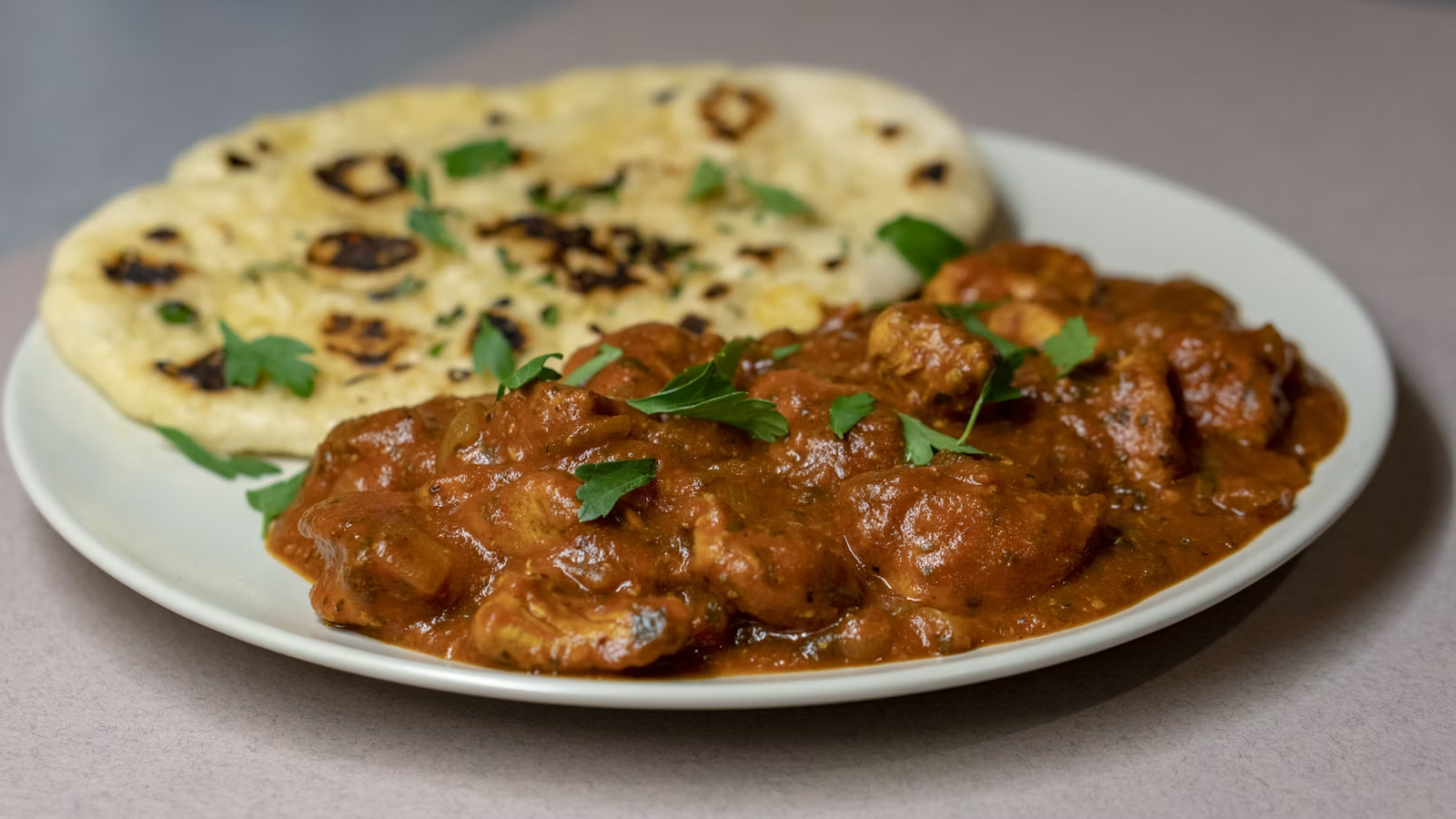
Build the onion-tomato gravy patiently
Finely chopped onions melt into the sauce more evenly than thick slices. Cook them over medium heat with salt, stirring often, until they are deep gold rather than merely soft. This usually takes 10 to 12 minutes. If they catch on the pan, add a spoonful of water and scrape up the browned layer; reducing the heat is more useful than adding a flood of oil.
After the ginger and garlic turn fragrant, add the ground spices with a splash of water. That moisture helps them bloom without scorching. Tomato follows and must cook until it loses its raw sharpness, thickens, and begins to show a little oil at the edges. Only then does the chicken join the pot.
Yogurt can split when it meets a fiercely hot pan, which is one reason this recipe coats the chicken rather than pouring a cold cup directly into the gravy. Use whole-milk plain yogurt and keep the heat moderate after the chicken is added. A slightly rustic sauce is normal; it should look cohesive and glossy, not perfectly smooth like a cream soup.
Choose and prepare the chicken
Chicken thighs are forgiving, but pieces still should be similar in size. Large chunks and tiny scraps in the same pot produce two different dinners. Cut the meat before measuring the remaining ingredients, then wash the knife, board, and your hands before handling herbs or serving dishes. If you prefer bone-in chicken, allow more simmering time and check the thickest pieces carefully without touching bone with the thermometer. Bone-in pieces also release more gelatin, so you may need a little extra water early and a few uncovered minutes at the end to restore the sauce’s spoon-coating texture. That little patience pays off.

Murgh curry recipe
The recipe card makes four servings and uses boneless chicken thighs because they remain juicy during the simmer. Chicken breast works, but it needs earlier temperature checks. Keep the gravy at a gentle bubble; an energetic boil can make yogurt split and chicken tighten.
Murgh Curry Recipe

Ingredients
- 1 1/2 pounds boneless skinless chicken thighs cut into 1 1/2-inch pieces
- 1 teaspoon kosher salt divided
- 1/3 cup plain whole-milk yogurt
- 3 tablespoons neutral oil or ghee
- 1 teaspoon cumin seeds
- 2 medium yellow onions finely chopped
- 1 tablespoon fresh ginger finely grated
- 4 cloves garlic minced
- 1 1/2 teaspoons ground coriander
- 1 teaspoon ground cumin
- 1/2 teaspoon ground turmeric
- 1/4 teaspoon cayenne pepper or to taste
- 1 cup crushed tomatoes
- 3/4 cup water plus more as needed
- 1 teaspoon garam masala
- 2 tablespoons chopped cilantro
Equipment
- 1 large heavy-bottomed pot or Dutch oven
- 1 Instant-read thermometer
- 1 wooden spoon
Instructions
- Toss the chicken with the yogurt and 1/2 teaspoon salt. Let it stand while you prepare the onions, up to 20 minutes at room temperature.
- Heat the oil or ghee in a heavy pot over medium heat. Add cumin seeds and cook until fragrant, about 30 seconds. Add onions and the remaining salt. Cook 10 to 12 minutes, stirring often, until deep golden.
- Add ginger and garlic; cook 1 minute. Stir in ground coriander, cumin, turmeric, and cayenne with 2 tablespoons water. Cook 30 seconds, stirring so the spices do not scorch.
- Add crushed tomatoes and cook 5 to 7 minutes, until the mixture thickens and the oil begins to show at the edges.
- Add the chicken and marinade. Stir for 3 minutes, then add 3/4 cup water. Bring to a simmer, cover partially, and cook 18 to 22 minutes, stirring occasionally, until the chicken reaches 165°F (74°C). Add water if the gravy becomes too thick.
- Stir in garam masala and half the cilantro. Taste for salt. Rest 5 minutes, then garnish with the remaining cilantro and serve with rice or flatbread.
Nutrition
Video
Notes
Tried this recipe?
Let us know how it turned out!Doneness, serving, and make-ahead tips
Check the largest chicken piece with an instant-read thermometer. USDA guidance says all poultry should reach 165°F (74°C). Do not rely only on the color of the sauce or the chicken; turmeric and tomato make visual guessing especially unreliable.
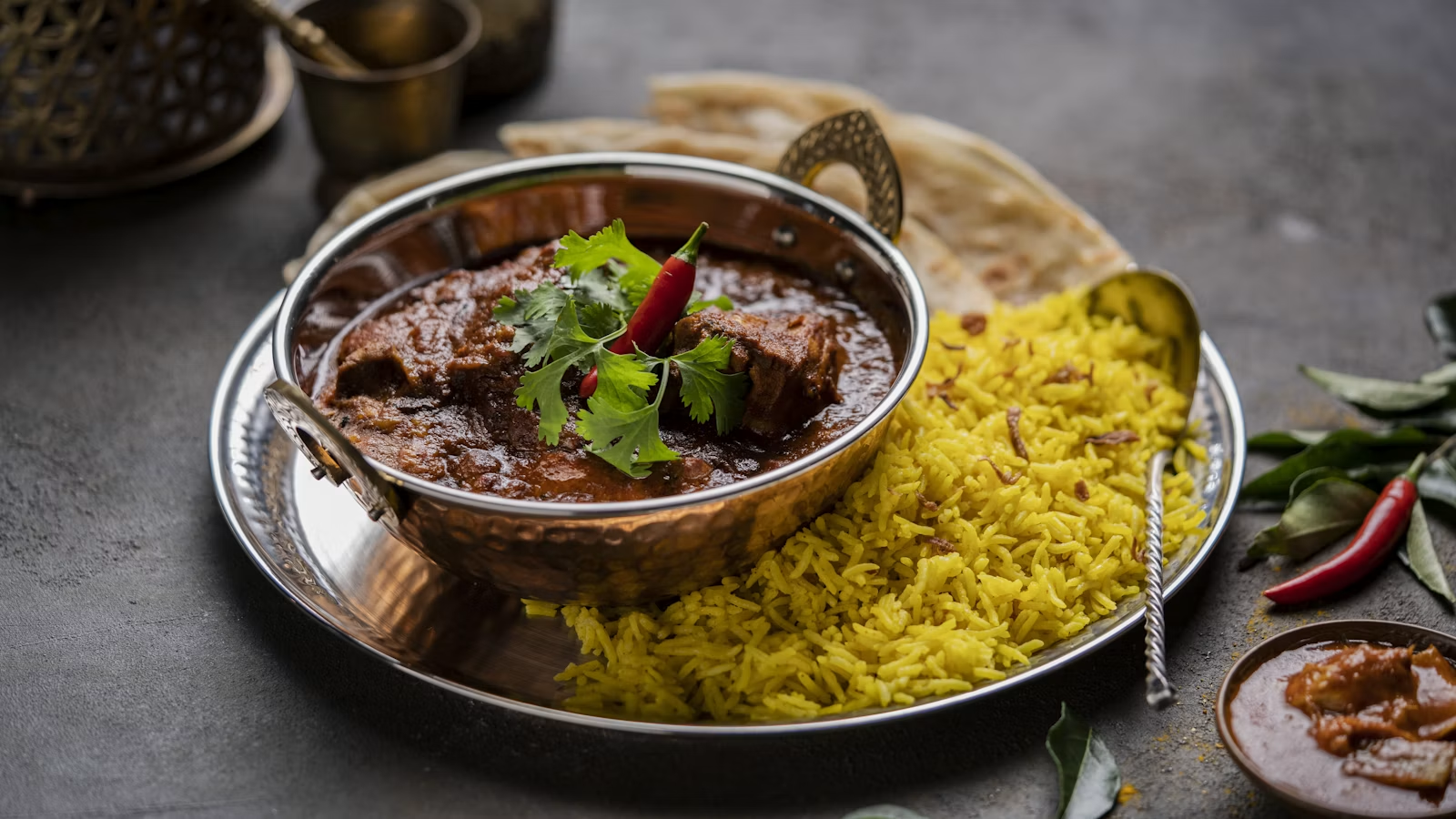
Serve murgh curry with basmati rice, roti, naan, or a simple cucumber salad. The sauce thickens as it stands, so add a splash of hot water before serving if needed. A squeeze of lemon is welcome when the tomatoes taste sweet, while extra cilantro keeps the finish bright. Toasted cumin rice makes an especially fragrant companion.
This curry is often even better the next day because the spices settle into the gravy. Cool leftovers promptly, refrigerate in a shallow airtight container, and use within three to four days. Reheat gently until steaming, adding water a tablespoon at a time. The curry can also be frozen for up to two months; thaw overnight in the refrigerator before reheating.
Sources
- Simple Indian Meals: Traditional Indian Chicken Curry
- Silk Road Recipes: Indian Chicken Curry (Murgh Kari)
- USDA FSIS: Chicken From Farm to Table
Hi, I’m Laura, the voice behind Tastiva. I’ve always believed that eating well should feel enjoyable, comforting, and realistic—not like another complicated rule to follow. I love creating recipes that fit into everyday life, sharing simple nutrition ideas, and finding small ways to make meals feel a little better without losing the pleasure of good food.