
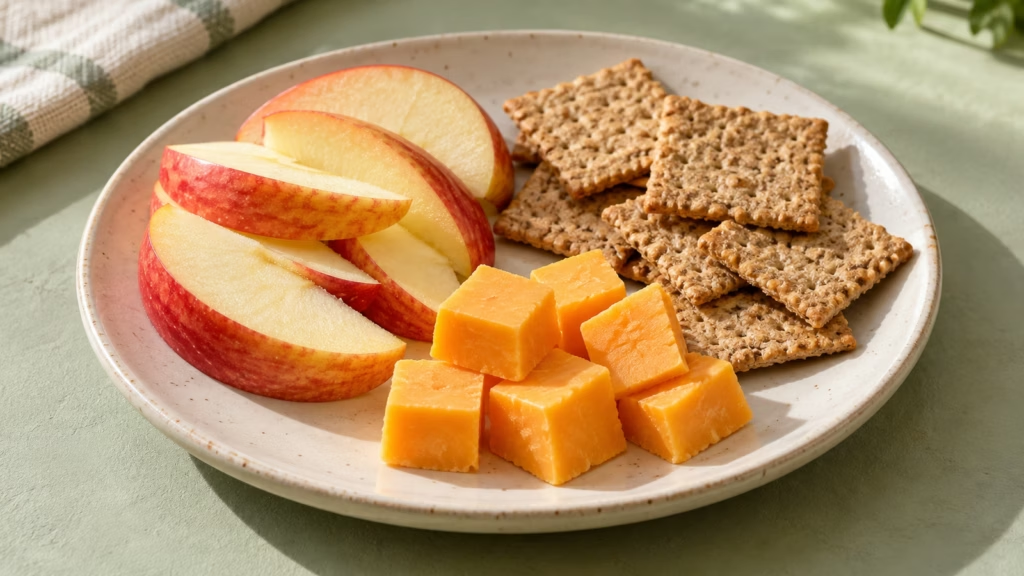
The snack cupboard may look less helpful when the usual trail mix and nut-butter crackers are off the list. Nut free snacks can start with fruit, cheese, yogurt, vegetables, eggs, or verified crackers and pretzels. The important qualification is the word verified: an ingredient idea cannot guarantee that a particular product or prepared snack is suitable for a person with an allergy.
Keep a short list of snacks you enjoy and can verify, then protect those choices from shopping bag to serving plate.
What nut free snacks need to exclude
Start by clarifying the restriction: peanuts, particular tree nuts, or both, plus any other allergens. Peanuts and tree nuts are separate major-allergen groups in U.S. labeling. Follow the individual’s allergy plan rather than deciding that a food is suitable because its name contains “seed” or because it looks different from a familiar nut.
- For your own snack: use the ingredient and cross-contact guidance agreed with your allergy clinician.
- For someone else: ask for acceptable products and preparation requirements before buying or making food. Keep the packaging so they can check it.
- For a school, club, or workplace: read its actual food policy. A homemade snack, seed butter, or a particular packaged product may be restricted even if it fits your household’s needs.
I’d rather serve a simple option the person has approved than surprise them with a complicated substitute. These ideas are for choosing and assembling snacks, not a certified product list; milk, egg, wheat, soy, sesame, and other allergies still need their own checks.
Five snack ideas when you can keep food cold
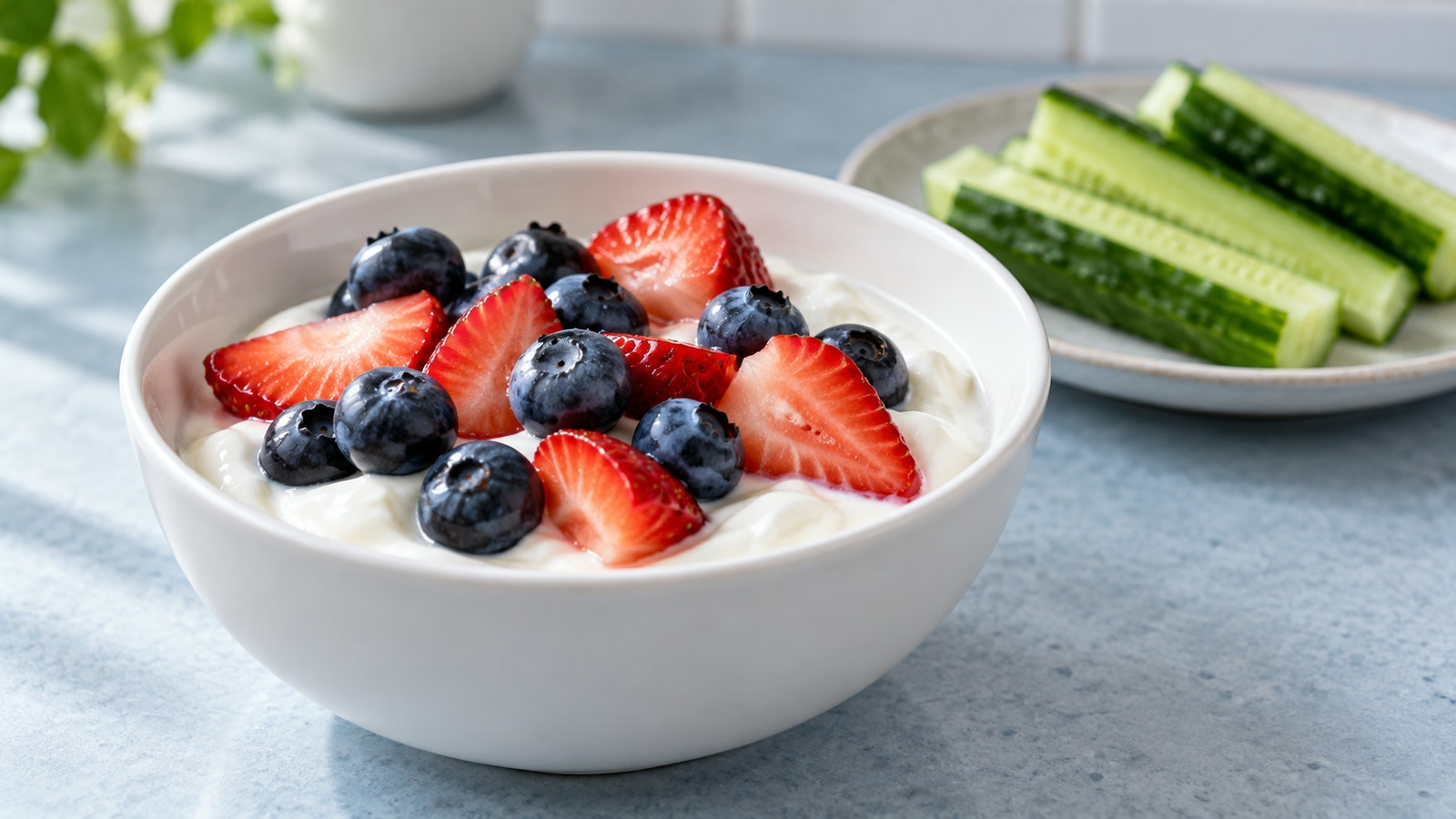
The refrigerator offers plenty of choices without making nuts the default source of substance. Use ingredients and packages appropriate for the eater, prepare them with clean tools, and choose an amount that fits appetite and meal timing.
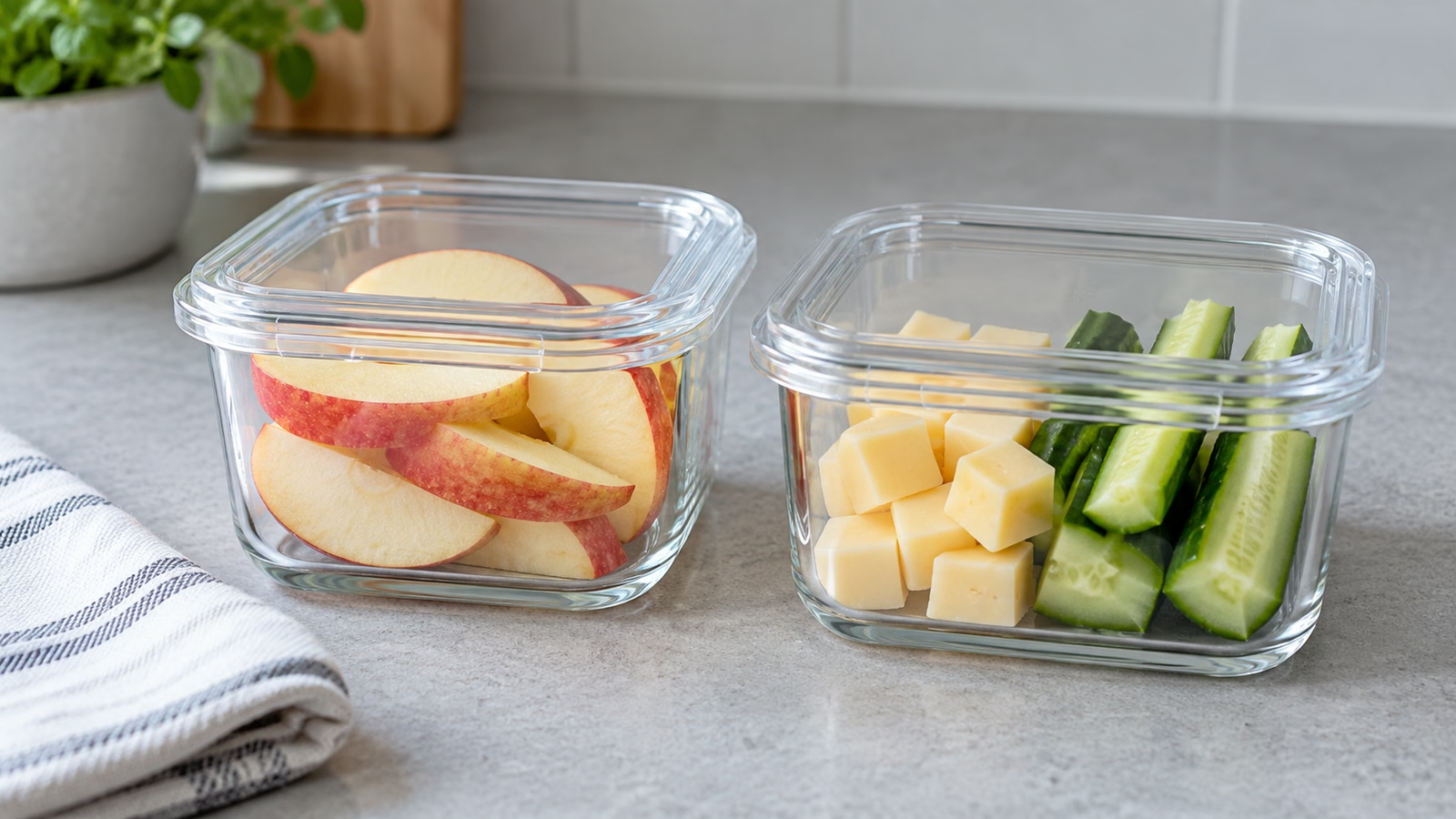
- 1. Apple slices and cheese. Pair crisp apple with a cheese the eater can have. Keep the pieces separate if you are packing ahead, and remember that cheese contains milk.
- 2. Plain yogurt and berries. Start with verified yogurt and washed fruit, leaving granola and mixed toppings out unless separately checked. Our plain yogurt guide explains the difference between thickness, fat level, and flavoring.
- 3. Cucumber with a yogurt-herb dip. Use suitable plain yogurt and checked seasonings. Pack the dip in its own small container so the vegetables stay crisp; this remains a milk-containing snack.
- 4. A hard-boiled egg with crackers. Pair a safely prepared, refrigerated egg with verified crackers. Both the egg allergy question and the cracker’s wheat or other ingredients remain relevant.
- 5. Cottage cheese and sliced pear. Choose a plain product you have checked and add fruit at serving time. The creamy-and-crisp contrast makes a useful alternative to a snack bar.
Keep dairy foods and cooked eggs cold during transport with an insulated bag and cold packs. Follow FoodSafety.gov’s chilling guidance: refrigerate perishable foods within two hours, or one hour above 90°F (32°C), and keep the refrigerator at 40°F (4°C) or below.
Five ideas for a bag or pantry
For portability, I’d choose foods with packaging you can keep until snack time. An individually wrapped item is convenient, but the wrapper still needs reading. Avoid assuming that a familiar brand makes every flavor, size, or product on the same terms.
- 6. A whole apple or banana. A simple fruit option needs little assembly. Wash the apple before eating and handle it on a clean surface.
- 7. Verified pretzels. Choose a product whose ingredients and manufacturing information fit the allergy plan. Pretzels commonly contain wheat; nut-free does not mean gluten-free.
- 8. Verified crackers with a shelf-stable fruit cup. Keep the fruit cup sealed until eating and follow its storage directions. Tastiva’s cracker label guide covers grain and portion questions after the allergy check.
- 9. A verified seed-butter packet with fruit. This is an option only if the eater tolerates that seed and the specific product and venue permit it. Seed-based does not establish peanut- or tree-nut-free manufacturing.
- 10. Verified roasted chickpeas. A packaged option can provide a savory crunch. Check its coating, seasonings, other allergens, and cross-contact information rather than treating chickpeas as a guarantee about the finished snack.
For a more substantial break, combine two suitable choices instead of expecting one cracker or one piece of fruit to do every job. This is a flexible serving idea, not a rule about calories or a promise of how long any snack will keep you full.
Read, prepare, and pack with the same care
FARE’s label guidance recommends reading packages every time because ingredients and manufacturing can change. Precautionary statements such as “may contain” are voluntary in the United States; their absence does not prove a product is free from cross-contact. Contact the manufacturer when information is unclear.
- Check the full label. Read ingredients and allergen declarations, including the named tree nut when present. A “peanut-free” statement does not answer a tree-nut question.
- Use clean hands and equipment. Follow FARE’s cleaning guidance; a quick wipe or hand sanitizer is not a substitute for appropriate cleaning of food proteins.
- Keep spreads and utensils separate. A knife used for peanut butter can transfer protein into jam or another spread. Don’t pick nuts out of a mix or rely on cooking to make an allergen-containing food suitable.
- Protect the packed snack. Cover containers, keep labels available, and prevent shared serving utensils from moving between foods. When preparing for a guest, let them confirm the final choice before serving.
The goal is an enjoyable snack routine with clear information, not a new set of guesses. FARE’s cross-contact resource explains why tiny transfers matter. Its following introductory video offers broader support for managing food allergies alongside an individual care plan.
Sources
- FDA: Food Allergies, What You Need to Know
- FARE: How to Read a Food Label
- FARE: Avoiding Cross-Contact
- FARE: Cleaning Methods
- FoodSafety.gov: Four Steps to Food Safety

Hi, I’m Laura, the voice behind Tastiva. I’ve always believed that eating well should feel enjoyable, comforting, and realistic—not like another complicated rule to follow. I love creating recipes that fit into everyday life, sharing simple nutrition ideas, and finding small ways to make meals feel a little better without losing the pleasure of good food.