
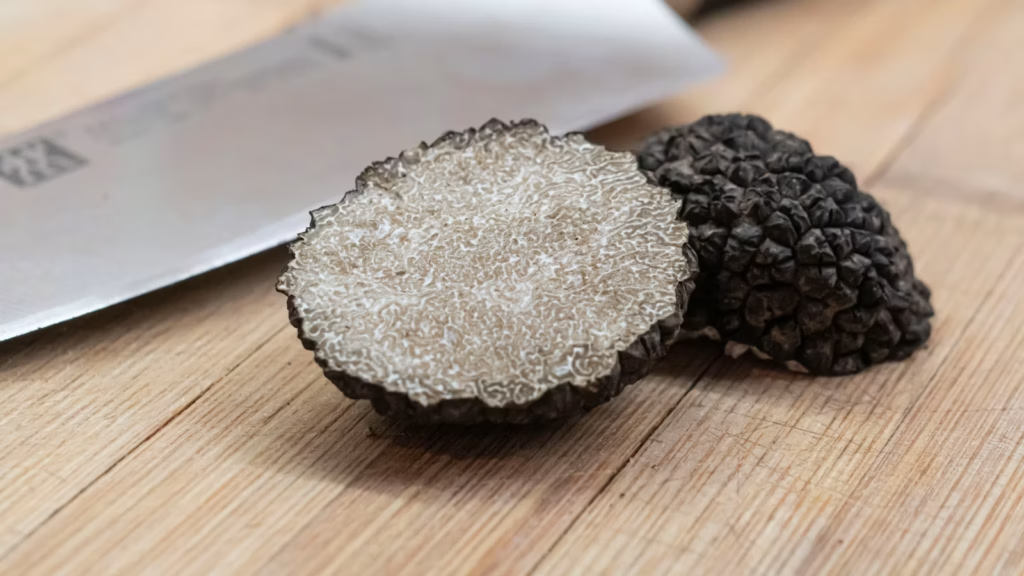
A fresh truffle can make a plain bowl of pasta smell unexpectedly grand before the fork reaches your mouth. Here, truffle means the underground fungus, not the chocolate candy. It is prized less for bulk than for aroma: a few thin shavings can bring earthy, musky, garlicky notes to eggs, potatoes, risotto, or butter.
With truffle, restraint is not stinginess; it is how you leave room for the aroma to reach the table.
What a truffle is—and why aroma matters
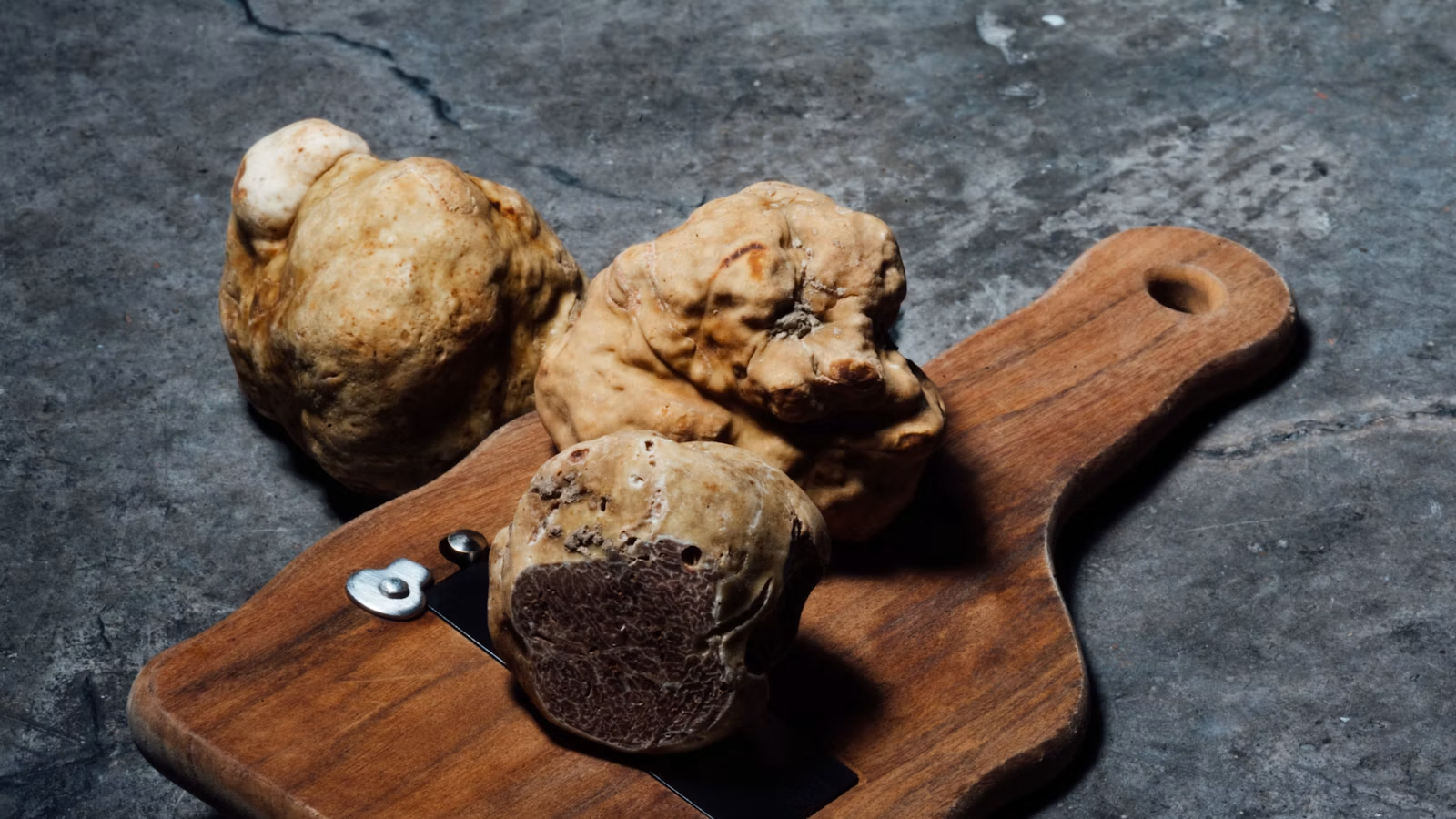
Culinary truffles are fruiting bodies of fungi that develop below ground in association with the roots of trees such as oak and hazel. They are not simply mushrooms with better public relations. Their underground growth, particular host relationships, limited seasons, and difficult harvest all help explain the price.
The useful kitchen fact is simpler: much of a truffle’s appeal comes from volatile aroma compounds. Heat releases those aromas, but prolonged high heat can drive them away. That is why fresh truffle is commonly shaved over a finished warm dish instead of simmered for an hour. If you want a meaty mushroom texture rather than a fragrant finishing ingredient, Tastiva’s oyster mushroom guide points you toward a more practical panful.
Black, white, and summer truffle are not interchangeable
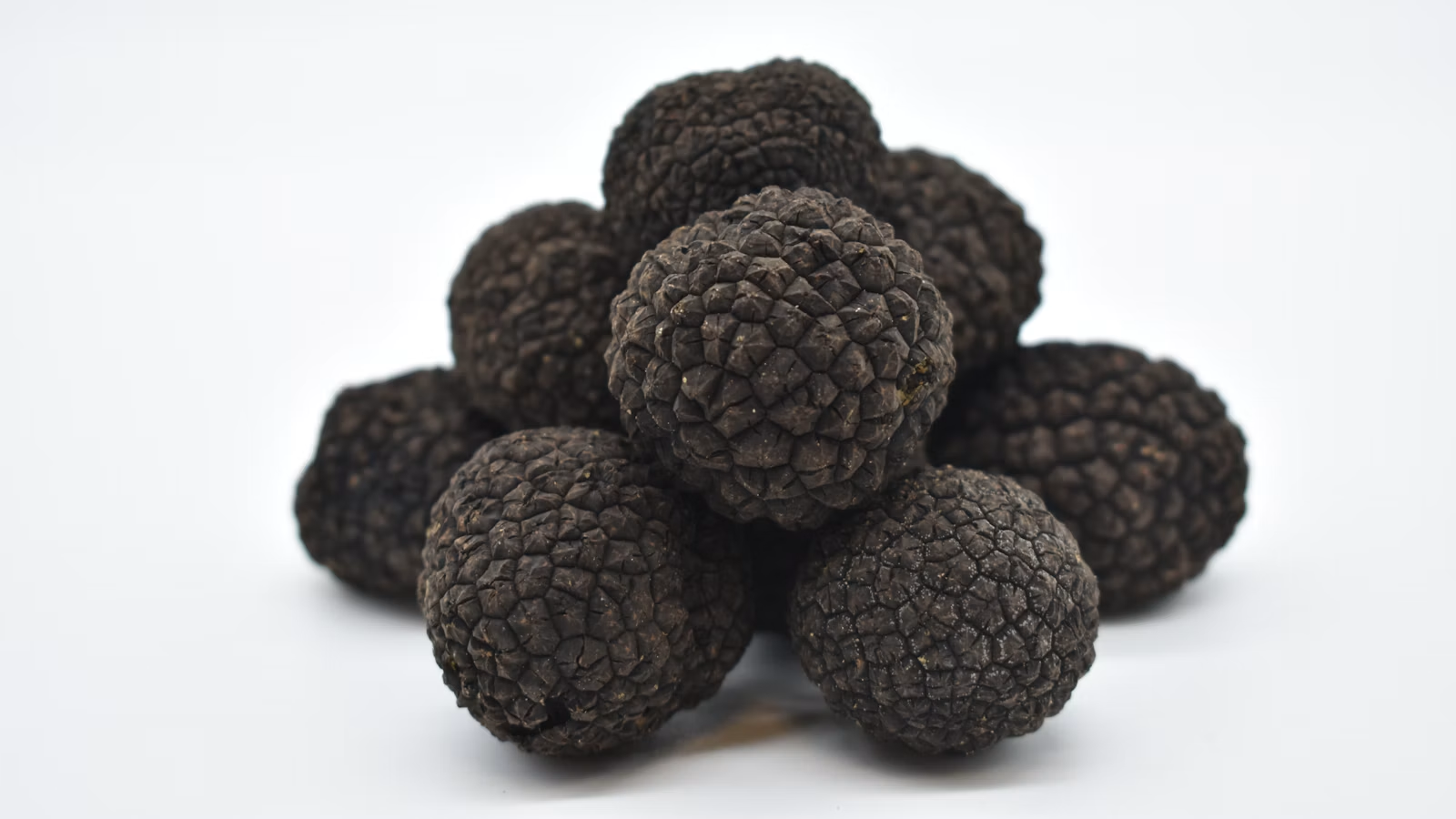
“Truffle” covers multiple species and seasons, so the name on the invoice matters. White truffle, especially Tuber magnatum, is intensely aromatic and generally used raw in very thin shavings. Black Périgord truffle, Tuber melanosporum, has a deeper, earthier character and can handle gentle warming. Summer truffle, Tuber aestivum, is milder, usually less expensive, and easier to overwhelm.
- White truffle: Save it for a simple hot dish and shave it at the table or just before serving.
- Black winter truffle: Use it with eggs, potatoes, poultry, pasta, or a restrained cream sauce; gentle heat can help carry its aroma.
- Summer truffle: Pair it with mild foods and use a little more than you would of a powerfully scented white truffle.
I would choose the species and freshness before chasing the largest piece. A small, fragrant truffle is more useful than an impressive-looking one that smells like a polite potato. The 2026 review of truffle aroma and nutrition also notes that species, origin, harvest timing, and post-harvest handling can all affect quality.
How to buy real truffle products without paying for a label
Buy fresh truffle from a specialist who identifies the species, origin, harvest date or season, and storage guidance. The surface should feel firm rather than slimy, and the aroma should be clear without smelling sour or ammonia-like. Natural cracks are not automatically a flaw, but wet soft spots are a reason to walk away.
- Fresh or preserved truffle: Look for a named species, not only “black truffle” or “truffle flavor.”
- Truffle oil: Read the ingredient list. Many bottles are flavored rather than infused with enough fresh truffle to define the taste.
- Truffle salt, sauce, or cheese: Check how far truffle appears down the list and whether flavorings do most of the work.
- Price: Compare by weight and species. A bargain is not a bargain if the product needs half the jar to be noticed.
Nutrition is not the sensible reason to spend on fresh truffle. Culinary portions are tiny; one recent review describes roughly 3 to 7 grams per dish and notes that evidence about nutrition is sparse. Treat it as a flavor investment, then build the meal with ingredients that do the nutritional work.
Store, clean, and use truffle without wasting it
Fresh truffle is perishable and its aroma fades, so plan the dish before the delivery arrives. Refrigerate it promptly at 40°F (4°C) or below, following the seller’s instructions. Keep it in a clean, lidded container with absorbent paper and replace the paper if it becomes damp. Use it as soon as practical rather than saving it for an occasion that keeps moving down the calendar.
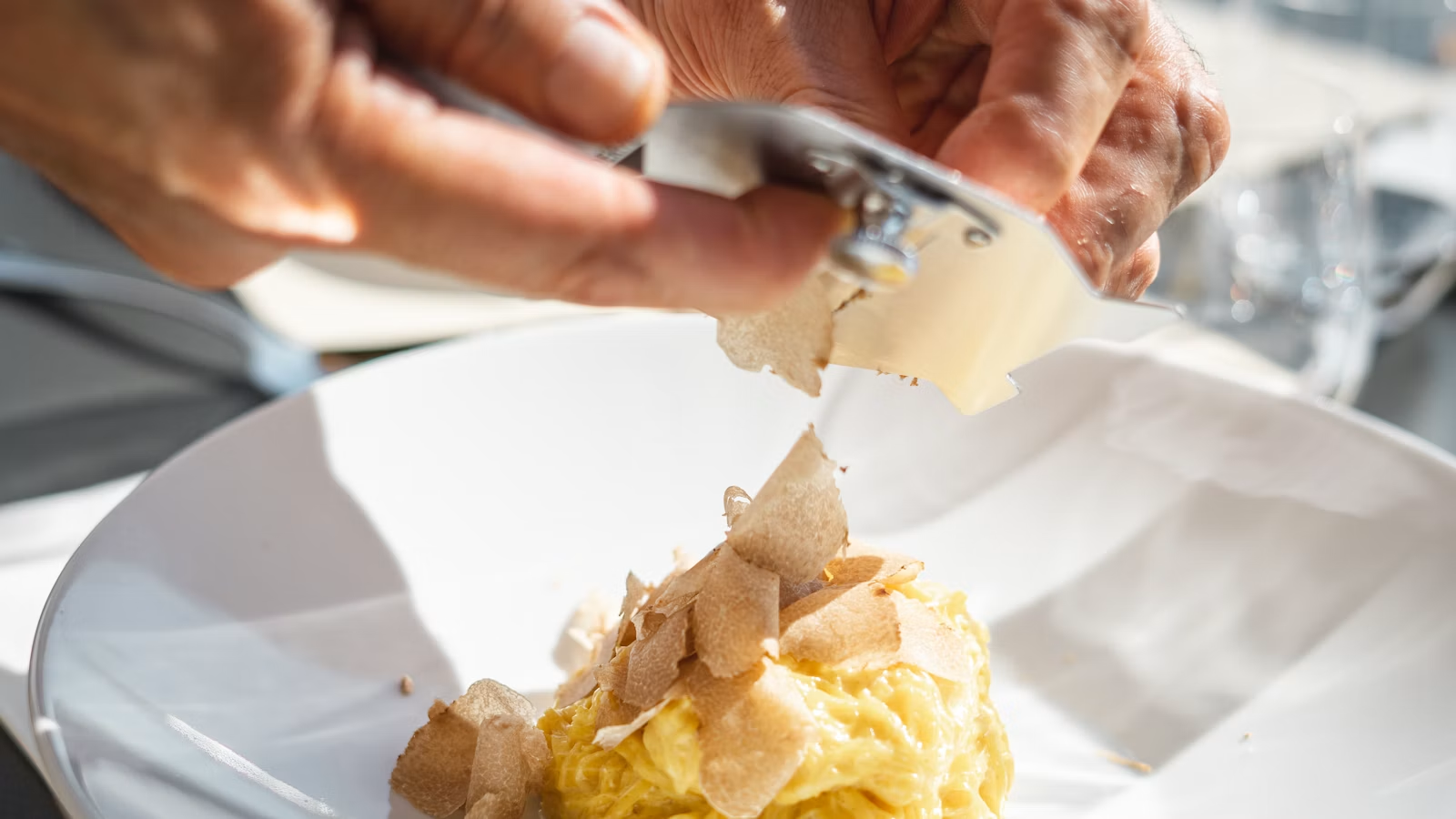
Clean just before use. Brush away soil with a soft brush; if a quick rinse is needed, keep it brief and dry the truffle thoroughly. Slice or shave it very thinly so more surface meets warm food. A dedicated truffle shaver is convenient, but a careful mandoline or very sharp knife can work. Fingers remain a poor garnish, so slow down.
- Shave white truffle over buttered pasta, soft eggs, mashed potatoes, or risotto immediately before serving.
- Gently warm black truffle in a sauce or under the skin of poultry, but avoid hard frying or a long boil.
- Fold tiny trimmings into softened butter and refrigerate it promptly; use the butter on vegetables, eggs, or bread.
- Keep garlic modest. Tastiva’s garlic guide is useful when a recipe needs warmth without burying the truffle.
The best base is usually simple, warm, and rich enough to hold aroma: egg, dairy, potato, rice, or pasta. I would rather serve one focused bowl than scatter truffle across a crowded menu. Luxury ingredients are allowed to whisper; dinner does not need a fog machine.
Chef Alan Bergo of Forager Chef demonstrates simple pasta variations that let fresh truffles lead. His cream-based and egg-based sauces are serving ideas, while the buying and refrigerated-storage guidance above applies to the fresh truffle itself.
Sources
- FAO: Truffles and Other Edible Mycorrhizal Mushrooms
- USDA Forest Service: Diversity, Ecology, and Conservation of Truffle Fungi
- European Food Research and Technology: Review of Truffle Aroma and Nutrition Evidence
- USDA FSIS: Farmers Market Food Safety

Hi, I’m Laura, the voice behind Tastiva. I’ve always believed that eating well should feel enjoyable, comforting, and realistic—not like another complicated rule to follow. I love creating recipes that fit into everyday life, sharing simple nutrition ideas, and finding small ways to make meals feel a little better without losing the pleasure of good food.