
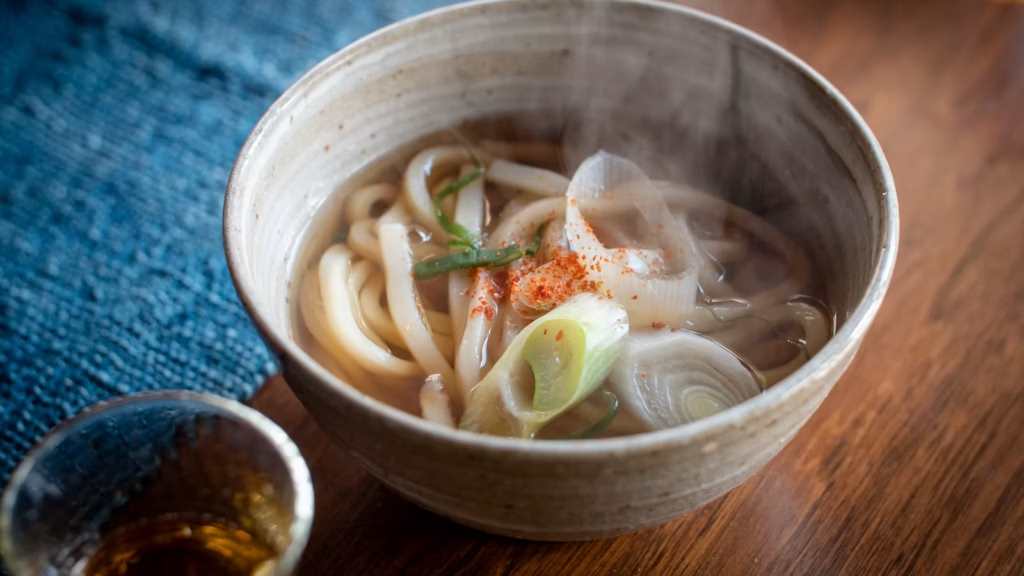
Udon noodles are wonderfully direct food: wheat flour, water, salt, and a texture that does most of the talking. They are thick, pale, and springy, with enough chew to hold their own in hot broth, a cold dipping sauce, or a fast stir-fry. The flavor is gentle, which is exactly why a plain bowl can feel calming while a saucy version can carry half the vegetable drawer.
The pleasure of udon noodles is not complicated: a smooth surface, a resilient bite, and a broth or sauce worth slurping.
What are udon noodles?
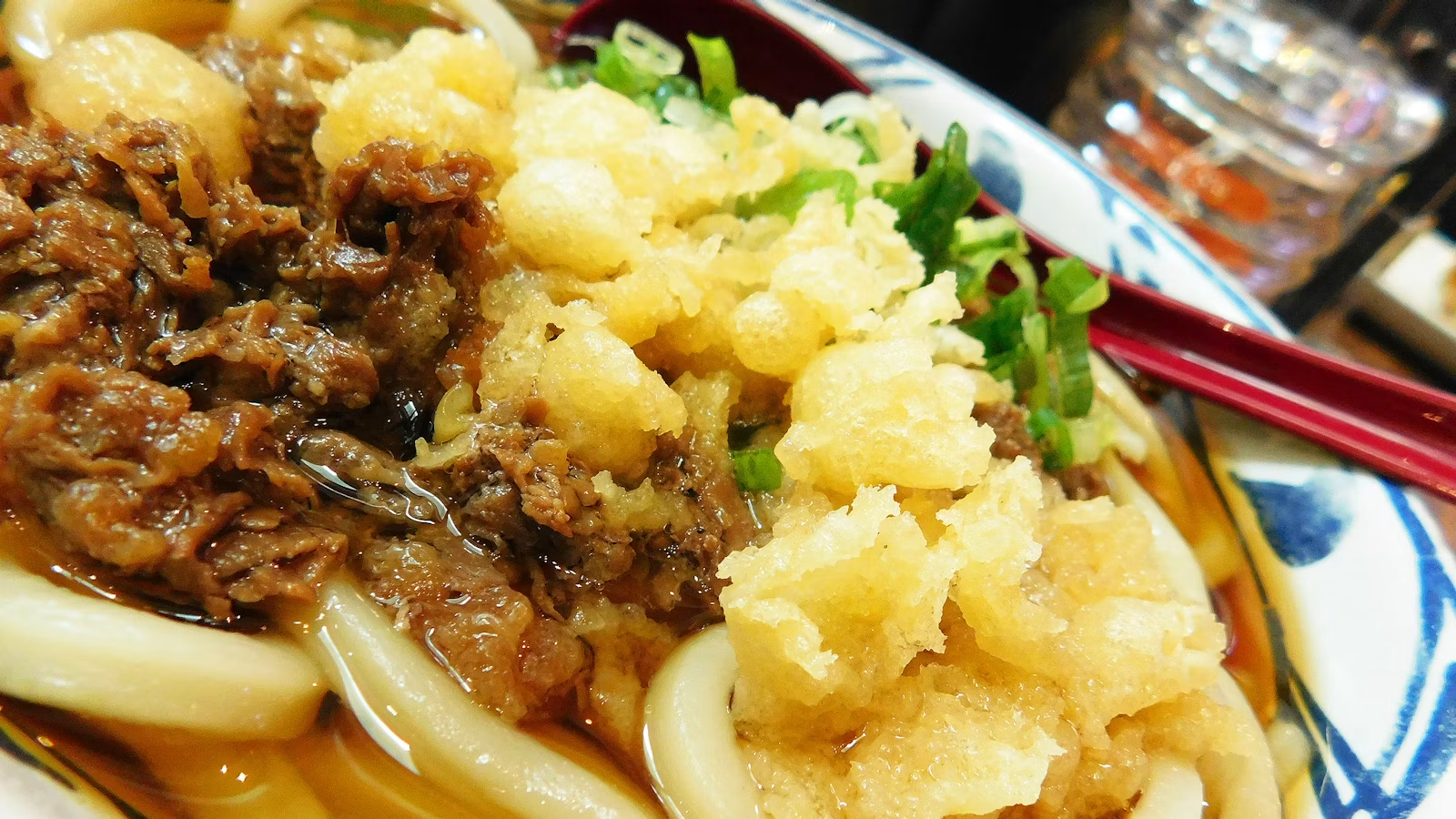
Japan’s Ministry of Agriculture, Forestry and Fisheries describes udon as noodles made by adding salt water to flour and kneading the mixture. The dough is rolled or stretched and cut, but thickness, width, firmness, and serving style change by region. Sanuki udon from Kagawa is famous for a particularly firm, springy bite; Inaniwa udon is much thinner and smoother.
Unlike ramen, udon generally does not rely on alkaline salts for its identity. Unlike soba, standard udon noodles are made from wheat rather than buckwheat. Their simple dough lets texture lead. A good strand feels substantial but not rubbery, tender at the surface and resilient through the center. The broth is a companion, not camouflage.
Fresh, frozen, or dried: which package to buy
Frozen udon is my favorite supermarket option when texture matters most. The noodles are usually cooked before freezing, separate quickly in boiling water, and keep a satisfying bounce. Fresh or vacuum-packed udon noodles are convenient, though some brands are softer and more shelf-stable than the word “fresh” suggests. Refrigerated packages should feel cold and have intact seals.
Dried udon belongs in the pantry and takes longer to cook. It often has a firmer, less plush chew, but it is dependable and excellent with dipping sauces. Read the label for serving size and sodium; salt is part of traditional dough making, even though much of it moves into the cooking water. Skip packages with broken seals, moisture where it should not be, or freezer burn.
How to cook and serve udon noodles
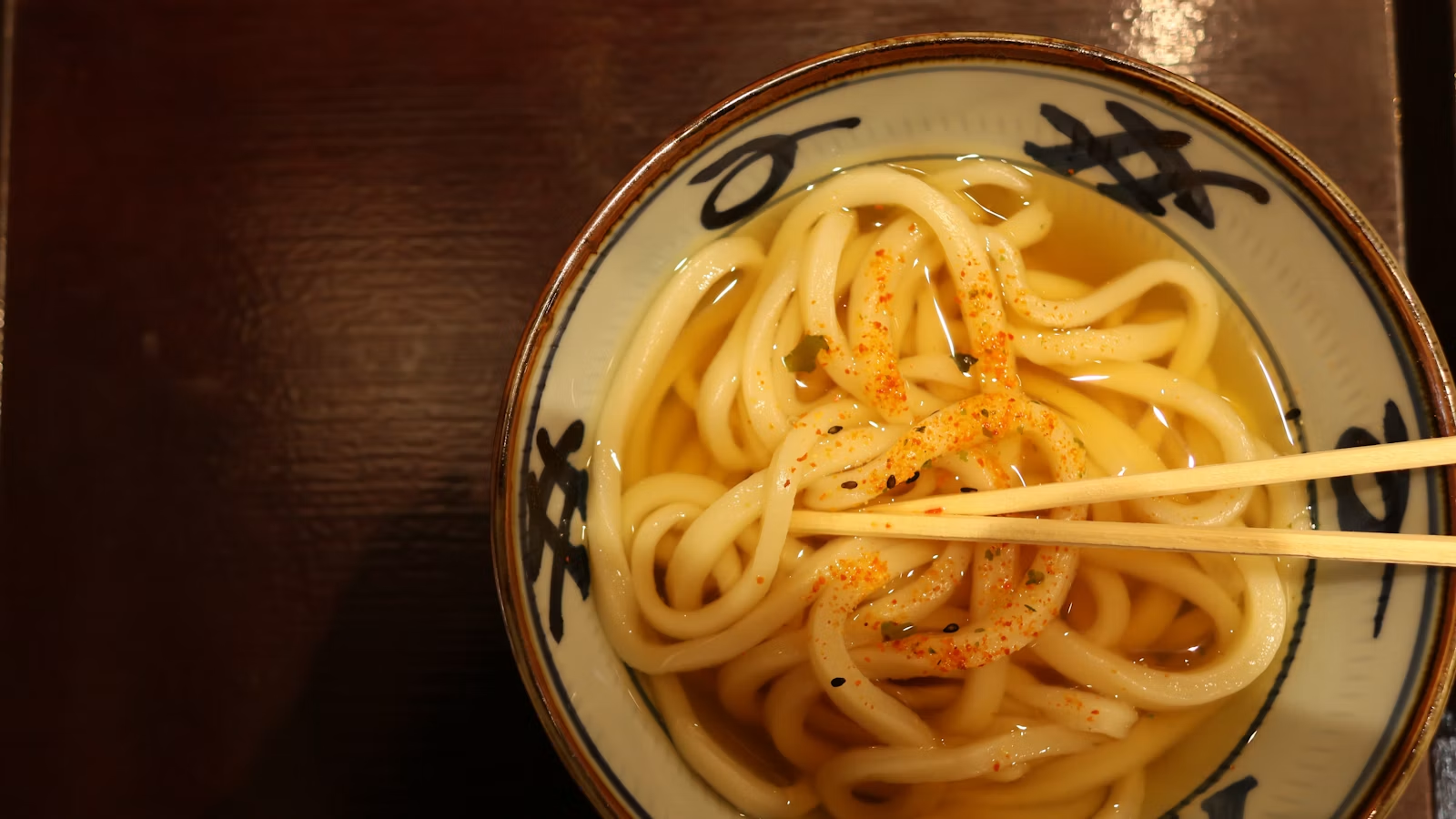
Follow the package first because frozen, refrigerated, and dried noodles have very different timing. Drop frozen udon noodles directly into boiling water and loosen them gently with chopsticks; many need only one or two minutes. Refrigerated udon may need a similarly brief dip. Dried noodles can take eight to twelve minutes or more. Taste early instead of trusting one universal clock.
For hot soup, drain the noodles as soon as they are supple and add them to hot broth. For a cold bowl or stir-fry, rinse under cold water and rub very gently to remove surface starch, then drain thoroughly. That rinse stops cooking and firms the texture. Do not leave cooked udon sitting in hot water while you search for the scallions; the noodles will keep softening with quiet efficiency.
7 smart ways to serve udon noodles
- Clear broth: Add scallions, mushrooms, greens, and a soft-cooked egg to dashi or another savory broth.
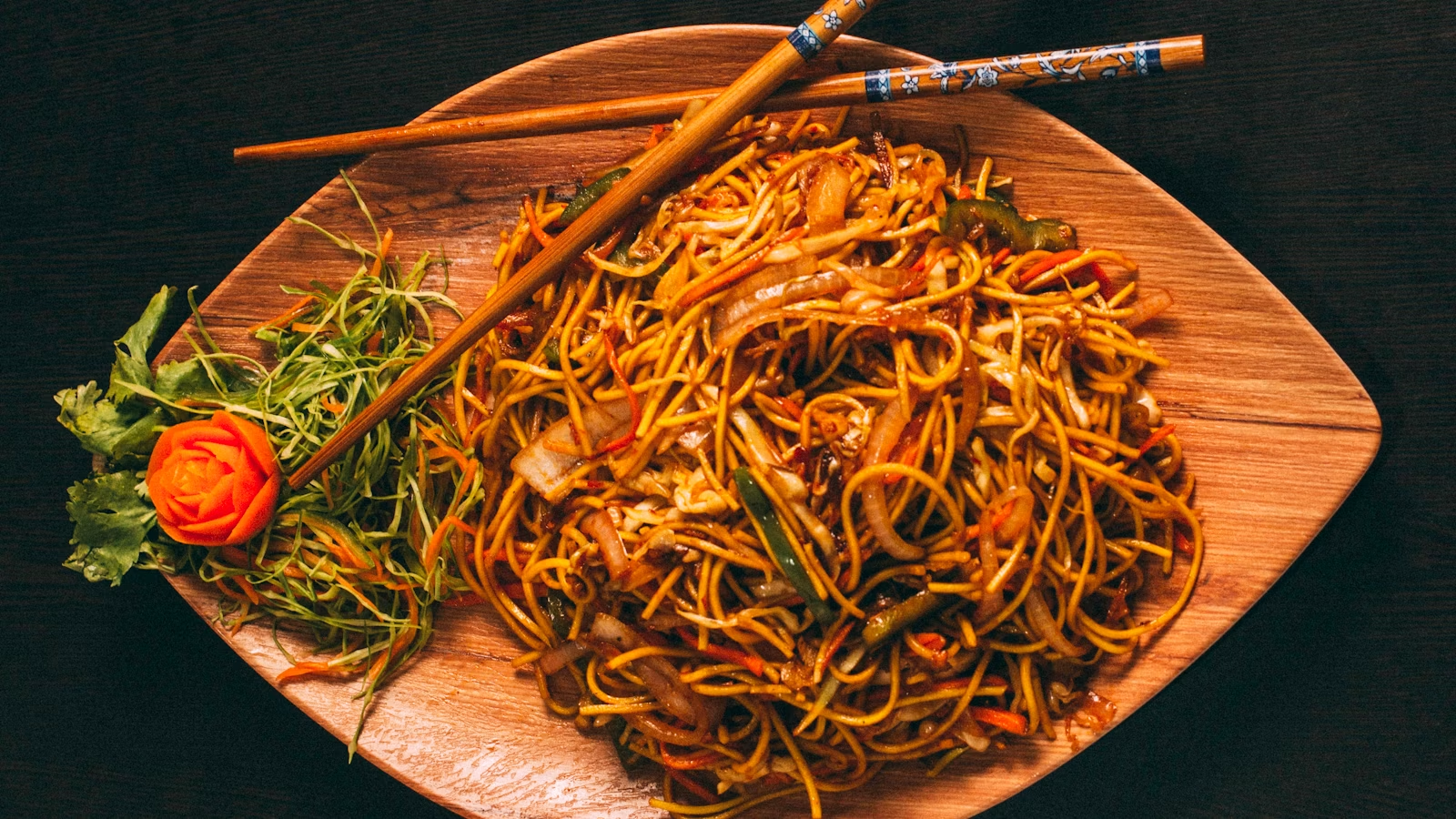
- Yaki udon: Stir-fry drained noodles with cabbage, carrots, protein, and a glossy soy-based sauce.
- Cold dipping bowl: Chill well and serve with concentrated dipping sauce, grated ginger, and scallions.
- Curry udon: Loosen Japanese-style curry with broth so it coats rather than smothers the noodles.
- Miso soup: Use a moderate hand with miso and add quick-cooking vegetables near the end.
- Sesame noodles: Toss cold udon with sesame paste, rice vinegar, soy sauce, cucumber, and chile oil.
- Weeknight shortcut: Combine frozen noodles, leftover vegetables, and a spoonful of savory condiment for a ten-minute meal.
For that last bowl, Tastiva’s guides to gochujang, black sesame seeds, and oyster mushrooms offer useful directions. Choose two strong accents, not seven. Udon has a gentle character, and a crowded sauce can turn supper into condiment inventory.
Nutrition, sodium, and gluten notes
Udon noodles mainly provide carbohydrate, with modest protein and usually little fat before sauce or toppings arrive. Exact values differ across fresh, frozen, and dried products, so compare labels by prepared serving rather than by an arbitrary 100 grams. A balanced bowl needs company: vegetables for volume and fiber, plus tofu, egg, chicken, fish, or another protein you enjoy.
Standard udon is not gluten-free because wheat flour is the defining ingredient. Rice-based products labeled “udon-style” can be useful alternatives, but anyone managing celiac disease should look for a specific gluten-free claim and consider shared equipment and sauce ingredients. The FDA requires foods carrying that claim to contain less than 20 parts per million of gluten. Tastiva’s gluten-free noodle guide covers texture and cross-contact in more detail.
Sodium deserves the same label-reading attention. Udon noodles may contribute some, while broth, soy sauce, miso, and bottled stir-fry sauce can add much more. Taste the finished bowl before reaching for salt. A squeeze of citrus, fresh ginger, scallions, or chile can make flavors feel sharper without asking the soy sauce to do every job.
Morgane Recipes demonstrates chicken udon noodle soup below. It is one broth-and-topping combination, while the guide above also covers cold noodles and stir-fries.
Sources
- Japan MAFF: Traditional Grain Products
- Japan National Tourism Organization: Sanuki Udon
- FDA: Gluten-Free Food Labeling Rule
- USDA FoodData Central

Hi, I’m Laura, the voice behind Tastiva. I’ve always believed that eating well should feel enjoyable, comforting, and realistic—not like another complicated rule to follow. I love creating recipes that fit into everyday life, sharing simple nutrition ideas, and finding small ways to make meals feel a little better without losing the pleasure of good food.