
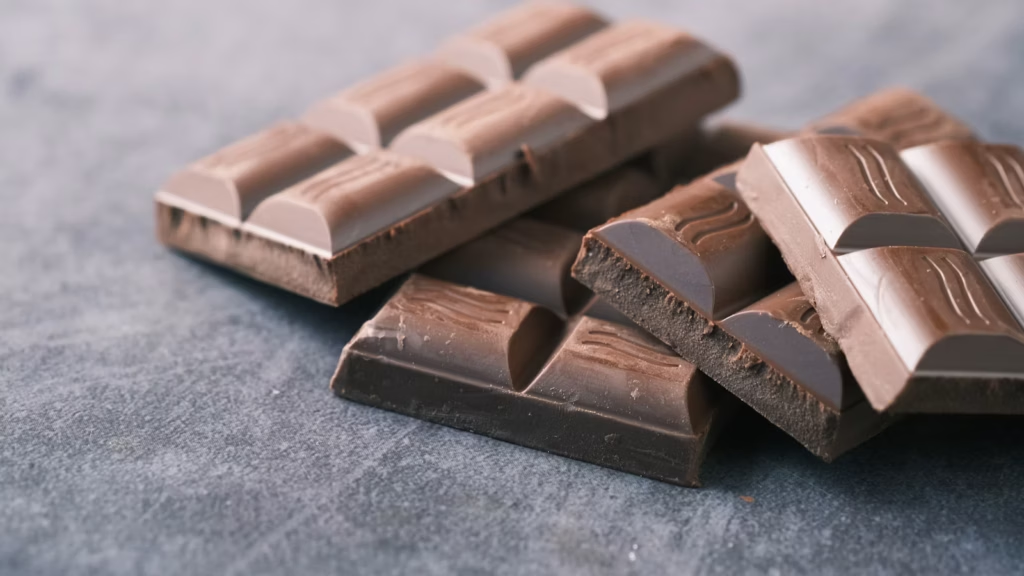
A dark chocolate shelf can make one simple craving feel like a multiple-choice exam: 55%, 70%, 85%, single-origin, sea salt, “intense,” and a wrapper that looks suspiciously like formalwear. Dark chocolate is chocolate made with cacao-derived ingredients and sugar, usually with little or no milk ingredient compared with milk chocolate. The percentage helps, but it cannot tell you by itself whether a bar will taste fruity, roasted, smooth, bitter, or wonderfully balanced.
Choose dark chocolate by the job and the flavor you enjoy, not by assuming the highest percentage automatically wins.
What the dark chocolate percentage tells you
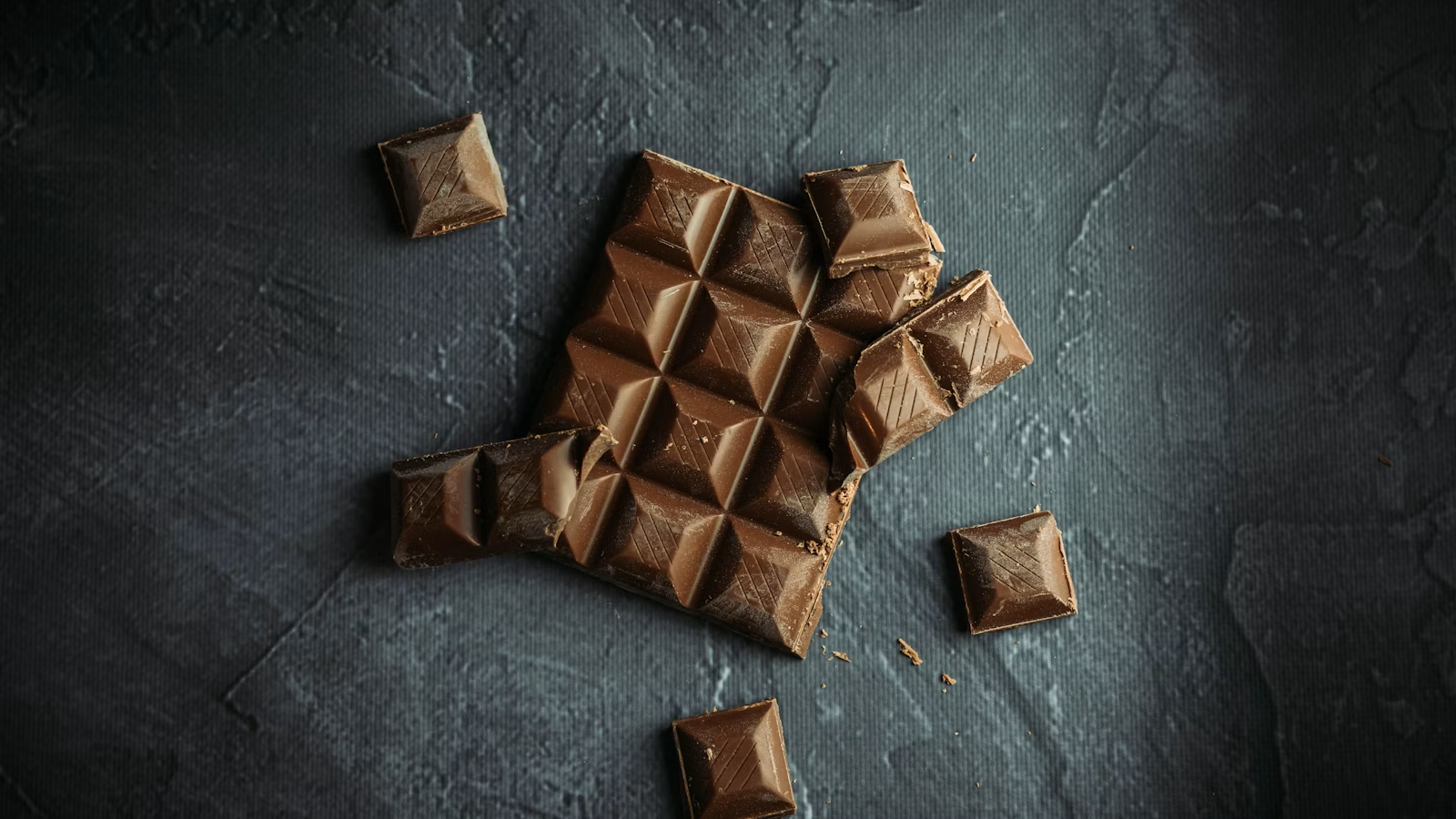
The percentage generally represents the share of the bar that comes from cacao ingredients, such as cocoa solids and cocoa butter. A 70% bar therefore has more cacao content than a 55% bar, while the remaining portion may include sugar, vanilla, an emulsifier, and other permitted ingredients. The number does not reveal the exact balance of cocoa solids to cocoa butter, so two 70% bars can melt and taste quite differently.
- 50% to 60%: Usually sweeter and approachable, useful for brownies and cookies when you still want a clear chocolate note.
- 65% to 75%: My most versatile range for eating and baking because sweetness and cacao intensity often meet in the middle.
- 80% and above: Less sweet and often more bitter or drying; excellent if that is the flavor you genuinely enjoy.
Percentage is not a quality grade. Bean variety, fermentation, roasting, added cocoa butter, sugar level, and manufacturing all shape the bar. For the vocabulary behind the package, Tastiva’s cacao vs. cocoa guide separates related terms without pretending the labels are always perfectly consistent.
Read the ingredients before the front-of-pack claims
Ingredient lists appear in descending order by weight, which makes the first few entries useful. A straightforward bar may list chocolate or cocoa mass, sugar, cocoa butter, vanilla, and lecithin. Lecithin helps ingredients stay dispersed and is not automatically a sign of poor quality. Added flavors, nuts, salt, or fruit simply mean you are buying a flavored bar rather than a plain tasting reference.
- For less sweetness: Compare sugar grams at the same serving size, not just cacao percentages.
- For allergies: Read both the ingredient and advisory statements every time; formulas and facilities can change.
- For vegan needs: Do not assume “dark” means dairy-free. FDA testing has found milk in some dark chocolate products with varying label statements.
- For sugar alternatives: Our guide to sugar-free chocolate explains sweeteners and serving-size trade-offs.
I would also compare the actual bar size. A nutrition panel may use a serving that is one-third, one-half, or all of a package, and those are very different chocolate evenings.
Dark chocolate nutrition and health claims
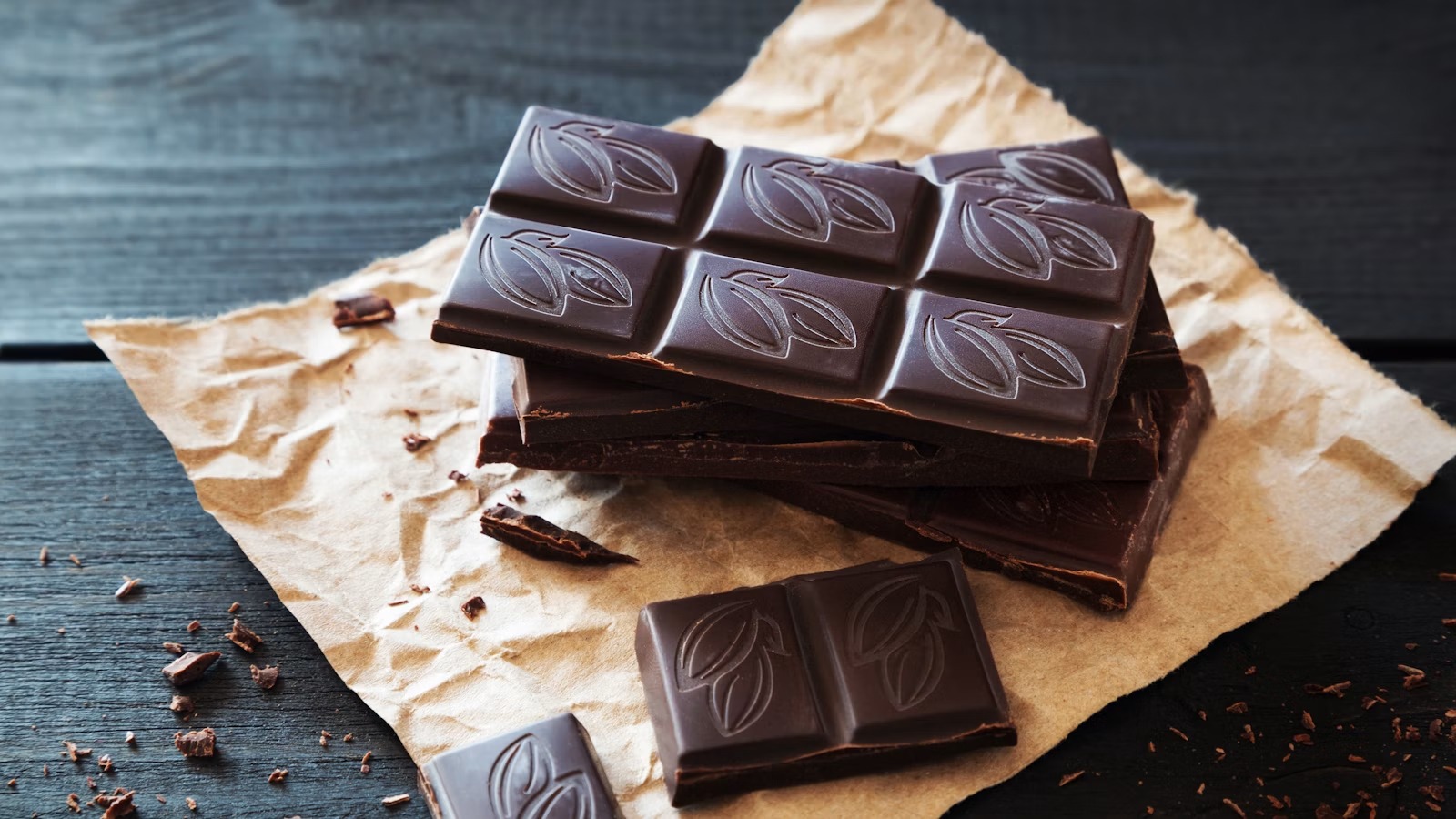
Dark chocolate can contribute minerals and cocoa flavanols, but it is also an energy-dense food containing fat and usually added sugar. Nutrient values vary with cacao percentage, recipe, and serving size, so a branded label or the USDA FoodData Central entry closest to your product is more useful than one universal number. If magnesium is your main goal, compare it with the broader foods in Tastiva’s magnesium guide rather than asking chocolate to do the whole job.
Some controlled trials have studied flavanol-rich cocoa or specially formulated dark chocolate and markers such as blood-vessel function or blood pressure. Those results do not prove that any supermarket bar prevents heart disease, and study products may provide specific flavanol doses that the wrapper does not disclose. I would enjoy dark chocolate as food first and treat sweeping “heart healthy” promises with a raised eyebrow.
- Use the serving size: Compare calories, saturated fat, added sugar, and sodium on equal portions.
- Keep context: A small piece can fit comfortably in many eating patterns; more is not automatically more beneficial.
- Check caffeine sensitivity: Cocoa contains caffeine and theobromine, with amounts varying among products.
Choose it for eating, baking, and storage
For eating, start around 65% to 72% cacao if you are unsure, then move sweeter or darker according to your palate. Let a square warm briefly on your tongue before deciding; cold chocolate hides aroma and makes texture seem harder. A clean snap is pleasant, but inclusions and softer styles can change that cue.
- Brownies: Semisweet or 60% to 70% chocolate gives depth without overwhelming the batter.
- Ganache: Choose a bar whose flavor you like alone, because cream softens intensity but does not erase it.
- Chocolate chunks: Chopped bars make irregular pockets and puddles; chips keep a tidier shape.
- Snacking: Pair a few squares with fruit or nuts when you want contrast rather than a larger amount of one rich flavor.
Store chocolate tightly wrapped in a cool, dry, dark place away from strong odors. Refrigeration can introduce condensation and dull the surface, although it may be necessary in a very hot home; if so, seal the bar well and let it return to room temperature before opening. A pale film may be fat or sugar bloom, which affects appearance and texture more than safety. Melt it into baking and nobody needs to know the bar arrived wearing a gray little sweater.
America’s Test Kitchen ingredient expert Jack Bishop walks through shopping for and baking with dark chocolate. His kitchen-focused guide is a useful companion to the percentage and label checks above.
Sources
- U.S. Food and Drug Administration: Standards of Identity for Food
- U.S. Food and Drug Administration: Survey of Milk in Dark Chocolate Products
- USDA FoodData Central
- PubMed: High- versus low-flavanol dark chocolate trial

Hi, I’m Laura, the voice behind Tastiva. I’ve always believed that eating well should feel enjoyable, comforting, and realistic—not like another complicated rule to follow. I love creating recipes that fit into everyday life, sharing simple nutrition ideas, and finding small ways to make meals feel a little better without losing the pleasure of good food.