
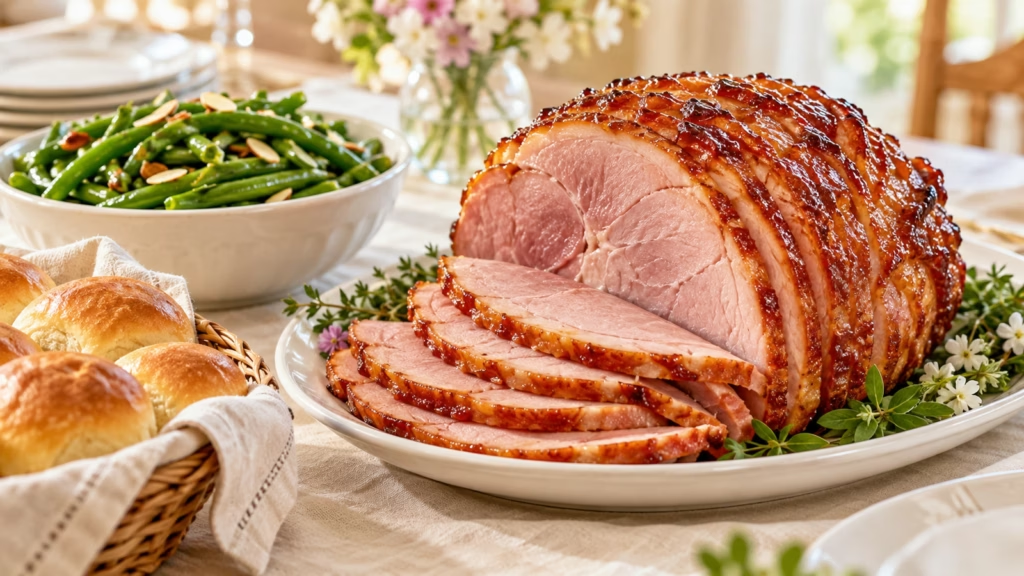
A glossy ham, lemony salmon, or a bubbling vegetable lasagna can each anchor a lovely Easter table. These Easter dinner ideas offer three different menus, with linked recipes and a practical way to fit the sides around the main. You only need to choose one menu, then adjust the portions for the people coming.
Choose the main dish first, then give every side a clear place in the kitchen and on the plate.
Choose an Easter menu that fits your table
Start with the guest count, dietary needs, and your oven space. A large ham makes sense when you want generous portions and planned leftovers. Individual salmon fillets are easier to scale for a smaller gathering. Vegetable lasagna gives meat-free guests a substantial main rather than a plate assembled from sides.
Ask about allergies before shopping. These menus include possible fish, dairy, egg, and wheat ingredients, and sauces or packaged foods can add others. For vegetarian guests, check that cheeses are made with vegetarian-compatible enzymes or rennet. A vegetarian lasagna still needs different substitutions for someone who avoids dairy.
- Traditional menu: glazed ham, lemon-garlic green beans, dinner rolls, and a crisp green salad.
- Smaller-table menu: oven-roasted salmon, asparagus, and your choice of potatoes or bread.
- Meat-free menu: vegetable lasagna, a lightly dressed salad, and an optional platter of deviled eggs.
Three main dishes, with the important timing included
Glazed ham with green beans. A fully cooked ham leaves you concentrating on reheating and glazing rather than cooking raw pork. Well Plated’s oven-baked ham uses a spiral-cut ham, a wine marinade, and a separate brown-sugar glaze. Read the whole recipe before choosing it: the marinade needs at least six hours, beyond the listed cooking time. Keep it refrigerated while marinating.
Use the package directions and a thermometer. Federal guidance calls for reheating fully cooked ham packaged in a USDA-inspected plant to 140°F; other precooked ham and leftovers should reach 165°F. For this menu, follow those endpoints rather than the recipe author’s earlier removal temperature. A raw or “cook before eating” ham needs its own cooking instructions.
Balance the sweet glaze with lemon-garlic green beans. That stovetop recipe makes four side servings in about 22 minutes, leaving the oven to the ham. Add rolls and a salad, and the menu is complete without a second rich casserole.
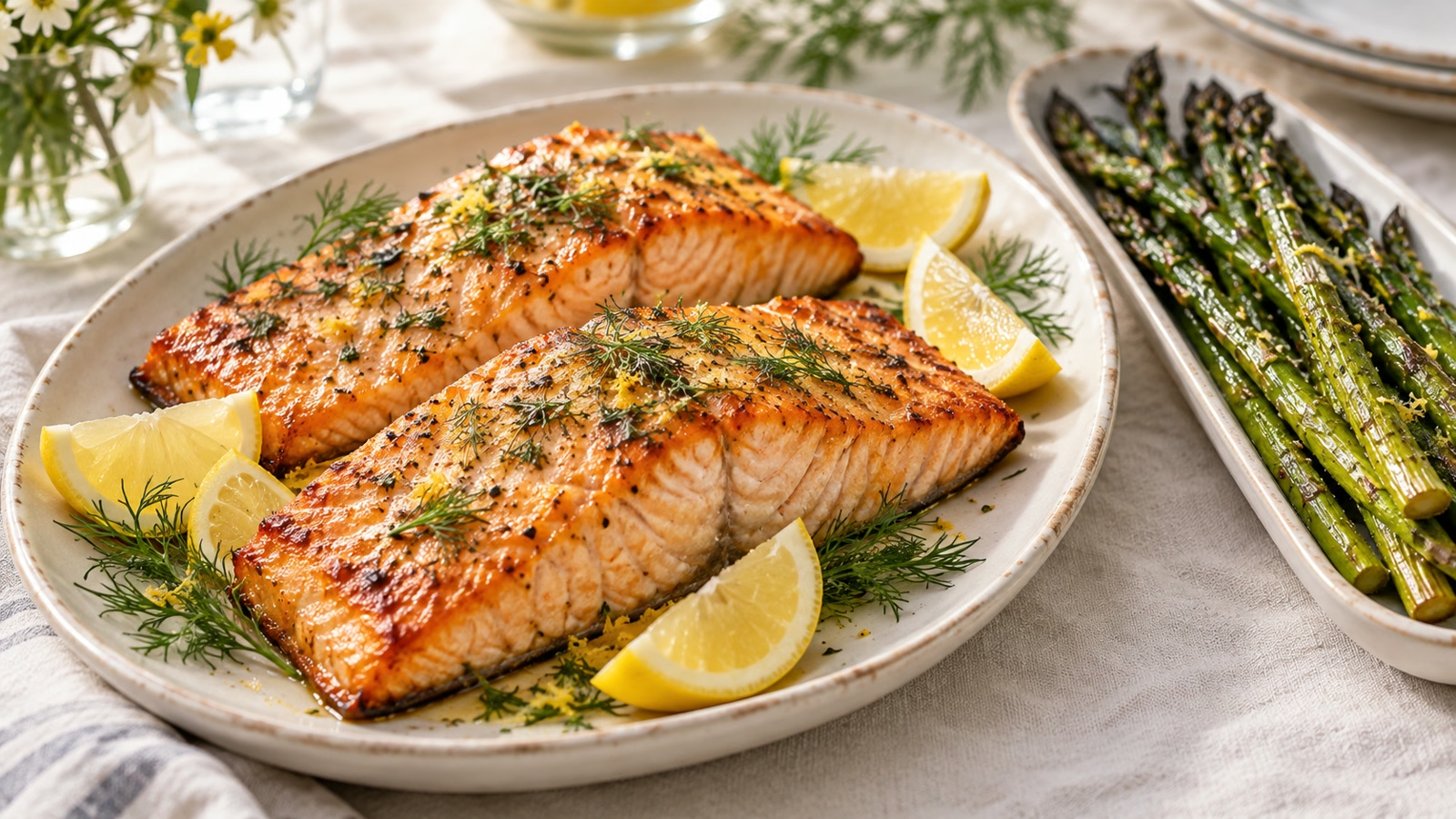
Lemon-herb salmon with asparagus. Tastiva’s oven-roasted salmon uses four individual fillets and a 425°F oven. It is a useful choice when you want a smaller main that cooks near serving time. Fillet thickness changes the timing, so check the thickest part for 145°F rather than relying only on the clock.
Love and Lemons’ roasted asparagus uses the same oven temperature. Use separate pans, allow room for hot air to circulate, and check each dish independently. Thin asparagus can finish before a thick piece of fish. Serve the spears with lemon, then add bread or potatoes according to everyone’s appetite.
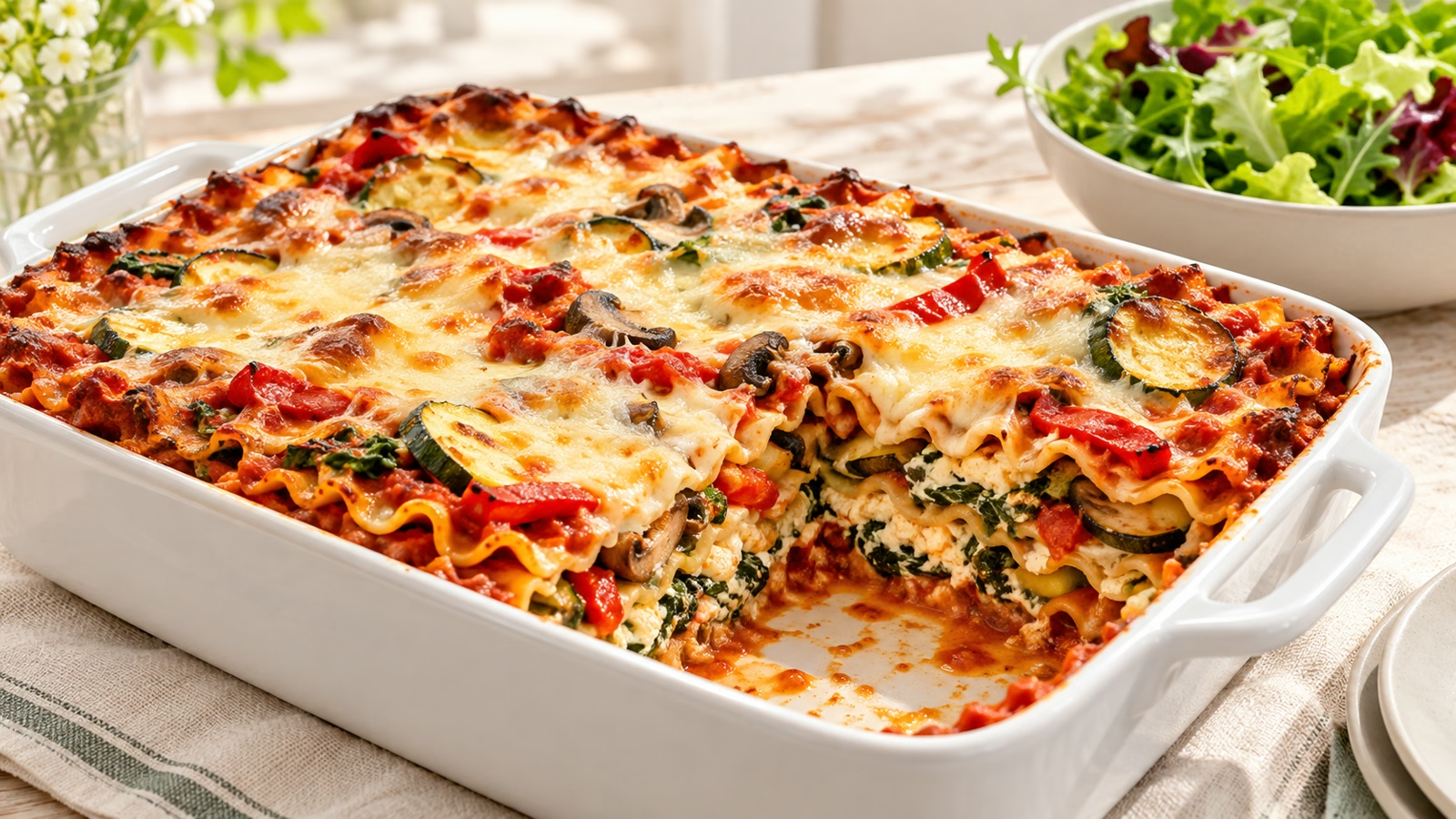
Vegetable lasagna with a green salad. Love and Lemons’ vegetarian lasagna layers roasted vegetables, spinach, ricotta, tomato sauce, and pasta in a 9-by-13-inch dish. It serves eight. The recipe lists 90 minutes for prep and cooking and also asks for a 20-minute rest before slicing, so give it a comfortable place in the afternoon.
Use the regular noodles recommended in the recipe; no-boil noodles require adjustments. The vegetables roast before the assembled lasagna bakes, so this is not a single-step oven dish. A simple salad brings a welcome crisp bite, while the pasta already supplies the starchy part of dinner.
Add a starter only if it makes the meal easier
A starter is optional. If guests will arrive before the main is ready, Tastiva’s deviled eggs make a useful small plate: six eggs become 12 halves. Plan the number around the rest of the menu rather than automatically making a dozen eggs.
For advance prep, keep the cooked whites and filling separately covered in the refrigerator, then fill before serving. Use clean utensils and keep the platter cold. The video below shows Downshiftology’s filling and assembly technique; its seasonings differ from Tastiva’s recipe, so follow one complete recipe rather than combining measurements.
For dessert, a bakery cake, fresh fruit, or a dessert someone offers to bring can be enough. Decide whether it needs refrigerator space before the fridge fills with prepared dishes. You do not need to make every part of the meal from scratch for the table to feel considered.
Make a short prep plan and keep food safe
- The day before: shop, wash produce, check serving dishes, and prepare any refrigerated components allowed by your chosen recipes. Start the ham marinade if using it.
- Before cooking: write down oven temperatures, estimated cooking times, resting time, and the food thermometer target. Give the main first claim on the oven.
- Near serving: finish the green vegetables, dress the salad, and put out only the amount of chilled food you expect to eat promptly.
- After dinner: divide leftovers into shallow containers and refrigerate promptly, rather than waiting for a large dish to cool on the counter.
Keep cold foods at 40°F or below and hot foods at 140°F or above while holding them. Refrigerate perishable food within two hours, or within one hour when the temperature is above 90°F. These limits include time spent preparing, serving, and sitting on the table.
Use properly refrigerated cooked leftovers within three to four days, or freeze them sooner. Reheat leftovers and casseroles to 165°F. A holiday meal is easier to enjoy when there is already a plan for the last slice of ham and the extra square of lasagna.
For a visual guide to an optional starter, watch Lisa Bryan of Downshiftology make deviled eggs.
Sources
- FoodSafety.gov: safe minimum internal temperatures.
- FoodSafety.gov: four steps to food safety.
- FoodSafety.gov: handling and storing leftovers.
- Original recipes: Well Plated baked ham, Love and Lemons vegetarian lasagna, and Love and Lemons roasted asparagus.
- Video: Downshiftology’s deviled eggs tutorial.

Hi, I’m Laura, the voice behind Tastiva. I’ve always believed that eating well should feel enjoyable, comforting, and realistic—not like another complicated rule to follow. I love creating recipes that fit into everyday life, sharing simple nutrition ideas, and finding small ways to make meals feel a little better without losing the pleasure of good food.